

Japan Farming Methods: 7 Smart Techniques & Innovations
“Over 55% of Japanese farms use precision planting techniques to maximize crop yields and land efficiency.”
“Japan’s vertical farming facilities can produce up to 100 times more lettuce per square meter than traditional fields.”
Introduction: The Landscape of Japanese Farming Methods
Japan’s agricultural landscape is renowned for its unique fusion of ancient wisdom and modern technology. Known for its mountainous geography, small arable land, and a rapidly aging population, Japan has faced distinct challenges—yet its farming methods remain a source of global inspiration. By blending traditional Japanese farming methods with breakthroughs in smart farming Japan technology, Japanese farmers consistently optimize yield, enhance sustainability, and maintain soil health despite land fragmentation and labor shortages.
From precision application of inputs with sensors and automated systems to integrated pest management and vertical farming concepts, these methods are used by farmers not only to ensure high-quality crops but also to preserve the delicate balance of ecosystems. Modern Japanese agriculture addresses sector-specific challenges—be it field crops, cattle farming methods, or managed forestry—through innovative, adaptive, and sustainable strategies.



Core Principles of Japanese Farming Methods
Japanese farming methods are built on a foundation of precise, efficient, and sustainable practices that enhance productivity and ensure long-term soil health. Some of the core principles underlying these methods include:
- Precision in Inputs: Guided by data from soil sensors, weather forecasting, and remote monitoring for targeted application of water, fertilizers, and pesticides.
- Labor Efficiency: Automation and robotics alleviate workforce challenges and optimize field operations in agriculture and livestock management.
- Small-Plot Adaptability: Modular, scalable systems—small-scale greenhouses, vertical farming, tunnel houses—maximize yield in fragmented landscapes.
- Water Stewardship: Modern irrigation techniques, rainwater harvesting, and moisture sensors minimize waste and protect soil structure.
- Integrated Pest & Disease Management: Use of beneficial insects, biopesticides, and advanced surveillance tools to minimize chemical inputs and safeguard biodiversity.
- Soil Health & Biodiversity: Crop rotation, soil amendments, and agroforestry foster ecosystem resilience and enriched organic matter.
Key Insight 💡
Smart farming Japan is not only about adopting technology—it’s an evolution rooted in respect for traditional knowledge, ecological stewardship, and continuous adaptation to resource and labor constraints.
Traditional Japanese Farming Techniques: Satoyama and Tanada
Two older systems still shape Japanese farmland. Satoyama is the mosaic of paddies, dry fields, managed woodland, ponds and villages at the foot of the mountains, where farmers use the surrounding woods and water for fuel, compost and irrigation. The idea became an international program in October 2010, when Japan’s Ministry of the Environment and United Nations University launched the International Partnership for the Satoyama Initiative at the biodiversity summit in Nagoya (IPSI).
Tanada are terraced rice paddies cut into steep slopes. Water moves from the top terrace down through each field below, so one source can irrigate the whole hillside. Terraces take a lot of labor to keep up, and many have been abandoned. In 1999 the agriculture ministry picked 134 sites for its “100 Terraced Rice Fields of Japan” list to encourage their upkeep, and in 2021 it certified 271 rice terrace sites in a new selection (Land, 2024).
Japan Farming Methods: 7 Smart Techniques & Innovations
What makes Japanese farming methods a global benchmark? Here are seven of the most impactful innovations and practices currently transforming Japan’s agricultural, livestock, and forestry sectors.
-
1. Precision Input Application with Sensors & Data Integration
- ✔ Key benefit: Targeted irrigation, fertilization, and pesticide application.
- 📊 Data insight: Reduces input waste by up to 30% and enhances crop quality.
- ⚠ Risk or limitation: Initial investment in sensors and data platforms may be high for small-scale farmers.
Leveraging real-time data from soil moisture sensors, weather stations, and satellite-based management apps, Japanese farmers ensure that inputs are delivered exactly when and where they are needed. This approach not only optimizes resource use but protects soil health and reduces chemical runoff.
-
2. Automation: Robotics & Smart Machines for Labor Efficiency
- ✔ Key benefit: Streamlines planting, weeding, harvesting, and livestock care.
- 📊 Data insight: Automation saves between 20–50% on labor costs and enhances productivity in rural industries.
- ⚠ Risk or limitation: Skilled workforce required to maintain advanced machinery.
Autonomous tractors, drones, robotic transplanters, automated feeders, and milking robots are increasingly common. These smart farming solutions address Japan’s labor shortages, particularly in the context of an aging population and fragmented landholdings.

-
3. Small-Plot Adaptability: Greenhouses, Vertical Farming & Tunnel Houses
- ✔ Key benefit: Maximizes production per unit area & enables year-round cultivation.
- 📊 Data insight: Vertical farming can yield up to 100x more lettuce (per sq m) than outdoors.
With limited farmland, Japanese farmers deploy modular greenhouses, multi-layered vertical farms, and covered tunnel systems. These scalable solutions ensure consistent quality, shield crops from pests and extreme weather, and enable sophisticated climate control.

-
4. Smart Water Management: Efficient Irrigation & Rainwater Harvesting
- ✔ Key benefit: Minimizes water use and ensures consistent soil moisture.
- 📊 Data insight: Moisture sensors and automated scheduling cut irrigation needs by 20–40%.
- ⚠ Risk or limitation: Integration of multiple water stewardship systems requires careful management.
Precision irrigation systems—drip lines, sub-surface pipes, and smart sprinklers—are calibrated using weather and soil data to minimize waste. Rainwater collection, controlled drainage in rice paddies, and moisture monitoring enable Japanese farmers to improve soil structure and buffer against droughts.

-
5. Integrated Pest & Disease Management (IPM)
- ✔ Key benefit: Reduces chemical pesticide use and promotes biodiversity.
- 📊 Data insight: Trap crops and beneficial insects decrease pesticide requirements by up to 60%.
- ⚠ Risk or limitation: Requires vigilant monitoring and timely intervention.
IPM in Japan blends smart monitoring—remote imaging, AI-powered surveillance—with classic biological pest control. Early disease warning via remote sensing helps intervene before outbreaks escalate, while trap crops and selective biopesticides support ecosystem health without heavy chemical reliance.

-
6. Soil Health & Biodiversity Enhancement: Cover Crops, Rotation & Agroforestry
- ✔ Key benefit: Maintains long-term fertility, structure, and resilience of soils.
- 📊 Data insight: Crop rotations boost yield stability and lower disease risk.
Japanese agriculture encourages rotating crops and planting cover crops to replenish nutrients, suppress weeds, and improve organic matter. Agroforestry systems with understory vegetation stabilize land, enhance biodiversity, and diversify rural income.

-
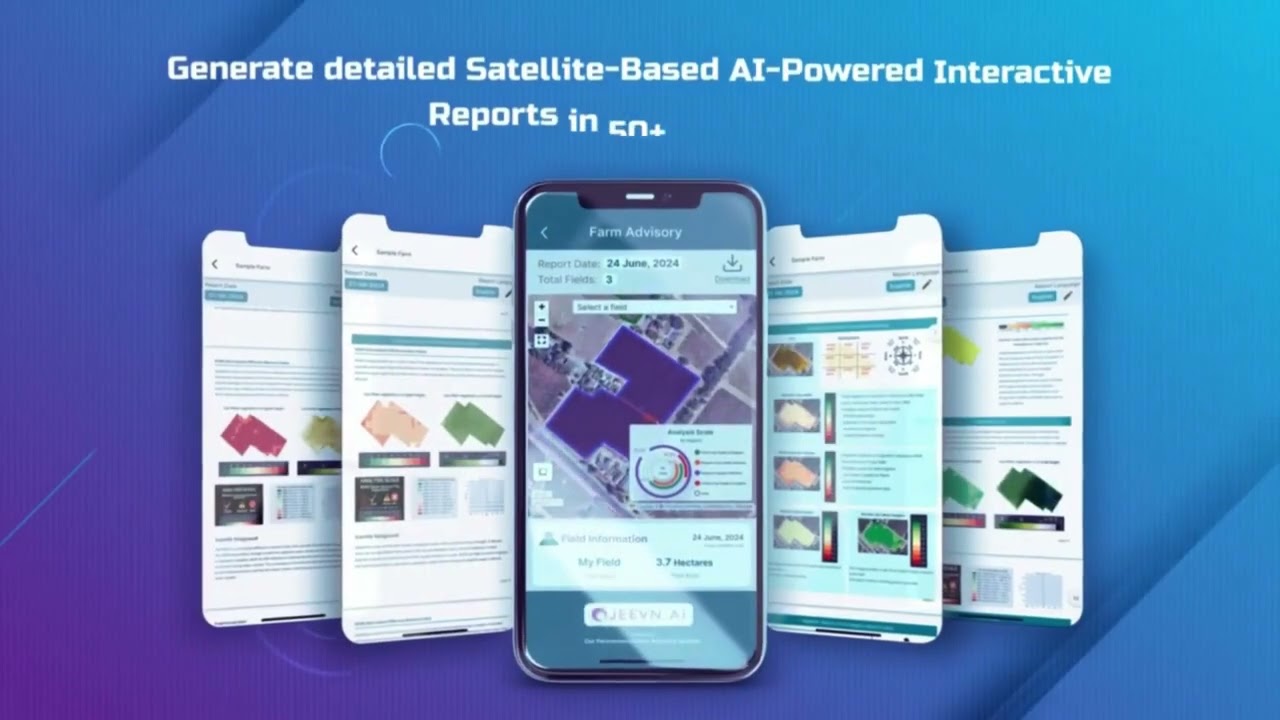
7. Digital & Satellite-Based Farm Management Platforms
- ✔ Key benefit: Real-time field monitoring and AI-driven decision support for optimized management.
- 📊 Data insight: Early detection of crop stress and input inefficiencies via satellite imagery and remote analytics.
Modern Japanese agriculture embraces platforms that leverage satellite, AI, and blockchain for end-to-end farming management. This enhances traceability, transparency, and connects data streams from field sensors, machinery, and weather networks.

Comparative Features Table: The 7 Innovations in Japanese Farming Methods
| Technique Name | Description | Estimated Productivity Gain (%) | Estimated Cost Savings (%) | Sustainability Impact | Soil Health Benefit | Level of Technological Innovation |
|---|---|---|---|---|---|---|
| Precision Input Application | Sensor-guided, data-driven input delivery | 20–40 | 15–30 | High | High | Smart |
| Automation & Robotics | Autonomous machinery & automated field/livestock systems | 20–50 | 20–50 | Medium | Medium | Smart |
| Small-Plot Adaptability | Greenhouses, vertical farms, tunnel house systems | 40–100+ | 10–20 | High | Medium | Hybrid |
| Smart Water Management | Moisture sensor-based irrigation, rainwater harvesting | 20–35 | 20–40 | High | High | Smart |
| Integrated Pest & Disease Management | Biocontrols, AI-aided pest/disease monitoring | 10–25 | 40–60 | High | Medium | Hybrid |
| Soil Health & Biodiversity Practices | Rotations, cover crops, agroforestry | 10–30 | 5–10 | High | High | Traditional/Hybrid |
| Digital & Satellite Platforms | AI/remote sensing/traceability platforms | 15–40 | 10–25 | High | Medium | Smart |
Applications Across Sectors: Field, Livestock, Forestry & More
The Japanese farming methods outlined above are dynamically applied across various sectors:
Field Crops & Vegetables
- Smart greenhouses and covered cultivation bring precision climate control, extending growing season and stabilizing yields for crops like vegetables, grapes, and tea.
- Sensor-guided nutrient management ensures consistent quality with minimal environmental impact.
Cattle Farming & Livestock
- Automated milking systems and climate-controlled barns optimize cattle welfare, growth, and milk production.
- Precision feeding—using data from resource management tools—boosts feed conversion efficiency and minimizes waste.
Forestry & Agroforestry
- Managed forest systems combine timber, fruit, and non-timber resources; satellite advisory platforms assist in thinning, disease surveillance, and long-term resource planning.
- Diverse planting stabilizes land, supports ecological goals, and facilitates sustainable harvest cycles.
Extractive & Mining-Adjacent Contexts
- Soil restoration, erosion control, and reforestation are prioritized during post-extraction land management; carbon footprint monitoring helps enhance sustainability in these challenging contexts.
Niche Agriculture: Gemstones & Floriculture
- Japanese innovation shines in specialty horticulture—precision climate and substrate management for orchids, flowers, and spices maintain global product standards.
- Traceability and digital crop health monitoring are crucial for premium positioning in export markets—see our blockchain product traceability solution.
🌱 Key Pillars of Japanese Farming Methods: Visual Highlights
- 📏 Precision Inputs
Data-optimized feeding and irrigation - 🤖 Automation
Robotic & autonomous field machinery - 🏡 Adaptability
Greenhouses & vertical farms for small plots - 💧 Water Stewardship
Moisture management & rainwater harvesting - 🦋 Biodiversity
Ecosystem resilience in every field
Cattle Farming Methods in Focus: Smart Livestock Management in Japan
Japan’s reputation for excellence extends to cattle farming methods—especially in premium beef and integrated dairy management. Smart systems and welfare-centered strategies define the Japanese approach, seamlessly merging tradition with technology for greater efficiency, animal health, and sustainability.
Housing & Welfare
- Climate-responsive cattle sheds and smart ventilation reduce heat stress and prevent disease.
- Automated feeding and water systems deliver precisely balanced rations for each animal’s age and production stage.
- Automated milking parlors ensure hygiene and reduce labor, while livestock tracking monitors movement and welfare around the clock.
Reproductive & Health Management
- Digital herd records and apps for health surveillance streamline vaccinations, breeding, and early detection of illness or estrus cycles.
- Wearable sensors monitor temperature, feeding, and movement to forecast disease risk and trigger timely interventions.
Nutrition Optimization
- Forage-focused feeding strategies mix quality pasture with supplements—guided by satellite data and in-field forage testing.
- Automated feed dispensers further reduce waste and cost, while keeping nutritional levels optimal for each animal segment.
Productivity & Sustainability
- Rotational grazing and ecological fencing maintain soil and pasture health.
- Waste management—composters, digesters—minimizes environmental impact and recycles nutrients back into fields.
Integrated sensors in cattle housing can detect early symptoms of disease, enabling Japanese farmers to prevent outbreaks and optimize herd health.
Overreliance on a single management technology can miss nuanced changes in animal behavior that seasoned farmers can spot—always combine tech with hands-on observation.
How Satellite Technology Empowers Japanese Farming Methods
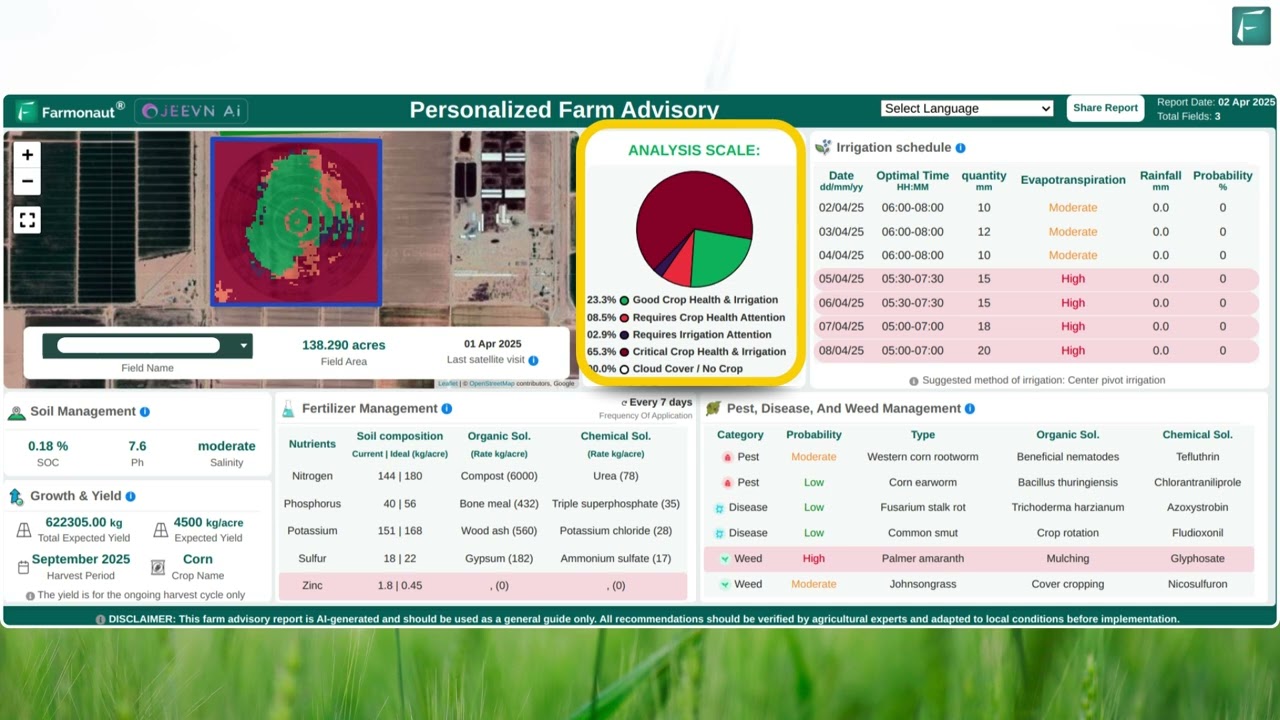
As Japanese agriculture moves deeper into the era of smart farming, digital transformation is crucial. Satellite-based platforms offer a unique advantage in the following areas:
- Crop & Livestock Monitoring: Real-time imaging (NDVI, soil moisture, crop stress) allows early intervention, reduces input waste, and enhances field-level precision.
- Weather-Driven Strategies: Advanced forecasting and AI advisories help optimize planting, irrigation, and pest control, mitigating climate risks and maximizing yields.
- Resource & Fleet Management: Large-scale fleet monitoring improves machinery use, lowers costs, and ensures timely field operations—even across fragmented plots.
- Supply Chain Traceability: Integration of blockchain enables transparent, secure traceability from field to fork, which is essential for Japan’s export reputation.
- Environmental Stewardship: Carbon footprint monitoring helps meet sustainability goals in agriculture, forestry, and post-mining restoration.
Investor Note 💹
Japan’s adoption of smart farming and geospatial analytics technology is opening new investor opportunities in agri-tech, environmental monitoring, and supply chain transparency.
🚀 Smart Farming Tech Ecosystem: Visual Guide
- 🛰️ Satellite Monitoring
Real-time crop & soil data - 👾 AI & Analytics
Automated decision support - 🔗 Blockchain Traceability
Transparent supply chains - 🚛 Fleet Management
Efficient operations - ♻️ Sustainability Tracking
Environment & carbon control
Common Mistake 🛑
Not integrating weather, satellite, and ground sensor data often leads to suboptimal input use and reduced yields. Consistent monitoring and decision support systems are crucial in overcoming environmental variability.
Pro Tip ✨
Using satellite-based AI advisory platforms provides scalable decision support for everything from planting windows to disease alerts—saving time and maximizing productivity.
🛰️ Try Farmonaut: Affordable Satellite-Driven Farm Insights
Access real-time crop monitoring, advanced AI recommendations, and blockchain traceability for smarter farming, mining, and land management.
Explore Farmonaut’s Satellite API | API Developer Docs
Key Insight 🛰️
Implementing modular subscription-based monitoring enables precision management for fields of any size—perfect for Japan’s fragmented landscape.
Rising demand for sustainable and high-tech agriculture in Japan opens new opportunities in sensors, robotics, and cleantech investments.
Frequently Asked Questions: Japanese Farming Methods & Smart Agriculture in Japan
What makes Japanese farming methods unique compared to other countries?
Japanese farming methods stand out due to their synergy of tradition (like multi-cropping and meticulous manual practices) with advanced smart farming Japan technologies—sensors, autonomous systems, vertical farming, and blockchain traceability.
How do smart farming technologies optimize resource use in Japan?
Precision agriculture tools in Japan optimize input delivery (water, fertilizers, pesticides) via data from sensors, drones, and satellite monitoring. Automation reduces labor, lowers input waste, and boosts yields, making each hectare more productive and sustainable.
Does small farm size limit productivity in Japan?
Not with the scalable systems in use. Modular greenhouses, vertical farming, and tunnel houses are designed to maximize production per area, turning land fragmentation from a disadvantage into an opportunity for technology deployment.
What role does biodiversity play in Japanese agriculture?
By rotating crops, introducing cover/understory vegetation (in agroforestry), and using biological pest control, Japanese farming practices enhance ecosystem resilience and maintain long-term soil health.
How can real-time monitoring transform Japanese farming?
With real-time crop and soil monitoring, farmers can respond faster to disease, nutrient deficiencies, and weather shifts—preserving yields and conserving resources.
Japanese farming methods prove that integrating precision tech and traditional practices is not just about higher yields—it’s about building resilient, sustainable systems for future generations.
Conclusion: Fusing Precision, Tradition & Ecology in Japanese Agriculture
The evolution of Japanese farming methods offers a wellspring of ideas for the world—demonstrating how smart farming, small-plot adaptability, and welfare-centered livestock practices can create robust food systems that are both productive and sustainable.
By embracing precision input management, robotics, scalable covered cultivation, integrated pest management, and digital monitoring, Japanese agriculturists turn constraints (land size, workforce, climate) into opportunities. Their approach optimizes yields, minimizes resource waste, and protects the environment—all while sustaining the purity and quality that define Japanese produce and livestock.
As satellite and AI-driven tools become more affordable and accessible, we at Farmonaut are proud to support farmers, businesses, and governments—empowering smarter, greener, and more traceable agricultural systems across Japan and around the world.
Ready to Innovate?
Sign up to experience the future of smart farming: Explore Farmonaut’s web and mobile apps to monitor crops, manage fleets, and foster ecological stewardship—direct from your fingertips.

 AdBio
AdBio MISE Maroc
 Drift-Sense
 NWNS
NWNS Hydenmet
 Red August Group
 Farm Inc
 WeMe Global
 Agrotoken
 Blue BearX
 Insignito
 Croptimum
 DnCubed
 Field Capacity
 Indosistim Teknologi
 Liquify Digital
 CU Foods
 BeyondTech Global
