

Gold Mining Industry: 7 Trends Driving Success
“Over 75% of global gold production comes from just ten countries, highlighting concentrated mining operations worldwide.”
Introduction: Gold’s Core Purpose and Dynamic Industry Landscape
The gold mining industry underpins the global financial system, industrial sector, and luxury jewelry markets. Gold is not just a commodity; it’s a rare, valuable asset whose extraction and processing are multifaceted, blending geology, advanced engineering, environmental stewardship, economic management, technology, and community relations. The purpose of this article is to provide a comprehensive overview of the industry of gold, examining how a mineralized ore body beneath the earth’s surface becomes a usable asset that powers economies, cultures, and innovations.
This article begins with the foundational role of exploration, shifting to real-world mining operations, ongoing technological transformation, environmental responsibility, and the regulatory and market trends that drive ongoing success in the industry of gold. By the end, you’ll understand the holistic view required to excel in gold mining—from discovery to closure, from ore body to bar.
Industry of Gold: Trends Comparison Table
| Trend | Description | Estimated Impact (%) on Industry | Example/Case Study |
|---|---|---|---|
| Advanced Geology & Exploration | Modern remote sensing, AI-driven satellite exploration, geochemical and geophysical sampling for deposit discovery and validation. | 20-24% | Enhanced discovery rates using remote platforms like Farmonaut Satellite Detection |
| Technological Innovation | Automation, sensor-based ore sorting, 3D prospectivity models, and real-time process control boost efficiency and reduce costs. | 18-22% | Cutting-edge 3D mapping technology (3D Mineral Prospectivity Mapping) |
| Environmental Stewardship | Water management, tailings control, habitat reclamation, and compliance with ESG standards. | 13-16% | Water recycling systems and non-invasive exploration |
| Safety & Community Engagement | Worker safety protocols, real-time health monitoring, social license initiatives, and equitable community partnerships. | 12-15% | Transparent safety reporting and local hiring commitments |
| Operational Efficiency | Optimized hauling, energy management, resource recovery, and lean production scheduling. | 12-14% | Deploying energy-saving machinery and automated load-haul systems |
| Regulatory Compliance & Closure | Stringent oversight, reclamation, and long-term monitoring to ensure safe and sustainable post-mining landscapes. | 8-10% | Adaptive reclamation plans and risk-based closure models |
| Market Dynamics & Traceability | Supply chain transparency, responsible sourcing, and adaptive planning for market volatility. | 7-9% | Blockchain tracking and conflict-free gold certification (Traceability) |
1. Advanced Geology & Exploration: The Frontline of Gold Mining Industry
The journey of every gold bar commences with geology and exploration. The core purpose of exploration in the gold mining industry is to locate ore deposits that can be economically and responsibly mined. This process, driven by prospectors, geoscientists, and advanced exploration teams, begins well before a single drill penetrates the earth’s surface.
Modern Methods for Deeper Understanding
- ✔ Geochemical Sampling—Analyzing soil, sediment, and rock to pinpoint gold anomalies
- 📊 Geophysical Surveys—Using airborne and ground-based instruments to reveal hidden structures, mineralization zones, and hydrothermal activity
- ⚠ Structural Mapping—Delineating key rock formations, faults, and sediment layers responsible for gold concentration
- 🔬 Remote Sensing—Employing multispectral and hyperspectral satellite data to detect alteration halos, mineral signatures, and structural traps
- 💡 AI-Powered Analysis—Processing massive datasets to rapidly narrow prospect zones and reduce exploration risk
These advanced techniques help delineate ore bodies and accurately estimate grade and tonnage. Farmonaut’s satellite-based mineral detection platform supports this phase by leveraging spaceborne data and proprietary AI algorithms, increasing certainty and reducing the typical costs and environmental impact associated with early-stage exploration. Explore Farmonaut’s Satellite Mineral Detection for rapid, sustainable, and precise exploration.
Feasibility studies then weigh economics (pre-mining capital costs, operating costs, projected gold price), ore geometry (depth, continuity), safety, and environmental impact. If mineralization is confirmed, the gold mine industry moves to development, marking the transition from discovery to operations.

2. Technological Innovations in Ore Extraction & Processing
The gold mine industry is at the forefront of integrating technology and engineering to optimize resource recovery and operational efficiency. Once a viable deposit is identified, mine design (open-pit, underground, or hybrid) is executed considering factors like orebody geometry and safety considerations.
Cutting-Edge Extraction & Processing Systems
- Heavy Machinery & Automation—Digs, blasts, hauls, and processes tons of rock with robust systems that minimize human exposure to hazardous environments.
- Blasting & Sequencing—Careful planning is critical to minimize dilution and maximize ore recovery.
- Crushing, Grinding & Gravity Methods—Plants employ crushing to reduce ore size, followed by grinding and gravity separation (jigs, centrifugal concentrators) to liberate gold.
- Chemical Processes—Cyanidation (the dissolution of gold using cyanide), Merrill-Crowe, and Carbon-in-Pulp (CIP) methods remain cornerstones, though innovation is driving greener alternatives.
- Sensor-Based Ore Sorting—Optical, X-ray, or laser sensors selectively separate valuable ore from waste before entering the plant.
New approaches, like satellite-driven 3D mineral prospectivity mapping, are revolutionizing pre-mining assessment, ensuring mines are planned around highest-probability ore bodies.

Processes like floatation and use of alternative lixiviants are increasingly being adopted, especially for complex ores containing multiple metals.
- ✔ Increased grade control through digital systems
- 📊 Improved production scheduling and resource allocation
- ⚙ Energy-efficient grinding and hauling reduce operating costs

“Modern gold mining uses 50% less water per ounce extracted compared to methods used 30 years ago.”
3. Environmental Stewardship & Water Management in the Gold Mine Industry
Environmental stewardship is now at the core of any sustainable gold mining business. Responsible water management is mission-critical, as is the design and monitoring of tailings storage systems to maintain land stability, water quality, and compliance with ever-stricter regulatory controls.
Best Practices for Responsible Mining
- 📊 Integrated Water Circuits: Recapturing and recycling process water reduces both consumption and risk of environmental incidents.
- 🌿 Tailings Safety: Robust monitoring and emergency preparedness safeguard both staff and local communities against structural failure.
- 🐾 Biodiversity Protection: Habitat offsets, wildlife corridors, and re-greening initiatives help restore local ecosystems post-mining.
- 💧 Air & Water Quality: Real-time environmental monitoring detects and mitigates emissions, dust, and water contaminants.
- 🟢 Reclamation Planning: Returning landscapes to productive land-uses—such as forestry or agriculture—promotes long-term sustainability and community value.
Throughout every stage, continuous monitoring is implemented using advanced sensor networks and environmental data analytics. Companies embracing these practices not only avoid fines and liability but also build trust with investors, regulators, and local populations.

4. Structural Safety, Community Relations & Social Engagement
Safety and social engagement are central themes in today’s gold mine industry. Modern operators know that the industry of gold cannot thrive without both physical and social license. This includes worker safety, local community engagement, stakeholder transparency, and equitable benefit-sharing.
- ✔ Real-Time Worker Monitoring: Wearables and sensors track personnel health and exposure in hazardous environments, instantly flagging any emergencies.
- 📊 Transparent Reporting: Routine publication of safety data and environmental metrics builds trust and enhances brand value.
- 🤝 Community Impact Mitigation: Early consultation, compensation, and respect for cultural heritage address displacement and concerns.
- 🏛️ Benefit-Sharing: Local hiring, procurement, and community infrastructure investments foster prosperity and reduce operational risk.
- 🧾 Regulatory Compliance: Adherence to evolving safety and social regulations is non-negotiable for operational continuity.
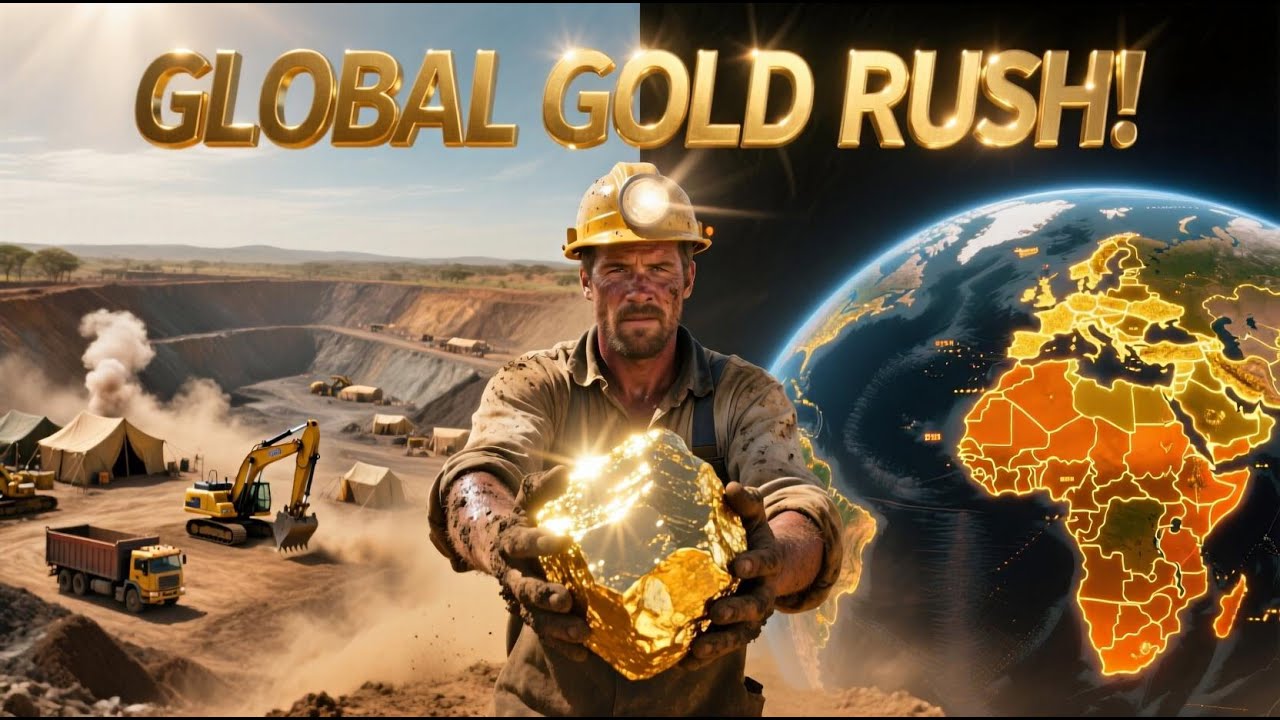
5. Efficiency, Automation & Continuous Monitoring
Perhaps more than any other mining sector, the gold mining industry is defined by the pursuit of ever-greater efficiency. Surging global demand, constrained resources, and rising operating costs make automation, remote monitoring, and process optimization indispensable.
Efficiency-Boosting Technologies
- 🤖 Automated Hauling Systems: Reduce fuel consumption and lower accident risk with driverless loaders and trucks.
- 📈 Smart Sensors & IoT: Monitor vibration, noise, and air quality, triggering real-time adjustments and minimizing downtime.
- 💻 AI Process Control: Dynamic, machine-learning algorithms optimize processing plants for yield and energy use.
- 📉 Maintenance Predictive Analytics: Early detection of machine fatigue reduces unscheduled stoppages and capital outlay for replacements.
- ⚡ Energy Optimization Platforms: Integrate renewable sources and demand response programs to cut energy bills while reducing carbon footprint.
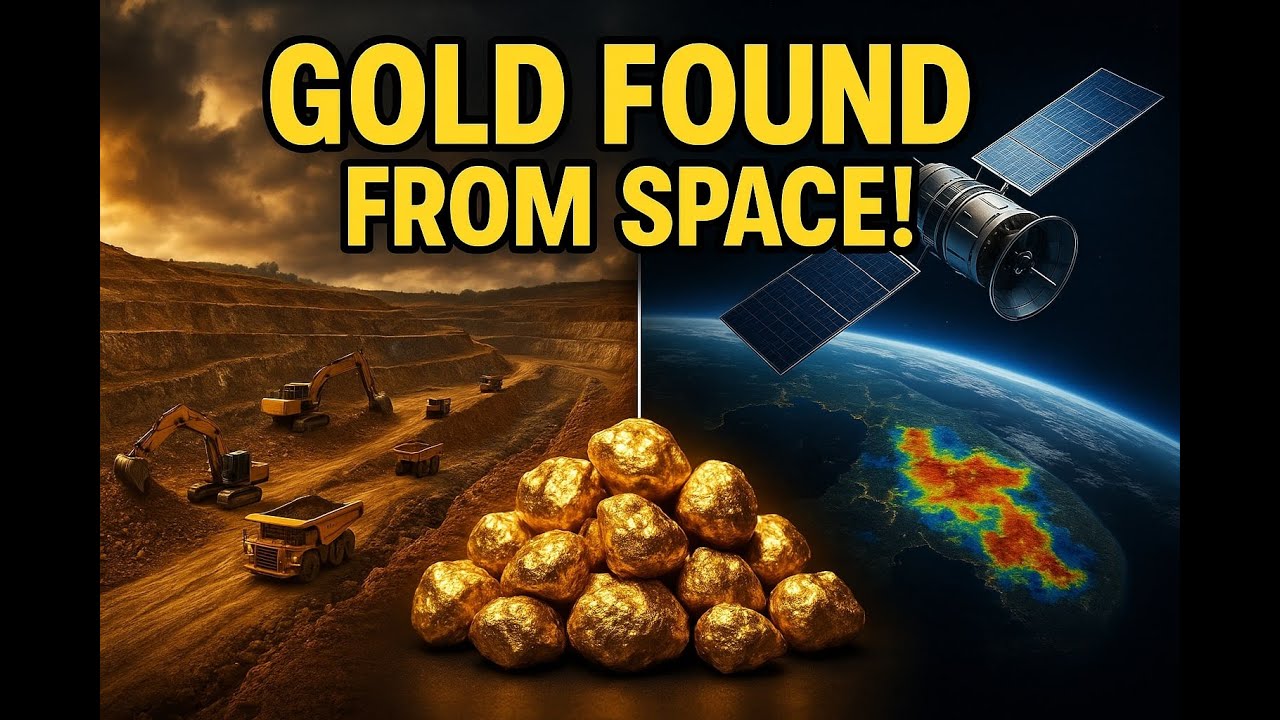
With innovations like satellite-based mineral detection, mining companies can further enhance upstream efficiency—narrowing exploration, reducing wasted drilling, and focusing capital on the highest-probability targets before field teams are even dispatched.
6. Regulatory Controls, Safe Closure, and Legacy Reclamation
After active gold mining operations wind down, focus turns to closure, reclamation, and sustainable after-use of mined landscapes. Increasingly stringent regulatory frameworks now require detailed plans for every stage, from active monitoring and risk management to final structural checks and handover to new land users.
Steps Toward a Responsible Closure
- Progressive Rehabilitation: Areas are reclaimed immediately after mining, not just at the end, leveraging topsoil management and rapid vegetation.
- Structural Safety Audits: Tailings impoundments, water dams, and landforms undergo final inspection to confirm integrity and safety.
- Water Monitoring: Groundwater and surface water are tracked to detect long-term impacts or changes in quality.
- Adaptive Land Use: Partnerships help convert reclaimed mine sites into community assets (forests, pastures, parks, or commercial spaces).
- Regulatory Reporting: Mining companies submit full documentation demonstrating regulatory compliance and remediation success.


7. Supply Chain Traceability & Navigating Market Volatility in the Gold Mining Industry
As global awareness of ethical sourcing grows, ensuring traceability and transparency across the supply chain has become non-negotiable for the industry of gold. This includes tracking the origin of gold, responsible refining, and anti-money laundering compliance, not only to satisfy regulations but to reassure increasingly vigilant consumers and investors.
Key Market & Economic Forces
- ✔ Blockchain-Based Tracking: Allows end-to-end documentation and independent verification of gold’s journey from mine to market, essential for conflict-free certifications.
- 📊 Transparent Reporting: Regular disclosure of environmental and social performance, operational data, and gold provenance boosts reputational value.
- ⚠ Price & Demand Volatility: Responsive mine planning and flexible processing capacity are required to navigate unpredictable gold prices.
- 📈 Recycled Gold: Emphasizing circular economy principles by integrating electronics-scrap gold recovery.
- 🧑💼 Quality & Grade Certification: Ensures end-users receive gold of expected purity and value.
Key Benefits & Visual Lists of Modern Gold Mining
🌍 Satellite-enabled Exploration
- 🛰️ Reducing field time and costs by up to 80%
- ➡️ Rapid prospectivity heatmaps guide precise ground work
- 🌱 Zero ground disturbance in early exploration phase
🔒 Environmental & Social Protection
- ♻️ Water recycling in all processing plants
- 🏞️ Reclamation plans for post-mining land use
- 💬 Community engagement ensures social license
- ✔ Advanced geology and structural analysis reduce exploration risk
- 📊 Real-time monitoring systems increase operational efficiency and minimize disruption
- ⚠ Good water management is vital for both sustainability and compliance
- 🔒 Empowered communities and robust social license decrease project delays
- 💡 Technological innovation delivers a decisive competitive edge in resource extraction
Frequently Asked Questions: Gold Mining Industry
What is the main focus of the gold mining industry?
The core purpose is extracting gold as a valuable commodity from mineralized ore bodies found beneath the earth’s surface. This supports global financial systems, jewelry, and industrial applications.
How has exploration evolved in recent years?
Modern techniques, particularly satellite-based mineral detection and AI-driven analysis, allow rapid, large-scale, and non-invasive exploration. This has reduced cost and environmental impact, and ensures more accurate drill targeting.
What are the biggest environmental concerns in gold mining?
Water management, tailings safety, habitat restoration, and sustainable land use are primary concerns. Gold mining companies must comply with strict environmental regulations and prioritize stewardship.
What is the role of automation and monitoring?
Automation reduces risks, improves hauling and processing efficiency, and allows real-time adjustment to production. Monitoring enables companies to track everything from worker health to structural stability and resource utilization.
How important is social engagement in today’s gold mine industry?
Absolutely critical. Social license—gained through transparent engagement with local communities, equitable benefit-sharing, and capacity-building—is as essential as technical or financial success.
How is Farmonaut supporting the industry of gold?
We at Farmonaut provide satellite-based mineral detection and advanced prospectivity mapping to enable faster, more sustainable, and cost-effective exploration, supporting responsible operations worldwide.
Where can I map my mining site or get a tailored quote?
Map Your Mining Site Here for instant, efficient mineral exploration intelligence, or Get a Custom Quote for your project.
Expert Videos: Gold Mining Industry in Action
Get Started with Modern Gold Mining Intelligence
- 🗺️ Map Your Mining Site Here – Use our acclaimed satellite-mineral detection platform for instant, reliable insights before drilling begins.
- 💼 Get a Custom Quote – Tailored recommendations to fit your region, target minerals, and business goals.
- 📞 Contact Us – Reach our experts for guidance on leveraging satellite-driven mineral intelligence.
- 🛰️ Satellite-Based Mineral Detection – Discover the future of non-invasive mineral exploration and decision support.
- 🗺️ 3D Mineral Prospectivity Mapping – Enhance your exploration with interactive, AI-powered subsurface visualization.
Conclusion: A Holistic Future for Gold Mining Industry
The gold mining industry sits at the intersection of geology, engineering, environmental stewardship, and social responsibility. From advanced exploration methods—including satellite-based detection—to efficient processing systems, strong environmental controls, and robust community engagement, the industry’s success and resilience depend upon holistic, forward-thinking management of resources, people, and natural capital.
As demand for gold persists in financial, industrial, and jewelry markets, modern tools and trends—from remote sensing and 3D modelling to digital traceability and circular economy practices—will continue to elevate the standards of the industry of gold. We at Farmonaut are proud to enable this transformation, offering rapid, globally-scalable, and environmentally responsible solutions at every step of your mining journey.
For the future of sustainable mining and investment, trust data-driven mineral intelligence—discover what lies beneath, responsibly.
Discussion
Questions, corrections or field experience? Share them below. First-time comments are reviewed before they appear, and your email is never published.
No comments yet. Be the first to add a question or your experience.

 GemSprout Metals Limited
 Qader Group
 Ileys General Trading
 SG Gold Mining LLC
 VRV Global Pte Ltd
 Omsri International FZE
 G.I.T.T.
 Jaunita Erss Ltd
 Almosi SARL
 SRK Consulting
 Berks Gold Limited
 Mwerezi Minerals Company Limited
 Mining SARL
 SenGold Invest SAS
 Sean Mining Limited
 NTS Group (Pty) Ltd
 Mine4Africa
 Lithspo Minerals Limited
