

- Introduction
- Agriculture in the Philippines: Trivia
- Why Digital Agriculture in the Philippines Matters
- Comparative Innovations Impact Table
- 7 Modern Innovations in Digital Agriculture
- Farmonaut: Affordable Satellite Intelligence for Digital Agriculture
- Policy, Capacity-Building & the Road Ahead
- FAQ: Digital Agriculture in the Philippines
- Conclusion
Digital Agriculture in the Philippines: 7 Modern Innovations
Agriculture in the Philippines sits at a transformative crossroads of tradition and innovation. As one of the key drivers of rural livelihoods and the backbone of national food security, the agriculture sector in the Philippines constantly evolves—leveraging technology to counter persistent challenges such as climate volatility, fragmented landholdings, postharvest losses, and limited access to capital. In this comprehensive guide, we explore how digital agriculture in the Philippines reshapes the sector, examining seven impactful innovations driving productivity, soil health, and sustainability across the farming, livestock, and fisheries landscape.
Key digital trends transforming the once traditional Philippine agriculture include data-driven decision-making, remote monitoring, precision agriculture techniques, blockchain-enabled traceability, and cloud-based advisory services. Farmers, cooperatives, and agribusinesses are rapidly adopting novel systems that deliver real-time insights and empower smallholder communities, ensuring the sector remains resilient and competitive in a rapidly changing world.
Why Digital Agriculture in the Philippines Matters
The journey of modern agriculture in the Philippines is both inspiring and challenging. Emerging technology in agriculture in the Philippines brings hope and tangible results, but it also requires thorough understanding, inclusive training, and robust policy support. Let’s examine the driving factors behind the rapid adoption of digital solutions in the sector.
- ✔ Boosted Productivity: Precision farming, data-driven input management, and real-time market intelligence help maximize yields and optimize resource use.
- ✔ Improved Soil Health: Sensors and diagnostics enable tailored treatments and promote sustainable soil practices, reducing the risk of depletion and degradation.
- ✔ Climate Resilience: Early warning systems, adaptive crop varieties, and smart irrigation offer protection against unpredictable weather patterns and pests.
- ✔ Enhanced Market Access: Digital platforms link smallholder farmers directly to buyers, slashing middlemen margins and securing fairer prices.
- ✔ Trackability & Sustainability: Blockchain and satellite monitoring assure traceability, reduce resource wastage, and build consumer confidence in agricultural products.
Comparative Innovations Impact Table
| Innovation Name | Description | Estimated Impact on Productivity |
Soil Health Improvement |
Sustainability Rating (1-5) |
Adoption Level in the Philippines |
|---|---|---|---|---|---|
| Remote Sensing & Satellite Monitoring | Use of satellite imagery for crop monitoring, soil diagnostics, and environmental impact tracking | 10–18% increase | +22% improvement (indexed) | 5 | Medium |
| Mobile Apps & Advisory Platforms | Apps providing weather forecasts, pest/disease alerts, and best practices to farmers | 8–14% increase | +17% (indexed) | 4 | High |
| Precision Agriculture & Smart Irrigation | Targeted application of water, fertilizers, and crop protection via sensors & data analytics | 12–22% increase | +30% (indexed) | 5 | Medium |
| Digital Marketplaces & Supply Chain Platforms | Online tools linking farmers to buyers, input suppliers, and logistics services | 7–12% increase | +11% (indexed) | 4 | High |
| Blockchain-Driven Product Traceability | Tracking agri-products & inputs across the chain for transparency and trust | 4–7% increase | +7% (indexed) | 5 | Low/Medium |
| Agroforestry & Smart Forestry Management | Integration of trees, crops, and sensors for diverse, resilient rural systems | 9–14% increase | +19% (indexed) | 5 | Medium |
| AI-Based Pest & Disease Early Warning Networks | Machine learning and remote data to deliver rapid alerts to farmers and extension workers | 11–18% increase | +24% (indexed) | 5 | Medium/High |
- 📊 Data insight: Real-time monitoring of crop conditions drives precise input use and minimizes losses.
- 📱 Accessibility: Even remote rural farmers receive tailored weather forecasts and disease alerts.
- 🌱 Sustainability: Smart irrigation, blockchain, and diagnostics cut waste and foster resource stewardship.
- 💸 Cost reduction: Streamlined input procurement and targeted treatments optimize spending across crops and livestock.
- 🔗 Market connectivity: Digital marketplaces raise bargaining power, enhancing access to buyers and processors.
Detects nutrient stress and water deficits quickly, letting farmers intervene before yields drop.
Reduces overuse of inputs by targeting only where and when required, saving resources
Enhances soil, biodiversity, and climate resilience for both forest and coastal farms
7 Modern Innovations Transforming Digital Agriculture in the Philippines
1. Remote Sensing & Satellite Monitoring in Philippine Agriculture
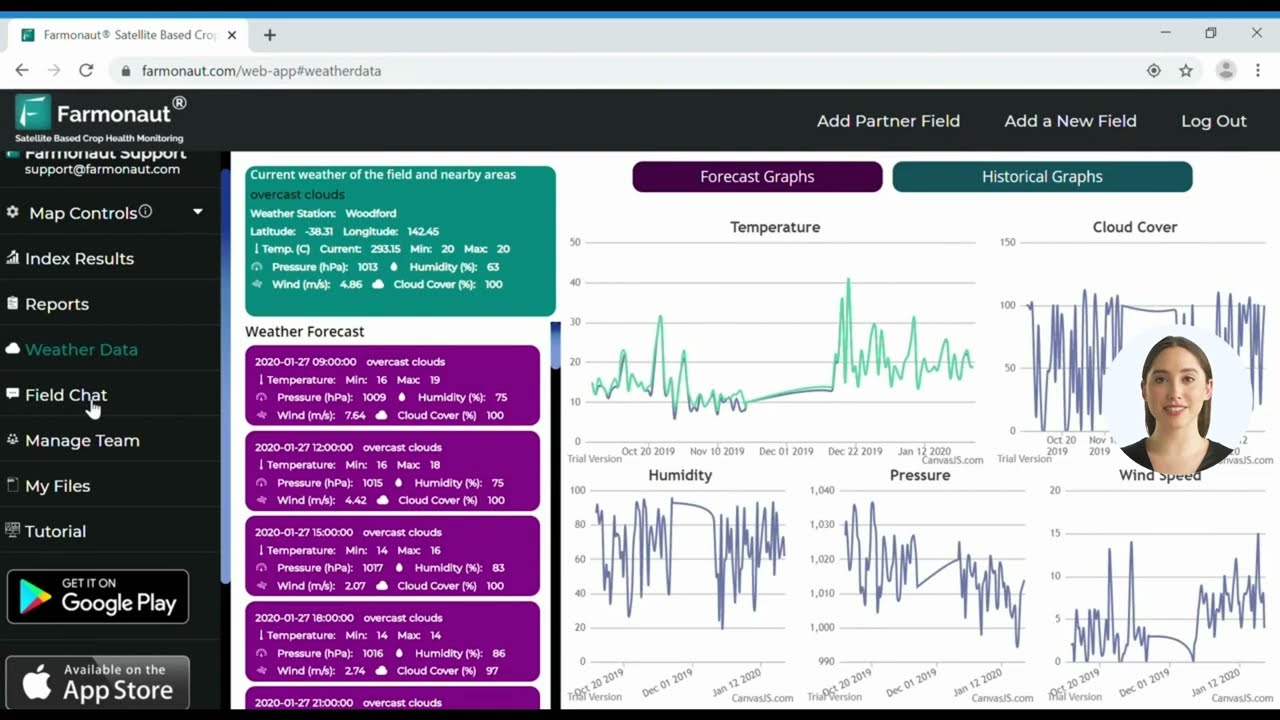
Remote sensing solutions—drawing from satellite imagery and drone mapping—are propelling technology in agriculture in the Philippines. By capturing field-level changes in vegetation, soil moisture, and possible crop disease outbreaks, these innovations empower farmers to make data-driven decisions.
- ✔ Vegetation health (NDVI) mapping highlights areas of nutrient deficiency or water stress.
- ✔ Soil condition monitoring enables diagnosis of salinity, compaction, and erosion risks.
- ✔ Early warning of pest infestations, disease symptoms, and environmental hazards through time-series satellite images.
- ✔ Cloud-based access allows visualization on any device (Android, iOS, browser apps).
By integrating multispectral images and sensor data, farms from the lowland rainforests of Mindanao to highland terraces in Cordillera can pinpoint precisely where intervention is needed, reducing input use and improving yields.

Investor Note
At Farmonaut, we focus on making such satellite-driven insights affordable and accessible for users across the globe, including the Philippines. Our satellite monitoring platform provides real-time field health data, helping with irrigation scheduling, disease detection, and sustainable management of natural resources for agriculture, forestry, and allied sectors.
Explore large-scale farm field monitoring on our Large Scale Farm Management product page.



2. Mobile Apps and Advisory Platforms: Closing Knowledge Gaps for Farmers
The proliferation of mobile apps and cloud-based advisory systems is revolutionizing digital agriculture in the Philippines. These platforms use real-time data and location intelligence to deliver:
- 📱 Weather forecasts tailored for specific barangays and microclimates
- 🔔 Pest and disease alerts based on regional monitoring networks
- 🏷️ Input recommendations for fertilizers, seeds, and sustainable chemicals
- 📝 Best-practice advisories for irrigation, crop rotation, and postharvest care
With over 7,000 islands, the Philippines’ farm landscapes are incredibly diverse. Advisory apps close the information gap faced by smallholder farmers in coastal farms, highland terraces, and lowland rice fields, making advice accessible in local languages and formats.
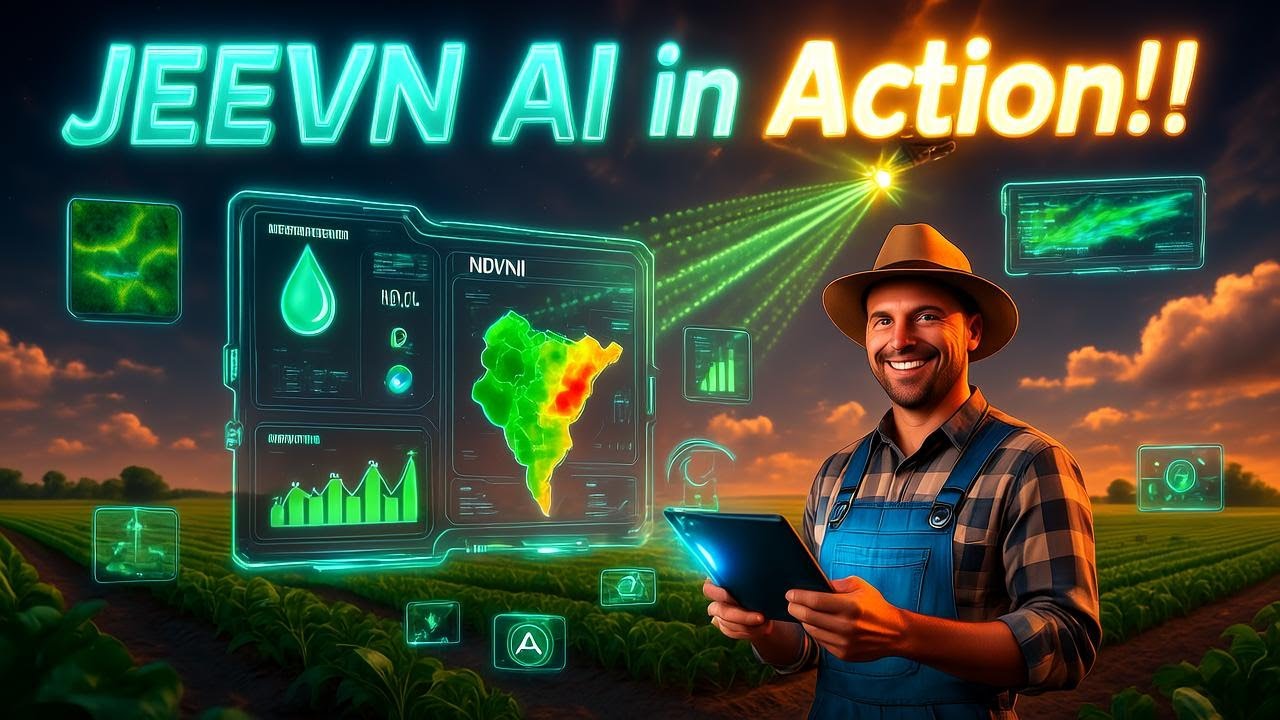
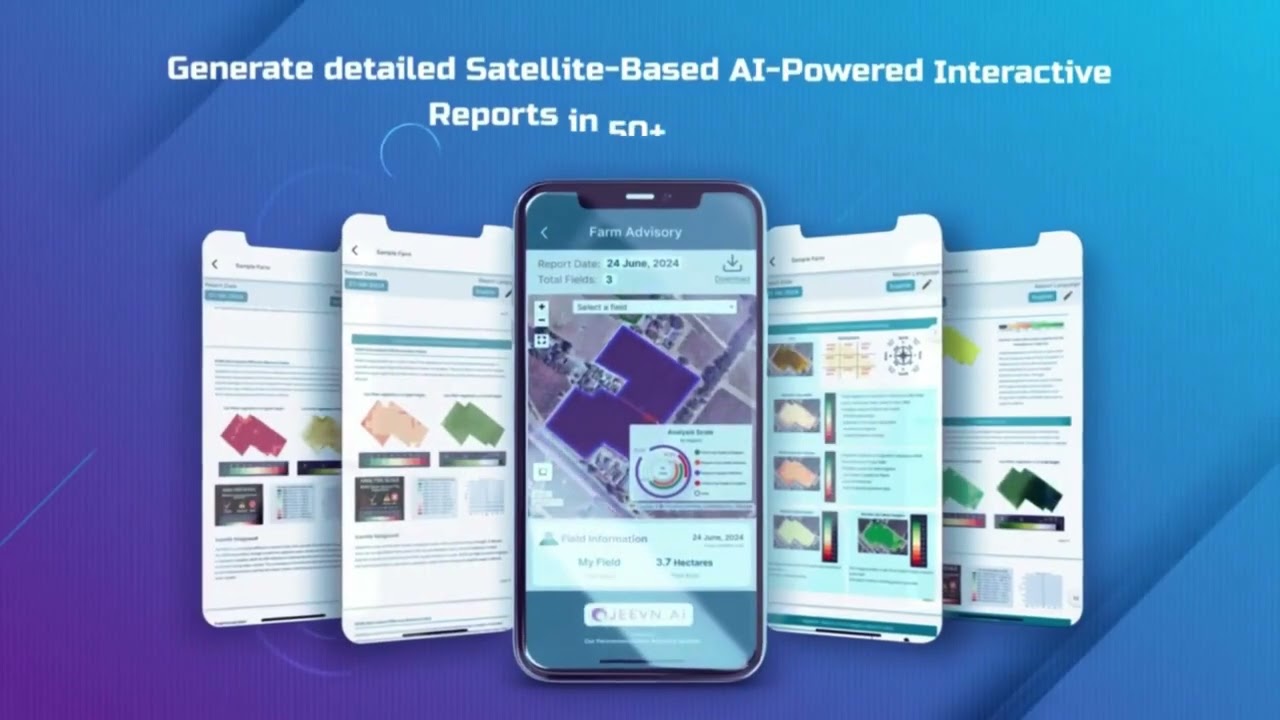
Our Jeevn AI advisory system harnesses AI and satellite data to provide real-time, actionable advice—from weather forecasts to tailored management strategies. Discover how this can modernize your operations at Crop, Plantation, and Forest Advisory service.
Enable farmers to respond immediately to severe weather or pest risks
Reflect true field conditions and climate at the barangay or farm level.
Deliver multimedia extension content on soil health, productivity, and sustainability.

3. Precision Agriculture & Smart Irrigation: Resource Efficiency and Optimal Yields
Precision agriculture embodies the science of “right dose, right place, right time.” In the context of agriculture in the Philippines, this includes:
- 💧 Smart irrigation systems that monitor real-time soil moisture and weather to avoid over/under-watering.
- 📊 Variable-rate application of fertilizers and crop protection, tailored via drones and lightweight sensor kits.
- 🌱 Soil health testing and foliar diagnostics for custom nutrition and pest treatment plans.
- 🚜 Mechanization and shared equipment models reducing labor constraints and boosting productivity.
Such innovations are increasingly attainable for both large estates and smallholders, from the irrigated rice belts of Luzon to upland vegetable clusters in Mindanao.
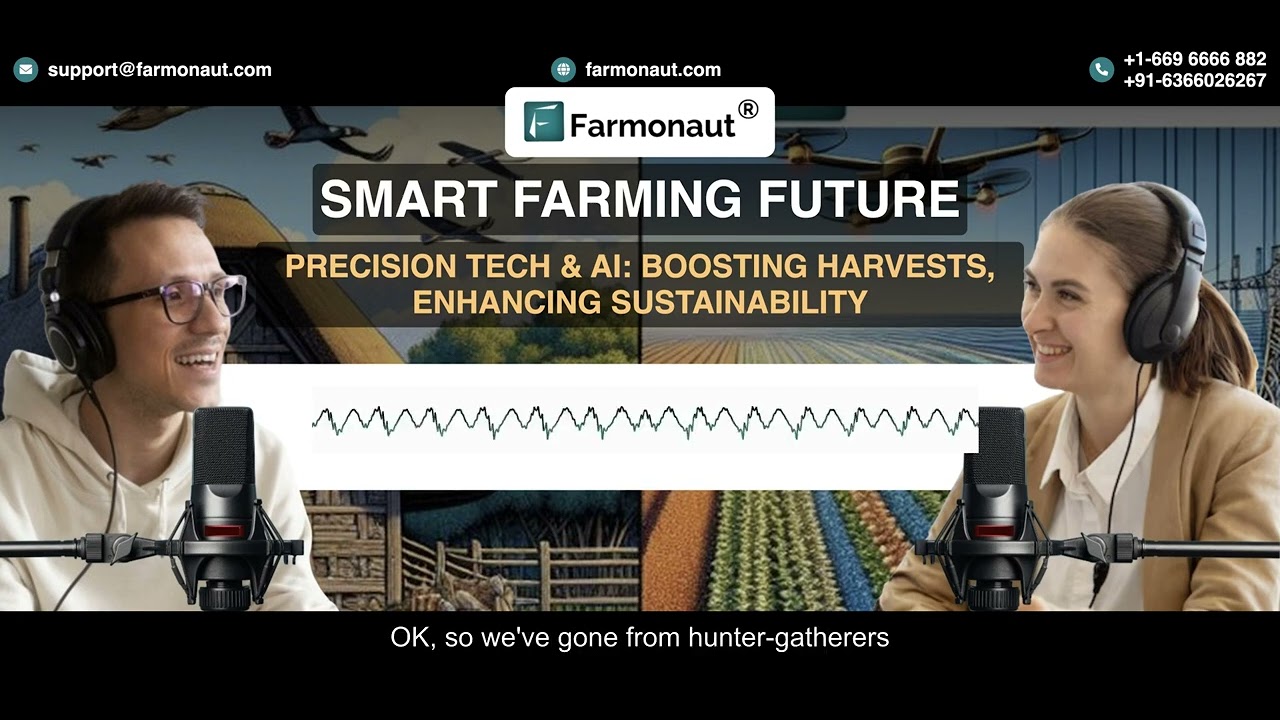
Optimizing input use with precision not only leads to healthier yields but also significantly reduces costs and environmental impact, ensuring long-term sustainability.
Learn about our Carbon Footprinting platform—a tool that lets you monitor and mitigate farm environmental impact for compliance and sustainability reporting.
4. Digital Marketplaces & Supply Chain Platforms: Linking Farmers to Markets
The agriculture sector in the Philippines loses 15-35% of output to postharvest spoilage, largely due to logistics hurdles and market inefficiencies. The solution? Digital platforms that:
- 📦 Host e-marketplaces for direct farmer-to-buyer transactions
- 📥 Facilitate input procurement from certified suppliers at competitive prices
- 🔗 Enable market linkages to processors, exporters, and restaurants
- 🚚 Optimize logistics with route mapping and cold chain tracking
By reducing the role—and margins—of traditional middlemen, these platforms empower farmers and cooperatives to secure fair prices and reduce postharvest losses, critical for boosting profits and resilience.
Our satellite-based Product Traceability platform enables alignment with international regulations, quality certifications, and consumer transparency—making Philippine products more competitive in global markets.
5. Blockchain-Driven Product Traceability: Ensuring Transparency & Compliance
Blockchain technology brings revolutionary transparency to agriculture in the Philippines. By allowing each step in the value chain—from seed sourcing to harvest processing, logistics, and retail—to be securely logged and tracked, the system delivers:
- ✔ Anti-fraud validation for organic and certified produce
- ✔ Documentation of compliance with international food safety and export standards
- ✔ Enabling insurance and finance through verifiable production records
- ✔ Consumer trust and premium price opportunities for traceable products
Blockchain is especially pertinent in high-value crops, livestock, fisheries, and timber products—contexts where assurance of origin, production practices, and sustainability are paramount.
Our blockchain-based traceability links seamlessly with digital advisory and monitoring platforms, providing multi-layered support to the Philippines’ uniquely diverse farming systems. Learn more about blockchain in agri-traceability.

6. Agroforestry & Smart Forestry Management: Resilient Watersheds and Livelihoods
Philippine agriculture is inextricably linked to its forests and watersheds. Agroforestry—the integration of trees with crops, livestock, and fisheries—delivers not just diversified produce and livelihoods, but also conservation of water, soil, and biodiversity. Digital innovations are accelerating this transformation by:
- 🌲 Combining remote sensing with field sensors for continuous forest monitoring
- 🧮 Mapping carbon stocks and ecosystem service value
- 🧩 Using blockchain for timber and non-timber product traceability
- 📲 Providing cloud-based protocols for sustainable harvesting, citizen monitoring, and disaster alerts
Such models anchor watershed health for cities and coastal villages alike—reducing floods, boosting aquifer recharge, and strengthening food security through integrated rural production systems.
Our environmental monitoring services—covering forest carbon, canopy health, and land use mapping—are detailed at Farmonaut Carbon Footprinting Solutions.
7. AI-Based Pest & Disease Early Warning Networks: Preventive Action at Scale
Pests and plant diseases threaten to wipe out 20–30% of crops in variable years, particularly in fragmented Filipino landholdings. Advanced machine learning, remote sensing, and digital platforms combine to deliver:
- 🦟 Real-time disease and pest alerts over SMS and mobile apps
- 🌿 Foliar and canopy diagnostics for pinpointing threatened zones
- 🌱 Data-driven input recommendations for pest and disease treatment
- ⏳ Predictive mapping to guide extension services and regional planning
AI-powered pest and disease networks are especially effective for vegetables, rice, coconut, sugarcane, and high-value export crops where early intervention can make the difference between profit and loss.
Whether for smallholder rice farms in Nueva Ecija or highland vegetables in Benguet, real-time advisories protect livelihoods and stabilize the national food supply.
Farmonaut: Affordable Satellite Intelligence for Digital Agriculture in the Philippines
As digital transformation accelerates in Philippine agriculture, satellite and AI-powered tools help bridge spatial and information gaps for farms of all sizes. At Farmonaut, we are committed to:
- ✔ Democratising satellite-based crop and soil monitoring for widespread, cost-effective access
- ✔ Delivering AI-driven weather and productivity advisories via mobile, API, and browser
- ✔ Innovating with blockchain traceability for premium, export-focused agricultural supply chains (Learn more)
- ✔ Offering tools for fleet and resource management (vehicles, equipment, routes) for cooperatives and agribusinesses (Fleet Management Features)
- ✔ Supporting financial inclusion through satellite-based insurance and loan verification for farmers and banks (Satellite Insurance Verification)
- ✔ Powering API-based integrations for agri-tech developers and businesses (Explore Farmonaut API / API Documentation)
Try our multi-platform app suite for desktop and mobile, supporting seamless digital agriculture workflows:
Policy, Capacity-Building and the Road Ahead for Modern Agriculture in the Philippines
A robust digital transformation of agriculture in the Philippines requires supportive policies, infrastructure investments, and inclusive extension services. Key ingredients of successful digital innovation include:
- 🖥️ Rural broadband expansion for reliable connectivity and cloud platform access
- 📶 Subsidized sensor technology for smallholder and cooperative affordable adoption
- 👩🌾 Farm extension and training modules in local languages & multimedia
- 🌍 Promotion of integrated, climate-smart models combining crops, livestock, and forestry with satellite and AI tools
- 💼 Financial technology innovation for microloans, crop insurance, and investment in infrastructure and mechanization
- ⚠️ Inclusive design to ensure tools reach marginalized groups and women farmers
- 📜 Standardization & certification to unlock international markets and provide consumer confidence
Risks remain in energy access, data privacy, and ongoing tool maintenance support—areas where continuous improvement and investment will be essential to sustaining agriculture sector modernization.
FAQ: Digital Agriculture in the Philippines
What is digital agriculture, and how is it implemented in the Philippines?
Digital agriculture uses data-driven tools (satellite imagery, mobile apps, precision sensors) to optimize farming practices, from field preparation to postharvest management. In the Philippines, it’s increasingly implemented through weather apps, AI-advisories, remote monitoring, digital marketplaces, and blockchain traceability solutions.
Why is technology adoption in agriculture in the Philippines important?
It increases productivity, improves soil and water management, reduces postharvest losses, and enhances farmers’ market power, while making agriculture more resilient to climate and economic shocks.
What crops or farming systems benefit the most?
Rice, corn, vegetables, coconut, high-value fruits, and aquaculture operations all benefit—especially when practices are adapted for the local ecosystem (coastal, highland, or lowland areas).
How do blockchain and traceability help?
They improve supply chain transparency, reduce fraud, enable access to premium markets, and facilitate insurance/finance by establishing credible records.
How can a farmer or co-op in the Philippines get started with digital agriculture?
Begin with affordable services like weather/pest alert apps, or satellite crop monitoring platforms such as those provided by Farmonaut. Education, government extension, and co-op organizations can ease the transition.
Conclusion: A Digital Leap Forward for Philippine Agriculture
Modern agriculture in the Philippines is defined by the fusion of centuries-old wisdom and cutting-edge digital innovation. With mobile apps, remote sensing, precision management systems, AI advisories, and blockchain-enabled transparency, the sector is primed to realize a resilient, productive, and sustainable future.
As digital agriculture in the Philippines expands across crops, livestock, and integrated food systems, the most successful approaches will be those that are inclusive, accessible, and responsive to the diverse realities of Filipino farmers. When combined with supportive policy, investment, and professional training, digital technology will continue to elevate livelihoods, improve soil health, ensure food security, and align with global sustainability goals.
We at Farmonaut are proud to support the digital transition with a robust suite of satellite, AI, and blockchain-powered platforms and apps, making world-class data insight and farm intelligence affordable for all.
Eager to modernize your farm or agri-business?
Click below to use the Farmonaut App or get detailed satellite and AI advisory; available on Web, Android, and iOS!
Discussion
Questions, corrections or field experience? Share them below. First-time comments are reviewed before they appear, and your email is never published.
No comments yet. Be the first to add a question or your experience.

 Insignito
 Croptimum
 Dalmia Bharat Sugar
 DnCubed
 Pistachio ST
 Field Capacity
 Indosistim Teknologi
 Liquify Digital
 CU Foods
 BeyondTech Global
 Rouge VC
 AgroGreen Dynamics
 AgroRisk
 Oath Inc
 Reddane Farming
 Esri North East Africa
 Cresol
 MDCV UK
 Etech Consulting Madagascar
 Licence holder · Niger · Gold










