

Highest Sugarcane Producing State in India 2024: Production, State-wise Trends, and Industry Insights
“Uttar Pradesh leads India in sugarcane production, contributing over 45% of the nation’s total output in 2024.”
Sugarcane in India: An Overview
Sugarcane is a pivotal crop in the Indian agricultural landscape, serving as the primary raw material for sugar, and various byproducts like jaggery and ethanol. Across vast swathes of the subcontinent, sugarcane cultivation is predominantly concentrated in certain states, with Uttar Pradesh and Maharashtra consistently at the forefront.
From household sweeteners and traditional snacks to green fuels and industrial goods, sugarcane products underpin both the economy and everyday life in India. As of the fiscal year 2024, the country remains among the world’s top sugarcane producers, accounting for a significant portion of global output at over 400 million metric tons annually.
In this data-packed blog, we will thoroughly assess sugarcane production in India, taking a deep dive into the leading states, with special focus on Uttar Pradesh sugarcane yields, the Maharashtra sugar industry, factors affecting sugarcane cultivation, policy impact, and the latest industry trends in 2024.
State-wise Sugarcane Production in India 2024
Sugarcane cultivation is primarily concentrated in northern and southern states such as Uttar Pradesh, Maharashtra, Karnataka, and Tamil Nadu. Each state features distinct climate conditions for sugarcane and agricultural policies, which influence overall production patterns.
- Uttar Pradesh: The nation’s largest producer of sugarcane – continues to hold the top position in 2024.
- Maharashtra: Ranks second in production, with output primarily concentrated in Pune, Satara, Solapur, Ahmednagar, and Aurangabad regions.
- Karnataka: Consistent yet facing adverse weather in recent years.
- Tamil Nadu: Traditional sugarcane state with evolving output trends.


According to recent statista.com statistics, in fiscal year 2024:
- Uttar Pradesh produced over 215 million metric tons of sugarcane, accounting for nearly half of India’s total output.
- Maharashtra recorded over 112 million metric tons, despite struggles with weather and rainfall variability.
- Karnataka saw lower-than-average yields due to adverse weather conditions.
Uttar Pradesh: The Leading Sugarcane Producer
Uttar Pradesh has unwaveringly held the position as the largest sugarcane-producing state in India for several consecutive years. With a staggering output of more than 215 million metric tons in 2024, the state accounts for a substantial portion of India’s sugarcane production. Its dominance is underpinned by a blend of fertile alluvial soils, consistent irrigation, high rainfall coverage, and government support.
- Key Growing Regions: Western, Central, and Eastern Uttar Pradesh—famous for their dense network of irrigation infrastructure.
- Primary Benefits: Higher yields, reliable water supply, and favorable policies.
- Yields: Uttar Pradesh sugarcane yields are among the nation’s highest, consistently outperforming most other states.
The state’s sugarcane fields not only feed more than 100 sugar mills but also drive significant rural employment and economic activity, solidifying Uttar Pradesh’s reputation as a primary hub of the sugar industry.
Maharashtra: A Close Contender in Sugarcane Output
Maharashtra has emerged as a resilient contender, ranked second among sugarcane-producing states. In fiscal year 2024, Maharashtra produced more than 112 million metric tons of sugarcane, equivalent to roughly 20% of India’s total sugarcane output.
- Prominent Sugarcane Regions: Pune, Satara, Solapur, Ahmednagar, and Aurangabad are the primary regions where cultivation is concentrated.
- Industry Challenges: Maharashtra frequently faces weather challenges such as repeated droughts and uneven rainfall, impacting yields and resulting in significant year-on-year variability.
- Maharashtra Sugar Industry: Noted for its cooperative mill system and innovation in byproduct diversification such as ethanol production.
“Maharashtra ranks second, producing approximately 20% of India’s sugarcane, despite facing recurring drought challenges in recent years.”
Major Factors Affecting Sugarcane Cultivation and Yields in India
Several factors contribute to the high sugarcane yields witnessed in both Uttar Pradesh and Maharashtra. Understanding these core growth drivers is crucial for grasping the nuances of sugarcane production in India.
1. Climate Conditions for Sugarcane
- Sugarcane thrives in warm, humid climates with temperatures between 21°C and 27°C and annual rainfall of 75–150 cm.
- Extreme weather, such as recurrent droughts or excessive rainfall, can adversely impact yields.
2. Soil Quality & Fertility
- Fertile alluvial soils in Uttar Pradesh and black cotton soils in Maharashtra offer an ideal environment for sugarcane root development and nutrient absorption.
3. Irrigation Infrastructure & Water Management
- Extensive irrigation systems ensure a consistent water supply — a decisive factor, especially during dry spells or periods of rainfall variability.
- Irrigation rate for sugarcane is approximately 95.98% in Uttar Pradesh and an impressive 100% coverage in Maharashtra.
4. Government Policies and SAP
- Supportive government policies and State Advisory Prices (SAP) incentivize farmers to increase acreage and enhance yields.
- Uttar Pradesh, for instance, consistently offers higher SAP compared to other states.
5. Crop Management Practices
- Adoption of improved varieties, modern farming inputs, and timely pest/disease management all help optimize yields and reduce losses.
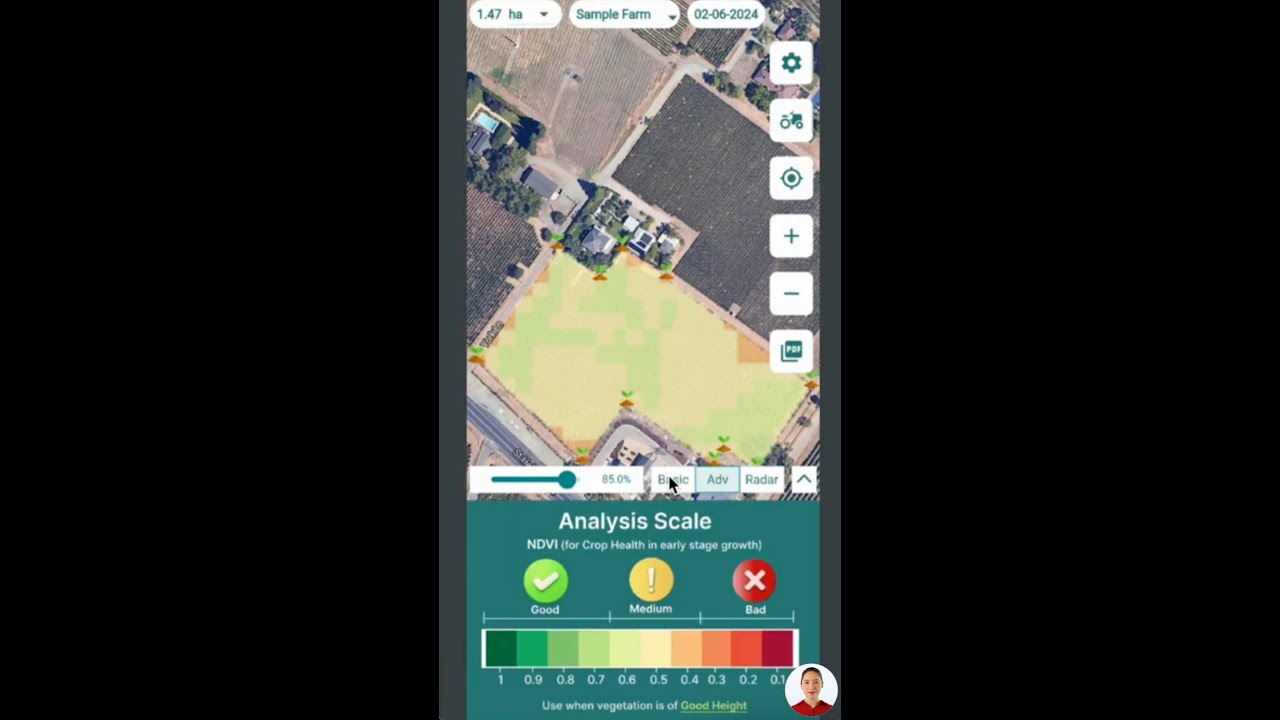
For real-time monitoring of vegetation health, soil moisture, and pest outbreaks in sugarcane fields, consider Farmonaut’s Large-Scale Farm Management platform. It leverages satellite imagery and AI for actionable crop insights, helping both small and large estates maximize production efficiency.

Irrigation in Sugarcane Farming: Critical State-wise Insights
Irrigation in sugarcane farming is vital due to the crop’s high water demand, long growing cycle, and susceptibility to rainfall fluctuations. The leading states employ sophisticated systems—ensuring resilience even in adverse weather conditions.
- Uttar Pradesh: Widespread network of canals, tubewells, and pumps — the state boasts a 95.98% irrigation rate for its sugarcane crop.
- Maharashtra: Achieved 100% irrigation coverage in most sugarcane zones via drip and surface irrigation; this insulates farmers against erratic monsoons and droughts.
Read the API Developer Docs for easy integration and advanced use cases.

Government Policies on Sugarcane: SAP and Support Mechanisms
Government policies on sugarcane significantly impact the industry’s structure, stability, and profitability.
- State Advisory Prices (SAP): The SAP is the minimum price that processing factories must pay to farmers for their sugarcane crop. Uttar Pradesh is renowned for offering higher SAP than other major states, increasing the attractiveness of sugarcane cultivation and contributing to output growth.
- Subsidies & Schemes: Government initiatives support technology adoption, input supply, and farmer training sessions to boost productivity.
- Land and Water Management Incentives: Programs structure incentives for optimal irrigation infrastructure development and disease prevention.
The net benefit: Increased acreage under sugarcane cultivation, especially visible in northern states like Uttar Pradesh, as revealed by recent trends and official reports.
To ensure transparent and secure traceability in the sugar supply chain, Farmonaut’s Blockchain Traceability solution can help agribusinesses verify product origin, reduce fraud, and build consumer trust.
Challenges in Sugarcane Production & Recent Industry Trends (2024)
Despite the dominance of Uttar Pradesh and Maharashtra in sugarcane production in India, both states are grappling with evolving challenges and shifting production patterns:
Key Challenges in 2024
-
Weather Variability:
– Adverse weather, including droughts and excessive rainfall, has notably impacted outputs.
– In 2024, both Maharashtra and Karnataka experienced a fall in output due to reduced rainfall patterns. -
Disease Management:
– The red rot fungal disease has adversely affected crops, especially in Uttar Pradesh, causing a marked decline in yields. -
Shifting Production Patterns:
– Recent studies show a shift of production from southern to northern states (output value in UP up by 42%, while it has fallen in southern states by 32.4%).
– Better irrigation infrastructure and SAP have driven the shift northward.
Recent Developments & Industry Trends
- Supply vs. Demand: Recent trade body reports indicate that Indian sugar output is expected to fall below domestic consumption in the coming year.
- Export Potential Impact: According to Reuters, weather woes will crush export hopes as 2024 sees production continue to feel pressure from erratic rainfall.
- Year-on-Year Output Decline: Reports confirm a near 15.5% drop in output compared to the previous year due to falling cane yields.
How Precision Agriculture Solutions like Farmonaut Support Indian Sugarcane Production
As India’s sugarcane sector faces challenges such as weather variability, disease management, and the need for sustainable resource management, digital platforms and AI-driven technologies are emerging as crucial tools for farmers and agribusinesses.
Farmonaut’s Data-driven Agriculture Platform: Key Offerings
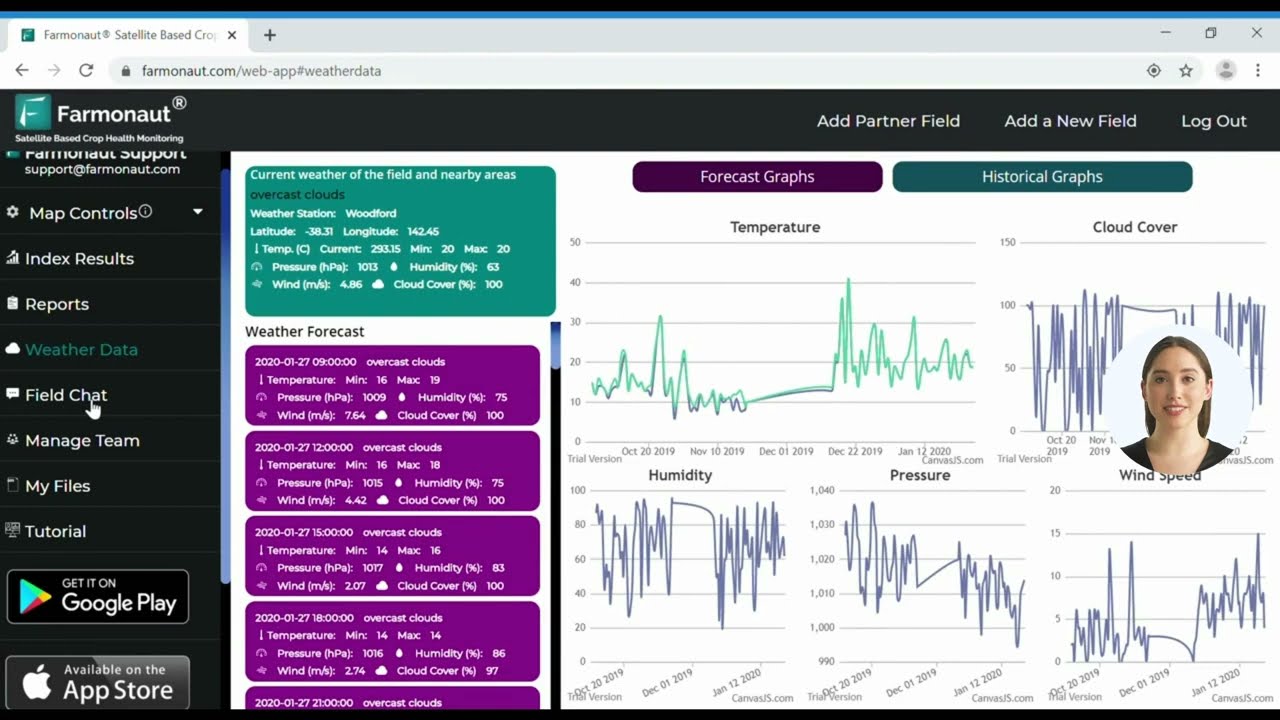
- Satellite-based Crop Health Monitoring: Real-time NDVI and moisture analytics let farmers detect stress, optimize input use, and respond quickly to yield threats.
- AI-based Jeevn Advisory: Personalized farm recommendations (crop health, weather forecasts, and pest management) via mobile, web, and API integration.
- Blockchain Traceability: Authenticates every step of the crop journey to the buyer, boosting transparency and trust.
- Fleet Management & Resource Optimization: Monitor logistics and farm machinery to reduce wastage, cut costs, and boost operational safety. Learn about Farmonaut’s Fleet Management Tools.
- Carbon Footprinting: Sugarcane operations can now measure and reduce their environmental impact with Farmonaut’s Carbon Footprinting Service, helping estate managers and agri-corporates achieve sustainability goals.
Our solutions are available for farmers, agribusinesses, and governments directly through user-friendly Android/iOS apps, on the web, and via APIs for enterprise-scale automation.



Need satellite weather and farm data directly in your system? Start using the Farmonaut API for developers — perfect for agtech startups, large plantations, or research bodies.
State-wise Sugarcane Production Comparison Table (2024 Estimated)
| State Name | Estimated Sugarcane Production (Million Tonnes, 2024) | % Share of National Production | Major Growing Regions | Key Climate Factors | 2024 Major Challenges/Trends |
|---|---|---|---|---|---|
| Uttar Pradesh | 215+ | ~45% | Western, Central, Eastern UP | Alluvial soils; high irrigation; moderate, humid climate | Disease outbreaks (red rot), price/policy volatility |
| Maharashtra | 112+ | ~20% | Pune, Satara, Solapur, Ahmednagar, Aurangabad | Black cotton soil, high temp, drought-prone; full irrigation | Drought risk, monsoon variability; export restrictions |
| Karnataka | ~35 | ~8% | Belgaum, Mandya, Bagalkot, Dharwad | Mixed soils, variable irrigation; erratic rainfall | Significant fall due to poor monsoon |
| Tamil Nadu | ~29 | ~6% | Coimbatore, Erode, Vellore, Tiruchirappalli | Red loam & black soils; moderate irrigation | Shift toward other crops, water scarcity |
This table highlights the unique strengths, climate characteristics, and immediate industry challenges for each of India’s leading sugarcane-producing states in 2024.
FAQs: Sugarcane Production in India 2024
-
Q: Which state produced the most sugarcane in India in 2024?
A: Uttar Pradesh is the highest sugarcane producing state in India, with over 215 million metric tons in 2024. -
Q: What are the main factors influencing sugarcane yields in India?
A: Climate conditions (temperature, rainfall), soil quality, irrigation infrastructure, government policies (such as SAP), and farm management practices all contribute significantly. -
Q: What is SAP, and why does it matter for farmers?
A: SAP stands for State Advisory Price, the minimum price mills must pay farmers for cane. Higher SAPs, especially in northern states, motivate farmers to grow more sugarcane. -
Q: How does weather impact sugarcane production in 2024?
A: Adverse weather such as droughts and excessive rainfall have caused significant reductions in sugarcane yields in Maharashtra and Karnataka, as demonstrated by the fall in output this year. -
Q: What are the greatest challenges in current sugarcane production?
A: Disease management (e.g., red rot), weather variability, changing trade dynamics, and policy fluctuations remain top concerns for state producers. -
Q: How do digital tools like Farmonaut help the sugarcane industry?
A: Farmonaut provides satellite-based crop health monitoring, AI-powered advice, weather pattern analysis, and blockchain-based product traceability to help farmers increase yields, reduce risk, and boost supply chain transparency. -
Q: Which states saw a shift in production and why?
A: There is a clear shift in sugarcane output from southern states like Karnataka to northern states like Uttar Pradesh, mainly driven by superior irrigation and higher SAP.
Conclusion: Outlook for Sugarcane Production in India 2024
Sugarcane production in India remains one of the most significant agricultural drivers, supporting millions of livelihoods, powering rural economies, and sustaining industrial growth through sugar and an expanding list of byproducts like ethanol.
Uttar Pradesh retains its position as the largest producer, thanks to its robust irrigation infrastructure, productive soils, and farmer-friendly policies. Maharashtra, while remaining a close contender and innovation leader, faces ongoing weather challenges and must continuously adapt its crop management strategies.
Industry trends in 2024 suggest a need for sustained investment in irrigation, disease control, and digitalization — areas where modern farm management platforms like Farmonaut can make a measurable impact. Leveraging multispectral satellite data, real-time weather analytics, and AI-driven insight tools, we empower farmers to adapt to changing climate conditions and market realities, ensuring India’s sugarcane industry remains globally competitive.
Whether you are a farmer seeking yield improvement, a policymaker exploring sustainable expansion, or an agribusiness leader pursuing traceable supply chains, the future of sugarcane production in India will be shaped by technology, resilience, and data-driven decision-making.


