

Larix kaempferi: Essential Sustainable Timber Trends 2026
“Larix kaempferi plantations can capture up to 15 tons of CO₂ per hectare annually, supporting climate resilience.”
Introduction
Larix kaempferi—most commonly known as Japanese larch—is rapidly becoming a cornerstone species for sustainable forestry in 2026 and beyond. This deciduous conifer, native to Japan yet now cultivated worldwide, exhibits a unique combination of vigorous growth, broad adaptability, and ecological value. As global timber and construction industries pivot toward more sustainable practices, the role of larix kaempferi in addressing challenges related to climate change, forest management, reforestation programs, and carbon sequestration is more significant than ever.
Within dynamic temperate forests across Europe, Asia, and North America, Japanese larch continues to make a pivotal impact, not only as a primary source of timber but also as a vital species enhancing biodiversity, soil health, and climate resilience.



Botanical & Ecological Characteristics of Larix kaempferi
Larix kaempferi is an exceptionally adaptable tree. Unlike most conifers, this species is deciduous, meaning it sheds its needles each autumn—a feature that directly contributes to unique ecological dynamics in the forests where it thrives.
- 🌲 Height: 20–40 meters at maturity, making it suitable for both commercial plantations and reforestation programs.
- 📈 Growth: Fast, with the capacity to outpace many native tree species in cool, moist climates, especially in mountainous terrain.
- 🪴 Soil Preferences: Well-drained soils; capable of thriving where other species may struggle, due to its vigour and annual needle drop—an important process for enriching soil organic matter.
- 🍂 Adaptability: Its annual cycle improves soil conditions, supports biodiversity, and helps maintain forest floor health.
- 🌐 Success Worldwide: Japanese larch is now successfully introduced well beyond its native range, especially across Europe, North America, and temperate parts of Asia.
Larix kaempferi Forestry Trends 2026: Expanding Importance in Sustainable Timber
As we move into 2026, larix kaempferi is pivotal for meeting escalating demands for sustainable timber production in temperate forest management. Its value rests in a blend of fast growth, economic returns, and its alignment with advanced forestry practices designed to withstand the impacts of climate change, soil degradation, and pest outbreaks.
“By 2026, Larix kaempferi is projected to supply over 10% of sustainable timber in temperate regions.”
- 🌍 Widespread cultivation—particularly in Europe and Asia—positions Japanese larch as a vitally sustainable source of softwood timber for the coming decade.
- 🏗️ Increasing demand for wood in green construction, including CLT (Cross Laminated Timber).
- 🌱 Reforestation and ecological restoration programs favor larch in mountainous and rural regions, especially where other conifers struggle due to adverse soil or climate conditions.

When evaluating forest management programs for sustainability ratings, look for the inclusion of Larix kaempferi in multi-species plantations. This signals a high commitment to biodiversity and ecological recovery, addressing both economic and environmental goals.
Comparative Sustainability Benefits Table: Larix kaempferi vs Other Timber Species
| Timber Species | Estimated Growth Rate (years to maturity) | Estimated Carbon Sequestration (tons/ha/year) | Durability (years) | Ecological Impact | Current Market Demand |
|---|---|---|---|---|---|
| Larix kaempferi | 20–30 | 12–15 | 50–80 | High (improves soil, promotes biodiversity) | High (rising for green construction and restoration) |
| Pinus sylvestris (Scots pine) | 30–40 | 8–10 | 40–70 | Medium (common monocultures) | High |
| Picea abies (Norway spruce) | 30–60 | 9–11 | 30–60 | Medium (monocultures, lower biodiversity) | High (especially in Europe) |
| Quercus robur (English oak) | 70–120 | 6–8 | 80–150 | High (native biodiversity, slow growth) | Medium |
Role in Sustainable Forestry Management
Larix kaempferi demonstrates a winning combination of fast growth, durability, and adaptability—qualities essential for modern sustainable forestry management in 2026 and beyond.
Forest managers in Europe, Asia, and North America are increasingly favoring the Japanese larch for several vital reasons:
- ✔ Shorter rotation periods: Rapid maturity (20–30 years) enables more frequent harvests without compromising forest health.
- ✔ Ecological compatibility: Larix kaempferi shows excellent compatibility with mixed-species plantations, reducing disease and pest risks common in monocultures, and promoting biodiversity.
- ✔ Soil improvement: The annual needle drop enriches forest floor organic matter, aiding long-term soil restoration.
- ✔ Climate flexibility: Thrives in mountainous terrain, rural regions, and under challenging environments where other conifers may fail.
- ✔ Economic significance: Vital in reforestation programs addressing both economic returns and sustainability goals.

5 Key Benefits of Larix kaempferi for Forest Management
- 🌱 High carbon capture capacity supports climate change mitigation initiatives.
- 💡 Strength and resistance to rot—ideal for utility poles, flooring, and furniture manufacturing.
- 📊 Compatibility with sustainable timber standards worldwide.
- ⚡ Rapid growth provides continuous supply for commercial timber products.
- 🌄 Suitable for restoration of soil-degraded and pest-affected areas.

Larix kaempferi’s Sustainability Edge
- 🌳 Fast Growth: Outpaces many native conifers, supporting rapid timber supply.
- ♻️ Soil Rebuilder: Needle drop each autumn rejuvenates soil organic matter.
- 🌿 Ecological Impact: Enhances biodiversity and forest health when planted in mixed stands.
- 🏞️ Versatile Terrain: Thrives in challenging, mountainous regions.
- 🔥 Climate Resilience: Demonstrates remarkable adaptability to shifting climates.
Timber Production & Economic Significance
The significance of larix kaempferi in timber production is due to its exceptional strength, durability, and broad utility across various related industries. Japanese larch wood is highly valued for its:
- 🪓 Resistance to rot: Ideal for outdoor construction, railway sleepers, and utility poles.
- 🪵 Workability and finishing: Sought after for flooring and furniture manufacturing.
- 🏡 Construction industry: Extensively used in engineered timber products (such as CLT), which offer a sustainable alternative to steel and concrete for modern infrastructure.
The economic importance of larix kaempferi plantations extends to rural regions in Europe and parts of Asia, where timber production and processing drive local employment and sustainable development. By 2026, Japanese larch is projected to comprise over 10% of sustainable timber supply in temperate regions—a testament to its growing market dominance.
Our advanced satellite-driven forest monitoring at Farmonaut empowers timber producers, foresters, and government managers to track growth trends, monitor health, and conduct carbon audits in Japanese larch plantations—ensuring both higher yields and alignment with modern sustainability standards.
Learn more about our carbon footprinting solutions for forestry and timber industries.

Ecological Importance & Climate Resilience of Japanese Larch
As the impacts of climate change intensify, the need for forest species capable of enhancing ecosystem resilience has never been greater. Larix kaempferi is recognized for its:
- 🌎 Ecological impact: Promotes forest diversity and improves soil health by enriching organic matter through its seasonal needle drop.
- ⚡ Adaptability: Withstands pests and disease outbreaks more effectively in mixed-species plantations, reducing the need for chemical controls.
- 🌩️ Climate resilience: Suitable for mountainous and challenging environments where other species may struggle due to shifting climates, drought, or soil degradation.
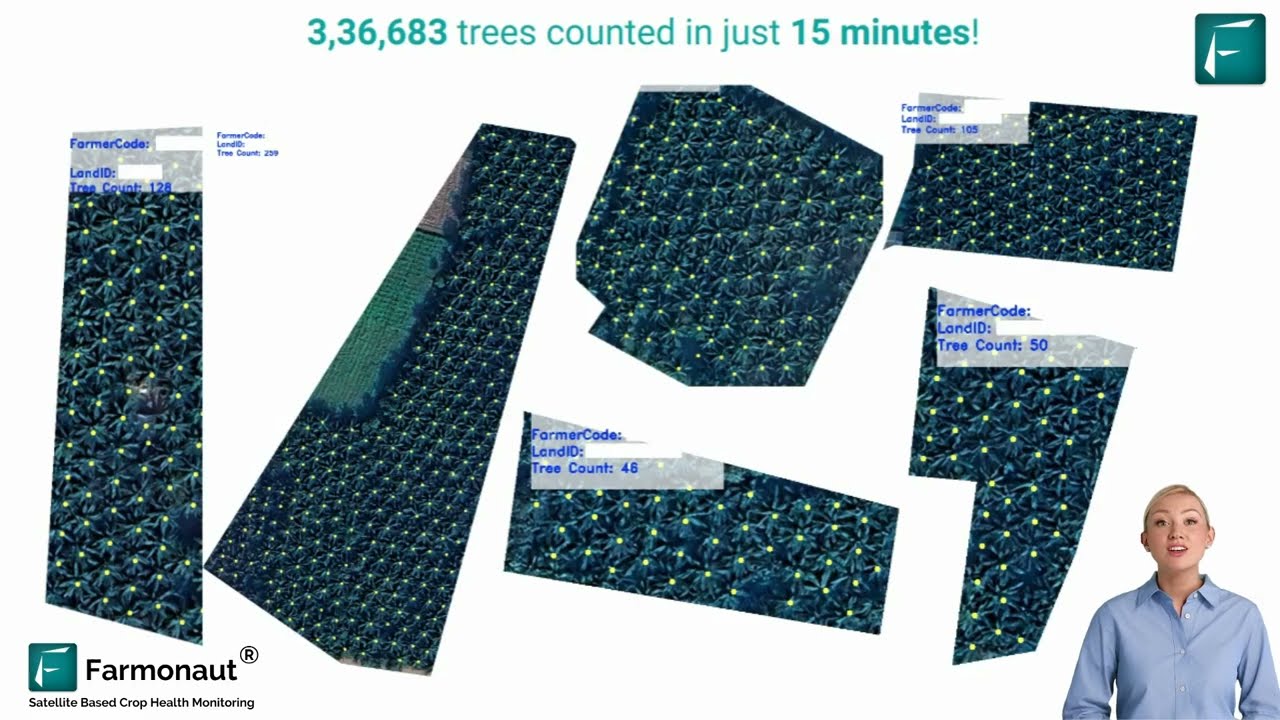
How Japanese Larch Enhances Forest Ecosystems
- 🌳 Improves biodiversity in mixed stands.
- 🍂 Boosts organic matter in forest floors.
- 🌬️ Helps regulate microclimates and water cycles.
- ⏳ Accelerates forest recovery after disturbances.
- 🦋 Supports wildlife by providing diverse habitats.
Forest Restoration & Reforestation Programs
In 2026 and beyond, larix kaempferi plays an essential role in large-scale restoration and reforestation programs worldwide:
- 🌱 Restoration of degraded sites: Fast growth and adaptability facilitate quick soil recovery and forest regrowth in mountainous and temperate regions across Europe and Asia.
- 🌏 Biodiversity corridors: Inclusion in mixed plantings enhances forest resilience and supports regional wildlife in both rural and protected areas.
- 🛡️ Buffer against climate risks: Offers protection for vulnerable land and provides a sustainable timber source after disasters such as storms or pest outbreaks.
Forestry funds and rural development agencies increasingly channel investments into larix kaempferi due to its proven track record in restoration and timber programs that meet both economic and climate objectives.
Infrastructure & Carbon Sequestration: The Twin Pillars for 2026
The utility of Japanese larch wood in modern infrastructure is broad and increasingly impactful. Larix kaempferi underpins advances in green building and plays a critical role in carbon sequestration strategies:

- 🌲 Engineered timber products: Lightweight, strong, and durable wood of Japanese larch is essential for mass timber construction (CLT, glulam), replacing high-emission materials like concrete and steel.
- 🔗 Utility in infrastructure: Used for poles, bridges, sleepers, and outdoor frameworks, especially in rural and mountainous regions—ensuring low maintenance and higher operational lifespan.
- ⚖️ Carbon sequestration—science meets action: With the ability to absorb up to 15 tons CO₂ per hectare per year, Larix kaempferi plantations form a key part of carbon banking and trading efforts by governments and industries targeting net zero emissions.
- 🌍 Regenerates regional economies: Timber value chains in Europe, North America, and Asia benefit from sustainable larch supplies aligned with ecological best practices.
- 🌟 CLT demand is surging worldwide as governments set new mandates for lower embodied carbon in new infrastructure and restoration of rural links—larch’s strength and resilience make it a natural fit.
- 💼 Commercial plantations operate with shorter rotations while sequestering more carbon per hectare, making them lucrative for eco-investors.
Phytosanitary & Economic Challenges
No major timber species is without its challenges. For larix kaempferi, the primary concerns in 2026 and beyond include:
- ⚠️ Pest and disease resistance: Susceptible to larch canker (Lachnellula willkommii) and some pests—notably when grown in monocultures. Ongoing genetic improvement programs are crucial.
- ⚠️ Site suitability: Poor performance in arid or hot tropical climates—successful plantations require careful site selection and soil management.
- ⚠️ Economic volatility: The rapidly rising market demand for sustainable timber is good for profits but may increase risks of overplanting or biosecurity lapses if not paired with strict management.
- ⚠️ Supply chain traceability: As the industry becomes more regulated, maintaining digital records (blockchain, satellite monitoring) will be non-negotiable.
Essential Practices for Phytosanitary Success
- ✔ Diversify plantings with other native and adaptive species.
- ✔ Use satellite and AI-based monitoring to track outbreaks early (see Farmonaut Large Scale Farm Management for integrated forest oversight).
- ✔ Engage in breeding programs for improved pest and disease resistance.
- ✔ Maintain up-to-date digital traceability across the product journey.
Farmonaut Satellite Insights & The Future of Timber Sustainability
At Farmonaut, we provide forestry, agriculture, and government users with real-time, satellite-based insights—enabling the next generation of timber sustainability and forest management. Our platform’s suite of satellite, AI, and blockchain technologies support:
- 📡 Field-level monitoring: Track plantation health, timber growth, and carbon sequestration metrics across vast regions using carbon footprinting tools.
- 🛰️ Pest and disease detection: Leverage AI for early outbreak alerts, reducing spread and losses across larch plantations.
- ⚡ Resource optimization for plantation managers—via fleet and resource management tools—to lower operational costs and support environmental targets.
- 🔗 Supply chain integrity: Blockchain-based traceability confirms the sustainable and certified origin of every batch of larch timber.
FAQs: Larix kaempferi & Sustainable Timber
-
What makes Larix kaempferi ideal for sustainable forestry in 2026?
Japanese larch matures fast (20–30 years), sequesters high levels of carbon (up to 15 tons/ha/year), and thrives in restoring degraded soils—balancing commercial returns and ecological benefits. -
How does Japanese larch compare to other conifers like Scots pine or Norway spruce?
Larix kaempferi grows faster and enriches forest soils more effectively, particularly in mixed stands, while offering comparable durability and superior climate resilience. -
What are the main uses of larch timber?
Engineered wood, structural beams, utility poles, railway sleepers, bridge components, furniture, and flooring—especially for sustainability-focused construction. -
What phytosanitary challenges should managers watch out for?
Larch canker and some pest attacks; best managed through mixed-plantings, monitoring, and promoting genetic diversity in plantations. -
How can I monitor and optimize larch plantations using satellite technology?
Using platforms like Farmonaut, forestry managers gain access to real-time growth, health, soil, and carbon data, plus traceability and resource optimization tools, accessible on web, Android, and iOS apps.
Conclusion: Larix kaempferi—A Beacon for Sustainable Timber Practices in 2026+
As we look toward 2026 and the next decade of sustainable forest management and timber production, larix kaempferi (Japanese larch) remains at the forefront of ecological, economic, and climate-smart solutions for forestry worldwide. Its fast growth, adaptability to challenging environments, and exceptional carbon sequestration ability position it as a leading species for both restoration and commercial timber supply.
With support from advanced technologies—including satellite monitoring, real-time AI-driven advisories, and blockchain traceability—stakeholders can ensure maximum productivity, climate resilience, and market profitability from every hectare of Japanese larch. For sustainable, data-driven success, embracing the larch revolution is not merely a trend—it’s a necessity.
To explore more robust forestry solutions, satellite tools, or connect with expert advisory services for timber, soil, carbon, and plantation management, visit the Farmonaut Crop Plantation & Forest Advisory page or download our apps below.
Summary Checklist: Essential Takeaways
- ✅ Larix kaempferi is pivotal for sustainable timber and ecological restoration in 2026.
- 🌱 High carbon sequestration capabilities make it a climate-smart choice.
- 🛠️ Ideal for construction and green infrastructure due to strength, durability, and ease of use.
- 🌳 Supports biodiversity and restores degraded soils in challenging climates.
- 🔍 Satellite, AI, and blockchain technologies enhance plantation management and traceability.
For those seeking to align investments and operations with the latest sustainability and environmental standards, Japanese larch (larix kaempferi) stands unrivaled as a sustainable timber resource for 2026 and beyond.

 Godrej Agrovet
 Hayleys Agriculture
 Linx Agritech
 Adinet
 Save Your Soils
 GalaxEye Space
 Grandstream Algérie
 XOS Realty
 Geospatial Lab Africa
 Agro La Gándara
 HIPSAC
 ZOL Zimbabwe
 Juligerm
 AdBio
AdBio MISE Maroc
 NWNS
NWNS Red August Group
 Farm Inc
 WeMe Global
 Agrotoken
 Blue BearX
 Insignito
 DnCubed
 Indosistim Teknologi
 Liquify Digital
 CU Foods
 BeyondTech Global
 Rouge VC
 AgroRisk
 Oath Inc
 Esri North East Africa
 MDCV UK
 Etech Consulting Madagascar
 Vestlandsforsking
 WB Dev
 Sama Premium
 Tres Valles
 Blickwinkel
 Agricultural Credit Policy Council
 eKGIS
eKGIS Mostas Tech
 Andex
Andex Deluxe Conseil
 WICO
WICO Chimera Innovation
 SkyHarvest
 Teledarbas
 Exurbia Geospatial
 FieldZero
