

10 20 20 Fertilizer Prices per Ton: 20 20 20 & 20 5 10 – Trends, Nutrient Roles, and Optimization for 2025 & Beyond
“Global average price of 20-20-20 fertilizer per ton was $650 in 2023, showing a 12% rise from 2022.”
- 1. Understanding Fertilizer Basics: N-P-K, Roles & Applications
- 2. Comparative Fertilizer Price and Nutrient Analysis Table
- 3. Global Fertilizer Price Trends & 2025 Market Dynamics
- 4. 10-20-20 Fertilizer: Price, Usage & Value in 2025
- 5. Spotlight: 20-20-20 Fertilizer Trends, Prices per Ton, & Performance
- 6. Focus: 20-5-10 Fertilizer Price, Crop Fit & Nutrient Efficiency
- 7. Optimizing Fertilizer Costs and Crop Yields for 2025+
- 8. Technology & Sustainable Management: Farmonaut’s Role
- 9. FAQs: 10-20-20, 20-20-20, 20-5-10 & Fertilizer Prices per Ton
- 10. Conclusion: The Future of Balanced Fertilizers
1. Understanding Fertilizer Basics: N-P-K, Roles & Applications
Fertilizers are the cornerstone of modern agriculture, supporting plant growth and ensuring food security worldwide. To thrive, crops need nutrients beyond what’s naturally available in the soil. The foundation of fertilizer science is the N-P-K ratio, and understanding this is crucial for both farmers and agribusinesses focused on optimizing productivity, especially when approaching 2025 and beyond.
Fertilizers are labeled using three numbers – for example, 10-20-20, 20-20-20, and 20-5-10. These numbers represent the percentage by weight of nitrogen (N), phosphorus (P), and potassium (K), respectively. Among various formulations available, balanced fertilizers like these have become increasingly important for efficiently meeting the nutrient requirements of different crops under various soil fertility and climate conditions.

Nutrient Roles in Plant Growth
- Nitrogen (N): Promotes leafy growth, lush green foliage, and is key for photosynthesis and protein formation. Critical especially in early stages for cereals like wheat and maize.
- Phosphorus (P): Encourages strong root development, energy transfer, and supports flowering and fruiting stages in many crops such as tomatoes, peppers, and pulses.
- Potassium (K): Enhances overall health, strengthens disease resistance, and improves water regulation, essential for fruit quality, stress resistance, and maximizing yields.
Fertilizer Types Labeled by N-P-K Ratio
10-20-20 Fertilizer: Contains 10% N, 20% P, 20% K. Offers high phosphorus and potassium – commonly applied where rooting, flowering, or fruiting are main priorities, and nitrogen demand is lower or already met.
20-20-20 Fertilizer: Contains 20% each of N, P, and K. A true balanced fertilizer supporting all-around development, and often used as a starter or foliar feed.
20-5-10 Fertilizer: Contains 20% N, 5% P, 10% K. With higher nitrogen and moderate potassium, but lower phosphorus, this blend is tailored for leafy vegetables and fast-growing crops needing vigorous vegetative growth.
Typical Applications: Matching Formulations to Crop & Soil Needs
- 10-20-20: Used for fruits, root crops, vegetables, and tree saplings when soil tests show lower phosphorus/potassium and adequate nitrogen.
- 20-20-20: Widely used starter fertilizer for cereals (wheat, maize), oilseeds, pulses, and horticultural crops during initial growth, ensuring strong establishment.
- 20-5-10: Best for leafy greens (e.g. spinach, lettuce), forage, and where lower phosphorus is required.

Balanced use of these fertilizer blends is not only key to maximizing yields and crop quality, but also to improving overall input costs, nutrient use efficiency, and environmental sustainability across diverse agricultural and forestry systems.


2. Comparative Fertilizer Price and Nutrient Analysis Table (2025 Estimates)
| Fertilizer Type | Estimated Price per Ton (₹) | N-P-K Ratio | Nitrogen (N) Contribution (kg/ton) | Phosphorus (P) Contribution (kg/ton) | Potassium (K) Contribution (kg/ton) | Typical Crop Usage | Estimated Yield Impact (%) | Technology/Innovation Benefits |
|---|---|---|---|---|---|---|---|---|
| 10-20-20 | ₹37,000–₹57,500 ($450–$700) |
10-20-20 | 100 | 200 | 200 | Fruiting/flowering vegetables, tubers, pulses, forestry, root crops, saplings | 10–18% | Slow-release EEFs, satellite-guided application, better root development, carbon footprint monitoring (Farmonaut Carbon Tracking) |
| 20-20-20 | ₹41,250–₹61,875 ($500–$750) |
20-20-20 | 200 | 200 | 200 | Cereals, oilseeds, fruits, early-stage crops, orchards, horticulture | 12–22% | Precision dosing, real-time AI advice (Farmonaut Large Scale Management), foliar feed optimization, traceability integration (Learn More) |
| 20-5-10 | ₹33,000–₹53,625 ($400–$650) |
20-5-10 | 200 | 50 | 100 | Leafy greens, forage, rapid vegetative growth, turf, fodder | 7–15% | AI-driven N optimization, lower P leaching, satellite precision zone maps, lower input costs for vegetative crops |
*Estimated price per ton reflects projected 2025 market values. Data rounded for readability; actual values may vary regionally. Yield impact depends on proper application, crop, and climate factors.

3. Global Fertilizer Price Trends & 2025 Market Dynamics
Understanding 10 20 20 fertilizer prices per ton and other blends’ cost is essential for profit-focused farming in both advanced and developing regions as we move into 2025 and beyond. Prices typically vary per region and strongly reflect global trends, raw material access, energy costs, and logistics.
- Raw Material Costs: Nitrogen-based fertilizers are tied to natural gas prices, while phosphorus and potassium depend on mined minerals. Any geopolitical or supply disruption directly impacts market pricing.
- Energy & Production: Manufacturing inputs account for over 50% of fertilizer cost. As energy prices fluctuate, so does the cost of producing N, P, K-rich blends.
- Logistics: Global fertilizer transportation adds to the final price per ton, with regional supply chains and regulation impacting availability.
For 2025, 10-20-20 fertilizer prices per ton remain in the range of $450–$700, while 20-20-20 fertilizer typically fetches a modest premium due to broad demand versatility, rooting at $500–$750 per ton. In contrast, the 20-5-10 fertilizer is generally less expensive, $400–$650 per ton, because of its lower phosphorus content and streamlined production.

- Environmental Regulations: Governments worldwide are increasingly regulating fertilizer use to limit nutrient runoff and protect groundwater. Smart application and carbon footprinting are priorities for both policymakers and sustainable farmers.
- Technology Adoption: Precision agriculture, including satellite-based soil analysis and variable-rate application, is cutting fertilizer use and input costs, as well as reducing environmental impact.
“Precision agriculture tech cut fertilizer costs by 18% on average for farmers using advanced 10-20-20 blends in 2024.”
Regional Examples – North America, Europe, Emerging Markets
- North America: Rising demand for 20-20-20 fertilizer in large-scale, tech-driven operations; increased environmental regulations push for slow-release and precision application of blends.
- Europe & UK: Stricter phosphorus limits cause greater use of 10-20-20. Farmers increasingly rely on satellite & AI analytics to optimize NPK application and control input costs.
- Asia & Africa: Input cost sensitivity makes per ton price highly influential. Balanced fertilizers enable precision in smallholder and plantation farming, supporting food security targets.
As global agriculture evolves, market volatility requires farmers and agribusinesses to actively compare fertilizer price per ton and nutrient content to secure quality products and maximize yields.
A balanced blend makes a useful benchmark, and 15-15-15 prices per ton are broken down by type in a companion piece.

4. 10-20-20 Fertilizer: Price, Usage & Value in 2025
Key Features & Suitability
- Formulation: 10% N, 20% P, and 20% K (N-P-K ratio)
- When to Use: When soil nitrogen is adequate and crops require higher phosphorus and potassium – notably in root, fruit, and flowering stages.
- Typical Crops: Pulses, potatoes, carrots, onions, tomatoes, peppers, saplings, fruits, and forestry nursery stock, especially during seedling establishment or after transplanting.
- Role: Supports new root formation, increases flowering, and boosts yield in phosphorus and potassium-demanding crops.
10 20 20 fertilizer prices per ton are generally less than 20-20-20 due to lower nitrogen in the blend, making production costs more manageable. This balance is particularly valuable in areas where soil already provides adequate nitrogen, or it is supplied through split application.
Estimated Price per Ton: ₹37,000–₹57,500 ($450–$700) for standard quality, depending on origin, logistics, and additional technology (e.g., slow-release coating).
2025 Application Insights
- Pulses & Legumes: Root nodulation is enhanced by phosphorus during early growing stages; potassium strengthens plant health and drought resistance.
- Tuber Crops: Potatoes and carrots need stronger roots; efficient P and K supply is critical for maximizing tuber size and harvest quality.
- Nurseries & Forestry Applications: Tree seedlings show improved root mass and reduced transplant shock.
10-20-20 fertilizer remains a strategic choice where phosphate and potash status in soil is less than ideal and cost optimization is needed. Split or foliar nitrogen supplements can be added as required for season-long support.
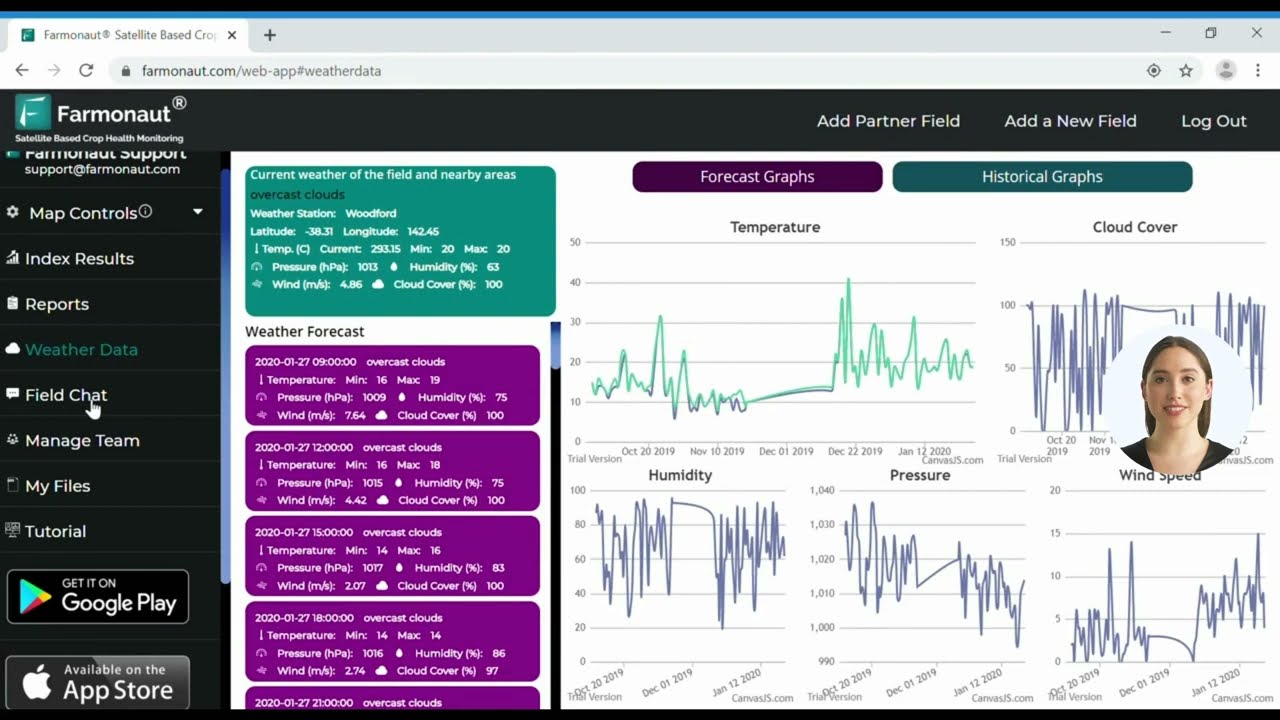
Technology-Driven Cost Reduction: Satellite monitoring and AI analytics guide large-scale fertilizer management, allowing farmers to apply the right nutrient, at the right rate, at the right time to match real-time crop requirements. This helps not only in maximizing yields but also in reducing wastage and environmental risk.
5. Spotlight: 20-20-20 Fertilizer Trends, Prices per Ton, & Performance
Essential Attributes of 20-20-20 Fertilizer
- Formulation: 20% nitrogen, 20% phosphorus, 20% potassium
- Role: All-purpose balanced fertilizer for starter applications, top-dressing, and foliar feeding. Facilitates root development, strong vegetative growth, healthy flowering, and fruiting.
- Crops: Wheat, maize, rice, sorghum, oilseeds, fruits (banana, citrus), vegetables, and ornamentals (high-value horticulture).
20 20 20 fertilizer prices per ton command a slight premium due to the higher and equal nutrient content and versatility. Farmers regularly apply it as a starter fertilizer to ensure robust seedling growth and as a foliar spray during critical development stages.
Estimated Price per Ton: ₹41,250–₹61,875 ($500–$750) in 2025 for widely available, standard-quality brands.
Why Growers Invest in 20-20-20 Fertilizer in 2025
- Versatility: Uniform supply of N, P, and K supports a wide range of crops from germination to fruit set.
- Starter Benefits: Encourages rapid root growth and early foliage, ensuring uniform crop stands in cereals and field crops.
- Top-Dress & Foliar Feed: Dissolves easily for efficient foliar uptake in horticulture, floriculture, and orchards.
- High Efficiency: Suited for fertigation (through drip or sprinkler), maximizing nutrient use efficiency and minimizing losses.
- Traceability: Products with blockchain-enabled traceability add value in certification and compliance markets.

Yield Impact & Environmental Considerations
- Yield Increase: Typical use can raise yields 12–22%, provided dosing matches crop and soil needs.
- Environmental Risk: Misapplication or excessive use may lead to nutrient runoff; regulated applications using precision tech are recommended.
- Innovative Blends: Emerging slow-release formulations and granular products lower environmental losses and enable sustainable farming.
With 20 20 20 fertilizer set to remain essential through 2025 and into 2026, integrating data-driven tools to track soil fertility and crop progress is the most effective route to enhance profitability and long-term soil health.
Traceability is increasingly demanded by food processors, retailers, and consumers. Farmonaut’s traceability solution allows seamless blockchain-based tracking of crop inputs and movement through the supply chain, enhancing transparency and compliance.
6. Focus: 20-5-10 Fertilizer Price, Crop Fit & Nutrient Efficiency
What Makes 20-5-10 a Smart Choice?
- Formulation: 20% N, 5% P, and 10% K — boosted nitrogen for vigorous leaf growth, with moderate potassium and low phosphorus for crops with lower P needs.
- Preferred For: Leafy vegetables (e.g., lettuce, spinach, kale), forages, hay, turf management, and certain grasslands.
- Notable Advantage: Lower phosphorus reduces risk of runoff in sensitive agroecosystems and matches soils already rich in P.
The 20 5 10 fertilizer price per ton is generally below the other two studied formulations (₹33,000–₹53,625 or $400–$650, 2025 est.), making it an economically attractive choice for crops with high nitrogen demand and minimal phosphorus need.
- Leafy Crop Production: Nitrogen drives rapid and healthy leaf growth. Moderate K improves disease resistance and cell strength. Commonly used in both commercial and emerging-market farming.
- Turf & Fodder: Efficient for lawns, golf courses, pastures, and for high-protein forage crops that need regular N supply.

With AI-guided fertilizer management and satellite fleet resource tools like those from Farmonaut, it has become possible to apply the correct blend in the precise location and timing needed, lowering costs while maximizing quality output.
7. Optimizing Fertilizer Costs and Crop Yields for 2025+
Practical Tips for Reducing Costs & Improving Yield with 10-20-20, 20-20-20, 20-5-10
- Soil Testing First: Before investing in any fertilizer, analyze soil nutrient status to avoid unnecessary application of N, P, or K. Match blend to actual field need.
- Precision Application: Variable-rate technology, increasingly available through satellite advisory platforms such as Farmonaut’s API, enables targeted dosing. This cuts fertilizer input by up to 18% (see trivia) and boosts return on investment.
- Split Dosing Strategy: Apply only a portion of nitrogen at planting, with the remainder in 1–2 side-dress or foliar applications based on crop progress and season. This enhances nutrient uptake and reduces leaching.
-
Monitor Weather, Disease & Growth Stages: Use platforms for real-time satellite monitoring, detecting NDVI, soil moisture, and crop stress for optimal timing of feeding.
Recommended Solution: Farmonaut Crop Plantation & Forest Advisory provides regular insight into growth, health, and best input windows. - Integrated Management: Combine organic matter (e.g., compost, manure) to maximize soil health, buffer pH, and improve nutrient holding capacity in conjunction with 10-20-20, 20-20-20, or 20-5-10 blends.
- Traceability for Compliance: Track input usage, particularly in export chains or regulated environments. Blockchain-based systems provide proof for food processors and traceability policies. For automation, use Farmonaut Traceability.
Emerging Best Practices
- Utilize Slow & Controlled-Release Blends: These improve uptake efficiency, allowing for less frequent applications and reduced leaching, making cost per effective ton more favorable.
- Select Fertilizers with Proven Quality Certification: This ensures full nutrient availability as labeled and avoids losses to volatilization or runoff.
- Integrate Digital Advisory Tools: Automated weather and crop health alerts take the guesswork out of timing, especially useful when using balanced NPK blends.
Access Farmonaut API Developer Docs for seamless integration of satellite soil and crop intelligence for next-generation fertilizer management:
Farmonaut API Documentation
8. Technology & Sustainable Management: Farmonaut’s Role in 2026+
The Power of Satellite, AI & Blockchain in Fertilizer Management
As advanced fertilizer formulations like 10-20-20, 20-20-20, and 20-5-10 fertilizer dominate modern agriculture, technology is crucial for optimizing costs, increasing efficiency, and achieving both sustainability and resilience.
- Satellite-Based Monitoring: Farmonaut leverages multispectral satellite imaging to detect soil nutrient variability, monitor crop development, and identify areas of under- or over-application – ensuring optimal fertilizer usage.
- AI-Powered Advisory (Jeevn AI): Machine learning and real-time weather analytics drive personalized input strategies for every field, season, and crop growth stage.
- Blockchain-Based Traceability: Secure, transparent accounting for each fertilizer application and harvest as required by many buyers in international food supply chains.
- Resource & Fleet Management: Our platform helps optimize logistics, reduce wastage, and ensure fertilizer delivery exactly where it is needed with lower fuel and labor costs.
- Environmental Impact & Sustainability: Real-time monitoring can track and reduce carbon footprint, supporting compliance and market advantage.
9. FAQ – 10-20-20, 20-20-20, 20-5-10 & Fertilizer Price Per Ton
Frequently Asked Questions
A: Analyze your soil, assess crop stage, and understand specific nutrient requirements. 10-20-20 is better for crops needing extra phosphorus/potassium and less N, 20-20-20 is for balanced all-stage feeding, and 20-5-10 suits leafy or forage crops with higher N and lower P needs. Use precision tools for best decisions.
Q2. What are the 2025 projected prices per ton for these fertilizers?
A: Estimates are: 10-20-20 (₹37,000–₹57,500/$450–$700), 20-20-20 (₹41,250–₹61,875/$500–$750), and 20-5-10 (₹33,000–₹53,625/$400–$650). Regional variations will apply due to logistics, quality, and technologies used.
Q3. Can slow-release or enhanced efficiency fertilizers (EEFs) reduce costs?
A: Yes. EEFs facilitate more sustained nutrient uptake, reducing lock-up and leaching losses, allowing less frequent and more precise applications. Over time, this reduces cost per ton of crop produced.
Q4. Is phosphorus runoff a big concern in 2025?
A: Yes, especially in regulated areas and water-scarce regions. Use lower phosphorus blends like 20-5-10 where soil is already rich or where policies restrict excess P. Targeted application with digital tools helps minimize environmental risk.
Q5. Are satellite or AI tools really necessary for fertilizer optimization?
A: Satellites and AI are now proven to cut fertilizer waste and boost yields (see 18% average cost reduction in the trivia above). For serious cost management and compliance, data-driven management is a must in 2026 and beyond.
10. Conclusion: The Future of Balanced Fertilizers
As global food security and sustainable agriculture objectives grow more urgent, 10-20-20, 20-20-20, and 20-5-10 fertilizers will remain at the core of crop productivity solutions. By understanding fertilizer pricing per ton, nutrient roles, and market dynamics, farmers and agribusinesses can make empowered, cost-efficient choices for 2025 and the years ahead.
Continued technology adoption—from large-scale management and carbon tracking to traceability—will drive higher usability, lower cost per ton, and improved environmental compliance. Optimizing fertilizer blends, dose, and application timing with real-time, site-specific advice is set to become the new global standard in both advanced and developing agricultural markets.
For farmers, policymakers, and allied industries, the most resilient approach combines:
- Careful analysis of fertilizer prices per ton
- Smart matching of nutrient content to crop and soil demands
- Leveraging of modern technology to reduce waste and maximize ROI
- Commitment to environmental and market requirements as agriculture moves into the 2026 era
Visit our satellite-based crop and soil monitoring platforms to learn how technology-driven solutions support cost savings, sustainability, and traceability in fertilizer management and beyond.
Discussion
Questions, corrections or field experience? Share them below. First-time comments are reviewed before they appear, and your email is never published.
No comments yet. Be the first to add a question or your experience.

 Prochecker
 Misteo
 Tres Valles
 LACOS Geoinformation
 Pulsar Supernova
 Magrifly
 LatConnect 60
 WebsEdge
 Blickwinkel
 Agricultural Credit Policy Council
 MCSOD
MCSOD Marei Nursery
 eKGIS
eKGIS Mostas Tech
 Andex
Andex FCF India
 Unifrutti Gulf
 Deluxe Conseil
