

“6-23-30 fertilizer delivers precise macronutrient ratios: 6% nitrogen, 23% phosphorus, 30% potassium for modern crop management.”
6 23 30 Fertilizer, Agri Solutions, 8 21 21 Fertilizer: Advanced Nutrient Management & Sustainable Yields for 2025+
Fertilizers are the backbone of modern agriculture, playing a crucial role in enhancing soil fertility, improving crop yields, and ensuring food security for a growing world population.
As we transition towards 2025 and beyond, achieving optimized nutrient management, robust soil health, and sustainable agricultural productivity remains a top priority. Innovative fertilizer formulations like 6-23-30 fertilizer, agri solutions fertilizer, and 8-21-21 fertilizer are proving indispensable due to their balanced nutrient profiles tailored for specific crop and soil requirements.
In this comprehensive guide, we will explore the compositions, practical benefits, and application practices of these fertilizers. We’ll also examine their role within modern agri systems, discuss how technology and precision tools are revolutionizing fertilizer use (including emerging trends for 2026), and introduce effective strategies for farmers and agronomists looking to optimize productivity in a sustainable way.
“8-21-21 fertilizer blends 8% nitrogen, 21% phosphorus, 21% potassium, ideal for sustainable agriculture in 2025.”
Targeted nutrient management with advanced fertilizer ratios like 6-23-30 and 8-21-21 can significantly reduce waste and improve both crop yields and environmental sustainability by 2026.
Understanding Fertilizer Formulations: N-P-K Ratios Explained
Every fertilizer bag features three numbers (e.g., 6-23-30, 8-21-21), which indicate the percentages of key macronutrients:
- Nitrogen (N): Drives vigorous leaf and stem growth, fueling photosynthesis and lush canopy development.
- Phosphorus (P2O5): Supports strong root development, early plant establishment, robust flowering, and fruit/tuber formation.
- Potassium (K2O): Enhances overall plant health, improves disease resistance, and regulates water use, carbohydrate synthesis, and stress tolerance.
Let’s break down the focus fertilizer types:
- 6-23-30 Fertilizer: Contains 6% nitrogen (N), 23% phosphorus (P2O5), and 30% potassium (K2O). Classified as having high P and K, moderate N—often applied for crops with higher phosphorus and potassium demand.
- 8-21-21 Fertilizer: Features 8% nitrogen, 21% phosphorus, and 21% potassium—more balanced and versatile across various crops and soil types.
- Agri Solutions Fertilizer: This term frequently refers to innovative, often blended or customized formulations engineered by companies or cooperatives. These may include crucial micronutrients or controlled-release forms, addressing specific crop development challenges.

Comparative Fertilizer Analysis Table: 6-23-30, Agri Solutions, 8-21-21
| Feature | 6-23-30 Fertilizer | Agri Solutions Fertilizer | 8-21-21 Fertilizer |
|---|---|---|---|
| N-P-K Ratio | 6-23-30 (6% N, 23% P2O5, 30% K2O) |
Customizable; often balanced with micronutrients | 8-21-21 (8% N, 21% P2O5, 21% K2O) |
| Suitable Crops | Tubers (potatoes, carrots, onions), fruiting vegetables | Tailored for any crop or developmental stage | Cereals, pulses, oilseeds, mixed farming systems |
| Application Timing | Pre-planting, early growth, flowering/fruiting | Precision-timed by crop advisor recommendations | Basal and top-dressing during early and mid-growth |
| Estimated Yield Improvement (%) | 10–22% (when matched to crop needs & soil) | 16–28% (due to precise, tailored nutrition) | 9–18% (balanced across different crop groups) |
| Soil Health Impact | Promotes root growth, disease resistance | Enhances soil health via micronutrients & slow-release | Improves soil structure; less risk of salinity build-up |
| Environmental Sustainability | Reduces N loss & runoff, supports sustainable systems | High; encourages efficient use & minimal leaching | Medium-High; supports combined organic/inorganic use |
| Utilization Recommendations | Apply to P and K-deficient soils; ideal for tubers/fruits | Consult advisors, use soil/crop data, match to phenology | Flexible; suitable for yield stability in diverse regions |
“8-21-21 fertilizer blends 8% nitrogen, 21% phosphorus, 21% potassium, ideal for sustainable agriculture in 2025.”
Spotlight: The Relevance of 6-23-30 Fertilizer in 2025
The 6-23-30 fertilizer excels in meeting the nutrient requirements of crops demanding **strong root systems** and abundant fruiting or tuber production. Let’s examine its value and strategic uses:
✔ Target Crops & Specific Benefits
- Tubers & Root Crops: Potatoes, carrots, onions. Enhanced potassium improves starch synthesis, increases disease resistance, and boosts productivity.
- Fruiting Vegetables: Tomatoes, eggplants, peppers. Phosphorus fuels flowering and fruit set, potassium elevates fruit size and quality.
- Soils Depleted in P and K: Especially in heavily cropped lands or regions with past nutrient mining, 6 23 30 fertilizer replenishes nutrient stocks fast.
Environmental & Economic Advantages
- ✔ Reduces nitrogen waste, thus minimizing environmental runoff and limiting nitrate leaching.
- ✔ Encourages efficient nutrient use, supporting greener agri systems in 2026 and beyond.
- ✔ Well-suited to split application or site-specific fertilization—precisely matching crop demand across stages.

Over-applying 6-23-30 fertilizer in soils already rich in phosphorus or potassium can reduce fertilizer efficiency and harm beneficial soil microbes. Always test soil first!
🌱 Visual List: Key Advantages of 6-23-30 Fertilizer
- 🟢 Stronger roots: Reliable foundation for tubers and storage organs
- 🍅 Superior fruit quality: More robust size, flavor, and shelf life
- 💧 Improved water use: High potassium boosts water uptake and drought resilience
- 🔬 Disease suppression: Increased potassium deters many soil-borne pathogens
- 🌍 Low environmental impact: Minimized nitrogen means less leaching/runoff

Uses and Advantages of 8-21-21 Fertilizer for 2025
The 8-21-21 fertilizer is a proven, balanced formulation that is growing in relevance for sustainable agriculture—expected to see further adoption by 2026.
📊 Data Insights: Where 8-21-21 Fertilizer Shines
- Early vigour: Moderate N (8%) supports fast leaf and stem development for vigorous starts.
- Deeper rooting and grain fill: Phosphorus plus potassium critical for cereals, millets, oilseeds, and mixed horticultural crops.
- Flexible application: Suits both basal and top-dressed applications in integrated nutrient management systems.
- Improves soil structure: Steady K enhances soil aggregate stability and moisture retention for improved resilience against drought.
- Synergy with organic inputs: 8-21-21 is frequently combined with composts or manures for even more robust soil health.
Balanced formulations like 8-21-21 fertilizer help minimize nutrient runoff and facilitate better integration with precision farming practices for 2026.
- 🌾 Suitable for major cereal crops and food security
- 🌱 Seamless fit for rotational farming and mixed input management
- 🤝 Maximizes synergy with organic matter and biological amendments
- 🌎 Optimized for sustainable yields and lower greenhouse gas emissions
- 👨🌾 Helpful for farmers tackling diverse soil health challenges

Even balanced N-P-K fertilizers like 8-21-21 may require supplementation with micronutrients (zinc, boron, sulfur) to prevent hidden deficiencies and optimize yield for 2025 and 2026.
Agri Solutions Fertilizer: The Future of Tailored Nutrient Management (2025+)
Rising fertilizer technology, shifting environmental priorities, and digital transformation are accelerating the adoption of Agri Solutions fertilizers—blended, customized products meeting highly focused nutrient demands of crops and soils for 2025–2026.
- Advanced blending: Companies and cooperatives are developing fertilizers incorporating both major nutrients and vital micronutrients (zinc, boron, magnesium, sulfur, etc.), alongside potassium, phosphorus, and nitrogen.
- Controlled-release & coated granules: These innovative formulations release nutrients gradually, improving fertilizer efficiency and reducing frequency of applications.
- Stage-specific blends: Agri solutions fertilizers can be matched to crop lifecycle stages (e.g., pre-flowering vs. early establishment) for precision nutrition at critical phases.
- Responsive application: Linked to real-time data and precision agriculture tools, ensuring that rate and timing are fully optimized to crop status, minimizing environmental losses.
- Compatibility: Agri solutions products are often compatible with organic amendments and biostimulants for combined soil health and productivity.
Agri solutions fertilizer strategies frequently leverage satellite technology and AI (as in Farmonaut’s platform) to deliver actionable field data, informing product selection and dosage decisions.
Farmonaut API Overview
and detailed
Developer Documentation.
Use these tools to automate soil fertility mapping, prescription map generation, and tailor fertilizer recommendations by field zone!



Monitor & reduce farm carbon footprint
with Farmonaut’s real-time carbon emission tracking, helping you align fertilizer strategies with climate-smart agriculture goals and regulatory compliance!
Build supply chain trust with blockchain product traceability
: Ensure every harvest and input, including 6 23 30, 8 21 21, and agri solutions fertilizers, is authenticated throughout the value chain for food safety and transparency.
Simplify logistics with satellite-powered fleet management
—optimize field input delivery, fertilizer spreading, and resource movement for lower costs and higher efficiency.
Satellite-based crop insurance & loan verification
: Use remote sensing data to validate field status pre- and post-fertilization for faster financing and lower insurance risk.
Large-scale farm management
: Use advanced analytics to coordinate fertilizer applications, monitor soil health, and deploy agri solutions fertilizers for biggest ROI on vast agricultural landscapes.
Best Practices for Fertilizer Application & Nutrient Management (2025+)
Adopting the right fertilizer application strategies is vital for productivity, environmental sustainability, and long-term soil health.
Top 5 Fertilizer Practices for Modern Farmers
- 📋 Test soil before every season: Prevent imbalances and reduce fertilizer waste
- 💡 Employ split applications: Apply fertilizers in phases—minimizes runoff and matches crop growth
- 🌾 Combine with organic matter: Cow manure, compost, or cover crops enhance soil structure and nutrient cycling when used with 6-23-30, agri solutions fertilizer, and 8-21-21
- 🌊 Protect waterways: Create buffer zones near streams and ditches to avoid phosphorus and potassium pollution
- 👩💻 Leverage digital tools: Satellite imagery & soil mapping (like with Farmonaut’s platform) enable more efficient, site-specific fertilization plans

Real-time remote sensing reduces fertilizer waste by up to 20% by enabling site-specific guidance.
Digital Tools & Satellite Insights for Advanced Fertilizer and Nutrient Management
The age of digital and satellite-based farming is here. Farmonaut’s platform delivers powerful satellite-driven insights to monitor crop health, track soil conditions, and support resource optimization—directly enhancing the impact of fertilizer applications like 6-23-30 fertilizer, 8-21-21 fertilizer, and innovative agri solutions fertilizers.
🌟 Five Digital Advantages for Fertilizer Efficiency & Soil Health
- 🛰 Satellite-Based Remote Sensing: Detect crop stress and vigor, supporting better timing and dosages of fertilizer.
- 🗺 Soil Nutrient Mapping: Pinpoint spatial variability in nutrient levels, eliminate over/under-fertilization zones.
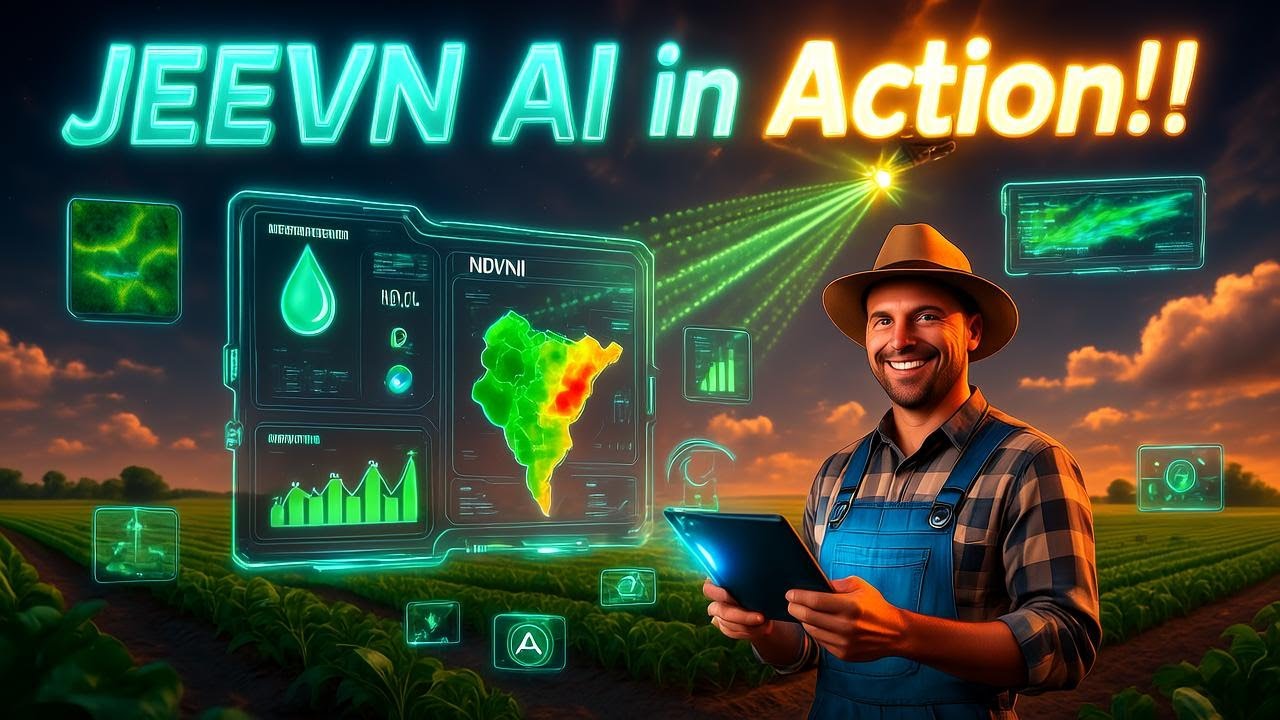
- 🤖 AI-Driven Advisory: Jeevn AI analyzes patterns for custom alerts and strategies, considering weather, crop stage, and yield predicted needs.
- 📲 App & API Access: Monitor and manage all operations—fertilizer scheduling, field monitoring, logistics—from mobile or web.
- 🔗 Blockchain Traceability: Track every input, including fertilizers, to assure food safety, transparency, and market trust.
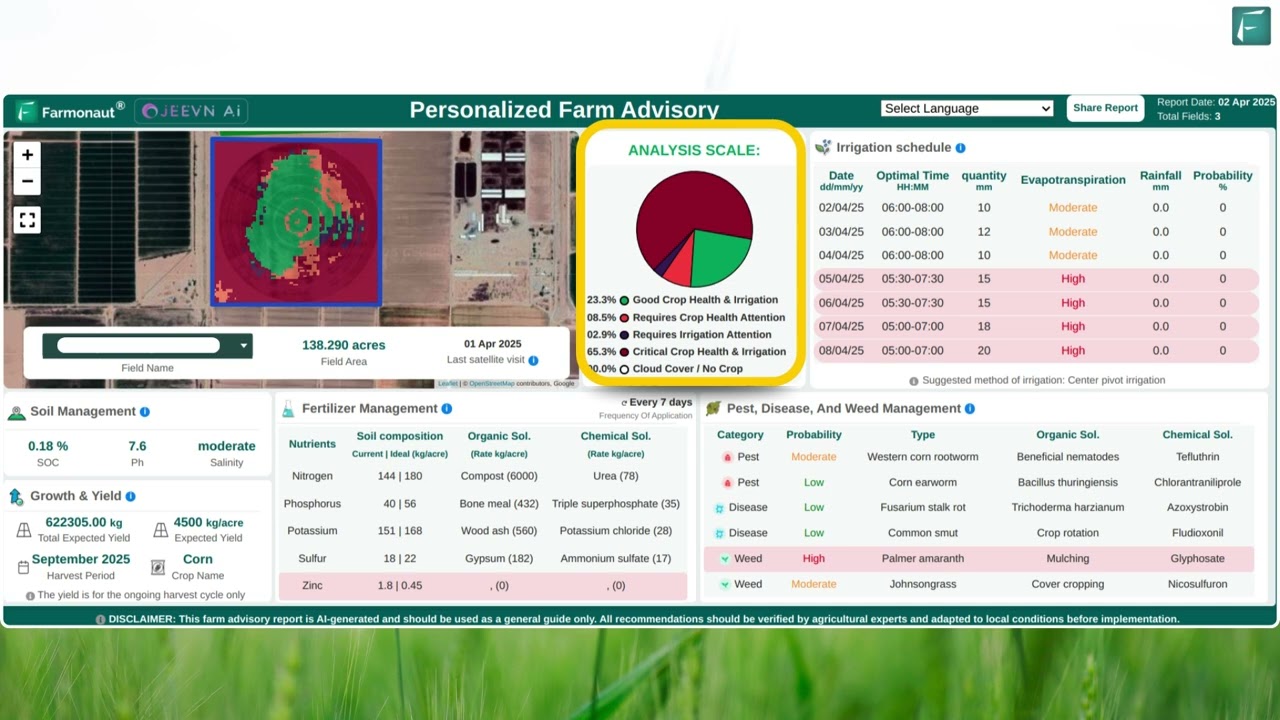
By integrating these technological innovations into fertilizer management—from application timing to product selection—farmers and agronomists can optimize economic returns, protect the environment, and foster long-term soil productivity.
Integrate satellite and AI insights with seasonal fertilizer plans—especially when deploying advanced products like agri solutions fertilizer—to ensure precise, sustainable nutrient delivery!
Top 5 System Improvements With KNP Fertilizer Technology
- ⚡ Boosts productivity—by matching nutrient supply to specific crop needs, minimizing yield losses.
- 🔄 Improves soil structure—high-quality potassium and phosphorus inputs enhance physical soil resilience.
- 🛡 Strengthens disease resistance—adequate K fortifies plants against common pathogens.
- 🌍 Reduces environmental footprint—optimized ratios, split applications, and technological integration limit nutrient runoff.
- 🌾 Supports food security—stable, increased yields bolster supply chain resilience into 2026 and beyond.
6 23 30 Fertilizer, Agri Solutions, 8 21 21 Fertilizer: Frequently Asked Questions
The N-P-K ratio refers to the percentage of nitrogen (N), phosphorus (as P2O5), and potassium (as K2O) in a fertilizer. For example, 6-23-30 fertilizer contains 6% N, 23% P2O5, and 30% K2O.
How do I choose between 6 23 30 fertilizer, agri solutions fertilizer, and 8 21 21 fertilizer for my field?
Check your soil nutrient levels and consider your crop’s stage and type. 6-23-30 is best for root/tuber and fruiting crops needing more phosphorus and potassium, 8-21-21 offers balanced nutrition for varied crops, while agri solutions fertilizer is ideal for tailored, integrated crop nutrition.
Are these fertilizers environmentally sustainable?
When applied according to best practices, all three can be part of a sustainable nutrient management plan—especially with precision tools and complementary organic amendments.
Can I use these fertilizers with organic inputs?
Yes! Blending chemical and organic fertilizers (compost, manure, green manures) promotes nutrient cycling, enhances soil health, and supports sustainable farming.
Who benefits most from agri solutions fertilizer?
Farmers in diverse climates or with variable fields, as well as large & agribusiness operations leveraging satellite data, AI, and integrated nutrient programs benefit most from tailored agri solutions fertilizer formulations.
Conclusion: Future-Ready Fertilizer Choices for Sustainable Productivity
Sustainable fertilizer management is evolving rapidly—with 2025 and beyond promising data-driven, environmentally sound, and productivity-boosting systems for all sectors of agriculture. By understanding advanced formulations like 6-23-30 fertilizer, agri solutions fertilizer, and 8-21-21 fertilizer, and integrating cutting-edge satellite and digital decision tools, farmers and agronomists are empowered to drive higher yields, stronger soil health, and greater environmental stewardship even in the face of climate and market uncertainty.
Let us at Farmonaut help you monitor crops, track soil health, and optimize fertilizer use with our affordable, scalable satellite solutions. Whether you’re seeking more sustainable nutrient timing, improved precision, or trustworthy data for soil and input management, we offer the technology you need—on mobile, web, and API.
Farmonaut Subscription Plans
Discover the best value subscription for satellite-based crop monitoring, soil and nutrient analytics, and digital tools that elevate your fertilizer management in 2025 and beyond.
Discussion
Questions, corrections or field experience? Share them below. First-time comments are reviewed before they appear, and your email is never published.
No comments yet. Be the first to add a question or your experience.

 Rouge VC
 Yutz Automation
 AgroGreen Dynamics
 Leher
Leher AgroRisk
 Oath Inc
 Reddane Farming
 Esri North East Africa
 Cresol
 Atur Kuliner
 MDCV UK
 Zerella Group
 Etech Consulting Madagascar
 Vestlandsforsking
 Delicio
 WB Dev
 Sama Premium
 Prochecker
 Tres Valles
 LACOS Geoinformation
 Magrifly
 LatConnect 60
 Blickwinkel
 Exploration consultancy · South Africa · Gold
 Licence holder · Niger · Gold










