

Agricultural Machinery Cost Analysis: 7 Key Strategies for Optimizing Equipment ROI
“Did you know? Up to 30% of machinery costs can be reduced by implementing strategic maintenance and operator training programs.”
Introduction: Why Agricultural Machinery Cost Analysis Matters
In today’s rapidly evolving farming and allied sectors, staying profitable and sustainable demands more than just high yields—it requires mastering the art and science of agricultural machinery cost analysis. At the heart of every modern operation, from small family farms to industrial-scale agribusiness, lies a complex web of equipment decisions that directly impact costs, productivity, and long-term sustainability.
Whether investing in tractors, combines, planters, harvesters, or embracing new precision agriculture technologies, understanding each element of the cost structure is essential. This guide provides a disciplined, actionable framework for analyzing and optimizing machinery investments—blending cost, efficiency, risk, depreciation, maintenance, training, financing, and strategic technologies.
1. Building a Disciplined Machinery Cost Framework
Machinery cost analysis begins with a disciplined approach—a holistic review that combines upfront capital, operating expenses, maintenance, depreciation, and opportunity cost. Let’s break down these critical components:
- ✔ Upfront Capital Expenditure: Purchase price, delivery, installation, insurance, taxes, and registration.
- 📊 Operating Costs: Fuel, lubricants, labor per hour, tire and part replacements, field usage consumption.
- ⚠ Maintenance & Repairs: Preventive and corrective maintenance, wear patterns, and budgets for region-specific conditions.
- ✔ Depreciation: Annual reduction in value, influenced by usage intensity and market rates.
- 📊 Opportunity Cost: Potential return from investing capital elsewhere versus in machinery.
Strategic Takeaway
- Separate fixed from variable costs: Fixed costs (e.g., depreciation, insurance) persist regardless of use; variable costs (e.g., fuel, repairs) rise with usage and field intensity.
- Model costs per hour/hectare: Allows like-for-like comparisons between alternatives and operational scenarios.
- Integrate field data: Real-world numbers drive accuracy for budgeting and resource allocation.

2. Total Cost of Ownership (TCO): The Fundamental Strategy
The principle of Total Cost of Ownership (TCO) in agricultural machinery cost analysis is foundational. TCO unveils the true cost over the entire machinery lifecycle, enabling smarter, data-driven choices for farm managers, agronomists, and fleet owners.
Key Elements of Machinery TCO
- ✔ Purchase Price: Initial price from dealer or supplier.
- ✔ Transportation & Installation: Delivery to site and setup for operational use.
- ✔ Insurance & Taxes: Ongoing protection against loss/theft and government levies per machinery type.
- ✔ Interest on Financing: If machines are financed, interest rates and loan tenure significantly affect annualized costs.
- ✔ Annual Depreciation: Systematically accounts for wear, aging, and declining resale value.
TCO Calculation Example
Suppose you acquire a tractor for $80,000 with a useful life of 10 years, expected annual maintenance of $2,000, annual fuel expense of $5,000, insurance & taxes of $1,000, and financing at 5% interest over 5 years. You can estimate total annual cost and compare options using TCO modeling.
3. Operating and Maintenance Costs: Getting Precision Right
Beyond capital costs, operating costs and maintenance requirements play a decisive role in agricultural machinery cost analysis. These expenses are sensitive to utilization (hours or hectares), workload intensity, operational environment, and the skill of the operator.
Key Components of Operating and Maintenance Costs
- ✔ Fuel and Lubricants: The cost per engine-hour or hectare depends on machine efficiency, farm conditions, and field management practices.
- ✔ Tires and Replacements: Frequent replacements are required in rugged or abrasive conditions, reflecting both the field terrain and intensity of operations.
- ✔ Repairs: Unscheduled repairs create cost unpredictability, highlighting the value of preventive service schedules.
- ✔ Operator Labor: Labor costs can be modeled hourly or as a share of output yield (per hectare/acre covered).
- ✔ Parts Availability: For older or less common machines, procurement delays can extend downtime and add hidden expenses.
Smart Operating Cost Analysis Checklist
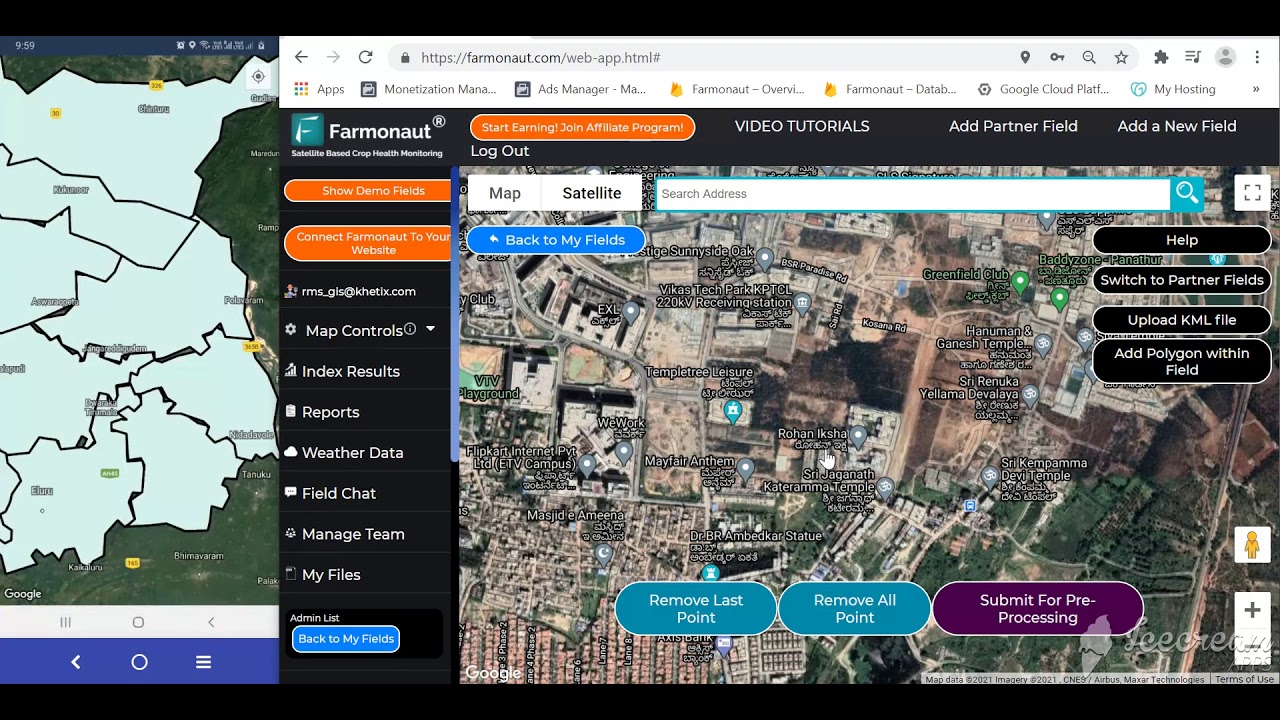
- ✔ Use telematics or software platforms to monitor fuel and servicing cycles (our Farmonaut fleet management platform enables real-time machine data analysis—learn more here).
- ✔ Establish and document robust maintenance protocols: timely oil changes, filter replacements, tire checks.
- ✔ Assess operating costs at the field, machine, and batch level to drive granular improvements.

4. Economics of Scale, Utilization, and Throughput Analysis
The economics of scale matter profoundly in agricultural machinery cost analysis. Larger machines offer greater throughput and can reduce field passes—cutting down labor and fuel per unit of output. However, increased upfront cost, higher maintenance exposure, and potential underutilization must be weighed.
How to Approach Scale Decisions
- ✔ Break-even Calculations: Estimate break-even hours or hectares where leasing a larger/newer machine becomes more economical than running smaller, older, or more flexible units.
- 📊 Sensitivity Testing: Use scenarios—how do changes in fuel prices, wage rates, interest costs, or downtime affect your preferred option?
- ⚠ Workload Consistency: If field utilization is seasonal or inconsistent, rental/lease options may lower annualized TCO versus outright ownership.

5. Financing Structure, Lease vs Purchase, and Resale Value
The financing structure has a pivotal impact on agricultural machinery cost analysis. Consideration of interest rates, loan tenure, lease agreements, and residual value allows farm businesses to optimize cash flow, manage risk, and avoid costly mistakes.
Considerations in Financing Equipment
- ✔ Interest Rate: Reflects the cost of capital. Lower rates result in reduced annualized machinery expense.
- ✔ Tenure and Payment Structure: Longer loans lower monthly outlay but may increase total interest paid over time.
- ✔ Lease Options: Flexibility for seasonal scale or uncertain utilization but may drive up cumulative cost versus a well-planned outright purchase.
- ✔ Residual/Resale Value: Accurate estimation of value at end of life can meaningfully alter cost calculations.
- ✔ Tax Treatment: Tax-deductible interest, lease payments, and depreciation provide additional financial levers.
🔑 Lease
- Lower barrier to entry
- Tax-deductible payments
- Upgrade flexibility
- No ownership at end
🔑 Purchase
- Asset ownership
- Eligible for depreciation
- Better long-term value
- Requires larger upfront capital
6. Precision Agriculture & Efficiency Technologies
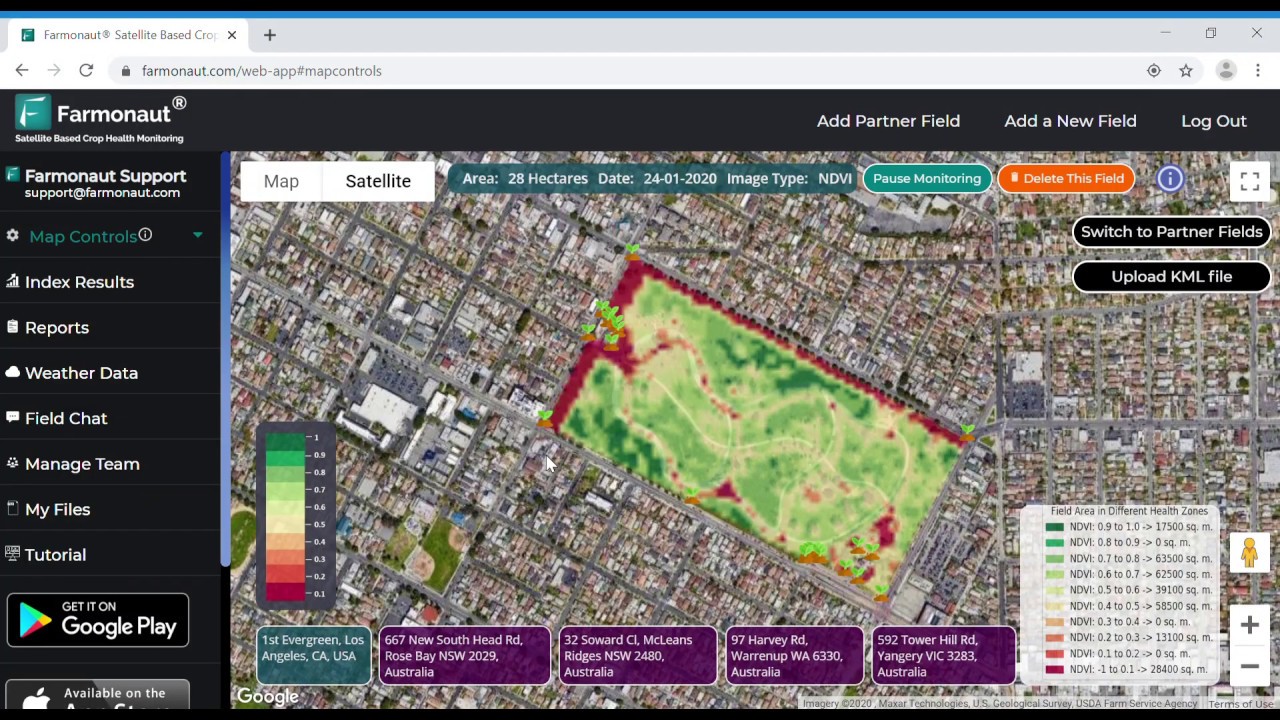
Operational efficiency and data-driven technologies are quickly shifting the economics of machinery. Integrating precision agriculture tools—satellite guidance, yield monitoring, fleet optimization—allows managers to reduce input costs, slash downtime, and prolong machine life.
- ✔ Variable Rate Application: Reduced fertilizer, pesticide, and seed use per hectare, aligned with real-time soil and vegetation data.
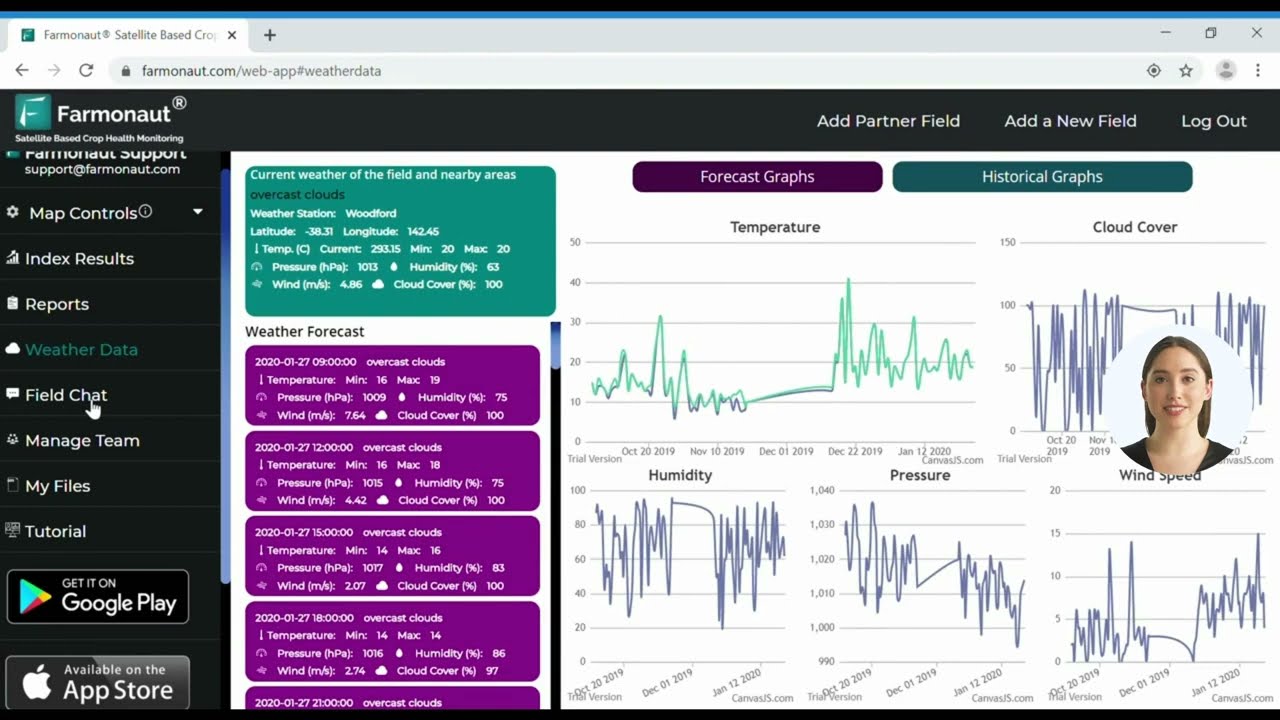
- ✔ AI Yield Monitoring: Objective yield mapping enables targeted adjustments to machinery and field management (explore Farmonaut’s yield and field management tools).
- ✔ GPS Guidance: Precise row and field navigation, lowering overlap and minimizing fuel, tire wear, and labor.
- ✔ Telematics & Remote Support: Real-time alerts for maintenance and field operation issues help minimize unscheduled repairs and costly downtime (Fleet Management Solution).
Reduce chemical, fertilizer, and labor spend via data-driven decisions.
Satellite tracking and telematics cut wasted field passes and idle time.
Proactive service alerts extend machine service life and reduce emergency repairs.
Optimize field fleet deployment based on live operational data.
7. Operator Training: The Overlooked ROI Driver
Operator skill is a profound variable in machinery utilization and total cost. Skilled operators are proven to reduce fuel and maintenance costs, minimize warranty issues, and extend the productive service life of machines. Agricultural machinery training courses bridge the gap between technology investment and on-field results.
- ✔ Optimized Field Operation: Skilled operators use machinery at peak efficiency, avoiding excessive idling or damaging misuse.
- ✔ Preventive Maintenance Literacy: Proactive operators identify issues early, preventing catastrophic failures.
- ✔ Adherence to Warranty & Safety Requirements: Ensures compliance—protecting warranty value and reducing accident risk.
- ✔ Integration with Digital Tools: Training on software and data collection platforms closes the loop between analysis and daily operations (Farmonaut field data solutions).
PESTLE Analysis: External Pressures On Machinery Cost Decisions
PESTLE analysis of the agriculture industry highlights how external macro-factors influence investment decisions, cost structures, and equipment ROI.
“PESTLE analysis reveals that 40% of agricultural equipment ROI is influenced by economic and regulatory factors.”
By factoring PESTLE insights into agricultural machinery cost analysis, stakeholders avoid decision pitfalls and position for regulatory shifts and emerging market opportunities.

Machinery Cost Analysis in Forestry and Mining-Adjacent Operations
Although agricultural fields dominate cost analysis discussions, machinery investment frameworks are just as vital in forestry and mining-adjacent contexts.
Forestry: Special Requirements
- ✔ Durability: Equipment for forest operations faces higher wear (e.g., harvesters, skidders must withstand rugged, remote terrain).
- ✔ Uptime Criticality: Downtime is especially costly due to access challenges and tight operating windows.
- ✔ Inventory & Scheduling: Forest inventory and analysis enables smarter budgeting, equipment matching, and performance-oriented scheduling (see farmonaut forest advisory).
Mining-Adjacent Landscapes: Unique Challenges
- ✔ Component Wear: Soil, dust, and rock debris accelerate parts replacement and repairs.
- ✔ Fuel Efficiency: Machines often operate continuously; incremental efficiency gains compound significantly in such environments.
- ✔ Service Network Accessibility: When evaluating options, include the service availability and parts support for remote area deployment (Farmonaut’s field and asset management can reduce such hidden costs—learn more).

Used Agricultural Machinery Dealers: What To Know Before You Buy
Purchasing from used agricultural machinery dealers is a proven cost-reduction tactic, but it carries risk. The smart approach is to scrutinize provenance, hours, maintenance records, and service/warranty support.
Checklist for Evaluating Used Machinery
- ✔ Hours Meter & Usage History: Lower documented hours usually means less wear and longer projected service life.
- 📊 Maintenance Records: Transparent history indicates responsible prior ownership and reduced repair risk.
- ⚠ Dealer Certification: Certified pre-owned units with warranty minimize hidden rehabilitation surprise costs.
- ✔ Parts and Service Availability: For less common models, verify ongoing local support to prevent costly breakdowns.
- ✔ Physical Inspection: Always review for structural damage, excessive play, or evidence of rushed cosmetic fixes.
Comparative Cost-Benefit Analysis Table
Quantitative comparisons streamline decision-making. This Comparative Cost-Benefit Analysis Table features popular machinery types, their typical cost patterns, and productivity benchmarks to support your business-focused evaluation.
Note: Figures are industry estimates. Actual values will vary by geography, field intensity, and operational practices. Table provides a clear comparative view to enhance real-world machinery cost analysis.
Farmonaut Solutions for Cost-Optimized Equipment Management
At Farmonaut, our mission is to make advanced, satellite-driven insights affordable and accessible to agricultural, forestry, and allied sectors worldwide. Our technology suite enhances decision making in machinery investment, monitoring, and total cost control.
- ✔ Satellite-Based Fleet Monitoring: Real-time equipment tracking to drive utilization, reduce idle time, and optimize maintenance intervals.
- ✔ AI-Based Advisory: Jeevn AI system delivers proactive machinery and field management advice to maximize ROI and operational safety.
- ✔ Operational Analytics: Routine yield and field data monitoring to support equipment sizing, maintenance scheduling, and replacement planning.
- ✔ Blockchain Traceability: Secure data records enhance asset management, warranty compliance, and machinery resale value (learn more about traceability).
- ✔ Integrated Resource Management: Multi-machine operations, fleet scheduling, and environment impact monitoring for full cost visibility (Fleet Management Platform).
To ensure our users have the best tools for machinery cost analysis and equipment management, we offer these platforms via web, Android, and iOS apps:



For those seeking API integrations and developer-level automation:
Farmonaut API and API Developer Docs provide robust, scalable options to layer cost analysis and machine monitoring directly into your enterprise or institution’s platforms.
Interested in subscription-based solutions for advanced monitoring, AI advisory, and equipment management?
Frequently Asked Questions (FAQ)
What is the most important factor in agricultural machinery cost analysis?
The most important factor is a comprehensive Total Cost of Ownership (TCO) approach—integrating purchase, operating, maintenance, depreciation, and opportunity costs to reveal the true, full-cycle equipment cost.
How often should machinery costs be reviewed?
Costs should be reviewed annually, after significant operational changes, or before each major equipment purchase, upgrade, or replacement.
Should I buy new or used agricultural machinery?
Both options have merit. New machinery offers better reliability, efficiency, and warranty; used machinery from reputable dealers provides cost savings—should be evaluated on TCO and operational needs.
What role does operator training play in machinery ROI?
Operator training in the use and maintenance of equipment significantly reduces wear, fuel costs, and repairs, and extends the machinery’s productive lifespan.
How can digital technologies improve machinery cost management?
Digital monitoring, AI advisory systems, remote fleet management, and precision agriculture tools enable real-time data tracking, predictive maintenance, and more precise cost allocation for maximum ROI.
How does Farmonaut support machinery cost analysis?
Our Farmonaut platform offers satellite-driven fleet monitoring, AI machine advisory, field and resource management, integration APIs, and blockchain traceability—empowering farms and agribusiness with data to optimize machine utilization and minimize total cost.
Conclusion: Practical Framework for Decision Making
Agricultural machinery cost analysis is not a one-time calculation—it is a continuous, disciplined process that blends financial rigor with cutting-edge data and operational insights. By systematically evaluating upfront expenditure, operating costs, maintenance, depreciation, and external pressures identified via pestle analysis of agriculture industry, decision-makers can reveal true cost, uncover hidden risks, and drive sustainable profitability. Integrating emerging technologies and committing to operator training will amplify returns for years to come in both agricultural and allied sectors.
5 Key Takeaways:
- ✔ Always model the full Total Cost of Ownership (TCO)—not just upfront price.
- 📊 Continuous data-driven analysis will reveal cost reduction opportunities.
- ⚠ Incorporate PESTLE insights to safeguard against regulatory and economic variability.
- ✔ Leverage digital and precision tools for increased efficiency and ROI.
- ✔ Invest in operator training and preventive maintenance—they are the most controllable ROI drivers.

 Rashail Infotech
 Unifrutti Gulf
 Deluxe Conseil
 TVS Electronics
 BW Pipelines
 WICO
WICO Gen Chayat
 Chimera Innovation
 SkyHarvest
 Polaris Digitech
 Teledarbas
 Wild Oak Farm
 SFX
SFX Doodlakine
 Exurbia Geospatial
