

Agricultural Plastic Solutions: 7 Key Innovations 2026
“By 2025, over 60% of major farms will use plastic mulch films to boost crop yields and reduce water loss.”
Table of Contents
- Introduction to Agricultural Plastic Solutions in 2026
- The Indispensable Role of Agricultural Plastics in Modern Farming
- Agricultural Plastic Solutions: 7 Key Innovations for 2026
- Comparative Innovations Table: Agricultural Plastics 2026
- How Farmonaut Powers Data-Driven, Sustainable Plastic Use
- Addressing Environmental Challenges & Sustainable Innovation
- Global Policy Shifts & the Future of Agricultural Plastics
- FAQ: Agricultural Plastic Solutions in 2026
- Conclusion & Next Steps
Introduction to Agricultural Plastic Solutions in 2026
In the realm of modern agriculture, efficiency, sustainability, and yield optimization are paramount. As the demand for food production rises amidst intensifying climate pressures, the use of agricultural plastic solutions has become an indispensable element of farming globally. From mulch films to greenhouse covers, silage bags, and irrigation tubing, plastics now underpin how crops are cultivated, protected, and optimized for maximum productivity.
By 2025 and beyond, innovative agricultural plastics are not only revolutionizing cultivation but are also directly influencing key factors like soil health, water conservation, pest and weed suppression, and environmental sustainability. These agricultural plastic materials offer highly tailored ways for farmers to regulate temperature, control humidity, and boost crop yields, all while facing the ongoing challenge of minimizing environmental impact and plastic waste.
This comprehensive guide will explore seven key innovations in agricultural plastic solutions for 2026, offer expert insights on emerging trends, and reveal how advanced technology platforms, like those from Farmonaut, support a smarter, more sustainable future for agriculture.
Key Insight:
Today, agricultural plastics do more than cover soil—they enable advanced climate control, weed management, and water savings for farmers in every region and climate.
The Indispensable Role of Agricultural Plastics in Modern Farming
Over the last decade, agricultural plastic solutions have fundamentally transformed how we approach farming. These materials are designed for crop protection, yield improvement, and resource optimization. The most common types of agricultural plastics include:
- Mulch Films: Used for soil covering, promoting moisture conservation, temperature regulation, and weed suppression.
- Greenhouse Films: Specialized plastic films that create controlled microclimates for year-round cultivation.
- Silage Bags and Films: Ensuring quality preservation of fodder and animal feed by preventing spoilage.
- Irrigation Tubing and Drip Lines: Supplying precise water amounts directly to plant roots, especially critical in arid and semi-arid regions.
- Shade Nets and Row Covers: Offering protection from excessive sunlight, frost, and pests, thereby improving overall plant health.

Their primary roles in agriculture are multifold, including:
- Temperature and humidity regulation to match crop requirements
- Moisture conservation and reduced evaporation loss
- Weed suppression and minimized need for chemical herbicides
- Pest and disease protection, reducing pesticide inputs
- Supporting productivity by promoting faster plant growth and higher yields
As a result, the agricultural plastic market is witnessing rapid growth and innovation. The emphasis is shifting toward sustainable practices, such as the development of biodegradable plastics, improved recycling systems, and integrated, data-driven usage of plastics on farms.
Common Mistake:
Overusing plastic films without proper management can lead to soil contamination and plastic accumulation in farmlands. Sustainable disposal and adoption of biodegradable alternatives are critical.
Agricultural Plastic Solutions: 7 Key Innovations 2026
Let’s dive into the seven most impactful agricultural plastic solutions and innovations transforming farming for 2026. Each innovation is reshaping agricultural practices to optimize yields, improve resource management, and minimize environmental impact.
-
1. Biodegradable & Photodegradable Mulch Films
Mulch films are widely used for covering the soil around crops. Traditional choices are mainly polyethylene-based, offering good moisture conservation, weed suppression, and soil temperature regulation. However, accumulation and environmental concerns have driven the development of biodegradable and photodegradable mulch films for 2026.
- Made from renewable materials like starch, cellulose, or bioplastics
- Break down naturally or under sunlight, eliminating farm plastic waste accumulation
- Help maintain soil health while improving moisture retention and crop yield
-
2. Next-Gen Greenhouse Films with Multilayer Polymers
Greenhouse films made of specialized polymers enable the creation of controlled microclimates, essential for year-round crop cultivation in challenging zones. Emerging innovations for 2026 include:
- Advanced multilayer films with improved UV-stabilizers, anti-drip, and anti-fog properties
- Better light diffusion and temperature control, tailored for each crop’s requirements
- Increased mechanical strength and longevity to reduce plastic replacement frequency
These advances are critical in high-intensity agriculture in countries like Canada, Peru, and Mzimba (Malawi). Improved films also support low-energy consumption and lower costs.


-
3. High-Barrier Silage Films & Bags
Silage films and bags are essential for preserving animal fodder, creating airtight, anaerobic conditions to prevent spoilage. Key 2026 trends include:
- Films with improved oxygen barriers for better preservation and nutritional retention
- Enhanced puncture resistance reducing product losses and lowering operational costs
- Innovations addressing plastic waste through better recycling protocols
-
4. Precision Drip Irrigation Tubing and Smart Systems
With water scarcity now a global issue, irrigation tubing and drip lines—made with robust plastics—are vital for delivering water directly to plant roots and conserving resources. Current innovations for 2026 are:
- Smart, sensor-enabled drip irrigation systems integrating with farm IoT solutions
- Automated plastic tubing controlled by weather and soil moisture data, optimizing resource use
- Systems improving water use efficiency and reducing overall consumption
Enhance irrigation monitoring and fleet management using Farmonaut technologies.
-
5. Innovative Shade Nets and Row Covers
Shade nets and row covers made from modern, UV-resistant plastics protect crops from excess sunlight, frost, pests, and diseases. In 2026:
- Customizable net densities for specific crops and regional climate challenges
- Integrated pest management properties (physical barriers + anti-insect chemical treatment)
- Improved durability, allowing multi-season use and reduced replacement
-
6. Circular Economy Solutions: Recycling & Upcycling Plastics
As plastic waste becomes a mounting concern, circular economy models are on the rise. Leading innovations include:
- Centralized collection and organized recycling of used agricultural plastics
- On-site plastic shredders and balers for easy transportation & processing
- Advanced recycling technology handling mixed polymers and contaminated films
- Upcycling solutions creating new farm tools or infrastructure from recyclate
Farmonaut’s carbon footprint monitoring aids responsible use and disposal, ensuring farmers keep sustainability as a core focus.
-
7. AI-Integrated Plastics for Precision Farming & Traceability
Smart agricultural plastic solutions now include embedded sensors, AI-based monitoring, and blockchain traceability. These empower the digital farm of 2026:
- Sensor-embedded films reporting real-time temperature, humidity, and stress markers
- Blockchain-enabled traceability for film usage, recycling, and crop production
- Integration with advisory platforms for better resource use and yields optimization
Explore Farmonaut’s blockchain-based traceability solutions for advanced, transparent resource management.
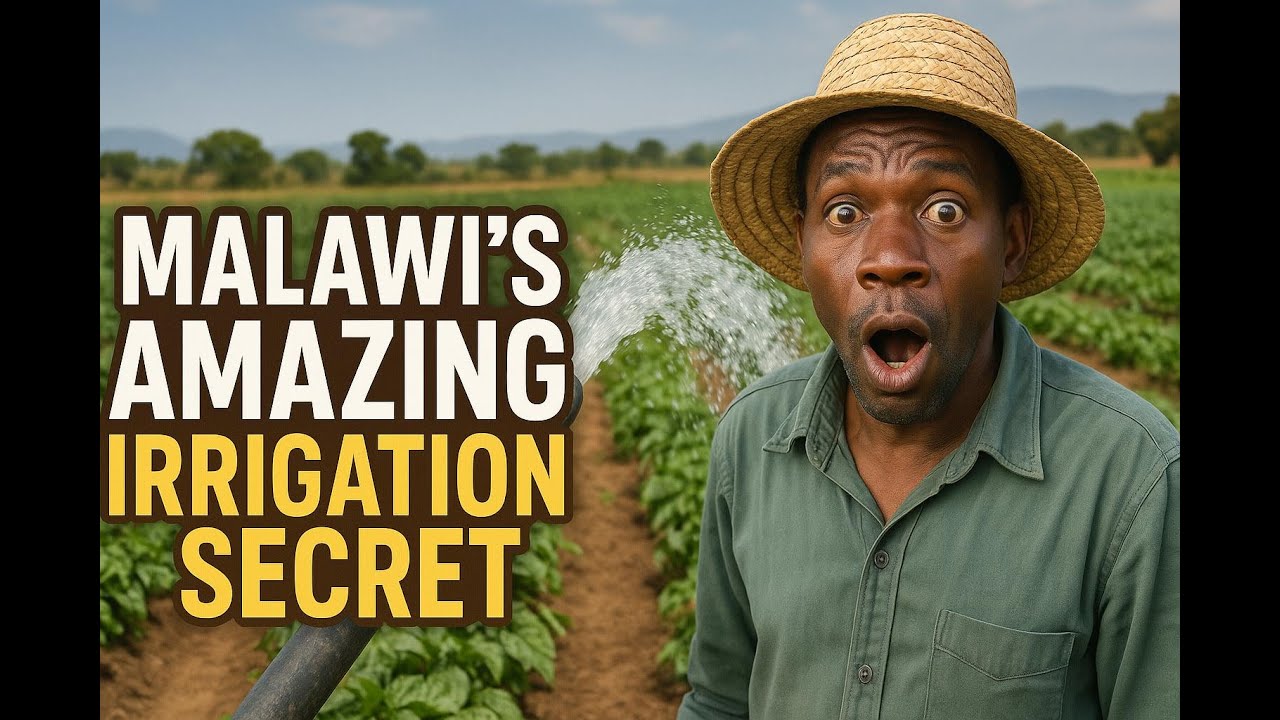


“Innovative plastics may cut agricultural water usage by 25% in 2026, enhancing global sustainability in farming.”
Investor Note:
The circular economy and AI-driven agricultural plastics sector is projected to grow over 10% annually by 2026—making it a top frontier for sustainability-focused agriTech investment.
✔ Top Benefits of 2026 Agricultural Plastic Solutions
- 🌱 Sustainable food production supporting worldwide demand
- 💧 Efficient water and resource use via advanced irrigation plastics
- 🔒 Enhanced crop protection from climate extremes, pests, and diseases
- ⏳ Extended crop seasons through greenhouse films and shading systems
- ♻ Reduced plastic waste with biodegradable, recyclable, and upcycled solutions
⚠ Mitigation Points & 📊 Data Insights
- 📊 Data Insight: Over 80% of water used in precision-drip irrigated farms is utilized directly by plants, minimizing loss.
- 📈 Yield Jump: Greenhouse film users report up to 40% increase in productivity in chronic climate-stressed regions.
- ⚠ Risk: Inadequate recycling infrastructure still leads to 30% agricultural plastic waste leakage in some regions.
- 🌿 Eco Push: Governments in over 50 countries have introduced regulations for sustainable plastic and mulch film adoption by 2026.
- 🔬 Research Focus: Next-gen bioplastics are targeting full compostability within 12 months after removal.
Pro Tip:
Combine sensor-rich plastic films with weekly satellite crop monitoring—using a platform like Farmonaut—to maximize decision-making power and react faster to crop stress or pest issues.
Comparative Innovations Table: Agricultural Plastics 2026
| Innovation Type | Estimated Adoption Rate (2025, %) | Primary Function | Estimated Yield Improvement (%) | Environmental Impact | Key Benefit |
|---|---|---|---|---|---|
| Biodegradable Mulch Films | 60 | Moisture retention, weed suppression | 15-25 | High Sustainability | Soil health & reduced waste |
| Multilayer Greenhouse Films | 55 | Microclimate regulation, UV protection | 20-40 | Medium Sustainability | Extended crop seasons |
| High-Barrier Silage Bags | 35 | Fodder preservation, spoilage prevention | 10-15 | Medium Sustainability | Improved animal nutrition |
| Precision Drip Irrigation Tubing | 50 | Efficient water delivery | 20-30 | High Sustainability | Water & fertilizer savings |
| Shade Nets & Row Covers | 40 | Pest, frost, & climate protection | 12-20 | Medium Sustainability | Decreased pesticide need |
| Recycling & Upcycling Systems | 32 | Waste reduction, circular use | 8-12 | High Sustainability | Lower environmental impact |
| AI-Integrated Smart Plastics | 15 | Data-driven farming, traceability | 10-18 | High Sustainability | Optimization & transparency |
Data For Decision Makers:
Yield improvements from integrating innovative plastic solutions are highly crop- and region-specific. Consistent monitoring and local customization are vital.
How Farmonaut Powers Data-Driven, Sustainable Plastic Use
As the adoption of advanced agricultural plastic solutions accelerates, the ability to monitor and optimize their impact becomes essential. This is where platforms like Farmonaut revolutionize the equation:
- Satellite-driven insights—Farmonaut unlocks real-time crop health, soil condition, and irrigation needs, enabling targeted plastic usage (e.g., mulch or drip tubing placement where most effective).
- AI-based advisory—Tailored alerts on where and how to deploy plastics for maximum impact on crop protection and resource conservation.
- Blockchain-based traceability—Ensuring transparency and data integrity in every aspect of plastics use, crucial for modern agri-business and regulatory compliance. Learn more about blockchain traceability.
- Environmental impact monitoring—With carbon footprint tracking, users can benchmark and adapt their practices to reach sustainability targets.
- API and remote access—Developers and agri-enterprises can integrate Farmonaut’s advanced insights directly into their own farm management or logistics solutions using Farmonaut’s API and adapt to changing regulatory, climate, and market requirements.
Access detailed API documentation here to start integrating satellite-based farm data into your workflow.

Geospatial Perspective:
For mining and infrastructure sectors, plastic solutions for environmental protection and site management are enhanced through geospatial monitoring. Farmonaut brings the same precision to farming.
Addressing Environmental Challenges & Sustainable Innovation
While agricultural plastics provide myriad benefits, the entire industry faces critical challenges moving into 2026:
- Accumulation of non-degradable plastics in soil, impacting soil health and long-term farm productivity
- Waste management complexity, due to varied plastic types, contamination, or insufficient collection infrastructure
- Environmental concerns over traditional polyethylene mulch films and the need to shift to biodegradable solutions
Efforts to address these issues include:
- Promoting fully compostable agricultural plastics derived from renewable resources
- Industry-wide recycling standards & investments in upcycling infrastructure worldwide
- Incentives and regulatory mandates for sustainable plastic use and disposal (e.g., Canada, EU, India)
Sustainability Reminder:
The circular economy is the future of agricultural plastics—adopt, recycle, upcycle, and ensure responsible plastic solutions use for the next generation of farming.
Global Policy Shifts & the Future of Agricultural Plastics
Farmlands worldwide are under increasing scrutiny for their plastic use and disposal practices. As of 2025 and looking ahead, key policy drivers include:
- Mandatory biodegradable agricultural plastics adoption for mulch and greenhouse films in many developed economies
- Subsidized recycling programs and grants for on-farm collection systems
- Guidelines for maximum allowable residue of non-biodegradable plastics in soil
- Traceability requirements for supply chain transparency and responsible material use
- Integration of remote monitoring (e.g., satellite, sensor data) to support regulatory compliance and enforcement
Forward-thinking farmers are leveraging technologies—like those offered by Farmonaut—to monitor resource use, prove compliance, and optimize their transition to sustainable plastic solutions.
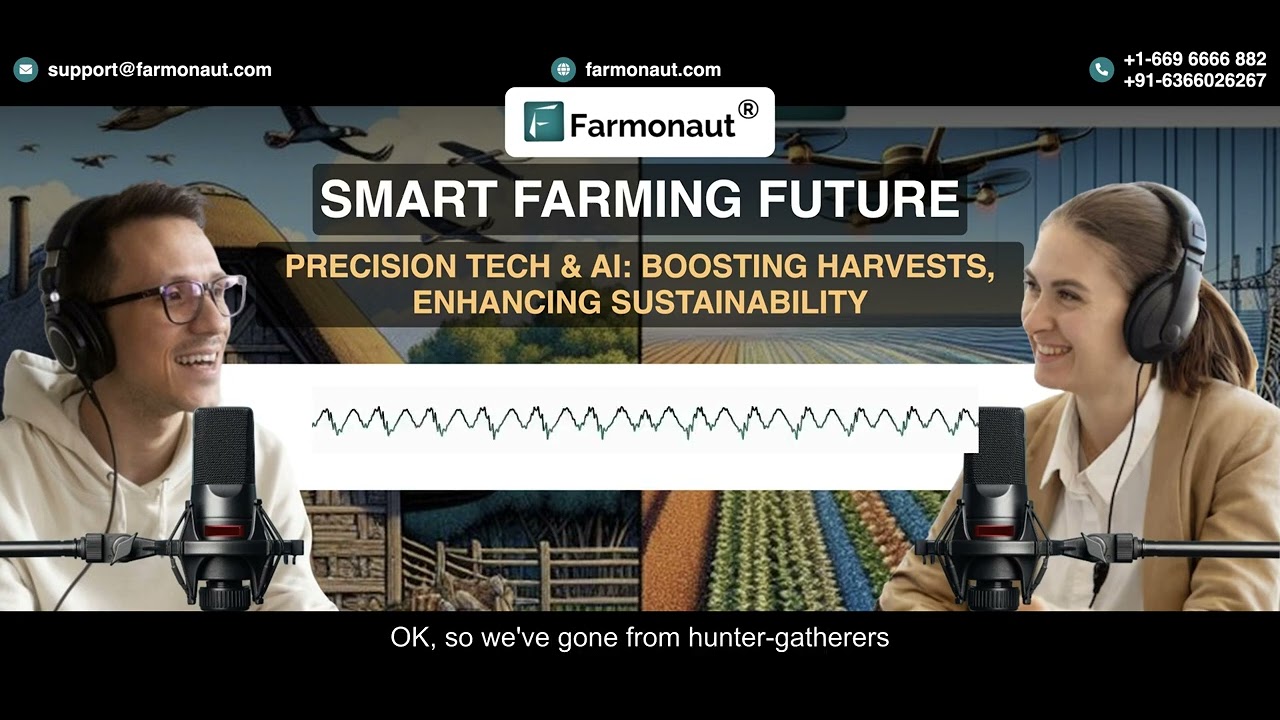
Smart regulatory compliance, crop traceability, and sustainability reporting are now accessible to every farm—regardless of scale—with Farmonaut’s large-scale farm management tools.
Tech Evolution:
The fusion of satellite monitoring, blockchain, and biodegradable plastics is setting new benchmarks for sustainable farm productivity and transparency.

Farmonaut Subscriptions: Empowering Sustainable Agriculture
Experience affordable, satellite-powered crop monitoring, traceability, and environmental impact analyses designed for farms, agribusinesses, and institutions. Check the subscription options below:
FAQ: Agricultural Plastic Solutions in 2026
-
What are the most widely used agricultural plastics in farming?
The most common are mulch films (for weed and moisture control), greenhouse films (for climate regulation), silage bags (for fodder preservation), irrigation tubing (for precision watering), and shade nets/row covers (for protection from sun, pests, and frost).
-
Are biodegradable plastics truly effective for farming?
Yes. Biodegradable mulch and films are designed to break down after use, maintaining soil health and minimizing environmental accumulation of plastic waste in the field.
-
How does technology help optimize plastic use?
Using satellite data, AI, and integrated apps (like Farmonaut’s platform), farmers get real-time insights to deploy plastics where they make the biggest difference in yield and sustainability.
-
What are the biggest challenges with agricultural plastics?
- Non-biodegradable plastic waste accumulation
- Recycling issues due to contamination or diversity of polymer types
- Ensuring adoption of sustainable alternatives in all regions
-
What is the role of policy in advancing sustainable plastic solutions?
Governments are introducing mandates for biodegradable plastics, recycling programs, and traceability—all driving more sustainable agricultural plastics worldwide.
-
Where can I get advanced crop advisory and resource tracking tools?
Explore crop and plantation advisory services by Farmonaut for satellite-driven, AI-powered decision-making in modern agriculture.
Conclusion & Next Steps: The Path to Sustainable Food Security
The evolution of agricultural plastic solutions in 2026 represents a critical intersection between modern technology, sustainability, and heightened food production needs. From biodegradable mulch plastics and data-driven irrigation to AI-enabled greenhouse films, the sector is innovating rapidly to empower farmers, protect the environment, and address the global challenge of feeding billions.
However, challenges remain: Ensuring responsible use, effective recycling, and transitioning to eco-friendly alternatives requires collaboration between manufacturers, farmers, and technology providers. Platforms like Farmonaut provide the tools, data, and transparency needed for a smarter, more sustainable agricultural system.
- ✔ Adopt innovations that match your local climate, crop, and sustainability goals
- 📊 Monitor and track impacts using advanced digital platforms and satellites
- ♻ Support recycling and responsible disposal in your farming community
- 🛡 Stay updated with policy and market shifts in agricultural plastics
- 🌱 Prioritize soil and environmental health even as you boost yields and efficiency
For actionable, precision insights on optimizing your farm’s plastic solutions and sustainable growth trajectory, download the Farmonaut App or integrate the API into your operations today.

Get ahead for 2026 and beyond—harness the true potential of agricultural plastics with innovative, sustainable, and data-driven solutions.
Discussion
Questions, corrections or field experience? Share them below. First-time comments are reviewed before they appear, and your email is never published.
No comments yet. Be the first to add a question or your experience.

 Saraswati Agro
 Geno
Geno Hayleys Agriculture
 Linx Agritech
 Adinet
 Save Your Soils
 Grandstream Algérie
 XOS Realty
 Geospatial Lab Africa
 Agro La Gándara
 HIPSAC
 ZOL Zimbabwe
 Juligerm
 AdBio
AdBio MISE Maroc
 NWNS
NWNS
 Licence holder · Niger · Gold










