

Table of Contents
- AgTech Regulations 2026: Key Strategies for Safe Innovation
- The Rise of AgTech and Regulatory Challenges
- Key AgTech Regulatory Focus Areas in 2025–2026
- Data Privacy and Governance in AgTech
- Environmental Sustainability Regulations in AgTech
- Autonomous Systems & Safety Standards
- Biotechnology and Regulations for Genetically Edited Seeds
- Market Access and Intellectual Property Rights in AgTech
- Global Harmonization: International Trends & Challenges
- Comparative Overview Table: Regional AgTech Regulatory Trends (2025–2026)
- Regulatory Strategies for Safe AgTech Innovation
- How Farmonaut Technologies Align with Regulatory Requirements
- Key Insights & Future Directions
- FAQ: AgTech Regulations 2026
- Farmonaut Subscription Plans
“Over 65% of agtech companies expect stricter data privacy regulations to influence their 2026 innovation strategies.”
AgTech Regulations 2026: Key Strategies for Safe Innovation
Summary: Navigating AgTech Regulations in 2025 and Beyond: A Critical Pillar for Sustainable Agricultural Innovation
As agtech regulations evolve in 2025 and guide innovations toward 2026, we witness a transformative period for farming worldwide. The intersection of technology, data, safety, and sustainable agriculture creates both opportunities and pressing regulatory challenges. In this in-depth guide, we shed light on how these frameworks shape innovation, ensure responsible adoption, protect farmer and consumer rights, maintain environmental integrity, and enable a resilient future for agriculture.
- ✔️ Safe Innovation: Regulations safeguard stakeholders as new technologies are deployed in agriculture.
- 📊 Data Privacy: Ensures robust controls on the massive volumes of data generated by precision tools.
- 🌱 Sustainability: Prioritizes environmental stewardship and long-term soil health.
- 🛡 Safety: Sets high standards for the deployment of autonomous machinery and biotechnology.
- 🌐 Global Harmonization: Facilitates equitable, transparent, and interoperable frameworks for agtech worldwide.

The Rise of AgTech and Regulatory Challenges
The past decade has seen agricultural technology (agtech) revolutionize farming practices—from precision agriculture tools and IoT sensors to autonomous machinery and genetically edited seeds. These innovations optimize resource use, improve yields, reduce inputs, and mitigate ecological impact. However, they also introduce new complexities surrounding data security, environmental protection, farmer rights, and market access—deepening the need for robust, transparent, and adaptable regulatory frameworks.
Regulators face the dual challenge of fostering technological advancement without compromising ethical, environmental, and safety standards. As governments worldwide aim to boost food security amid climate change and biodiversity loss, agtech regulations have become increasingly vital—balancing bold innovation with integrity, stewardship, and equitable access.

Key AgTech Regulatory Focus Areas in 2025–2026
In 2026, agtech regulations are shaped around five critical areas. Each focus addresses emerging challenges and future needs for technology-driven agriculture:
- Data Privacy and Security: Managing unprecedented volumes of agronomic, ecological, and operational data.
- Environmental Impact and Sustainability: Ensuring agtech adoption supports ecological balance and climate resilience.
- Safety and Standards for Autonomous Systems: Protecting workers, communities, and the environment as AI-powered machinery and drones become standard on farms.
- Genetic Editing and Biotechnology: Setting boundaries and protocols for CRISPR, edited seeds, and synthetic biology interventions.
- Market Access and Intellectual Property Rights: Balancing innovation incentives with equitable technology access for smallholder farmers and enterprises.
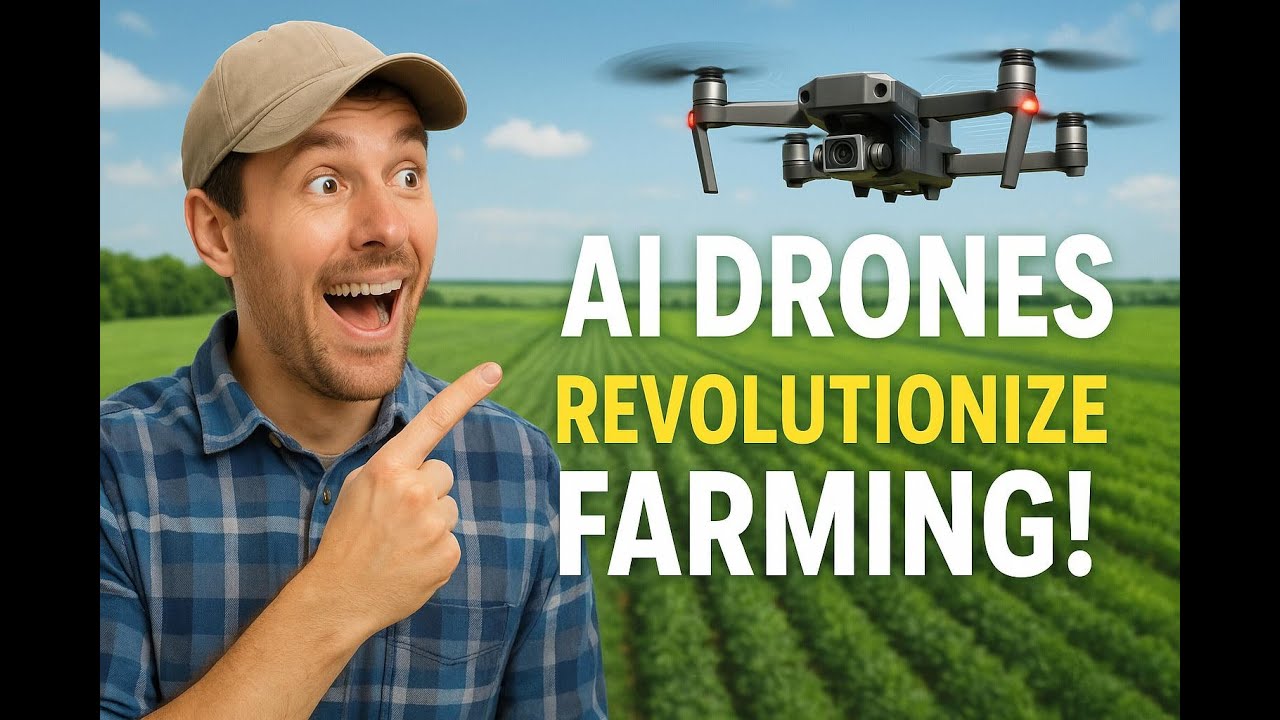
“By 2025, 48 countries had adopted new agtech safety standards to support sustainable agriculture practices.”
Data Privacy and Governance in AgTech
In 2026, digital transformation in agriculture generates massive volumes of data: soil health scans, crop status, machinery performance, weather and growth metrics, and beyond. Data privacy and governance become critical—farmers and enterprises increasingly demand clarity about:
- Who controls and owns their farm data
- Where and how the data is stored
- Who has access—including third parties
- How consent is obtained and how data misuse is prevented
- Protocols for data breaches and real-time security alerts
Regulatory authorities now mandate:
- Transparent data policies and explicit farmer consent.
- Clear ownership rights for data generated on-farm via devices, IoT sensors, or management systems.
- Robust cybersecurity measures to prevent breaches, data leaks, or unauthorized analytics.
Integrated AI-powered agricultural platforms—like those we offer at Farmonaut—emphasize secure traceability with blockchain, assuring transparency and control from field to market. Explore the details of Farmonaut’s traceability product and how it enhances data protection and food safety—keeping every step secure.

Environmental Sustainability Regulations in AgTech
Sustainability is emerging as the defining principle of modern agricultural governance. Regulatory authorities globally emphasize that new agtech innovations must reduce chemical inputs, conserve water, minimize greenhouse gas emissions, and prioritize soil health to prevent long-term ecological degradation.
- Innovations like drone-enabled precision spraying and AI-guided irrigation face environmental impact assessments before deployment.
- Long-term monitoring of ecological outcomes is mandated, via remote sensing and carbon footprinting solutions.
- Regulations integrate biodiversity considerations—aiming to prevent loss of beneficial species and promote sustainable farming ecosystems.
Multiple jurisdictions demand that every major new agtech device or protocol demonstrates measurable sustainability impact in pilot trials, leveraging real-time feedback and regional benchmarking. Farmonaut’s environmental monitoring tools support regulatory compliance by providing actionable, satellite-derived data for soil, water, and emission management.

To support adaptation, Farmonaut’s real-time environmental monitoring tools help ensure compliance with international standards and offer a cost-effective approach to track and reduce the carbon footprint of agricultural operations.
Autonomous Systems & Safety Standards
Autonomous tractors, drones, and robotic systems are now integral to smart farms worldwide. As 2026 approaches, regulators are prioritizing safety standards to address new risks posed by AI-driven machinery. These include:
- Mandatory fail-safe mechanisms to prevent system malfunctions or runaway operations.
- Geo-fencing requirements to ensure autonomous equipment stays within permitted zones.
- Assessment of both hardware and software reliability and cybersecurity.
- Safety protocols for drone surveillance and in-field robotics to protect neighboring communities and sensitive environments.
- Advanced training for farm operators to ensure safe interaction with automated systems and prevent accidents.
Regional authorities outline progressive upgrade cycles—ensuring that as new standards emerge, all deployed technologies are regularly re-certified, especially after major firmware or AI updates.
For advanced, precision monitoring with automated safety checks, consider using the Farmonaut Large Scale Farm Management System. It streamlines compliance and operational efficiency for large-scale agricultural managers.

Biotechnology and Regulations for Genetically Edited Seeds
Gene editing—notably via CRISPR—delivers crops with improved traits, climate resilience, and nutrient density. Agtech regulations now:
- Distinguish between traditional GMOs and modern, genetically edited crops based on risk and impact profiles.
- Require rigorous safety testing—covering ecosystem impact, unintended gene flow, and food safety.
- Mandate transparent labeling, full disclosure, and public consultation to address societal and ethical considerations.
- Promote dialogue among regulators, scientists, farmers, and consumers to build acceptance while safeguarding biodiversity.
In several countries, zone-based trials now assess ecological effects prior to large-scale adoption—reinforcing the need for adaptive, region-specific regulation as biotech advancements continue at pace.
For streamlined satellite-based monitoring of geographically dispersed test plots and biotech trials, Farmonaut’s large-scale field mapping tools can provide actionable insights on crop health, soil integrity, and performance under different management scenarios. And if you are a manufacturer navigating compliance challenges, you can seek help from experts like Compass Regulatory for agricultural regulatory compliance.
Market Access and Intellectual Property Rights in AgTech
Equitable technology access is central to agtech regulation, as authorities seek to:
- Balance patent protections for innovators with farmers’ traditional rights to save and share seeds.
- Ensure market non-monopolization—allowing both smallholder and large farming enterprises to adopt new technologies.
- Prevent artificial barriers (e.g., excessive fees, data lock-ins, proprietary standards) that limit local innovation or market entry.
- Encourage transparent licensing models and enforce anti-competitive practices.
- Align national policies and international frameworks for cross-border trade in biotech, data-driven tools, and agtech services.
2026 will see more robust IPR frameworks that facilitate innovation while ensuring fair access for both market leaders and grassroots growers.
- ⚠️ Risk of Data Fragmentation: Disparate ownership or incompatible standards may restrict interoperability if not harmonized internationally.
- 🚫 Access Barriers: Overly restrictive IP rights could marginalize smallholders and emerging agtech startups, slowing sector growth.
- 🔒 Privacy Breaches: Inadequate enforcement of consent protocols may expose sensitive data and harm trust in agtech platforms.

Global Harmonization: International Trends & Challenges
The global nature of agtech innovation and trade means that harmonization of regulations isn’t just desirable—it’s essential for market access, risk management, and cross-border sustainability.
Farmonaut’s traceability and monitoring solutions are designed to align with the evolving requirements of global certification, quality, and sustainability schemes.
- Organizations such as the FAO and the International Plant Protection Convention (IPPC) are accelerating dialogue among regulators.
- International templates for data privacy, biosafety, and environmental monitoring are facilitating interoperability.
- Regional sandboxes and pilot regulatory programs allow for controlled, feedback-driven adoption of new agtech tools.
- Progressive nations are leveraging real-time data and AI-enabled oversight to keep regulations adaptive and evidence-based.
2026 and beyond will see continuous refinements—testing regulatory boundaries, introducing new certification schemes, and deepening real-time harmonization with sustainability and safety standards at their core.
Comparative Overview Table: Regional AgTech Regulatory Trends (2025–2026)
| Region/Country | Estimated Regulatory Stringency | Data Privacy Focus | Safety Protocols Implemented | Emphasis on Sustainable Practices (1–5) | Notable Regulatory Trends |
|---|---|---|---|---|---|
| North America (USA, Canada) | High | Yes | Advanced | 4 | Comprehensive data ownership laws, strong safety checks for autonomous systems, biotech approvals by federal agencies, and push for carbon tracking integration. |
| European Union | High | Yes | Advanced | 5 | GDPR-based data controls, strict sustainability mandates, regulatory sandboxes for agtech pilots, transparent biotech processes, strong biodiversity focus. |
| Asia-Pacific (India, China, Australia, etc.) | Medium–High | Partial | Basic–Advanced (Region-dependent) | 3 | Rapid pace toward digital agriculture policies, region-specific biotech approval, evolving data standards, public-private tech partnerships. |
| Latin America (Brazil, Argentina, Chile, etc.) | Medium | Partial | Basic | 2 | Focused on market access, alignment with export partners, gradual introduction of sustainability and data privacy standards, increased attention to biotech. |
| Africa | Low–Medium | No/Partial | Basic | 1 | Emerging policy frameworks, focus on digital literacy, tech adoption, need for funding and international alignment. |
Regulatory Strategies for Safe AgTech Innovation
2026 and beyond will require regulators, innovators, and solution providers to adopt strategies that catalyze responsible agtech adoption while ensuring the safety, privacy, and sustainability of the world’s food systems:
- Adoption of Standardized Compliance Protocols: Encourage tech providers to build-in support for region- and sector-specific compliance checks—automating not just data capture, but also regulatory reporting and alerts.
- Dynamic Risk Management: Use real-time data and AI-powered analytics to detect anomalies, trigger environmental alarms, or initiate system lockdowns to prevent breaches or accidents.
- Stakeholder Engagement: Implement multi-channel consultations with farmers, consumers, and industry experts during policy revisions and tech rollouts. This facilitates buy-in and helps uncover hidden challenges early.
- Open-Source Frameworks: Support non-proprietary protocols for data formatting, transfer, and analytics as a shield against monopolies and data lock-in.
- Continuous Learning: Update standards and guidelines iteratively, based on feedback from pilot deployments, ecological studies, and global regulatory benchmarks.
- 🛡️ Enhanced Trust: Robust frameworks win customer confidence and facilitate partnership opportunities.
- 📈 Faster Market Access: Harmonized standards help scale innovations globally.
- 💧 Environmental Integrity: Ongoing compliance protects natural resources and improves resilience.
- 🔗 Cross-border Interoperability: Enables seamless integration with international food and commodity markets.
- 🕒 Reduced Time-to-Compliance: Automated monitoring and reporting tools lower the administrative burden for growers and agri-enterprises.


How Farmonaut Technologies Align with Regulatory Requirements
As a global satellite technology leader, we at Farmonaut deliver solutions that are inherently designed for compliance and responsible innovation in agriculture, mining, infrastructure, defence, and related data-driven fields. Here’s how our technologies empower compliance with modern agtech regulatory frameworks:
- Satellite-Based Crop Monitoring: Provides granular, real-time data to streamline regulatory reporting on soil health, crop growth, and resource management—essential for sustainability and safety audits.
- AI and Machine Learning Systems: Power continuous, precise observation—enabling adaptive risk management, yield optimization, and prompt environmental compliance.
- Blockchain Traceability: Ensures end-to-end transparency and secure documentation for input and commodity flows, anchoring integrity across supply chains for food and natural resources.
- Jeevn AI Advisory System: Delivers actionable, region-specific recommendations to help individual users and enterprise clients meet evolving regulatory, safety, and productivity standards.
- Environmental Impact Monitoring: Tracks carbon emissions and ecological integrity with precision—directly supporting the compliance needs of farmers, businesses, and government agencies across multiple regions. Learn more about carbon footprint tracking.
- Fleet & Resource Management: Automates logistics control, supports operational audits, and provides data for fleet compliance, especially vital for large-scale operations and regulated environments. See the benefits for modern agriculture.
Our platform’s accessibility—from API to web and mobile apps—means that clients, regardless of scale or geography, can participate in regulatory-compliant innovation cost-effectively, while boosting operational efficiency, transparency, and trust.
In regions with evolving frameworks, Farmonaut’s scalable platform allows users to adapt seamlessly to national and international regulatory changes.
Key Insights & Future Directions
- 🔎 Agtech is no longer “disruptive” but foundational—its responsible deployment will shape sustainable food systems.
- 🔐 Data privacy, security, and ownership controls are core pillars for building trust in automated, digital-intensive agriculture.
- 🌿 Environmental stewardship is non-negotiable—every innovation must qualify against measurable eco-impact criteria.
- 🤖 Safety and reliability standards for autonomous machinery and biotech interventions continue to rise.
- 🌍 Global harmonization and cross-sector collaboration drive faster, safer, and more equitable technology adoption.
To navigating agtech regulations through 2026 and beyond, proactive learning, stakeholder involvement, and ongoing investment in data-driven solutions are necessary to lead in compliance and innovation. Choose technologies and platforms that evolve with the shifting landscape—future-proofing your agricultural, infrastructural, and geospatial operations.
Farmonaut Subscription Plans
Ready to leverage regulatory-compliant and future-ready agtech solutions? Explore our flexible, scalable subscription models built for businesses, individual users, and government agencies—ensuring secure and sustainable digital transformation.
FAQ: AgTech Regulations 2026
What are agtech regulations?
Agtech regulations are legal frameworks and standards governing the deployment and use of new agricultural technologies. These rules ensure safety, data protection, environmental stewardship, ethical use, and equitable access for all stakeholders in the agriculture ecosystem.
How do data privacy laws affect agricultural technology?
Data privacy laws set requirements for ownership, consent, storage, and sharing of farm and user data. They impact how agtech providers collect, process, and store information, ensuring that farmers and users retain control and sensitive information is protected from misuse or breaches.
What role does Farmonaut play in ensuring regulatory compliance?
We at Farmonaut offer satellite-based monitoring, blockchain traceability, AI-driven advisory, and resource management—all designed to align with the latest regulatory requirements for security, sustainability, and safe innovation in agriculture and allied sectors.
Why is harmonization of agtech regulations important globally?
International harmonization promotes interoperability, transparent technology transfer, and cross-border market access. Aligning national policies with global standards ensures that technological advancements are adopted safely and efficiently worldwide.
Where can I learn more or try regulatory-compliant agtech solutions?
Get started with Farmonaut’s web or mobile app for real-time monitoring, compliance-ready data, and insights. Check out the API Developer Docs for integration options.

 Godrej Agrovet
 Hayleys Agriculture
 Linx Agritech
 Adinet
 Save Your Soils
 GalaxEye Space
 Grandstream Algérie
 XOS Realty
 Geospatial Lab Africa
 Agro La Gándara
 HIPSAC
 ZOL Zimbabwe
 Juligerm
 AdBio
AdBio MISE Maroc
 NWNS
NWNS Red August Group
 Farm Inc
 WeMe Global
 Agrotoken
 Blue BearX
 Insignito
 DnCubed
 Indosistim Teknologi
 Liquify Digital
 CU Foods
 BeyondTech Global
 Rouge VC
 AgroRisk
 Oath Inc
 Esri North East Africa
 MDCV UK
 Etech Consulting Madagascar
 Vestlandsforsking
 WB Dev
 Sama Premium
 Tres Valles
 Blickwinkel
 Agricultural Credit Policy Council
 eKGIS
eKGIS Mostas Tech
 Andex
Andex Deluxe Conseil
 WICO
WICO Chimera Innovation
 SkyHarvest
 Teledarbas
 Exurbia Geospatial
 FieldZero
