

AI in Goats: 7 Benefits for Agriculture Goat Farming
The Role of Artificial Insemination (AI) in Advancing Goat Farming in 2025 & Beyond
Introduction: AI in Goats & The 2026 Revolution in Agriculture Goat Farming
Goat farming stands as a vital component of agriculture worldwide, supporting millions by providing meat, milk, fiber, and leather. As global demand for goat products continues to rise—driven by population growth, changing consumer preferences, and shifting climatic conditions—farmers are increasingly seeking innovative methods to improve productivity, genetic quality, and sustainability.
Within this context, AI in goats, agriculture goat farming through artificial insemination (AI) has emerged as a transformative technology. By 2026, AI is promising to revolutionize traditional breeding practices—enabling rapid genetic improvement, disease control, cost-effective herd management, and sustainable agricultural growth.
What is Artificial Insemination in Goats?
Artificial insemination (AI) is a reproductive technology where semen is collected from superior male goats (bucks) and manually introduced into the reproductive tract of selected female goats (does), without natural mating.
- AI enables the dissemination of desirable genetic traits—such as high milk yield, disease resistance, and faster growth—across herds and populations.
- Reduces risk of sexually transmitted diseases by minimizing physical contact between animals.
- Allows farmers to access elite genetics from anywhere globally, expanding the local herd’s genetic base.
- Accelerates genetic improvement and supports herd biosecurity.
In essence, AI in goats, agriculture goat farming, is a transformative procedure—advancing productivity while enabling better herd management and sustainability.
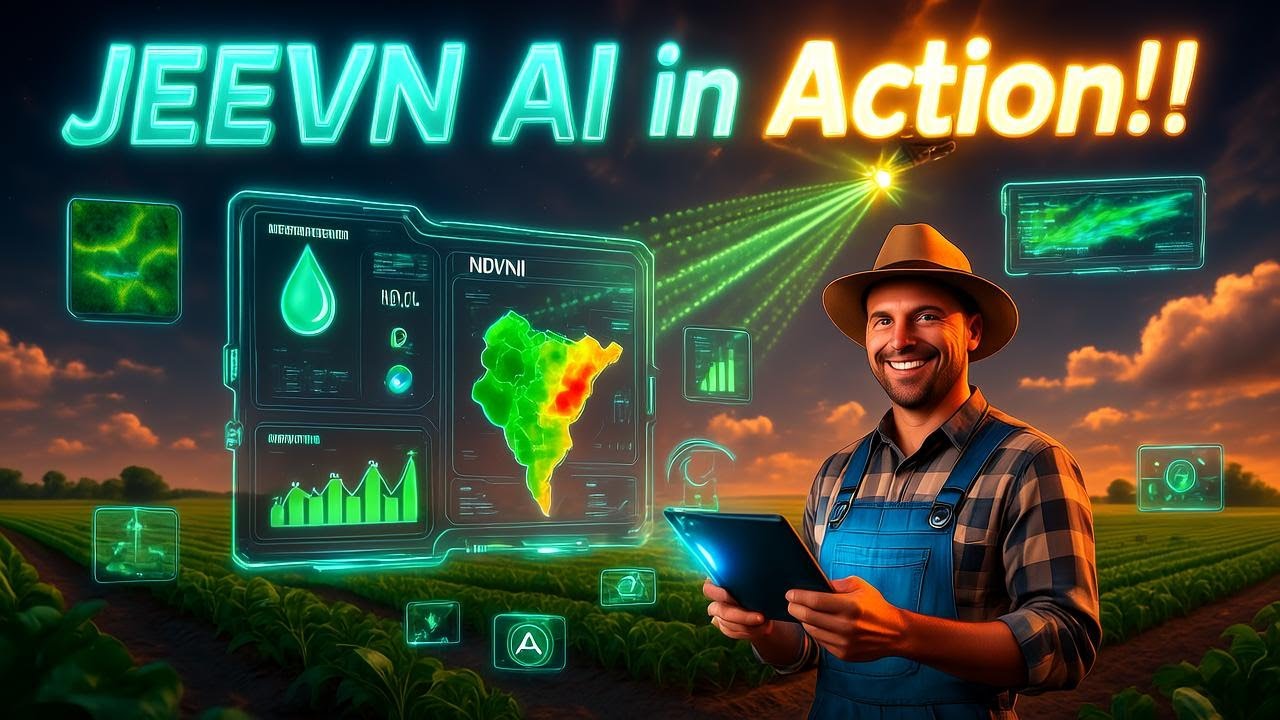
AI in Goats—7 Major Benefits for Agriculture Goat Farming
The integration of artificial insemination (AI) into agriculture goat farming brings seven core benefits that are optimizing herd productivity, genetic quality, and overall sustainability in 2026 and beyond.
- ✔ Genetic Improvement: Access elite genetics, faster herd improvement
- 🛡️ Disease Control & Biosecurity: Minimize disease spread, safer herds
- 💸 Cost-Effectiveness: Reduce costs by eliminating multiple bucks
- 📈 Reproductive Efficiency: Increased conception & kidding rates
- ⏱️ Better Time Management: Synchronize breeding & kidding, planned seasons
- 🤖 Data-Driven Decisions: Integrate with digital herd & genetic management
- 🌱 Sustainability: Lower resource use per animal product
1. Genetic Improvement: Expanding Potential Beyond Borders
Through artificial insemination, farmers gain access to semen from superior male goats (elite bucks) worldwide, bypassing the limitations of traditional local breeding. This access expands the genetic base beyond local populations, enabling the introduction and rapid dissemination of desirable traits—such as increased milk yield, disease resistance, faster growth, and adaptability to changing climates.
- Allows rapid introduction of new genetic traits into herds for faster genetic improvement
- Enables selection of bucks that best fit resource availability and climate
- Helps manage inbreeding risks in closed herds for better resilience
2. Disease Control and Biosecurity: Safeguarding Herd Health
Natural mating often involves physical contact between animals, which significantly increases the risk of spreading infections such as Caprine Arthritis Encephalitis (CAE), Brucellosis, or sexually transmitted diseases. AI minimizes animal-to-animal contact, thus reducing disease transmission and helping maintain biosecure, healthy herds.
- Mitigates sexually transmitted diseases in breeding
- Reduces the need for antibiotics or veterinary interventions
- Contributes to higher profitability and lower losses
3. Cost-Effectiveness & Resource Optimization
Although the initial setup costs for AI may be higher (training personnel, acquiring equipment), it lowers long-term expenses by reducing the need to maintain multiple bucks on the farm. With fewer breeding males, feeding and housing costs are minimized, and risks associated with keeping aggressive bucks are reduced.
- Lower feeding expenses, as fewer bucks are required
- Reduces overall farm management challenges
- Allows better financial planning and return on investment over time
4. Increased Reproductive Efficiency & Predictable Kidding Seasons
AI technology allows precise timing of insemination with hormonal synchronization protocols. This increases conception rates and kidding predictability. Farmers can consolidate birthing periods for better workload and resource management.
- Boosts conception rates by ~15–25% over uncontrolled natural mating
- Improves herd productivity and labor efficiency
- Enables batch management of milk production and market supply
5. Data-Driven Herd Management: Smarter, Informed Decisions
The combination of AI and digital herd management software empowers farmers to track reproductive performance, health, genetic lineages, and production statistics in real-time. Integration with tools like Farmonaut’s Large Scale Farm Management can further optimize productivity.
- Keeps detailed breeding records for informed selection
- Improves traceability of genetics & herd management
- Links to AI-based Traceability Solutions for transparent product value chains
6. Sustainability & Environmental Impact: Futureproofing Agriculture
AI in goats, agriculture goat farming, also uniquely supports sustainable agriculture by improving productivity per animal, reducing waste, and minimizing the environmental footprint of farming operations. Efficient breeding reduces the resources required per goat kid born or milk liter produced.
- Lower resource input: less feed, water, and space per output
- Less manure and emissions per liter of milk or kilogram of meat
- Use Farmonaut’s Carbon Footprinting tools to monitor and lower the environmental impact of your farm.
7. Scalability & Adoption via Training and Portable Kits
With advances in portable AI kits and increased training programs, even smallholder farmers and those in remote areas can adopt AI, improving inclusivity and scaling benefits across the agricultural community.
- Enables uniform improvement across global goat populations
- Boosts adoption rates, especially with digital AI training modules
- Farmers control their own breeding schedules and choices
- Integrates with Farmonaut’s Agro Advisory Platforms for location-specific support
- 📱 Mobile Apps for real-time AI schedules & protocols
- 🧑🎓 Online Training for Farmers
- 🔗 API Access for integration with herd management systems: Farmonaut API
- 💬 Remote Advisory via Apps
- ✔ High conception rates with precise timing
- ✔ Access to global elite genetics
- ✔ Reduced disease risk and better herd biosecurity
- ✔ Lower long-term costs and easier management
- ✔ Sustainable, traceable production ready for future regulations
Comparative Benefit Table: AI vs Traditional Mating in Goat Farming
| Benefit | Traditional Mating (Estimated Values) | Artificial Insemination (Estimated Values) |
|---|---|---|
| Conception Rate (%) | 55–70% | 70–90% |
| Genetic Improvement (Diversity Increase p.a.) | 2–4% | Up to 40% Faster |
| Disease Transmission Risk | High | Very Low |
| Cost per Breeding Session (USD) | $12–$25 (incl. buck upkeep) | $8–$20 |
| Time Efficiency (Days/Cycle) | 21–28 days to plan & execute | 14–18 days with synchronization |
| Herd Management Ease (1–5) | 2/5 | 5/5 |
| Offspring Quality (Avg. Health Score/Weight) | Variable: 2–3kg, moderate genetic gain | 3–3.5kg, higher genetic gain |
AI offers measurable advantages in genetic diversity, conception rates, disease prevention, and farm management—empowering today’s farmers for tomorrow’s demands.
Recent Advances & Technologies in AI for Goats (2026+)
Continuous technological development is augmenting the impact of artificial insemination in goats, driving its relevance and efficiency into 2026 and beyond.
1. Improved Semen Cryopreservation
Innovative semen freezing and thawing protocols ensure better post-thaw viability, allowing semen to be stored and shipped globally without loss of fertility. This enables broader dissemination of elite genetic materials.
2. Hormonal Synchronization Protocols
The development of safe and reliable hormonal agents for estrus synchronization enables timed AI for multiple goats simultaneously. This leads to uniform kidding periods and simplified herd management.
3. Portable AI Kits & Scalable Training
Field-ready AI kits have been developed for quick, clean, and accessible insemination. Widespread regional training programs and mobile-based instructions support rapid adoption, even in remote or small-farm settings.
4. Digital Tools & Decision Support Integration
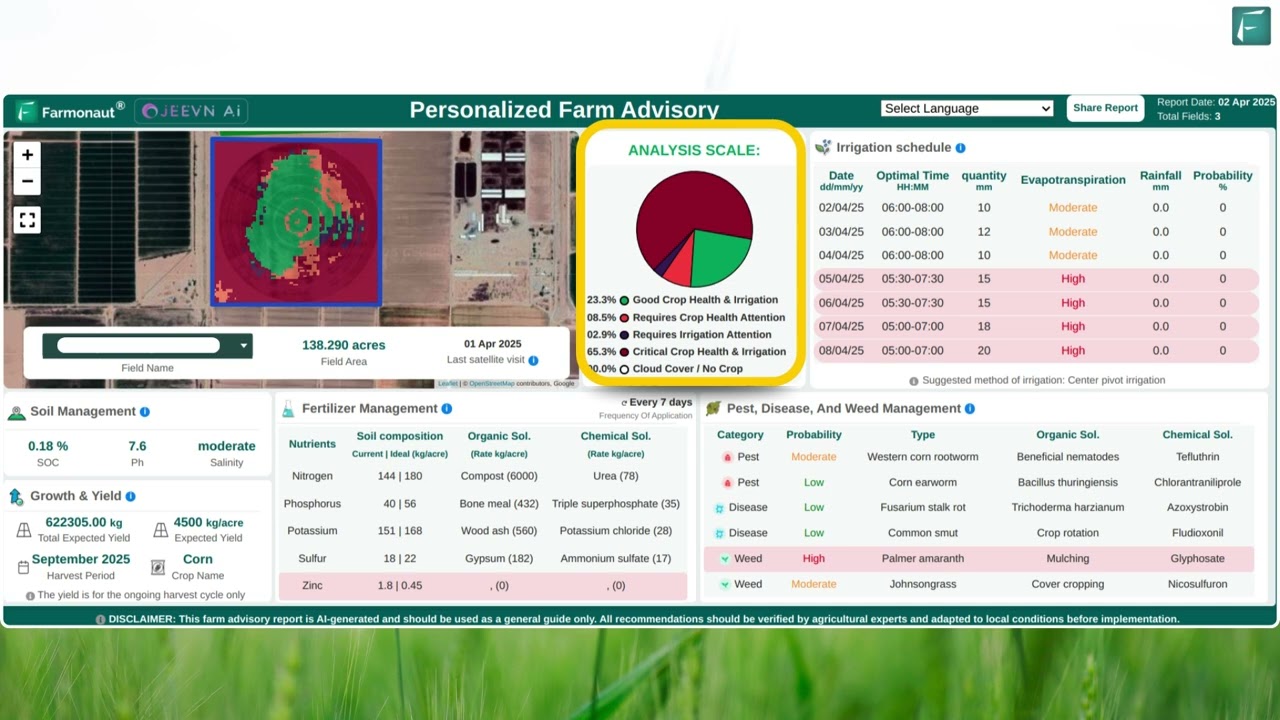
Farmers are increasingly using AI-powered advisory systems and herd management software—such as Farmonaut’s Jeevn AI and agro-admin platforms—which analyze reproductive data, recommend breeding strategies, and track progress.
For more on digital transformation in farming, see Farmonaut’s Large Scale Farm Management.
5. Blockchain-based Traceability
By leveraging blockchain traceability tools, farmers can document the lineage and health protocols associated with each AI-born goat. This enhances product value, compliance, and market access in increasingly quality-conscious global markets.
6. Environmental Impact Tools
With technologies such as carbon-footprint monitoring from Farmonaut, it is possible to quantify reductions in emissions per unit of goat product following AI adoption, a must for sustainable and climate-smart farming.
7. Smart Farm Integration & API Connectivity
Modern farms are now integrating herd management data with remote-sensing applications and Farmonaut’s API for seamless animal productivity and resource optimization insights.




AI Technology, Digital Tools & Satellite Insights in Goat Farming
The integration of artificial insemination in goats with satellite technology, AI-driven analytics, and digital platforms is unlocking unprecedented opportunities for both small-scale and commercial goat farmers in 2026 and beyond.
- 🛰️ Large Scale Farm Management: Monitor environmental conditions, develop adaptive breeding strategies, and manage herds efficiently with real-time and historical satellite data.
- 🤖 AI-based Advisory Systems: Platforms like Jeevn AI deliver weather forecasts, resource recommendations, and health alerts for better AI planning.
- 💻 Fleet and Resource Management: Streamline logistics and resource application during synchronized breeding or kidding seasons.
- 🔗 Product Traceability: Value your herd’s pedigree and health compliance in markets that reward traceability.
- 🛡️ Insurance and Loans: Satellite-based data supports financial risk assessment for herds improved through AI.
- 🌱 Carbon Footprinting: Track, prove, and enhance the sustainability profile of your agricultural operation with real-time carbon and emission metrics.


Challenges, Sustainability & The Outlook for 2026 and Beyond
- ✔ Requirement for skilled personnel & quality training
- ✔ Initial investment in AI kits and infrastructure may be higher
- ✔ Variable conception rates depending on breed and technique
- ✔ Adoption lags in regions lacking advisory support and extension services
Overcoming these challenges necessitates continuous innovation in training, affordable technologies, and access to farm advisory tools. Farmonaut and other digital solution providers are enabling farmers to bridge knowledge and resource gaps by providing data-driven recommendations and operational support.
- ✔ Scaling mobile advisory and remote support
- ✔ Integration with broader herd-health and farm management systems
- ✔ Policy support and incentives for farmers adopting sustainable, high-tech practices
The future outlook for artificial insemination and related technologies in goat farming by 2026 and beyond remains exceptionally bright:
- ✔ Gene editing and advanced reproductive biotech may further accelerate genetic gain
- ✔ Sustainable goat farming using AI is key to food security, rural livelihoods, and climate resilience
- ✔ Traceable, high-quality products can command higher market value and build consumer trust
- ✔ Integration with satellite insights will make animal agriculture more predictable, profitable, and environmentally friendly
- ✔ Blockchain and data-driven supply chains will continue to unlock new market opportunities
Frequently Asked Questions (FAQ)
What is the key difference between AI and natural mating in goats?
AI in goats, agriculture goat farming involves the manual introduction of semen from selected, elite bucks into a doe—without natural mating. This method enables faster genetic gains, reduced disease transmission, easier herd management, and access to global genetics.
How much can AI improve conception and kidding rates?
With precise synchronization protocols and improved semen handling, AI can achieve 10–25% higher conception and kidding rates compared to unsynchronized natural breeding.
Is AI cost-effective for smallholder farmers?
Although initial costs may be higher, AI reduces the long-term expenses of keeping multiple breeding males, minimizes disease-related losses, and scales via portable kits and training—making it highly cost-effective over time.
How does AI contribute to sustainable goat farming?
AI reduces resource use per animal product (milk, meat, fiber), enables faster genetic improvement, and, when combined with carbon footprint monitoring, strengthens environmental stewardship.
Can AI in goats integrate with digital and satellite-based farm management?
Absolutely! AI data can sync with digital herd management software, blockchain traceability tools, and satellite monitoring solutions like those from Farmonaut, providing farmers with end-to-end control and efficiency in 2026 and beyond.
Conclusion: Driving Sustainable Success in Goat Farming by 2026
The role of artificial insemination (AI) in advancing goat farming is more critical than ever as we approach 2026. By enabling precise, efficient, and safe breeding practices, AI supports genetic improvement, disease control, resource management, and sustainability in agriculture goat farming worldwide.
For farmers seeking to grow productivity, adapt to climate and market shifts, and position their operations for the future, AI in goats is no longer a luxury—it’s an indispensable practice. When combined with advanced digital tools, satellite-based monitoring, and blockchain traceability, the pathway to efficient, resilient, and profitable goat farming is within reach.
Let’s harness the power of AI, innovation, and satellite insights to build the next generation of sustainable livestock farming.
Leverage Farmonaut’s apps, APIs, and advisory solutions for smarter breeding, resource management, and satellite-based sustainability insights.

Discover how Farmonaut can transform your approach to goat farming and sustainable agriculture in 2026 and beyond.
Discussion
Questions, corrections or field experience? Share them below. First-time comments are reviewed before they appear, and your email is never published.
No comments yet. Be the first to add a question or your experience.

 WeMe Global
 Pixxel
 Sapoznick Farms
 Agrotoken
 Blue BearX
 Insignito
 Croptimum
 DnCubed
 Field Capacity
 Indosistim Teknologi
 Liquify Digital
 CU Foods
 BeyondTech Global
 Rouge VC
 AgroGreen Dynamics
 AgroRisk
 Oath Inc
 Reddane Farming
 Esri North East Africa
 Licence holder · Niger · Gold










