

Almond Milk and Bees: 7 Impacts of Almond Milk Production [2026 Update]
“Almond groves require over 1.6 million bee colonies for pollination, supporting nearly 80% of U.S. commercial bee pollination annually.”
Introduction: Almond Milk Production and Bees
Almond milk and bees are at the center of global sustainability discussions as we look ahead to 2026 and beyond. The popularity of almond milk has skyrocketed over the past decade as an alternative to dairy, largely due to consumer demands for sustainability, health, and diverse dietary preferences. However, behind the refreshing glass of almond milk lies a critical relationship with bee populations, particularly honeybees, without whom the almond industry would not thrive.
This blog delves into the vital almond milk production and bees dynamic, exploring how modern agricultural practices affect pollinators, the challenges bees face, and the innovations and sustainable solutions emerging in almond cultivation as we move into 2025 and 2026. We’ll also compare almond milk with other popular plant-based milks and present actionable steps toward a balanced future for both bees and our favorite non-dairy beverages.

Almond Trees, Almond Milk, and the Role of Bees
Almond trees (Prunus dulcis) form the essential foundation of almond milk. What’s truly unique—and critical—about almond cultivation is the way these trees depend on pollinators, primarily honeybees, to bear fruit and enable the production of almond milk.
Why Are Bees Essential to Almond Farming?
- Unique Tree Biology: Almond trees are heavily dependent on insect pollination—unlike many other crops, they cannot self-pollinate efficiently.
- Synchronous Flowering: They bloom with stunning uniformity in early spring, creating a short, intense window when pollination is vital for yield.
- Honeybees as Primary Pollinators: Managed honeybee colonies are almost exclusively responsible, as native pollinators alone can’t handle the scale.
- Scale: In the United States (especially in California), almond orchards draw in over 60% of the nation’s managed bees each year.
The combined effect of synchronous flowering and almond orchard scale means that the almond industry’s future directly depends on a healthy bee population. Successful pollination maximizes yields—crucial amidst growing consumer demand for almond milk worldwide.
The Link Between Almond Milk Production and Bees
Almond milk production and bees are inextricably linked. Producing almond milk requires harvesting vast quantities of almonds, which itself depends on successful pollination—and thus, healthy bee populations. A decline in bee health or population means reduced almond yields, impacting both the supply and price stability of almond milk.
As almond milk continues to surge in popularity, expansive almond orchards are established worldwide, especially in the United States and increasingly in Australia, Spain, and parts of Asia. The global demand means the health and availability of bees has become a critical agricultural factor.
Failure to prioritize pollinator welfare can cause downstream issues:
- Insufficient pollination → Lower almond harvests → Almond milk shortages → Potential price hikes
- Stress on bee populations → Higher bee mortality → Potential pollinator crisis
How Are Bees Managed for Almond Crop Pollination?
- Transported Hives: Each February, over 1.6 million honeybee colonies are trucked to California’s almond groves—often from thousands of miles away.
- Rapid Mobilization: Bees arrive and pollinate within a 2-3 week window, then move on to pollinate other crops across the country.
- Intensive Practice: This migration is the world’s largest managed pollination event, supporting nearly 80% of all commercial bee pollination in the U.S.
Is Almond Milk Production “Killing Bees”?
The phrase “almond milk and killing bees” often appears in headlines, reflecting real concerns about bee health risks. While almond milk itself isn’t an enemy to bees, modern almond farming practices can place significant stress on bee colonies, especially when sustainability guidelines are ignored:
- Pesticide exposure during bloom
- Pathogen and parasite transmission due to mass hive congregation
- Poor nutritional diversity from almond orchard monocultures
- Stress and immune suppression from long-distance transport
In response, industry and science are driving innovation in sustainable beekeeping and farming as we approach 2026.

7 Critical Impacts of Almond Milk Production on Bees & Our Ecosystem
“In 2025, sustainable almond farming aims to reduce bee mortality by 30% through eco-friendly pesticides and habitat restoration.”
1. Intense Seasonal Pollination & Bee Transportation
The thriving almond milk industry depends on synchronous, short-period pollination in spring. This period creates intense demand for pollination services—honeybee hives are transported from all parts of the country to almond orchards, especially in the United States (mostly California).
- Pros: Effective pollination maximizes almond yields and milk supply.
- Cons: Transporting thousands of hives is highly stressful for bees, causing fatigue and exacerbating disease risks.
- A newly recognized challenge in 2025/2026: Each year’s cascade of hive movements efficiently supports almond cultivation, but it can spread pests and pathogens among bee populations, impacting subsequent pollination events for other crops.

2. Increased Exposure to Pesticides and Parasites
Pesticides remain an essential part of almond farm management, yet certain pesticide types are harmful to bees. Almond orchards that apply pesticides or fungicides during bloom put visiting honeybee colonies at risk. Exposure can:
- Weaken bee immune systems
- Increase susceptibility to diseases and parasites—notably the Varroa mite
- Lead to sublethal effects, reduced foraging efficiency, and even bee death
- Contribute to widespread colony collapse disorder (CCD)
Pesticide residue can be spread to hives during foraging, hurting future bee generations. Recognizing this, sustainable almond growers in 2025/2026 are shifting to integrated pest management (IPM) practices, which use less toxic alternatives and prioritize timing applications to minimize bee exposure.

3. Habitat Loss Due to Monoculture Almond Orchards
The expansive almond orchards necessary to meet global almond milk demand often become single-crop monocultures. While efficient, these landscapes:
- Replace natural habitats, reducing biodiversity
- Reduce nesting sites and food sources available for native bees and other pollinators
- Exacerbate soil degradation & pesticide dependence
This loss of habitat negatively influences not just managed honeybee colonies but also a spectrum of native pollinator populations.

4. Impacts on Bee Nutrition and Forage Diversity
Almond trees bloom for only a short period in spring. Outside of this window, the orchards lack floral diversity, meaning bees find little to no forage for the rest of their stay.
- Restricted forage reduces bee nutritional intake, lowering immune response and overall health.
- This directly impacts bee colony strength during and after almond pollination.
- Many beekeepers now proactively feed supplements to their bees to make up for the lack of nutritional variety in almond-dominant landscapes.
Planting wildflower strips, hedgerows, or cover crops within and around almond orchards can restore vital habitats and boost bee nutrition. Such sustainable practices are gaining momentum in leading almond-producing regions as we approach 2026.
5. Bee Health, Colony Collapse Disorder & Mortality Risks
Colony Collapse Disorder (CCD) remains one of the biggest challenges threatening bee populations worldwide. CCD and heightened bee mortality are tied directly to the way bees are managed for almond pollination:
- Stress from transportation and crowding
- Increased disease and parasite transmission – e.g., Varroa mites thrive in large gatherings
- Exposure to harmful agrochemicals compromises immunity
- Monoculture diets weaken bees nutritionally
Progress is underway: By 2025, there is a focused effort by industry and regulation to reduce bee mortality in almond orchards by at least 30% through better practices, habitat restoration, and eco-friendly pest management.

6. Environmental & Water Use Considerations
Almond cultivation has been scrutinized for its high water usage, especially in drought-prone regions like California. Almond milk production’s sustainability record is mixed:
- Water Use: Almond trees require significant irrigation (1-1.5 gallons per nut on average), which, when scaled for global almond milk demand, shapes local water tables and ecosystem health.
- Pesticide and Fertilizer Runoff: Contributes to soil and waterway degradation if not responsibly managed.
- Land Use: Expanding almond orchards often replace natural habitat, affecting biodiversity beyond just pollinators.
To address this, many almond growers leverage satellite monitoring and carbon footprinting solutions to optimize resource use and reduce the overall environmental impact of almond milk production.
7. Sustainable Almond Milk Cultivation – Innovations for 2026
Conscious consumers and proactive agricultural companies are driving the adoption of sustainable almond farming practices in 2025/2026 and beyond:
- Integrated Pest Management (IPM): Significantly reduces use of bee-harmful pesticides and times applications when bees are least active.
- Habitat Enhancement: Planting cover crops, wildflower strips, and native hedgerows in and around orchards.
- Bee Health Certification: Certification programs for “bee-friendly” almonds promote sustainable practices, benefitting almond milk brands and bees alike.
- Technology & Innovation: Fleet and resource management tools from Farmonaut and others enable more efficient hive logistics, optimized irrigation, and pesticide timing—minimizing negative impacts on bee health and the land.
- Alternative Pollinators & Robotic Solutions: Increasing research into native pollinators and even mechanical pollination, but honeybees remain irreplaceable for large-scale almond milk production.
Many almond growers are also using large-scale digital farm management platforms to track orchard health, automate sustainability reporting, and ensure compliance with evolving eco-standards.
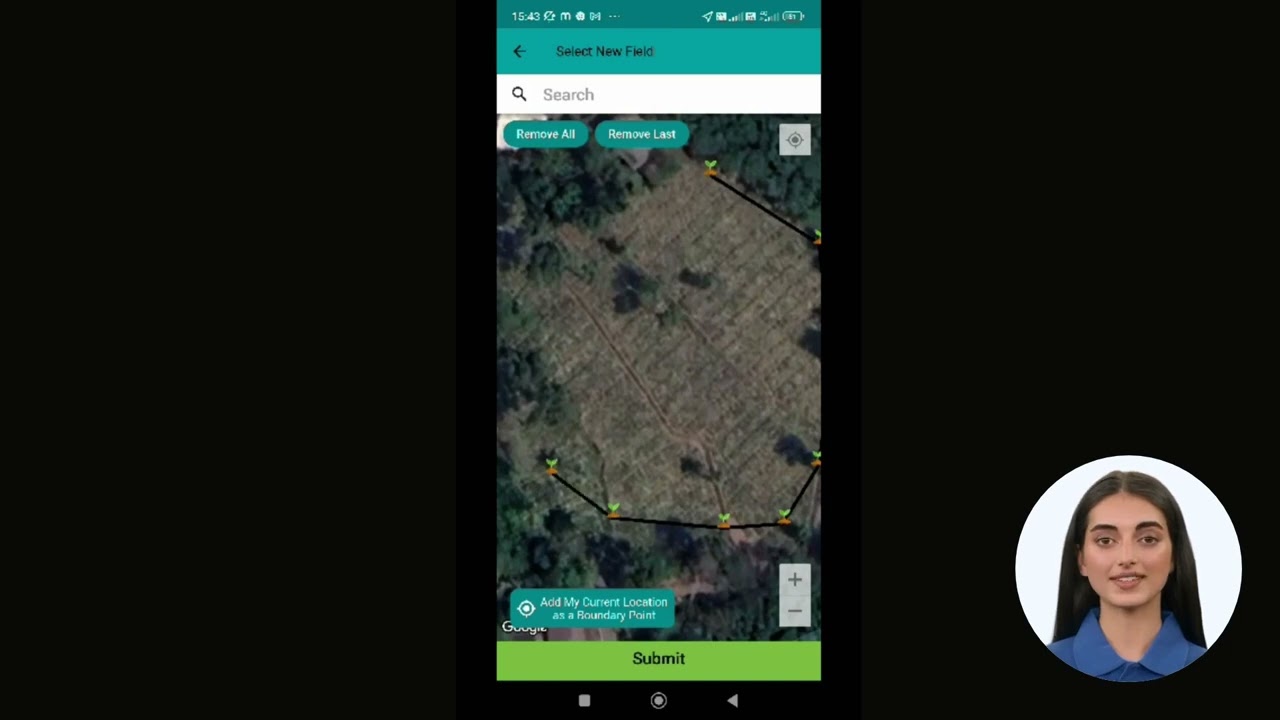


Explore Farmonaut’s APIs and Developer Docs for satellite-based weather, resource monitoring, and pollinator habitat tracking solutions for advanced almond orchard management.
Comparison Table: Environmental & Pollinator Impacts of Almond, Soy, and Oat Milk
| Impact Area | Almond Milk | Soy Milk | Oat Milk |
|---|---|---|---|
| Water Usage | High (>370 L per glass) Water-intensive orchards, especially in California. |
Low to Moderate (~28 L per glass) | Very Low (~48 L per glass); requires less irrigation per yield unit. |
| Pesticide Use | Moderate (pesticides & fungicides common, but shifting toward IPM and biological controls in 2025+) |
Low (soybeans generally need less pesticide in rotation systems) |
Very Low (usually grown with fewer pesticides) |
| Pollinator Dependency | Extremely High: Needs insect/honeybee pollination for fruit set. | Very Low: Usually self-pollinated; bees optional. | Low: Wind-pollinated; no managed bee colonies needed. |
| Bee Mortality Risk | High: Intensive pollination periods, transportation, and pesticide exposure present risks. | Low: Less pollinator use reduces risk. | Minimal |
| Sustainable Practices Introduced | Eco-certification programs, bee-friendly orchards, satellite monitoring, habitat restoration, IPM, tech innovation. | Rotation and minimal-till approaches, limited pollinator impact. | Conservation tillage, water-efficiency, low pesticide systems. |
| Estimated CO2 Emissions | Moderate: Less than dairy, higher than oat/soy (emissions mostly from irrigation and logistics) | Low: Efficient to grow, low resource input | Lowest per liter (low inputs, high yield/acre) |
| Land Use | High: Large orchards and irrigation infrastructure | Moderate: Crop rotation systems | Lowest: High-yield cropping, low footprint |
*Data based on international research (2023-2025), rounded for clarity; actual impacts may vary by region and farming practices.
Farmonaut’s Environmental & Pollinator Monitoring Solutions
At Farmonaut, we understand that agricultural sustainability and bee health go hand-in-hand for almond milk producers, orchard managers, and policy makers. Our satellite and AI-driven monitoring platform empowers growers to:
- Track orchard health in real time: NDVI, vegetation indices, and crop stress alerts for timely decisions.
- Monitor water use and soil conditions: Optimize irrigation to reduce almond milk’s water footprint.
- Support integrated pest management: Early detection of pest outbreaks via satellite imagery helps reduce harmful pesticide use.
- Promote habitat and carbon tracking: Measure carbon emissions, oversee habitat restoration, and encourage wildflower planting to support pollinators year-round.
- Ensure supply chain transparency: Blockchain-based traceability for honey and almond products, building consumer trust in sustainable, bee-friendly practices.
- Provide access across platforms: Our solutions are available via web, Android/iOS apps, and API, making advanced environmental monitoring accessible and affordable to all stakeholders.
For advanced workflow integration, our API and developer documentation offer robust data access for agri-tech developers and enterprise solutions.
Farmonaut Subscription Options
To ensure your almond milk operations, orchards, or research revolve around sustainable, data-driven practices for bee health and ecosystem balance, explore Farmonaut’s flexible satellite monitoring plans below:
Frequently Asked Questions on Almond Milk & Bees
1. Does almond milk production really harm bees?
While almond milk production and bees are closely linked, it’s not almond milk itself that harms bees, but some unsustainable almond farming practices. Intensive pesticide use, hive transportation, and habitat loss all increase bee stress and mortality risks. New sustainable practices and bee-friendly certifications are actively reducing these risks.
2. Why do almond trees need honeybees?
Almond trees are almost entirely reliant on honeybees for pollination. Without bees, their fruit set and crop yield would collapse, impacting almond milk supply globally.
3. Is “almond milk and killing bees” a myth?
The phrase highlights genuine concerns about commercial bee mortality. Almond milk’s popularity drives intense agriculture during almond bloom season. With responsible farming practices, this does not have to equate to bee deaths.
4. Are there alternative milks with lower bee impact?
Soy and oat milk have much lower pollinator dependency and lower bee mortality risk since these crops do not rely on insect pollination. See the comparison table above for more detail.
5. How can I choose more sustainable almond milk in 2026?
Look for brands with bee-friendly certifications, transparent supply chains (backed by traceability solutions), and a public commitment to sustainable orchard management.
Conclusion: Towards Sustainable Almond Milk Production and Bee Health
The link between almond milk and bees is among the most significant agricultural relationships shaping sustainability in 2025, 2026, and beyond. With almond milk production expanding worldwide, ensuring pollinator health is more crucial than ever—not only for crop yields but for maintaining biodiverse, resilient agricultural landscapes and food security for the future.
The future demands a careful balance: advanced technology (e.g. satellite-based monitoring and traceability), stronger sustainability practices, responsive regulation, and a commitment from consumers to prioritize eco-conscious, bee-friendly plant-based alternatives. By integrating habitat preservation, eco-innovation, responsible pesticide use, and real-time environmental tracking, we can ensure the almond milk we drink in 2026 is not only delicious and nutritious—but produced sustainably, securing a thriving future for bees, farmers, and ecosystems alike.
Explore Farmonaut for satellite-powered, sustainable almond and pollinator monitoring. Make smart, balanced decisions for agricultural success and biodiversity stewardship in 2026 and beyond.
Discussion
Questions, corrections or field experience? Share them below. First-time comments are reviewed before they appear, and your email is never published.
No comments yet. Be the first to add a question or your experience.

 Ascentya
 CU Foods
 BeyondTech Global
 Rouge VC
 Yutz Automation
 AgroGreen Dynamics
 AgroRisk
 Oath Inc
 Reddane Farming
 Esri North East Africa
 Cresol
 Atur Kuliner
 MDCV UK
 Zerella Group
 Etech Consulting Madagascar
 Vestlandsforsking
 Delicio
 WB Dev
 Sama Premium
 Prochecker
 Tres Valles
 LACOS Geoinformation
 Magrifly
 LatConnect 60
 Exploration consultancy · South Africa · Gold
 Licence holder · Niger · Gold










