

Reviewed August 2026 against USDA APHIS/ARS, USDA NASS, and USDA ERS.
Try it: Enter your numbers above. →
Rat Infestation, Ant Infestation & Pest Damage: Signs, Costs, and Fixes That Work
A rat infestation in stored grain shows up first as gnaw marks on packaging, greasy rub marks along walls, and droppings near feed bins — not as a sudden crop failure. An ant infestation usually announces itself through the pests it protects: aphids and mealybugs clustering under a canopy of ants that are farming them for honeydew. Both problems are older than any pesticide on the market, both are still costing US growers real money every year, and both respond to the same core discipline: remove the food and shelter before you reach for a chemical.
This guide walks through what a rat, mice, ant, or vermin infestation actually looks like on a US farm or in a home garden, what the documented economic damage has been, and what an Integrated Pest Management (IPM) program does differently from a spray-and-hope approach. Every figure below carries its source and its year, because pest economics data in the US is published on an irregular cycle and a number without a date is not a number you can trust.
Pest Infestation in US Agriculture: What the Numbers Actually Show
“Pest infestation” is a broad label, and the scale differs enormously depending on which pest and which crop you mean. The most recent national-level cost estimate for a single pest species comes from the US Department of Agriculture’s Agricultural Research Service, which put the annual cost of imported fire ant damage to US agriculture at $750 million in a 2003 estimate published in its area-wide fire ant management report (USDA ARS, area-wide fire ant final report). That figure has not been revised in a newer national study as of this review — if you need a current number, the right move is to contact USDA APHIS or ARS directly and ask whether an updated area-wide cost assessment has been published, rather than trust an inflation-adjusted guess.
For vertebrate pests — rats, mice, ground squirrels, and other burrowing or gnawing animals — the most complete national breakdown is also older than most growers would like: a 2001 USDA National Estimates study found $619 million in vertebrate pest damage to US field crops and $146 million in damage to fruit and nut crops in that year, figures compiled in a report hosted by the California Department of Food and Agriculture’s Vertebrate Pest Control Research Advisory Committee (USDA/CDFA VPCRAC economic damage report). The same body of research broke damage down regionally: on alfalfa in the Northern US, vertebrate pest damage accounted for an average 19.39% revenue loss in 2001 — a figure that should reset your expectations if you assumed rodent damage was a marginal cost.
No US federal agency has since replaced these numbers with a newer nationwide total. That is a real gap, not an oversight on our part: national-scale pest-damage economics surveys are expensive to run and are not repeated on a fixed schedule. Treat the $750 million and $619 million figures as the most recent verified floor, not as this year’s number.
Rat Infestation and Mice Infestation: Signs, Damage, and Disease Risk
Rat infestation and mice infestation remain the most consistently damaging vertebrate pest problem documented in US agriculture. Rodents damage grain, fruit, and vegetables both by direct consumption and by contaminating what they don’t eat with droppings, fur, and urine — which is a food-safety liability as much as a yield one. The $619 million field-crop and $146 million fruit-and-nut figures above are the clearest national anchor for the scale of that damage, and the 19.39% Northern alfalfa revenue-loss figure shows how concentrated the damage can be on a single crop in a single region.
What a Rat or Mice Infestation Looks Like
- Gnaw marks on packaging, wiring, and wooden structural members
- Droppings clustered in or around storage bins and along walls
- Burrows and tunnels in embankments, irrigation berms, or behind infrastructure
- Grease trails — dark smear marks along baseboards and beams where rodents travel repeatedly
- Visibly bitten fruit, stalks, or stored produce
- Rodent sightings at dusk or dawn, when most rat and mice species are most active
Why Rat Infestation Is a Disease Problem, Not Just a Yield Problem
Direct exposure to rodent droppings and urine is a documented route for leptospirosis, hantavirus, and other zoonotic diseases in agricultural settings — a fact that matters for readers searching specifically for diseases caused by rats to humans. Leptospirosis spreads through contact with water or soil contaminated by infected rodent urine, which makes irrigation channels, flooded fields, and standing water near grain storage the highest-risk contact points on a farm. Hantavirus spreads primarily through inhaling dust contaminated with rodent droppings or urine, which is why sealed, ventilated cleanup procedures (not dry sweeping) matter when clearing out a rodent-infested structure. If you suspect a rodent-borne illness in a farmworker or family member, the correct first step is a healthcare provider, not a pest-control decision.
Effective Rat and Mice Infestation Management
- Sanitation: Regular cleaning of storage and operational areas, prompt removal of spillage, and responsible waste handling all reduce the food sources that draw rodents in the first place.
- Facility fortification: Seal gaps larger than a quarter-inch (mice) or half-inch (rats) and use rodent-proof containers for stored grain and feed.
- Environmental controls: Clear debris along facility walls and field perimeters; regular mowing and landscaping removes cover rodents use to approach structures undetected.
- Careful rodenticide use: Where bait is necessary, use products with low secondary-toxicity risk under label guidance, and place bait stations so non-target species and pets cannot access them.
- Biological control: Barn owl nest boxes and encouraging other native rodent predators can meaningfully suppress populations where practical, without chemical inputs.
Our Fleet and Resource Management Solution at Farmonaut helps agricultural, mining, and industrial operations schedule inspection and repair crews strategically — useful for the maintenance work that follows rodent damage to wiring, irrigation infrastructure, or storage structures.

Satellite-based surveying of crops, soil, and infrastructure — offered through Farmonaut Carbon Footprinting & Environmental Impact Tracking — gives growers a way to flag anomalies (disturbed soil, damaged irrigation lines, stress patterns near storage) consistent with rodent activity before the damage becomes visible on the ground.
Rat Removal: What Actually Works Before You Call a Professional
Rat removal on a working farm is a sequence, not a single action. Snap traps and enclosed bait stations placed along the grease trails and burrow entrances identified during inspection are the first line — glue boards are discouraged in most current pest-management guidance because they cause prolonged suffering and can catch non-target wildlife. The sequence that actually reduces a rat population, rather than just the visible individuals, is: cut off food access, seal entry points, then trap or bait what remains inside the sealed perimeter. Doing bait or traps first without sealing entry points simply invites replacement rats from outside. For infestations inside occupied structures, in grain storage, or near livestock, a licensed pest-control operator can apply rodenticides and place bait stations in ways that meet label and food-safety requirements that a DIY approach often misses.
Ant Infestation in Agriculture and Forestry
Ant infestation looks harmless at first — a trail of ants along a stem rarely alarms anyone — but certain species farm aphids and mealybugs for their honeydew, actively defending these sap-sucking pests from ladybugs, parasitic wasps, and other natural predators. The aphids and mealybugs then damage the plant directly, and their honeydew creates a sticky surface that promotes black sooty mold. In forestry, leaf-cutting ant species can defoliate young trees fast enough to slow regeneration and extend time to maturity on managed plantations.
Signs of Ant Infestation
- Ant trails concentrated along crop rows, especially near aphid or mealybug clusters
- Sticky honeydew residue on leaves, often followed by black sooty mold
- Seedling failure with visible soil disturbance around the root zone
- Defoliation patches on young trees or nursery seedlings
Ant Infestation IPM Strategy
- Baiting: Ant-specific bait stations target the colony directly while minimizing exposure to bees and other beneficial insects.
- Habitat management: Reduce moisture buildup and clear organic debris — fallen leaves, mulch piles — that shelter nests.
- Cultural controls: Crop rotation, weed-free buffer strips, and avoiding overwatering all reduce the nesting sites and food sources ants rely on.
- Biological controls: Where feasible, encourage or reintroduce natural ant predators rather than defaulting to broad-spectrum insecticide.
Need real-time monitoring of pest hotspots and soil conditions? Explore Farmonaut’s Large Scale Farm Management Solution for satellite-driven pest mapping and crop health guidance, with AI-based advice tied to current field data.

Ant infestation is frequently entangled with mealybug outbreaks in citrus and similar tree crops — the two problems usually need to be addressed together, since treating the mealybugs without disrupting the ants that protect them tends to fail.

Ants in the Yard: The Best Way to Get Rid of Ants in a Garden
For a home garden or small-scale plot, the best way to get rid of ants starts with removing what draws them in, not with the bait itself. Ants nest where there is loose, dry organic material and reliable moisture nearby — thick mulch layers, compost piles pushed against garden beds, and consistently damp soil from overwatering are the three most common invitations. Reduce mulch depth, water on a schedule rather than little-and-often, and clear compost or leaf litter away from bed edges, and many yard ant problems shrink on their own within a couple of weeks because the colony relocates to find better conditions.
Where ants persist after habitat changes, ant-specific bait stations — placed away from flowering plants and pollinator activity — target the colony without the collateral damage of a broad-spectrum spray. Avoid broadcast insecticide across a vegetable garden bed: it kills the pollinators and predatory insects (ladybugs, lacewings) you want, while doing relatively little to the ant colony itself, which is usually sited outside the treated area.
How Yard Ants Affect Garden Plants
- Nest construction: Ant colonies shift soil structure locally, which can unevenly redistribute nutrients and moisture around root zones.
- Soil pathogens: Some ant species facilitate root-infecting pathogens, contributing to seedling damping-off or stunted growth.
- Protection of pest insects: As in field crops, yard ants shepherd aphids and mealybugs onto garden plants, compounding the damage.
For smart garden and soil monitoring, try the Farmonaut App for Crops, Plantations, and Forest Advisory, which helps track soil moisture levels tied to pest-favorable conditions.



What Scenarios Lead to a Pest Infestation
Most pest infestations trace back to one of four conditions arriving at once, and it is worth naming them plainly because prevention is cheaper than any cure listed above:
- Uncleared food source: Spilled grain, exposed compost, unmanaged manure piles, or fallen fruit left in place gives a pest population the resources to grow past the point where a colony dies out on its own.
- Available shelter and moisture: Deep mulch, wood or debris piles against structures, and persistently damp soil from overwatering or poor drainage create the microclimate rats, ants, and termites all prefer.
- Unsealed structural entry points: Gaps around doors, foundations, and utility penetrations let rodents move from field to storage; the same gaps let termites reach structural wood undetected.
- Interrupted monitoring: Infestations that are caught early (a few ant trails, a single gnaw mark) are cheap to manage; the same infestation caught after a season of undetected growth requires a much larger intervention. This is the scenario most farms actually fail on — not the biology, the inspection schedule.
Vermin infestation and animal infestation more broadly — including species like ground squirrels and gophers that fall under the same “vertebrate pest” category as rats — follow the identical pattern: food, shelter, and unmonitored time are what let a population go from a handful of animals to a documented revenue loss like the 19.39% Northern alfalfa figure cited above.
Termite Infestation: The Pest That Damages Silently
Termite infestation is often the most overlooked of the pests covered here because the damage is invisible until a beam fails or a fence post collapses. Termites consume wooden materials — farmhouses, barns, fences, pallets, tool handles, and young trees — from the inside out, and unlike rat or ant damage, there is rarely a visible trail until the structure itself is compromised.
Signs of Termite Infestation
- Pencil-width mud tubes traveling up wooden structures or foundations
- Damp-sounding or hollow beams and planks when tapped
- Excessively brittle wooden storage bins or pallets
- Winged termite “swarmers” appearing during humid periods, usually a sign an existing colony is mature enough to be reproducing
Sustainable Termite Management
- Soil treatments: Eco-friendly termiticide barriers around structures, applied before construction or planting where possible.
- Termite-resistant wood: Choose lumber species that discourage infestation for high-risk infrastructure.
- Biological controls: Entomopathogenic fungi and nematodes that specifically target termites, with lower non-target impact than broad soil termiticides.
- Regular inspection: Scheduled checks of wooden infrastructure catch damage before structural failure.
- Environmental management: Keep cellulose debris clear and avoid direct soil contact for stored wood near high-risk sites.
Satellite imagery and AI-based monitoring — available through Farmonaut’s Blockchain-based Product Traceability — help flag soil and vegetation disturbances consistent with termite and other subterranean pest activity.

House Fly Infestation: An Underestimated Disease Vector
House fly infestation thrives on poorly managed organic waste — manure and decaying plant residue are prime breeding sites — and flies act as mechanical vectors, carrying bacteria, viruses, and parasites from waste to food surfaces, water troughs, and livestock wounds. The productivity cost is indirect but real: stressed, fly-harassed livestock show lowered immunity and reduced output.
Integrated Fly Management
- Sanitation: Timely removal and composting of animal waste eliminates the primary breeding site.
- Physical barriers: Mesh screens, fly traps, and sticky tape in high-traffic areas.
- Targeted biological control: Biological larvicides applied to manure and waste piles, plus fly-repellent plantings around perimeters.
- Monitoring technology: Sensor-based and AI-driven surveillance for early intervention in large livestock or greenhouse operations.
For a broader look at organic pest management covering both aphids and house flies:

How Much Insecticide US Farms Actually Use — and Why the Trend Matters
One of the clearest signals of how pest-management practice has changed in the US comes from USDA’s own chemical-use tracking. National insecticide use peaked at 158 million pounds in 1972 and had fallen to 29 million pounds by 2008, according to USDA Economic Research Service data (USDA ERS, pesticide use trends summary) — a decline driven partly by more targeted products, partly by the adoption of pest-resistant crop varieties, and partly by wider IPM adoption.
That decline in total volume does not mean insecticide use disappeared from any given crop. USDA NASS’s Agricultural Chemical Use Survey, run on a rotating multi-year cycle rather than annually, found in its most recent published cycle (2014) that 40% of US cotton acreage was treated with insecticides, compared with 28% of rice acreage, 22% of soybean acreage, and 16% of corn acreage (USDA NASS Agricultural Chemical Use Survey). Because NASS rotates which crops it surveys each cycle, these adoption rates are not updated every year for every crop — check the NASS Chemical Use survey guide directly at the link above for whichever crop and year you need, since a newer cycle for some crops was expected in the 2025–2026 window at the time of this review.
Comparison Table: Major US Farm Pests and What Actually Manages Them
| Pest Type | Documented US Damage | Affected Crops/Assets | Typical Signs | Sustainable Management Methods |
|---|---|---|---|---|
| Rat & Mice Infestation | $619M field crops + $146M fruit/nut, 2001 (USDA National Estimates); 19.39% avg. revenue loss on Northern US alfalfa, 2001 | Grains, stored produce, fruits, vegetables, irrigation infrastructure | Gnaw marks, grease trails, burrows, droppings | Sanitation, exclusion/fortification, safe rodenticides, barn owl boxes |
| Ant Infestation | $750M/yr fire ant damage to US agriculture, 2003 estimate (USDA ARS) | Vegetables, tree crops, young trees, garden plants | Ant trails near aphid/mealybug clusters, honeydew, sooty mold | IPM baiting, habitat/moisture management, crop rotation |
| Termite Infestation | No current US national estimate published; assess structure-by-structure via inspection | Barns, fences, pallets, wooden tools, young trees | Mud tubes, hollow wood, brittle timber, swarmers | Soil termiticides, resistant wood, biocontrol fungi/nematodes, inspection schedule |
| House Fly Infestation | Indirect cost via disease transmission and livestock stress; no isolated US dollar figure published | Livestock farms, fruit/vegetable stores | Large fly populations, larvae in waste, animal wounds | Sanitation, screens/traps, biological larvicides |
Where this table says “no current US national estimate published,” that is a factual gap in the public record, not an indication the damage is negligible — termite and fly damage costs are typically documented at the structure or operation level by pest-control professionals rather than aggregated nationally the way fire ant and vertebrate pest damage have been.
Pest Damage Loss Calculator
Use your own crop value and estimated damage percentage — drawn from a range like the 19.39% Northern alfalfa figure above, or your own field scouting — to see what an untreated infestation could cost on your acreage before you decide how much a management program is worth spending on.
Enter your numbers above.
Assumptions: this is a simple linear estimate (acres × crop value per acre × damage %) and does not account for compounding losses across seasons, secondary costs like contamination or disease treatment, or the fact that damage percentage typically varies by how early an infestation is caught. It excludes labor cost of applying management and any yield recovery from partial treatment. Use it to compare scenarios, not as a guaranteed dollar figure.
7 Sustainable Pest Management Tips
- Embrace Integrated Pest Management (IPM): Combine cultural, biological, and targeted chemical methods for ant, rat, and termite control rather than relying on a single tactic.
- Prioritize preventive sanitation: Regularly remove waste and debris that feed rats, flies, and termites — this is the single highest-leverage step in the four-condition scenario above.
- Monitor and map with precision: Use digital and satellite-based tools for early detection of pest populations, moisture, and soil anomalies, before damage compounds.
- Foster ecological balance: Encourage beneficial predators — barn owls for rodents, parasitic wasps and ladybugs for aphids — and rotate crops to break pest cycles.
- Ensure safe storage: Rodent-proof containers and termite/ant-resistant structural maintenance prevent the majority of stored-product losses documented above.
- Customize interventions by context: Adapt strategy to pest species, local climate, and your specific farm or garden conditions — a fire-ant program in the Southeast looks different from a Northern rodent program.
- Stay current on the data: Since national pest-damage estimates update irregularly, check USDA NASS's survey guide periodically for newer chemical-use cycles, and use platforms like Farmonaut for real-time field-level monitoring in between.

How Farmonaut Supports Pest Monitoring
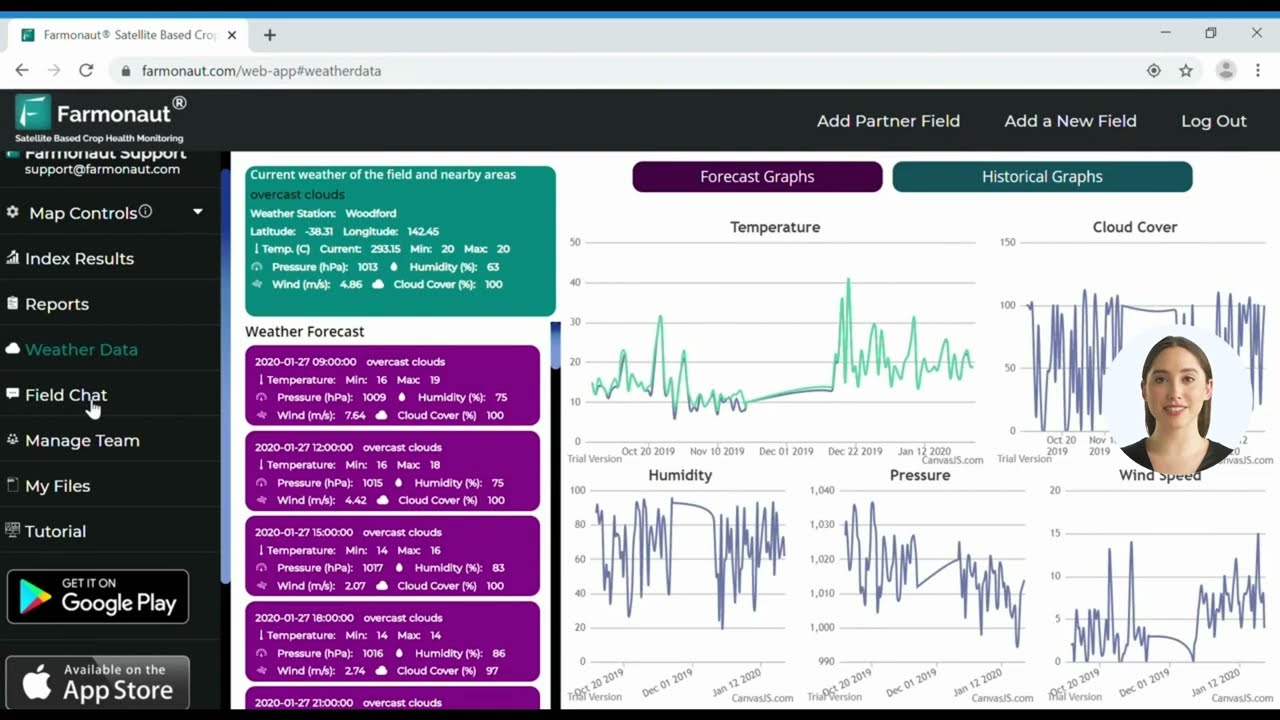
Farmonaut combines satellite technology, AI, and blockchain to support real-time monitoring and decision support for pest-affected and at-risk regions.
Farmonaut's Services Relevant to Pest Management
- Satellite-based monitoring: Detects changes in vegetation health, soil moisture, and anomalies consistent with ant, rat, or termite activity.
- AI-driven advisory (Jeevn): Real-time recommendations for pest management, irrigation scheduling, and environmental monitoring.
- Blockchain traceability: Documentation of resource and pest management across the supply chain, field to storage to export.
- Resource & fleet management: Coordinates inspection and repair resources after pest outbreaks or infrastructure damage.
- Environmental impact tracking: Monitors the footprint of chemical use and pest-related losses (learn more).
Developers and businesses can access these tools via the Farmonaut API and the API Developer Docs.

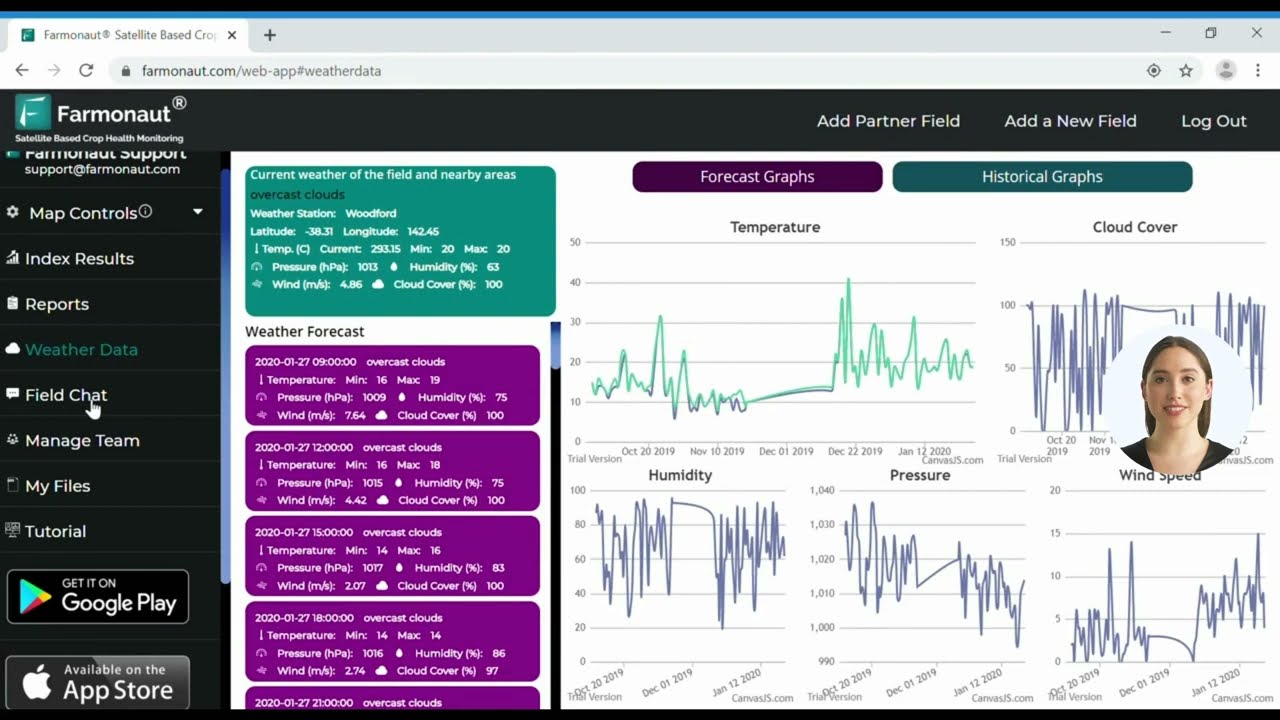
Farmonaut runs on a scalable subscription model for individual farmers, agribusinesses, and government agencies alike.
Frequently Asked Questions About Pest Infestation
What is the most economically damaging pest in US agriculture?
By dollar figure, imported fire ants are the largest single documented cost at $750 million annually to US agriculture, a 2003 USDA ARS estimate. Vertebrate pests as a category (mostly rodents) came in at $619 million to field crops and $146 million to fruit and nut crops in a 2001 USDA national estimate. No newer national totals for either have been published as of this review.
What scenario most commonly leads to a pest infestation?
An uncleared food source (spillage, exposed compost, fallen fruit) combined with available shelter and moisture, plus an interrupted inspection schedule that lets the population grow undetected. Catching an infestation in its first weeks is dramatically cheaper than treating one that has had a full season to establish.
What diseases can rats cause in humans?
Documented rodent-borne disease risks include leptospirosis (from contact with urine-contaminated water or soil) and hantavirus (from inhaling dust contaminated with droppings or urine). Seek medical attention for any suspected exposure rather than attempting to self-diagnose.
What is the best way to get rid of ants in a garden?
Start by removing what draws them: reduce mulch depth, correct overwatering, and clear compost or leaf litter from bed edges. If ants persist after habitat changes, use ant-specific bait stations placed away from pollinator activity rather than a broad-spectrum spray.
How much insecticide do US farms actually use?
National insecticide use fell from a peak of 158 million pounds in 1972 to 29 million pounds by 2008 (USDA ERS). By crop, USDA NASS's 2014 survey cycle found 40% of cotton acreage, 28% of rice, 22% of soybean, and 16% of corn acreage treated with insecticides — figures that update only when NASS re-surveys each crop, so check the NASS Chemical Use survey guide for a newer cycle.
How can small-scale or urban gardens manage ants and rodents sustainably?
Primarily through habitat management — removing debris, securing food sources, rotating plants, and using eco-friendly baits. The Farmonaut App helps track soil moisture and pest-favorable conditions for tailored interventions.
How do I access Farmonaut's satellite and pest monitoring tools?
Download the web or mobile app, explore the large-scale management solutions, or integrate via API.




Securing Farms and Gardens Against Pest Infestation
Rat infestation, ant infestation, termite infestation, and house fly infestation each follow a different biology, but the same four conditions let all of them take hold: available food, available shelter, unsealed entry points, and gaps in monitoring. The documented US costs — $750 million a year from fire ants alone, $619 million and $146 million from vertebrate pests on field crops and fruit/nut crops respectively — are old enough that a current national figure does not exist; that gap is real, and the honest answer is to check USDA APHIS, ARS, and NASS directly for anything newer rather than accept an invented update.
What does not go stale is the method: inspect on a schedule, remove food and shelter before reaching for a chemical, seal structural entry points, and use satellite and soil-moisture monitoring — like the tools at Farmonaut — to catch conditions that favor infestation before the pests themselves are visible.
Get started with Farmonaut through the web and mobile apps.
Discussion
Questions, corrections or field experience? Share them below. First-time comments are reviewed before they appear, and your email is never published.
No comments yet. Be the first to add a question or your experience.

 Kisanwala
 Agro La Gándara
 Global Agrifood
 HIPSAC
 ZOL Zimbabwe
 Juligerm
 AdBio
AdBio MISE Maroc
 NWNS
NWNS Red August Group
 Farm Inc
 WeMe Global
 Agrotoken
 Blue BearX
 Insignito
 Croptimum
 DnCubed
 Field Capacity
 Indosistim Teknologi
