

Barley Grain & Grass Power: Innovations Shaping 2026 Farming



Barley: The Cereal Grain Fueling the Future
Barley (Hordeum vulgare) is an important and versatile cereal crop, shaping agricultural and livestock systems worldwide in 2025 and beyond. Its role in sustainable food production, animal feed, and brewing remains critical, reflecting the dynamic demands of modern farming and technological innovations.
As the world transitions to more climate-conscious agricultural practices, barley’s adaptability and resilience are paramount. From grain to grass, from the breadbasket to the brewery and the cattle feed shed, the story of barley is evolving rapidly—supported by cutting-edge genetics, digital tools, and global market shifts.
Cultivation & Agronomic Advances in Barley Farming
Barley is a hardy crop, adaptable to temperate and semi-arid climates. It thrives across regions worldwide, often outperforming other cereals in challenging environments due to its resilience and lower water requirements. Sowing barley is typically done in early spring or autumn, depending on regional conditions and intended end use: grain production, forage, or brewing.
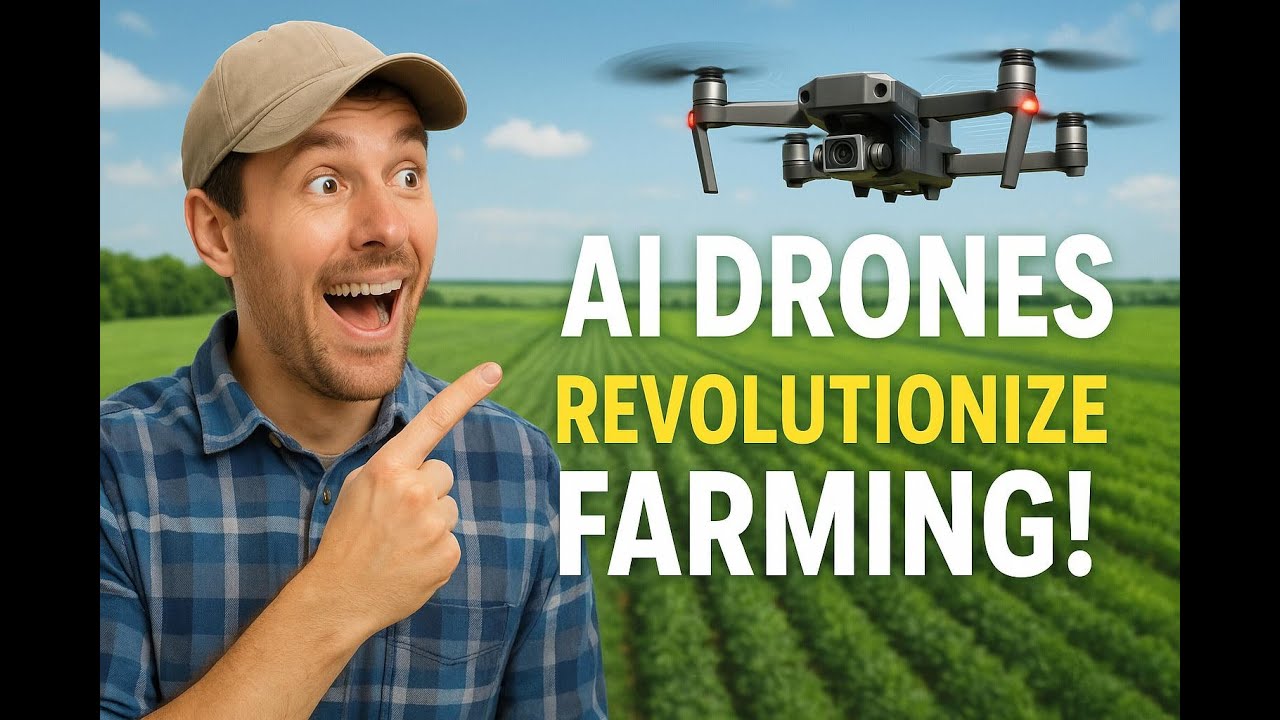
- Precision agriculture: Satellite and AI tools allow farmers to monitor soil health, optimize irrigation, and apply fertilizers efficiently — leading to higher yields, efficient resource use, and significant resource conservation.
- Improved seed treatments: Modern barley seed coatings and eco-friendly protectants minimize pest pressures and disease exposure.
- Cover cropping & crop rotations: Barley in rotation, or as a cover crop, suppresses weeds, controls erosion, and facilitates nitrogen fixation—boosting farm biodiversity and soil fertility.
- Disease-resistant barley varieties: New genetics reduce risk of crop loss in erratic climate conditions.
- Smart irrigation systems: Automated sensors combined with real-time data ensure optimal water use, even in increasingly dry seasons.


Barley Grain, Whole Barley Grain, and Diverse Modern Uses
Whole barley grain consumption has expanded globally, aligning with plant-centric diets and the growing focus on high dietary fiber, vitamins (notably B-complex), and minerals in human nutrition. Modern processing methods enhance barley’s use in breakfast products, health snacks, bakery blends, and bran-enriched foods.
- ✔ Versatile crop supporting multiple agricultural systems
- 💡 Innovations in grain processing (pearling, micronization)
- 🌾 Fiber-rich foods promoting cardiovascular health
- 🐄 Key ingredient in balanced cattle feed
- 🍺 Essential for beer brewing—driving agri-tech investment
- 📊 Data insight: Whole barley grain demand is forecast to increase by 12% in food and beverage sectors.
- ⚠ Risk: Adapting barley grain to warming climates will require ongoing breeding advances.

Barley Bran: Nutrition, Benefits, and Market Demand
Barley bran, the nutrient-rich outer layer of the grain, is increasingly prized by both the food and livestock industries. Its high beta-glucan (a soluble fiber) content supports heart health, cholesterol reduction, and blood sugar control. These health benefits are strongly influencing demand across the cereal products sector.
- ✔ High-fiber content for improved digestion and metabolic health
- 👨⚕️ Supports preventative heart care and diabetes management
- 🌱 Ideal for fortifying cereals, breads, snacks, animal feed
- 📈 Growing market in functional food industries globally
Barley in Beer: Brewing Technology and Sustainability
Barley in beer production is perhaps its most lucrative market. Malted barley grain is at the core of every lager, ale, and craft brew, offering fermentable sugars, unique flavors, and iconic color. Recent innovations in brewing focus on sustainability:
- Low-carbon malting processes relying on clean energy and water-conservation systems.
- Genetically optimized barley varieties for improved yield, disease resistance, and targeted flavor development.
- Digital traceability (read more about Farmonaut Traceability) for tracking every grain batch from farm to glass.
- Craft breweries boosting barley diversity by testing new cultivars and organic sources.
- AI-based quality control tools (read more about Farmonaut Large Scale Farm Management) for consistency in flavor and safety.
Growing Barley Grass & Forage for Cattle
Barley grass, harvested young as silage or hay, is valued for high nutrient density and palatability—especially for cattle and dairy herds. As 2026 approaches, growing barley grass is playing a pivotal role in sustainable livestock systems by:
- ✔ Promoting soil health and organic matter through rotations
- 🌱 Increasing forage productivity under variable climate patterns
- 🐄 Barley for cows improves growth, herd vitality, and milk yield
- 🌾 Aids in integrated crop-livestock systems for resource cycling
- 📉 Reduces dependence on imported feeds and synthetic supplements
Barley for Cows: Livestock Feed Innovations
Barley grain remains a staple livestock feed worldwide, with new approaches in the formulation and optimized feeding in 2025-2026.
- ✔ Balanced starch profile—gentler on rumen, improves milk production
- 🐮 Lower methane output per unit of feed energy (Farmonaut Carbon Footprinting)
- 🦠 Enhanced animal health via better gut nutrition (higher beta-glucan, vitamins, minerals)
- 📉 Reduced feed costs through precision livestock farming and local sourcing
- 💡 AI-driven advisory (see Farmonaut Fleet Management) for delivery logistics and feed scheduling
Comparative Benefits & Innovations Table: Barley Use Cases 2025-2026
| Barley Type | Primary Application | Estimated Yield Advantage (2025, %) | Environmental Impact Score (1–10) | Innovation Index (1–10) | Projected Market Growth % (2025-26) |
|---|---|---|---|---|---|
| Barley Grain | Human Consumption Livestock Feed |
18% | 9 | 8 | 16% |
| Whole Barley Grain | High-Fiber Foods Health Products |
15% | 8 | 9 | 12% |
| Barley in Beer | Brewing & Beverage Industry | 12% | 7 | 9 | 14% |
*Estimated advantages and scores are based on projected 2025-2026 data trends across major agricultural markets worldwide.
Farmonaut Satellite & AI for Sustainable Barley Farming
At Farmonaut, we are proud to lead the way in satellite-driven agricultural intelligence, delivering affordable and accessible insights to farmers, agribusinesses, and governments across the world. Our platforms use multispectral satellite imagery and AI systems to monitor barley crop health, soil status, and resource management in real-time.
- 🛰 Monitor Barley Yields: Visualize NDVI crop health across fields; optimize harvest timing and irrigation for higher yields.
- ⚡ Smart Advisory via Jeevn AI: Receive real-time, field-specific guidance to mitigate disease, pest, and weather threats.
- 🔗 Blockchain Traceability: Authenticate barley grain batches for food safety and global trade transparency.
- 🌍 Environmental Impact Tracking: Quantify barley’s carbon and water footprint for regulatory compliance (explore Carbon Footprinting Features).
- 🚛 Fleet & Resource Management: Streamline barley logistics, field machinery, and storage operations (explore Fleet Solutions).
Explore Farmonaut’s affordable, scalable subscription options below to maximize your barley crop productivity and sustainability:
Visual List: Top Barley-Based Innovations for 2026
- 🌱 Disease-resistant barley varieties
Boosting harvest reliability even under climate stress - 💧 Smart water management innovations
Precision drip irrigation and drought-tolerant barley - 🧬 Genetically optimized malt barley
Enhanced beer flavor and brewing efficiency
- 🛰 Digital farm management
Real-time satellite and AI crop monitoring via apps - 🌾 Carbon footprinting
Tools to reduce emissions in barley-for-cattle operations
Barley-Focused Quick Facts
- 📈 Global barley production exceeded 150 million metric tons in 2025.
- 🦾 AI-powered tools are now used on over 40% of large barley farms worldwide.
- 🌍 Europe and North America lead in barley in beer research and innovation.
- 🐄 Barley for cows has increased feed conversion efficiency, reducing environmental impact.
- 🔗 Product traceability solutions protect end-to-end quality—learn more at Farmonaut Traceability Tools
FAQ: Barley, Livestock, and Sustainable Agricultural Innovations
Barley grain combines drought resilience, early maturity, high output, and multipurpose use—supporting both food supply and sustainable livestock feed. Its adaptability to various climates and compatibility with digital farm management makes it a key crop for the future.
Barley is the backbone of the brewing industry, where optimized genetics and AI-driven malting have improved resource use, reduced environmental impact, and driven research in crop quality and traceability for global markets.
Barley for cows offers balanced nutrition, lower methane emissions, and improved feed conversion rates. These benefits respond to sustainability and climate targets, while AI-assisted crop health monitoring further streamlines the feed supply chain.
Our satellite monitoring and AI advisory tools give farmers up-to-the-minute insights for maximizing barley yields, strengthening supply chain transparency, and tracking environmental metrics for compliance and sustainability goals.
Yes. Barley grass as a cover or forage crop improves soil health, supports nitrogen fixation, reduces pest pressure, and boosts yields when incorporated into regenerative crop rotations.
You can access Farmonaut via Web App, Android App, and iOS App for seamless barley field and farm management.
Conclusion: Barley Remains the Heart of Modern Agriculture
In the rapidly-evolving world of agriculture, barley grain continues to demonstrate unmatched versatility and value. As 2026 approaches, its foundational role in food security, livestock feed, brewing innovation, and climate-resilient farming only grows more prominent. Leveraging advances in genetics, digital farm tools, crop rotation, and AI-powered solutions—such as those delivered by Farmonaut—empowers stakeholders across the agro-ecosystem.
- ✔ Barley grain is a cornerstone of sustainable production and animal nutrition
- 💡 Whole barley grain and barley bran support health-driven consumer trends
- 🍺 Barley in beer merges tradition with digital innovation for future-ready brewing
- 🐄 Growing barley grass keeps soils healthy and feeds cattle more efficiently than ever
For all stakeholders—farmers, agri-managers, livestock producers, and food processors—barley’s future prosperity depends on embracing technology, sustainability, and collaborative innovation.
Discussion
Questions, corrections or field experience? Share them below. First-time comments are reviewed before they appear, and your email is never published.
No comments yet. Be the first to add a question or your experience.

 Reddane Farming
 Esri North East Africa
 Farmer Amigo
 Cresol
 Atur Kuliner
 MDCV UK
 Zerella Group
 Etech Consulting Madagascar
 Vestlandsforsking
 Agritein
 Delicio
 WB Dev
 Sama Premium
 Prochecker
 Tres Valles
 LACOS Geoinformation
 Magrifly
 LatConnect 60
 Blickwinkel
 Agricultural Credit Policy Council
 Exploration consultancy · South Africa · Gold
 Licence holder · Niger · Gold
 Licence holder · Nigeria · Gold + lithium










