Chicken Waste & Cow Waste Fertilizer: 7 Organic Benefits
“Chicken waste fertilizer increases soil nitrogen by up to 40%, enhancing crop yields sustainably.”



Introduction: The Organic Fertilizer Revolution in 2026
The growing emphasis on sustainable agriculture and environmentally friendly farming practices is changing the landscape of modern farming and forestry, especially in 2026 and beyond. As waste management and resource efficiency become more critical, organic fertilizers—especially chicken waste fertilizer and cow waste fertilizer—are stepping into the spotlight. These waste-derived fertilizers, along with organic alternatives like human waste fertilizer and compost, are revolutionizing the way farmers and foresters manage soil fertility and field productivity.
Utilizing organic chicken fertilizer, cow waste fertilizer, and chicken droppings fertilizer ensures that agricultural practices remain not only productive but also environmentally safe and sustainable. With rapid advances in composting and sanitation technologies, waste that was once considered a liability is now an essential input in modern, sustainable farming.
Why Organic Waste Fertilizers Matter
The use of organic fertilizers—derived directly from animal waste and other biodegradable sources—has gained significant traction in recent years. As modern agriculture battles declining soil health, surging input costs, and the negative environmental impacts linked to synthetic fertilizers, organic alternatives are being brought into sharp focus.
- Chicken waste fertilizer (also chicken droppings fertilizer or chick n poo fertilizer) is renowned for its concentrated nutrient content, particularly nitrogen, phosphorus, and potassium, all essential for robust plant growth.
- Cow waste fertilizer delivers steady volumes of organic matter and balanced nutrients, making it indispensable for large-scale soil amendment and improving soil structure.
- Other options, like human waste fertilizer and compost, further diversify the organic input landscape, helping to close nutrient cycles and reduce farm waste.
Our transition toward circular, safe, and resilient agriculture owes much to the adoption of these organic waste fertilizers. For farmers, land managers, and foresters, the implications are profound: healthier soils, stronger yields, and lower environmental impacts.
Comparing Chicken, Cow, and Other Organic Fertilizers
Let’s take a closer look at the main players—chicken waste fertilizer and cow waste fertilizer. How do their nutrient levels, application rates, and eco-impacts compare to compost and other organic alternatives?
Tip: Chicken waste fertilizer is best for rapid, early-season growth or vegetable gardens, while cow waste fertilizer works well as a bulk soil builder for long-term field health. Compost and vermicompost supplements suit orchards, forestry, and reclamation.
Chicken Waste Fertilizer: Potency, Nutrient Profile, and Benefits
Chicken waste fertilizer, commonly known as chicken droppings fertilizer or chick n poo fertilizer, is one of the most potent organic fertilizers available today. This animal waste-derived input is especially prized for its:
- High nitrogen content, crucial for vigorous plant growth and rapid green-up
- Rich supply of phosphorus and potassium, supporting healthy root and fruit development
- Abundant trace minerals for balancing plant nutrition
When compared to synthetic fertilizers, chicken waste fertilizer offers more than just essential nutrients; it improves soil structure, encourages beneficial microbial activity, and enhances water retention. This makes chicken droppings fertilizer ideal for organic farming, orchards, greenhouse production, and forestry plantations.
Processing & Application in 2026
In 2026, advances in composting technology have made it safer and more convenient than ever to process chicken waste. Proper treatment and aging eliminate pathogens and weed seeds, producing a safe, crumbly organic chicken fertilizer suitable for direct use on:
- Vegetable fields
- Fruit orchards
- Agroforestry plantations
- Home gardens
Regular application of chicken droppings fertilizer supports robust plant growth and increased crop yield, all while reducing the dependency on chemical fertilizers that can degrade soil quality over time.
Want to monitor nutrient effects and soil health remotely?
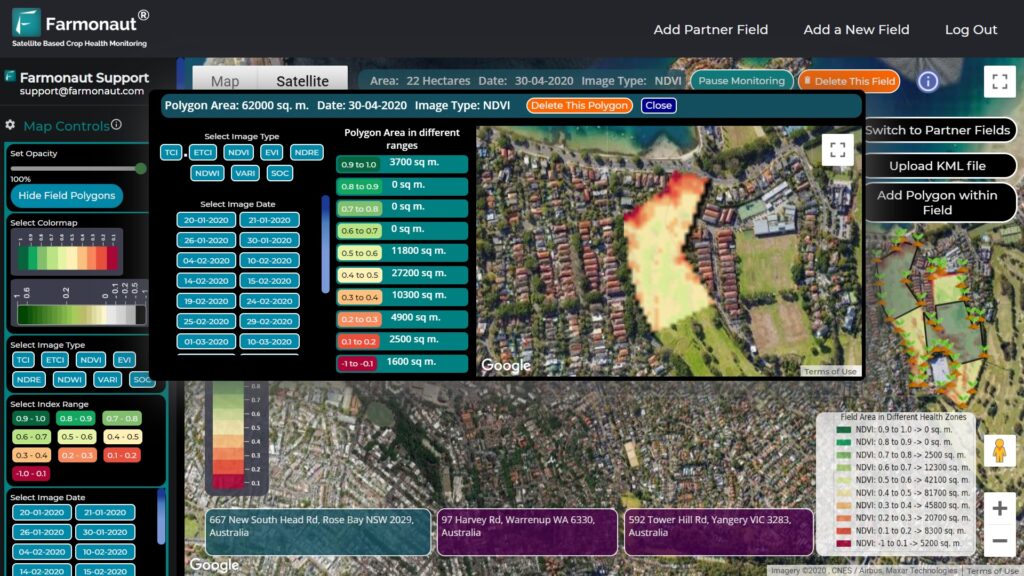
You can use real-time satellite crop and soil insights for large farms and forestry via the Farmonaut Large-Scale Farm Management App. This empowers growers to track the positive impact of organic chicken fertilizer and optimize land management like never before.
“Cow waste fertilizer can reduce chemical fertilizer use by 30%, supporting eco-friendly and sustainable agriculture.”
Cow Waste Fertilizer: The Resilient All-Rounder
Cow waste fertilizer is another vital organic input for agriculture and forestry worldwide. It is slightly lower in nitrogen compared to chicken manure but makes up for it with larger volumes and a broader nutrient profile suited for long-term soil improvement.
- Contains balanced amounts of nitrogen, phosphorus, and potassium
- Offers more organic matter than many other animal manures
- Improves soil aggregation, moisture retention, and aeration
- Suits field crops, pasture, land reclamation, and forestry
With the adoption of anaerobic digestion and biogas systems in 2026, cow waste is increasingly being converted not just into fertilizer, but also renewable energy—helping farmers support both soil fertility and energy needs on the same land.
- Bio-digesters extract valuable biogas for on-farm use, while the resulting digestate is a sanitized, odor-free organic fertilizer ready for field application.
The use of cow waste fertilizer reduces chemical dependency, increases the organic content of soil, and improves resistance to drought and erosion. Farmers, land managers, and environmental stewards are increasingly turning to cow manure as a sustainable solution for building resilient agro-ecosystems.
Track your environmental gains from waste recycling and fertilizer use!
With Farmonaut Carbon Footprinting tools, you can quantify reductions in greenhouse gas emissions when using cow waste fertilizer over synthetic options, supporting regenerative agriculture and eco-certification requirements.
Beyond the Farm: Human Waste Fertilizer & Other Organic Alternatives
Although once considered taboo, human waste fertilizer (processed safely as biosolids or sanitized sewage sludge) is predicted to grow in importance for soil amendment in forestry, land reclamation, and urban agriculture throughout the late 2020s and 2030s.
- Rich source of phosphorus, nitrogen, and organic matter
- Especially valuable for restoring degraded mining lands, urban soils, and forestry projects
- Must undergo stringent sanitation, pathogen, and chemical residue control to ensure safety
Properly managed, human waste fertilizer closes local nutrient cycles and reduces landfill pressure. By 2026, new treatment technologies make application safer, widely accepted, and environmentally sound—though regulations and public awareness are still catching up in many areas.
Other organic alternatives—such as yard waste compost, vermicompost, and plant residue blends—offer tailored nutrient solutions for precision farming, urban gardening, and reforestation. Their steady release of nutrients and high organic matter content make them invaluable tools for regenerative and zero-waste agriculture.
- Use mulch and compost to improve soil organic carbon and water infiltration in orchards and vineyards
- Incorporate vermicompost for high-value horticulture and nurseries
- Apply biosolids safely in forestry and land reclamation for broad-acre improvement
Ensure safety and traceability of your organic waste fertilizer applications using Farmonaut Blockchain-Based Product Traceability Tools. This platform provides secure proof of waste fertilizer origin, treatment, and field application for compliance and consumer confidence.
7 Organic Benefits of Chicken Waste & Cow Waste Fertilizer
The adoption of chicken waste fertilizer, cow waste fertilizer, and other organic alternatives offers a powerful set of sustainable, environmental, and economic benefits. Here are the top seven:
1. Boosting Soil Health Organically
Chicken droppings fertilizer and cow waste fertilizer enrich the soil with organic matter—a foundation for soil structure, aeration, and microbial activity. Over time, this improves:
- Aggregation and crumb structure, reducing compaction
- Soil biodiversity, especially beneficial fungi and bacteria
- Carbon sequestration, supporting climate resilience
These factors are critical for healthy, productive land as weather extremes and climate change increase.
2. Enhancing Crop Productivity & Quality
Organic waste-based fertilizers deliver bioavailable nutrients like nitrogen, phosphorus, potassium, and trace minerals directly to plant roots. This:
- Promotes robust plant growth and increases crop yield
- Improves nutritional quality of food crops
- Ensures consistent supply of essential nutrients throughout the growing season
Research in 2026 shows that fields amended with chicken and cow manure have higher organic carbon, more stable nutrient release, and stronger resistance to soil-borne diseases than those treated with synthetic options.
3. Supporting Environmental Sustainability
Unlike synthetic fertilizers that may degrade soil quality and contribute to harmful runoff, organic waste fertilizers:
- Reduce waterway pollution and algae blooms by minimizing leaching of nutrients
- Lower greenhouse gas emissions associated with fertilizer manufacturing
- Promote recycling of farm, municipal, and animal waste
- Help close the gap in circular agriculture by returning nutrients to the soil
Using composted manure and human waste fertilizer in forestry, mining site reclamation, and urban greening protects ecosystems and maximizes resource efficiency.
Want to monitor, analyze, and report your farm’s ecological footprint?
With Farmonaut Carbon Footprinting & Environmental Impact Monitoring, you can provide verifiable data to regulators, buyers, and stakeholders—enhancing trust and compliance.
4. Cutting Down on Harmful Chemicals
By regularly using chicken and cow waste fertilizer, farmers can:
- Reduce synthetic fertilizer use by 30% or more
- Cut expenses related to chemical purchases
- Minimize chemical residues in crops, water, and soil
- Lower the risk of soil acidification and long-term degradation
With stricter regulation and higher consumer demand for chemical-free food in 2026+, organic waste-based fertilizers are the ticket to compliance and market access for many growers.
5. Improving Water Retention & Drought Resilience
Application of organic chicken fertilizer, cow manure, or compost increases the soil’s ability to hold water, buffer drought stress, and drain excess rains. Improved organic content:
- Enables deeper, more robust root systems
- Reduces irrigation needs and water waste
- Improves resilience against dry spells and extreme weather
This makes organic inputs vital for field crops, silvopasture, and land reclamation projects in arid or variable climates.
6. Powering the Circular Economy & Renewable Energy
Modern anaerobic digesters and composting systems not only generate fertilizer from farm and municipal waste but also produce biogas and renewable energy for on-site use or sale.
- Waste from chickens and cows is converted into both organic fertilizer and clean energy
- Digestate from biogas plants is a sanitized, nutrient-rich fertilizer
- Energy self-sufficiency supports the farm’s bottom line while reducing reliance on fossil fuels
This synergy enhances sustainability and brings new business opportunities to rural and urban communities alike.
Efficiently manage biogas operations, fertilizer transport, and resource allocation with
Farmonaut Fleet & Resource Management solutions. These tools streamline logistics and minimize waste in modern, circular farms.
7. Reducing Farm Inputs & Increasing Profitability
The cost savings from switching to organic waste fertilizers can be significant:
- Less money spent on imported fertilizers and agrochemicals
- Reduced costs for waste handling and environmental compliance
- Potential for organic certification and premium market access
- Improved soil and crop health leads to greater consistency of yield over time
With demand for sustainable, residue-free produce on the rise worldwide in 2026+, leveraging waste as a resource makes both ecological and economic sense.
Get faster crop loans and insurance for your sustainable land using satellite data verification from Farmonaut!
With Farmonaut’s Crop Loan & Insurance Verification, financial institutions and farmers benefit from automated, remote assessment—rewarding those who adopt renewable and organic inputs like chicken and cow manure.
For foresters, tree plantations, and mining site restoration:
Access real-time environmental monitoring and organic amendment guidance with the
Farmonaut Crop/Plantation/Forest Advisory Platform—helping maximize your sustainability and soil-building goals.
Integrating Modern Tools for Organic Fertilizer Success
At Farmonaut, we believe that combining organic chicken, cow, and human waste fertilizers with data-driven management tools is the key to success in 2026 and beyond. Our satellite monitoring, AI-based advisory, blockchain traceability, and resource management solutions enable:
- Real-time crop, soil, and environmental monitoring
- Tailored fertilizer applications based on actual field conditions
- Secure tracking of organic waste use for certification and compliance
- Efficient resource allocation, logistics, and environmental reporting
Whether you are a smallholder, agribusiness, forester, or land rehabilitation leader, Farmonaut’s accessible technologies support your transition to organic, sustainable, and profitable farm management.
To integrate satellite, soil, and waste fertilizer data into your apps and systems:
Use our modern API platform and detailed API Developer Docs for seamless digital agriculture workflows.
Conclusion: Embracing Organic Waste Fertilization for a Greener 2026
As we transition into 2026 and the years beyond, the role of chicken waste fertilizer, cow waste fertilizer, and other organic waste-based fertilizers grows even more pivotal. These fertilizers:
- Offer nutrient richness to support high productivity and crop/forest health
- Enable sustainable, environmentally safe farming and land management
- Help close nutrient cycles and power the circular economy
- Foster resilience against dropping soil fertility, climate events, and economic fluctuations
By leveraging the best of modern technologies—like those provided by Farmonaut—and organic waste management practices, farmers, land managers, and foresters can benefit from increased yields, reduced environmental impact, and a profitable, sustainable future.
Ready to supercharge your fields, orchards, or forests? Start integrating organic chicken manure, cow dung, and other composted wastes today—and use advanced monitoring to ensure measurable, lasting benefits for your soil and land.
FAQ: Chicken Waste, Cow Waste & Organic Fertilizer Questions in 2026
What is chicken waste fertilizer, and why is it so effective?
Chicken waste fertilizer, also called chicken droppings fertilizer or chick n poo fertilizer, is a highly potent organic fertilizer derived from poultry manure. It’s rich in nitrogen, phosphorus, potassium, and trace minerals—making it especially effective for rapid plant and soil health improvement.
How is cow waste fertilizer different from chicken manure?
Cow waste fertilizer contains less nitrogen than chicken manure but has a higher organic matter content, resulting in long-term soil structure improvements and better water retention. It’s suited for broad-acre crop production and land rehabilitation, providing steady nutrient release over time.
Is using human waste fertilizer safe for food production?
When properly treated and sanitized, human waste fertilizer (biosolids) can be used safely in non-food applications like forestry and land reclamation. However, food crop application is tightly regulated to ensure no pathogens or harmful chemicals persist; always follow local safety guidelines.
How do I know how much organic waste fertilizer to apply?
Application rates vary by fertilizer type, crop, and soil needs. Generally, chicken waste fertilizer is applied at 1-2 tons/acre and cow waste fertilizer at 2-3 tons/acre. Use soil tests and monitoring tools (like those from Farmonaut) to adjust rates for optimal results.
What are the environmental benefits of switching to organic waste fertilizers?
Organic waste fertilizers reduce dependence on synthetic chemicals, lower greenhouse gas emissions, improve soil health, prevent harmful runoff, and recycle nutrients—contributing to sustainability and environmental conservation goals.
How can I track and document my fertilizer use for compliance?
Use digital tools such as Farmonaut’s blockchain traceability and satellite monitoring platforms to maintain secure, tamper-proof records of waste origin, treatment, and field application. This aids compliance, organic certification, and supply chain transparency.
Are there any challenges with widespread adoption of animal and human waste fertilizers?
Main challenges include ensuring complete pathogen removal, reducing public perception barriers (especially for biosolids), and standardizing regulations. Advances in treatment technologies and traceability systems are rapidly improving the safety and acceptance of organic waste-based fertilizers.
How can Farmonaut’s platform benefit my switch to organic fertilizers?
Farmonaut offers satellite-powered crop and soil insights, blockchain traceability, carbon footprinting, resource management, and advisory systems to help you plan, monitor, and optimize your use of organic waste fertilizers—ensuring sustainability, compliance, and profitability with ease.