

Table of Contents
- Introduction: The Age of Giant Agriculture Machines
- Trivia: Mind-blowing Facts About 2025’s Biggest Machines
- The Biggest Tractor in the World: 2025 Innovations
- Biggest Harvesters: Leading the Crop Revolution
- Spotlight: The Biggest Ford Tractor Legacy
- The Biggest Chicken Farm: Mega-Scale Poultry in 2025
- Comparative Feature Table: 2025’s Giant Technology
- How Farmonaut Empowers Large-Scale Farming Operations
- Trivia: Eye-Opening Harvesting Abilities
- Sustainability, Technology & The Future of Mega-Farming
- FAQ: Answering Your Top Questions
- Conclusion: Shaping Farming’s Next Era
Biggest Tractor, Harvester & Chicken Farm in the World: 2025 Mega Machinery Innovations
The agricultural sector in 2025 continues to witness remarkable advancements, with innovations not just in farming practices but in the scale and technology of machinery. The biggest tractor, biggest harvester, and biggest chicken farm spark global interest, symbolizing a new era in modern farming that harnesses powerful machines, advanced technology, and sustainable operations. Our journey through these marvels of engineering highlights how giants in the field reshape the world’s food supply, boost productivity, and address challenges of labor shortages, environmental sustainability, and global food demands.
This blog dives deep into the leading machines of agriculture—from tractors and harvesters boasting immense horsepower to the most extensive poultry farms using cutting-edge automation. Along the way, we will explore how innovative platforms like Farmonaut provide satellite-driven technology and insights, empowering enterprises to optimize and manage these mega-scale farming operations.
Trivia: Mind-blowing Facts About 2025’s Biggest Machines
“The world’s biggest tractor in 2025 boasts over 700 horsepower, revolutionizing large-scale field operations.”
Biggest Tractor in the World: 2025 Innovations Redefining Power
The relentless quest for bigger, more powerful tractors has defined the last decade, but 2025 marks a turning point—where sheer size meets advanced technology like never before. The biggest farm tractor in the world today is not just a marvel of engineering but a symbol of how the sector is aligning with future farming goals: efficiency, sustainability, and data-driven fieldwork.
Consider the Fendt 1300 Vario—often considered one of the most advanced models globally. This machine is built to meet the evolving needs of extensive agriculture enterprises spanning thousands of acres, such as the grain belts of Ukraine and the great plains of the United States. Boasting over 700 horsepower, the 1300 Vario incorporates autonomous operation, precision field mapping, and an entirely new generation of fuel-efficient engines. Improvements in GPS guidance and AI-powered telematics now optimize every aspect of fieldwork, reducing costs and enhancing both energy efficiency and crop yield.
Among the latest models from brands like John Deere and New Holland, we see a push toward integrating telematics platforms, fully autonomous units, and real-time data analytics—addressing labor shortages with a blend of reliable mechanics and cutting-edge digital innovation. The focus on sustainability is unmistakable, with renewed emphasis on reducing emissions, adaptive traction control for variable conditions, and the use of renewable fuels.

Top Features Defining the Biggest Farm Tractor in the World
- Immense Horsepower: Exceeding 700 HP in flagship models for unrivaled towing and fieldwork capability.
- Precision Agriculture Technology: GPS guidance, automated steering, variable-rate seeding, and precise fertilizer application.
- Autonomous Operation: Remote and AI-driven field management reduces labor dependence and ensures operation efficiency under all conditions.
- Data Integration: Onboard sensors, real-time diagnostics, and API-based remote management for large farm enterprises.
- Sustainability Leadership: Engines designed for low emissions, hybrid and electric options, and support for renewable fuels.
In particularly vast farming enterprises—whether in the United States’ Great Plains or Ukraine’s grain zones—such tractors enable efficient field preparation, planting, spraying, and harvesting across thousands of acres. The colossal size and precise digital control mean each pass counts—minimizing overlaps, reducing waste, and using resources wisely.

Biggest Tractor Brands & Advances
- Fendt: The 1300 Vario line leads with unparalleled horsepower and comprehensive AI-driven controls.
- John Deere: Latest series feature modular autonomy—allowing manual, semi-automated, or fully unmanned operation with cloud analytics.
- New Holland: Integrates fuel efficiency, renewable energy compatibility, and robust telematics, suitable for both row-crop and mixed farming systems.
- Special Mention – Ford: The biggest Ford tractor legacy continues under the New Holland umbrella, maintaining a reputation for reliability and classic durability, now blended with modern autonomous systems and advanced analytics.
As farming continues its expansive growth, the trend is clear: tractors will remain central to mega-scale operations, with bigger size, smarter technology, and sustainable practices leading the way into 2026 and beyond.

Biggest Harvester: Leading the Crop Revolution
As food demands and climate unpredictability press the global agricultural sector, the role of the biggest harvester has never been more pivotal. The need to harvest quickly and efficiently across vast acreages drives the development of colossal combines capable of working seamlessly in high-pressure windows.
In 2025, manufacturers like Claas and Case IH continue their lead, introducing machines that can clear wheat or corn fields with astonishing speed—often entirely automated, guided by real-time field data and advanced analytics. The latest models exceed 60 tons per hour of crop throughput, with harvesting widths over 40 feet. Their operation not only boosts productivity but also minimizes crop loss and reduces waste.

Key Innovations Among the Biggest Harvesters
- Multi-Crop Flexibility: Rapid adjustments for corn, wheat, soy, or rice using swappable headers and smart sensing.
- Automated Guidance: Laser- and GPS-enabled steering ensures straight lines, optimizes grain intake, and prevents overlap.
- Integrated AI: Crop sensors monitor yield, moisture, and density for real-time optimization and post-harvest analytics.
- High-Capacity Grain Tanks: Upwards of 18,000 liters, reducing the need for frequent unloading on vast farms.
- Low Environmental Impact: Hybrid drivetrains, improved fuel efficiency, and emissions reduction technology.
These machines represent the apex of precision agriculture, reshaping harvest practices and ensuring that large-scale farmers—notably across the Midwest (United States) and Black Sea regions—can reliably meet rising global food needs.

Biggest Harvester Technology: Example Metrics
- Claas Lexion 8900: Up to 790 HP, 61 tons/hour, 50-foot header, 18,000-liter grain tank, 2025 enhancements in emission control.
- Case IH 9250 Axial-Flow: Automated yield mapping, 60-foot headers, high-efficiency transmission, and advanced automation for minimal operator input.
- John Deere X9: 690 HP, dual XL grain tanks, multi-crop smart sensors, AI-driven efficiency tuning.
For large-scale harvest monitoring, crop health analytics, and multi-field management, explore our Large Scale Farm Management solution.
It leverages real-time satellite imagery and AI-powered field insights to maximize operational efficiency and sustainability for vast farm holdings.
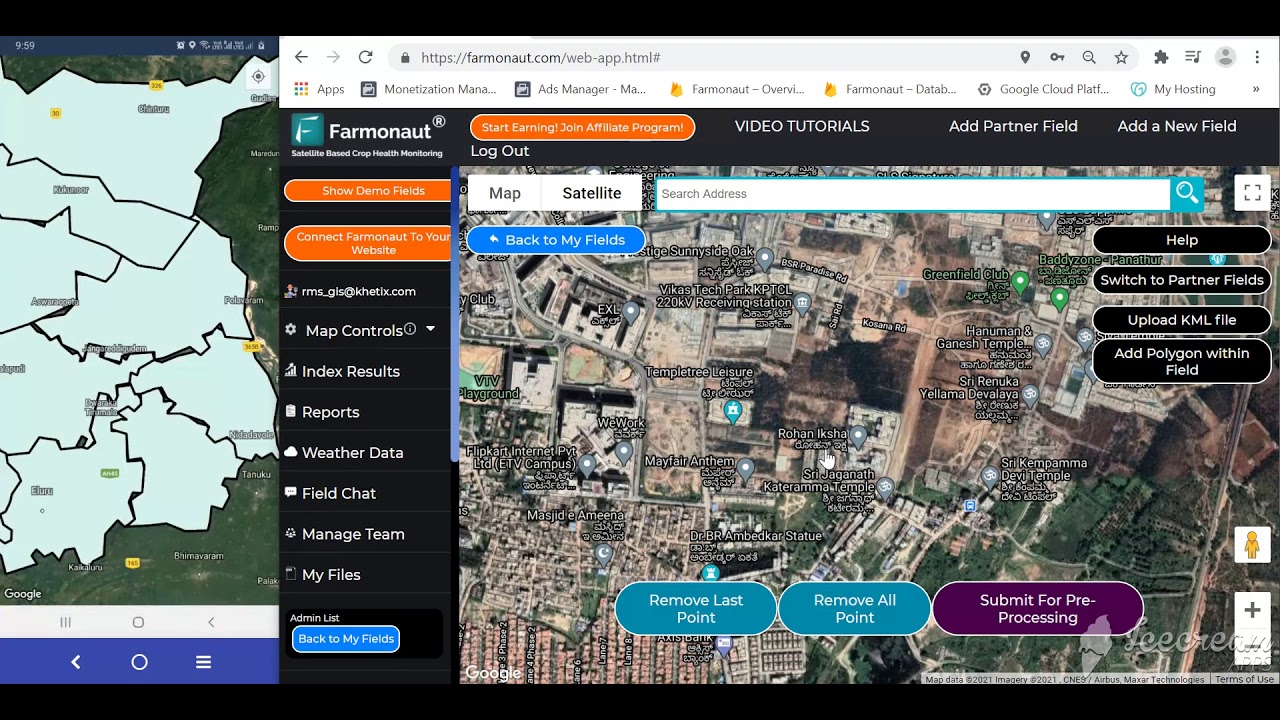
Spotlight on the Biggest Ford Tractor: A Blend of Legacy and Innovation
Any discussion of traditional farming machinery would be incomplete without a special mention of the biggest Ford tractor. For decades, the Ford 9000 series was synonymous with reliability and solid performance, drawing significant attention among farming enthusiasts worldwide. Although Ford exited direct tractor manufacturing, its technology legacy continues under the New Holland umbrella.
In 2025, the latest Ford-inspired models—chiefly large, robust units—feature not only the classic durability that made them famous, but also next-generation integrations:
- Autonomous Navigation: Remote operation, route replays, and geofencing for boundary management.
- Telematics & IoT Integration: Collects and transmits equipment health, productivity, and utilization data directly to farm management platforms.
- Hybrid Powertrains: Significantly lowering fuel consumption and emissions—responding to calls for sustainability and carbon footprint reduction.
Ford tractor enthusiasts continue to appreciate the blend of legacy and modern performance that these models deliver, especially in large farm operations spanning thousands of acres.
We highly recommend our Carbon Footprinting platform for tracking and reducing fleet emissions, supporting both sustainability initiatives and compliance across all your tractor-based operations.

The Biggest Chicken Farm: Poultry Mega-Scale in 2025
The move toward bigger scale is as visible in livestock-centric farming as it is in crop production. The biggest chicken farm in 2025 is a marvel, often housing hundreds of thousands of birds within intricately controlled environments that emphasize both productivity and animal welfare.
These enormous enterprises—primarily located in regions like the United States, China, and Brazil—utilize automation in every aspect:
- Feeding Systems: Automated rations and water management provide consistent nutrition based on AI-analyzed growth data.
- Climate Control: Sensors optimize temperature, humidity, and airflow, reducing heat stress and disease risk even as climate variability increases.
- Waste Management: Robotics handle collection and separation, while onsite recycling systems turn waste into energy or organic fertilizers—completing the sustainability loop.
- Biosecurity Technologies: Digital access controls, real-time infection monitoring, and blockchain-based product traceability minimize risks to both birds and consumers.
The largest operations boast capacities of over 2.5 million chickens, guaranteeing year-round supply for national and international markets. Such farms symbolize the intersection of size, efficiency, advanced technology, and responsible resource management.
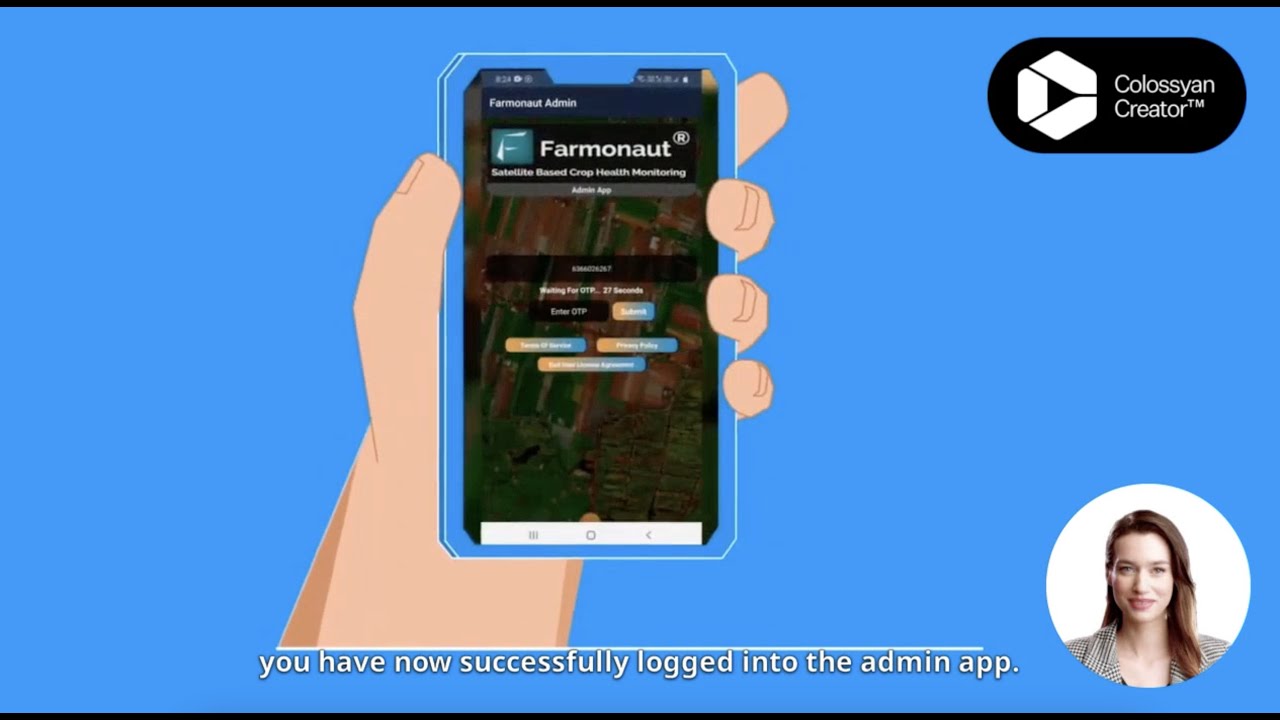
If regulatory compliance and transparency in food supply chains are crucial for your chicken or livestock operations, check out our Blockchain Traceability System. It enables end-to-end tracking, fostering trust and reducing fraud at every stage—from farm to consumer.



Discover our Farmonaut API for seamless integration of field and environmental insights into your agricultural apps or platforms. Access the API Developer Docs for implementation details.
Optimize machinery, vehicle usage, and reduce fuel wastage with the Fleet Management System—ideal for coordinating tractors, harvesters, and logistics across mega farms.
Comparison Table: Biggest Tractor, Harvester & Chicken Farm 2025 Innovations
| Machinery/Farm Name | Type | Country/Region | Estimated Capacity | Year Introduced | Key Innovations | Sustainability Impact |
|---|---|---|---|---|---|---|
| Fendt 1300 Vario | Tractor | Germany/Global | 700+ HP | 2025 | Autonomous operation, AI telematics, precision mapping | Up to 40% reduction in fuel/emissions |
| Claas Lexion 8900 Terra Trac | Harvester | Germany/US | 61 t/hr; 50 ft. header | 2025 | Automated multi-header swap, yield analytics | 30% less crop loss, 25% fuel savings |
| Case IH 9250 Axial-Flow | Harvester | United States | Up to 60 t/hr; 60 ft. header | 2025 | Full automation, remote diagnostics | 20% reduction emissions, 22% less downtime |
| Biggest Chicken Farm USA | Chicken Farm | United States/Georgia | 2.5+ million birds | 2025 | Full automation, AI growth analytics, blockchain traceability | 95% recycling waste, 30% reduction in water use |
| Biggest Ford Tractor (New Holland Series) | Tractor | United States/Europe | 650+ HP | 2025 | Legacy durability & AI guidance, hybrid engine | 35% CO₂ savings vs. pre-2010 models |
How Farmonaut Empowers Mega-Scale Farming Operations
The rise of the biggest tractors, harvesters, and chicken farms demands more than just large machines—it requires sophisticated, real-time decision support to maximize output and efficiency. As a leader in satellite-based technology, Farmonaut helps bridge this gap by delivering comprehensive monitoring, AI advisories, blockchain traceability, and resource management for farming enterprises—whether you’re managing fields in Kansas, the grain belts of Ukraine, or mega-scale livestock operations in Georgia.
- Satellite-Based Monitoring: Our platform delivers real-time, multi-spectral field analytics, including NDVI crop health, soil moisture, and seasonal predictions, helping farmers optimize every operation—from tillage to harvest.
- Jeevn AI Advisory: Combining machine learning, weather forecasts, and satellite imagery, the Jeevn AI platform delivers actionable, tailored recommendations across all farming and resource management tasks.
- Blockchain Traceability: Ensure the authenticity of your agricultural output by integrating blockchain at every point in the supply chain—especially crucial for operations handling millions of tons of grain or vast livestock batches.
- Fleet & Resource Management: Tracking, route optimization, safety, and fuel efficiency—our system helps you monitor and improve the performance of every machine, be it the biggest tractor or the latest harvester.
- Environmental Impact Tracking: With precision carbon and resource use monitoring, we empower your operation to improve sustainability and meet global regulatory benchmarks.
All of these services are available to users on demand via Web and Mobile Apps (iOS & Android), and via open APIs for developers.
- Satellite-Based Crop Loan and Insurance Verification: Streamline financial compliance and improve loan approvals for mega-farming operations by using satellite data to verify crop health and acreage.
- Crop Plantation & Forest Advisory: Make smarter, data-driven planting decisions based on real-time and historical satellite imagery for both extensive crops and forestry.
Trivia: Eye-Opening Harvesting Abilities
“In 2025, the largest harvester can process more than 60 tons of crops per hour using advanced automation.”
Sustainability, Technology, and The Future of Mega-Farming
The story of the biggest tractor, harvester, and chicken farm in the world is ultimately one of innovation and continuous adaptation. As the world faces climate risks, urbanization, and persistent labor shortages, large-scale farming depends not only on size but on the marriage of machinery and digital intelligence.
Key Focus Areas for Sustainable Mega-Farming
- Integrating Digital and Mechanical Innovation: Next-gen tractors and harvesters use AI, satellite guidance, sensor feedback, and big data analytics to drive precision at scale, reduce inputs, and eliminate waste.
- Pursuing Low-Carbon Solutions: Electric-hybrid drives, biofuel compatibility, and emissions tracking as standard, helping mega farms align with national and international sustainability targets.
- Addressing Food Security: Mega-scale operations and data-driven management are pivotal in meeting the food requirements of growing populations.
- Balancing Animal Welfare, Biosecurity, and Efficiency: In the livestock sector, especially in poultry, automation and traceability enable humane, transparent, and compliant systems—even at immense scale.
At Farmonaut, we believe that true progress in agriculture means every leap in power and size is matched by equally impressive advancements in insight, transparency, and sustainability. The future belongs to organizations that champion both efficiency and responsibility.
Frequently Asked Questions: Biggest Tractor, Harvester & Chicken Farm
-
What is the biggest tractor in the world as of 2025?
The Fendt 1300 Vario and New Holland’s latest series are among the largest, with models boasting over 700 horsepower, full autonomy, and hybrid engines, ideal for mega-scale farm operations. -
Which country operates the biggest chicken farm?
The United States, China, and Brazil feature the largest operations, some housing over 2.5 million birds in technologically advanced, biosecure environments. -
How do the most advanced harvesters differ from traditional models?
Leading harvesters like the Claas Lexion 8900 can process 60+ tons hourly, feature AI-powered yield mapping, and minimize both downtime and crop losses through full automation. -
What role does sustainability play in these mega machines?
All new major tractors and harvesters in 2025 prioritize emission reduction, hybrid drives, fuel efficiency, and resource-saving operations—meeting stricter international standards. -
Can Farmonaut help my large farm with fleet, traceability, or environmental management?
Yes. Our platforms cover satellite monitoring, carbon tracking, blockchain-based traceability, fleet/resource management, and real-time AI advisories for all scales of operation. -
Are APIs available for integrating satellite monitoring into my own software?
Absolutely. Visit our API page or check out the API Developer Docs for implementation details and support.
Conclusion: Biggest Machines, Brightest Future
The biggest tractor, harvester, and chicken farm in the world today are more than just record-setting statistics—they are the engines of transformation in 21st-century agriculture. These machines symbolize technological prowess, but also our collective response to the world’s food, labor, and environmental challenges.
As we look towards 2026 and beyond, the path forward will see continued integration of digital intelligence, automation, traceability, and advanced sustainability practices in both machinery and farming management systems.
At Farmonaut, we remain dedicated to making these technological advantages accessible, affordable, and practical for every farmer and enterprise—helping you maximize productivity while moving towards a more sustainable, resilient future for agriculture.
Start your data-driven journey with Farmonaut today on web, iOS, or Android, and see how the world’s biggest farm tractors, harvesters, and mega-farms can help feed the future—smarter, faster, and greener.

 Godrej Agrovet
 Hayleys Agriculture
 Linx Agritech
 Adinet
 Save Your Soils
 GalaxEye Space
 Grandstream Algérie
 XOS Realty
 Geospatial Lab Africa
 Agro La Gándara
 HIPSAC
 ZOL Zimbabwe
 Juligerm
 AdBio
AdBio MISE Maroc
 NWNS
NWNS Red August Group
 Farm Inc
 WeMe Global
 Agrotoken
 Blue BearX
 Insignito
 DnCubed
 Indosistim Teknologi
 Liquify Digital
 CU Foods
 BeyondTech Global
 Rouge VC
 AgroRisk
 Oath Inc
 Esri North East Africa
 MDCV UK
 Etech Consulting Madagascar
 Vestlandsforsking
 WB Dev
 Sama Premium
 Tres Valles
 Blickwinkel
 Agricultural Credit Policy Council
 eKGIS
eKGIS Mostas Tech
 Andex
Andex Deluxe Conseil
 WICO
WICO Chimera Innovation
 SkyHarvest
 Teledarbas
 Exurbia Geospatial
 FieldZero
