

Farm Machinery Crossing Sign: 7 Key Safety Tips for Rural Roadways
“Over 60% of rural road accidents involve unclear farm machinery crossing signs.”
“Proper signage can reduce farm machinery collisions by up to 40% on rural roads.”
Table of Contents
- Introduction: Why Farm Machinery Crossing Signage Matters
- Types of Farm Machinery Crossing Signs & Their Roles
- 7 Essential Safety Tips for Farm Machinery Crossings
- Impact of Farm Machinery Crossing Signs on Rural Road Safety
- Best Practices for Implementing Farm Machinery Crossing Signs
- Maintenance and Upkeep of Farm Crossing Signage
- Safety Impact, Public Education & Data-Driven Enhancements
- Leveraging Modern Technology: Farmonaut for Safer Operations
- Frequently Asked Questions
Introduction: Why Farm Machinery Crossing Signage Matters
Farm machinery crossing sign systems are much more than rural road accessories. They are essential safety devices for integrating agriculture, roadways, rural infrastructure, and nearby industrial activities. As modern farming expands, the movement of large equipment—from tractors and combines to sprayers and grain haulers—across fields, barnyards, public roads, and industrial centers becomes routine yet fraught with risk.
Signs, signals, and related warnings alert the public, motorists, pedestrians, and farm operators to the presence of oversized vehicles, unfamiliar machinery, and active fieldwork in transit between supply points, barns, silos, processing facilities, and loading docks. A clear, consistent signaling system is the linchpin for reducing collisions, preventing unnecessary delays, and protecting both workers and harvest schedules across all agricultural operations.
Well-designed farm machinery crossing sign systems reduce accident rates, foster smoother traffic flows, and preserve critical timelines for planting, spraying, and harvest seasons.
In this detailed guide, we’ll explore 7 crucial safety tips for optimizing your farm machinery crossing sign network—covering everything from key sign types and placement, to modern best practices and real-world impact. Whether you are a large estate manager, a rural infrastructure planner, or a working farm owner-operator, mastering these strategies will meaningfully enhance the safety and efficiency of your daily operations.
Types of Farm Machinery Crossing Signs & Their Roles
The types of signs used around rural crossings play a pivotal role in safety. From diamond-shaped warnings to temporary caution placards during peak seasons, clear signage prepares drivers and operators to anticipate, slow down, and safely negotiate busy or hazardous intersections.
1. Farm Machinery Crossing Sign
- Typically diamond-shaped with bold silhouettes of tractors, combines, or other farm equipment.
- Clearly marks known crossing points—such as where vehicles enter or exit farm roads, driveways, or public highways.
- Cues motorists to slow down, remain vigilant, and prepare to stop if necessary.
- Improves visibility for both local and visiting drivers, especially during peak fieldwork.
2. Farming Crossing 4 (Four-Way Cross or Multi-Direction Signs)
- Placed at intersections where multiple lanes or field routes meet.
- Farming crossing 4 signs indicate that farm machinery may approach from any direction (not just straight ahead)—including turning left, right, or crossing diagonally.
- Help regulate priority, reduce confusion, and reinforce right-of-way rules, especially for turning equipment entering or exiting fields.
3. Caution Farm Machinery in Operation Sign
- Usually rectangular or temporary placards attached to posts, fences, or vehicles.
- Warn the public and operators about ongoing operations, vehicle loading, grain handling, spraying, or harvesting.
- Commonly seen near silos, grain elevators, loading docks, and on busy access roads during high-traffic seasons.
4. Ellis Farm Machinery / Local Customized Signs
- Some farms or regions, such as Ellis farm machinery, use branded or easily recognized regional signs to improve recognition among local drivers.
- Benefit from larger text, recognizable imagery, and layouts designed for maximum comprehension—especially for unfamiliar visitors or seasonal workers.
5. Different Farm Machinery Signs (Machinery-Specific Signage)
- Include illustrations of specific equipment—balers, augers, sprayers, harvesters, tractors, combines, and more.
- Let motorists know the types of machinery likely to be encountered on a route or at a field entrance.
- Repeating signs for varying equipment types may be used when multiple machines share the same crossing area.

Use reflective materials and increased lettering size on signs to improve visibility during poor weather, at night, and in fog-prone areas.
📘 Common Types of Farm Machinery Crossing Signs
- 🚜 Standard Tractor Crossing Sign – Diamond, yellow, with tractor silhouette
- 🔄 Farming Crossing 4 Direction Sign – Intersection warning indicating multi-directional traffic
- ⚠ Caution Farm Machinery in Operation Sign – Temporary or rotating signage for active work zones
- 🌾 Ellis Farm Machinery Regional or Customized Sign – Branded or region-specific imagery
- 🛠 Equipment-Specific Signs – Balers, sprayers, augers, grain carts, etc.
7 Essential Safety Tips for Farm Machinery Crossings
Integrating farm machinery crossing sign systems into daily operations is vital for ensuring the safety of farm workers, motorists, operators, and the public. Here are 7 field-proven strategies for making your crossing areas safer and keeping both harvest and transport running smoothly—without unnecessary delays or accidents.
✅ 7 Key Safety Tips for Crossings
- Strategically Place Signs for Maximum Advance Notice
- Install signs far enough ahead of crossings for drivers to slow safely. Consider the speed limit, sightlines, and field entrances for optimal placement.
- Improve Sign Visibility, Day and Night
- Reflective material or solar illumination makes signage visible at dawn, dusk, and in low-light rural settings.
- Regularly clear vegetation and mow around posts to prevent obstruction.
- Use Temporary and Rotating Caution Signs During High Activity
- Deploy temporary “caution farm machinery in operation signs” for seasonal planting, spraying, mowing, or harvesting for extra attention.
- Supplement with cones, barricades, or flaggers for particularly hazardous lane crossings.
- Distinguish Multiple Equipment Types
- Leverage different farm machinery signs—depicting balers, combine harvesters, sprayers, or grain carts—so motorists know what to expect.
- Coordinate with Local Authorities & Neighbors
- Inform local highway management, police, and neighboring landowners of crossing points and activity schedules.
- This improves emergency response and community awareness, reducing the risk of confusion or unnecessary delays.
- Establish Right-of-Way Rules at Multi-Lane Crossings
- At a farming crossing 4, make right-of-way (yield/stop) rules very clear to all approaching road users and field operators.
- Invest in Regular Signage Maintenance
- Inspect for fading, storm damage, missing reflectors, or leaning posts—replace or repair immediately for continued safety performance.
Neglecting routine sign maintenance or letting brush and weeds grow up can dramatically reduce the effectiveness of even the most strategically placed farm machinery crossing sign.

Impact of Farm Machinery Crossing Signs on Rural Road Safety
| Safety Indicator | Without Crossing Signs (Estimated Values) | With Crossing Signs (Estimated Values) |
|---|---|---|
| Annual Collision Rate | 10 per 100 crossings | 6 per 100 crossings (↓ 40% Reduction) |
| Average Injury Count | 18 per year | 12 per year (↓ 33% Decrease) |
| Driver Reaction Time | 1.8 seconds | 1.2 seconds (↓ 33% Faster) |
| Equipment Downtime (Hours Annually) | 45 hours | 32 hours (↓ 30% Reduction) |
| Insurance Claim Frequency | 22 claims/year | 14 claims/year (↓ 36% Fewer) |
This table demonstrates the powerful impact that strategic placement and maintenance of farm machinery crossing signs can have on critical safety metrics in rural agricultural areas.

Best Practices for Implementing Farm Machinery Crossing Signs
Optimizing your farm machinery crossing sign and caution sign network means more than just installing posts. Careful planning, strategic positioning, and regular monitoring make the difference between just “having signs” and creating an integrated system that truly protects fieldwork and road users alike.
- 🔎 Advance Placement: Install signs 300–500 feet in advance of crossings to maximize driver response time.
- 🌙 24-Hour Visibility: Invest in reflective paint and illumination, ensuring signs are seen at night and in poor conditions.
- 🪓 Vegetation & Mowing: Maintain clear sightlines—avoid tall crops, brush, or grass that could block view.
- 🦺 Dedicated Lanes and Pull-Offs: Where practical, create separate entrances, exits, or holding lanes for slow-moving equipment to reduce highway disruptions.
- 🚧 Supplement with Temporary Signage: Use temporary “caution farm machinery in operation sign” panels and beacons during busy periods or detours.
Upgrading signage networks or integrating digital solutions for fleet management and maintenance tracking can reduce operational costs by cutting downtime and claims—while promoting safer, more efficient farming.
Modern fleet management technology empowers the ongoing monitoring of both traffic and machinery use, ensuring optimal routing and resource allocation for farms of all sizes. For advanced applications, satellite-based platforms (such as those provided by Farmonaut) deliver remote insights for equipment and fleet tracking, aiding in the risk assessment and fine-tuning of your signage and traffic management strategies.

Maintenance and Upkeep of Farm Machinery Crossing Signs
A well-designed farm machinery crossing sign system needs ongoing care for maximum performance. While installation sets the foundation, regular inspection, repair, and vegetation control are equally vital to maintain high visibility and legibility.
- 🔄 Routine Inspection: Walk or drive past each sign after storms or busy harvesting/planting events; replace faded or damaged signs at once.
- 🪜 Secure Installation: Check posts for wobbling or leaning, especially in soft soils or low-lying, flood-prone areas.
- 🌳 Vegetation Management: Consistently trim brush and mow tall grass around each sign, especially during fast-growing spring and summer months.
- 🛠 Use Breakaway/Flexible Posts: In high-traffic areas, consider breakaway post designs to minimize damage in minor collisions and hasten repairs.
- ⚠ Record and Report Incidents: Keep a log of any missing or vandalized signs, and notify local authorities immediately for prompt replacement.
Allowing overgrown vegetation or lack of illumination to persist, especially in critical crossing locations, can nullify all investments made in signage, increasing accident risk.
Safety Impact, Public Education & Data-Driven Enhancements
Effective farm machinery crossing sign programs are as much about education, awareness, and collaboration as they are about metal and paint. Ongoing campaigns can inform the public and reinforce best practices among both local and seasonal workers.
- 📊 Public Events: Use field days, open barns, and harvest festivals to educate drivers about machinery crossings, sign meanings, and right-of-way rules.
- 💡 Driver Guidance: Share best practices on respecting agricultural traffic, especially for delivery drivers, school buses, and regional commuters.
- 🔎 Collect Crossing Data: Log incidents, near-misses, and downtime at crossing areas; use these to improve sign placement, spacing, and lighting.
- 🤝 Coordinate with Agencies: Work with transportation authorities and emergency services to foster consistent messaging and rapid response to incidents.
- ⚠ Adapt to Equipment Trends: Revise different farm machinery signs as new machinery models or larger vehicles become part of your operation or region.

🔍 How Farms Benefit from Data-Driven Safety Improvements
- ✔ Key benefit: Minimizes collision rates and maximizes equipment productivity during key fieldwork times.
- 📊 Data insight: Incident tracking enables more precise adjustments to crossing signage placement and traffic rules.
- ⚠ Risk: Lack of public awareness campaigns can undermine even the best sign networks.
- ✔ Advantage: Enhanced driver education creates a culture of good rural road safety.
- 📊 Insight: Community coordination leads to faster emergency response if an incident occurs.
Leveraging Modern Technology: Farmonaut for Safer Operations
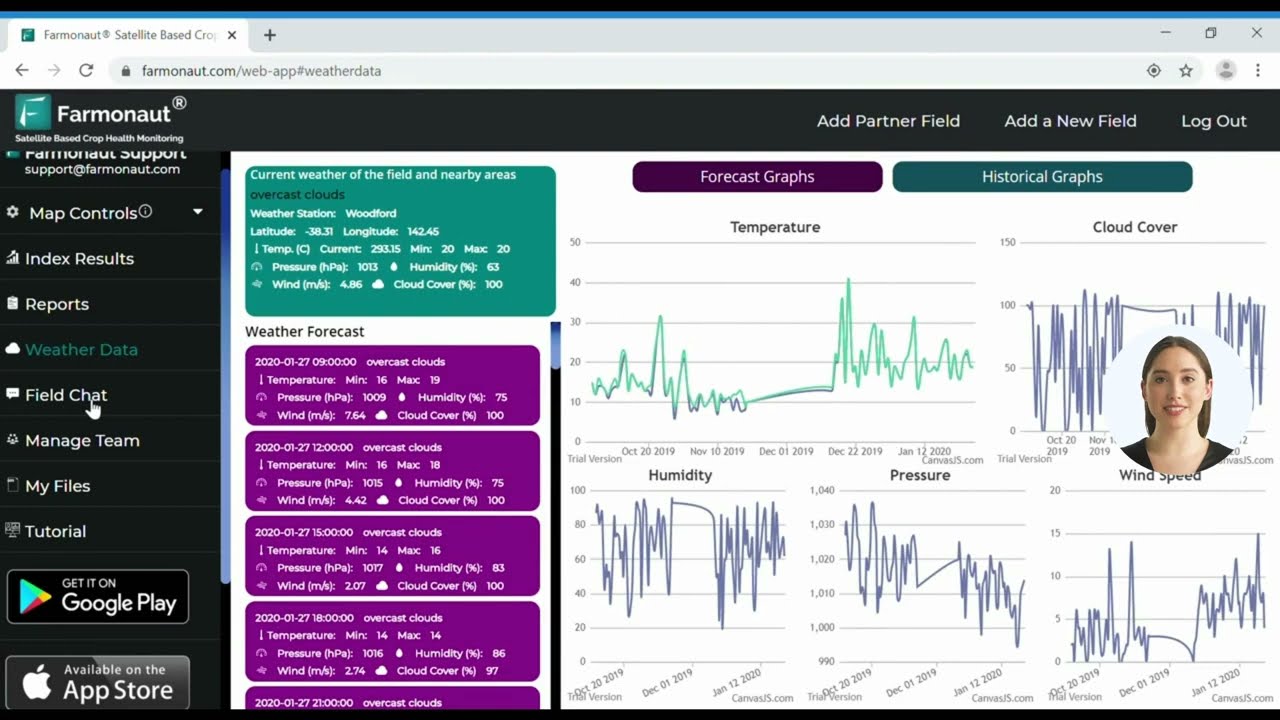
Managing risks and optimizing safety around farm machinery crossing sign systems benefits dramatically from advanced technology. At Farmonaut, we empower farms, businesses, and governments to oversee complex operations using real-time satellite data, AI-based advisory, and blockchain-enabled traceability—all accessible through our intuitive Web, Android, and iOS Apps.




By utilizing blockchain traceability tools from Farmonaut, users can verify supply chain authenticity for agricultural operations, ensuring maximum transparency and public trust at every stage from fieldwork to finished product.
In addition, leveraging Fleet Management features enables you to:
- Track the movement of farm machinery, enforcing safe crossing practices
- Reduce unplanned downtime by ensuring the right equipment is in the right place at the right time
- Document and analyze operator behaviors, which further guides maintenance of crossing signage and understanding local traffic patterns
Our satellite-driven insights are valuable for resource allocation, fieldwork monitoring, and even environmental compliance. If your rural route sustainability or carbon emissions are a concern, explore our real-time tracking features for Carbon Footprinting and sustainable agriculture.
All these tools can be seamlessly integrated into existing business systems via our Farmonaut API (with Comprehensive Developer Docs), supporting truly data-driven farm safety and operations management—no matter your project’s scale or complexity.
Get started with large scale farm management using our administrative tools, which cater to enterprises managing multi-location operations and needing granular control over resources and field events.
Ready to explore specialized crop loan and insurance verification features? These leverage field-level crossing data and activity logs to support insurance providers, reducing fraud and speeding up claims for farm equipment-related accidents.
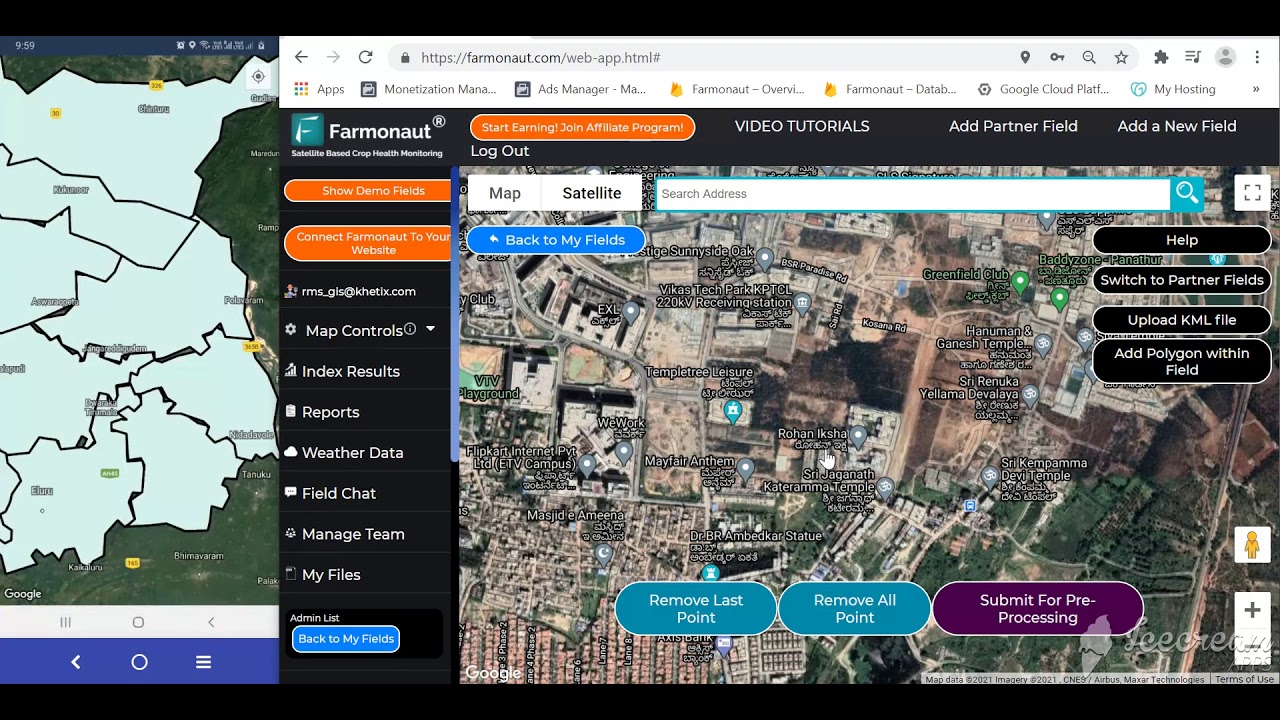
You can access our full suite of solutions via Farmonaut’s web app for instant monitoring, scheduling, and compliance—whether for agriculture, infrastructure, or mining projects.
Digital tools such as satellite monitoring and blockchain-based traceability future-proof your farm’s signage, crossing safety, and operational integrity—creating substantial value for both small family farms and global agribusinesses.
Frequently Asked Questions
-
What is a farm machinery crossing sign, and why is it important?
A farm machinery crossing sign is a roadside or field-edge warning that alerts motorists and operators to the presence of large, slow-moving agricultural vehicles crossing public or private roads. These signs are vital in helping drivers reduce speed, remain vigilant, and avoid collisions during critical agricultural activities. Their presence drastically lowers accident rates and protects both workers and equipment.
-
How far in advance should a farm machinery crossing sign be placed?
The ideal placement is 300–500 feet in advance of the crossing (adjust based on speed limits, visibility, and local conditions). This allows drivers adequate time to slow and prepare for equipment movements.
-
What is the difference between different farm machinery signs?
While all indicate the potential for slow-moving or oversized vehicles, different farm machinery signs specifically depict the type of equipment expected—such as tractors, combines, balers, sprayers, or grain carts. This helps drivers assess what to look out for and adjust their driving accordingly.
-
How do I ensure my signs stay visible year-round?
Conduct weekly visual inspections, promptly remove obstructing vegetation, and opt for reflective, weather-resistant materials. After storms, check for leaning or missing signs and restore them immediately.
-
Can digital tools help with farm crossing safety?
Absolutely. Platforms like Farmonaut provide real-time monitoring, fleet tracking, and blockchain traceability—all of which support safer, more efficient routing, compliance, and equipment use management for both small and large farms.
-
How do I integrate farm machinery crossing sign insights into my resource planning?
By combining incident reports, fleet management data, and operator training records, you can adapt routes, optimize crossing times, and reduce risky overlaps between fieldwork and public traffic.
-
Are there legal requirements for farm machinery crossing signs?
Regulations vary by region. Always consult your local highway authority, but exceeding minimum requirements with best practices (as detailed above) is strongly recommended for optimal safety and liability protection.
-
When is it best to use temporary signage?
During peak fieldwork seasons (planting, spraying, harvesting) or any time when unusual equipment movements are planned, such as moving oversized grain carts or combines across main roads.
-
What should I do if a sign is damaged or stolen?
Report it to local authorities, replace with backup signage immediately, and log the incident for future safety reviews.
-
How does Farmonaut help with sign maintenance scheduling?
Farmonaut’s data-driven platform allows users to set up maintenance reminders, monitor satellite imagery for overgrowth, and coordinate across distributed teams, ensuring all crossing points remain safe and visible at all times.
Conclusion: Integrating Farm Machinery Crossing Signs for a Safer Rural Future
A farm machinery crossing sign serves not just as a compliance marker—but as a dynamic interface between agricultural efficiency and public safety. By following proven recommendations for sign types, placement, maintenance, and public awareness campaigns, you can significantly reduce accidents, improve fieldwork reliability, and protect the reputation and wellbeing of rural communities.
With next-generation technology from Farmonaut—from blockchain traceability to fleet management and carbon tracking—integrating and monitoring safety systems is more affordable and accessible than ever before. Empower your operations for today’s challenges and tomorrow’s opportunities with data-driven sign management and real-time field monitoring.
Ensure your farm machinery crossing signs remain clear, visible, and actively maintained.
Protect your workers and community.
Keep your harvests on schedule—without unnecessary delays or risks.

 Geospatial Lab Africa
 KhetiBuddy
 Agro La Gándara
 Global Agrifood
 HIPSAC
 ZOL Zimbabwe
 Juligerm
 AdBio
AdBio MISE Maroc
 NWNS
NWNS Red August Group
 Farm Inc
 WeMe Global
 Agrotoken
 Blue BearX
 Insignito
 Croptimum
 DnCubed
 Field Capacity
 Indosistim Teknologi
