

Farm Tools Names: Antique, Modern & 1800s Tools List
Table of Contents
- Introduction: The Evolution of Farm Tools
- Trivia: 19th Century Farm Tool Explosion
- Antique Farm Tools: The 1800s Foundations
- Comparative Timeline: Evolution of Farm Tools
- From Antique to Advanced: The Shift in Agricultural Implements
- Modern Farm Tools in 2026
- Trivia: Automation & Precision in Modern Agriculture
- Technology & Innovation: Driving Modern Agriculture
- Farmonaut: Precision Agriculture and Satellite Insights
- Preservation, Heritage, and Sustainable Practices
- FAQ: Farm Tools Names, Evolution, and Modern Applications
- Conclusion: Honoring Heritage, Embracing Innovation
“Over 50 distinct farm tools emerged between 1800 and 1900, revolutionizing manual crop and soil management.”
Introduction: The Evolution of Farm Tools and Farm Tools Names
Agriculture has remained at the backbone of human civilization for millennia. From the earliest days of subsistence farming to the advanced agricultural practices shaping the world in 2026, the names and nature of farm tools have evolved dramatically. Understanding the history and significance of these implements offers a window into our shared agricultural heritage, while inspiring the innovative solutions of today and tomorrow.
This blog explores farm tools names, from antique hand farm tools of the 1800s to modern farm tools leveraging robotics, sensors, and satellite technology. We highlight key inventions, changing labor practices, and sustainability efforts that define agricultural innovation in 2026 and beyond.
Whether referenced as antique, modern, vintage, or 1800 farming tools, each implements reflects ingenuity, necessity, and progress in food production—a journey powered by technology and the human spirit.
🔍 Key Insight
Farm tools names not only catalog practical equipment, but also trace our collective progress from simple hand implements to data-driven, precision agriculture. Recognizing this evolution is essential for understanding global food security and sustainable farming practices in 2026.



Antique Farm Tools: The 1800s Foundations of Agriculture
In the 1800s, farming was predominantly manual labor. Farmers relied on a variety of hand-crafted implements that embodied simplicity, durability, and practicality. These antique hand farm tools were commonly made using wood and iron, and were indispensable in daily farm work.
Let’s explore some common farm tools names from the 1800s that formed the foundation of agricultural practices worldwide:
- Hoe: Essential for tilling soil and controlling weeds; came in various shapes, including draw hoe and scuffle hoe.
- Plow: Early plows included wooden or iron blades drawn by animals, used to break and turn the soil.
- Sickle & Scythe: Handheld cutting tools for harvesting grains and cutting grass.
- Pitchfork: Used for turning hay and manure; a vital tool in subsistence farming.
- Spade & Shovel: For digging and moving soil or compost.
- Rake: Used for smoothing soil and gathering debris before planting or after harvest.
Classic Antique Farm Tools:
- 🔨 Hoe
- 🐂 Plow
- 🌾 Sickle, Scythe
- 🍃 Pitchfork
- 🪓 Spade, Shovel
- 🌱 Rake
Typical Materials Used:
- 🪵 Wooden handles
- ⚙ Iron blades
- 🐎 Animal-hitched components
- 🏺 Hand-forged parts
These vintage farm hand tools required substantial human and animal labor. Yet, they allowed early farmers to cultivate land, plant crops, and successfully harvest food that sustained local communities. The endurance and adaptability of these tools set the stage for agricultural innovations to come.
⛔ Common Mistake
Overlooking the importance of antique farm tools undervalues the historical knowledge embedded in their design and usage—elements that inform and inspire today’s technological farm innovations.
Evolution of Farm Tools: 1800s to Modern Day
- ✔ Farm tools names evolved from manual simplicity to AI-powered innovations
- ✔ Estimated labor hours per acre reduced from days to hours over 2 centuries
- ✔ Modern smart tractors now incorporate GPS, IoT, and soil sensors
- ✔ Drones & imaging provide efficient data on crop health and resource use
- ✔ Technological innovation is now at a “high” level, driving sustainability

From Antique to Advanced: The Shift in Agricultural Implements
The transition from antique hand farm tools to modern farm tools was marked by the Industrial Revolution, which kickstarted agricultural mechanization. This epoch introduced steam engines, drawn machinery, and later, fuel-powered equipment, fundamentally changing how tools used by a farmer met efficiency demands.
- ⚙ Mechanical Seeder: Brought precision to planting seeds, increasing yields.
- ⚙ Combine Harvester: Combined reaping, threshing, and winnowing in one operation.
- ⚙ Tractors: Replaced animal labor, mechanized processes traditionally done by hand.
- ⚙ Tillers & Cultivators: Powered devices for soil aeration and weed control.
These inventions set the stage for the high-speed, data-driven agricultural equipment we depend on today. Efficiency, precision, and reduced labor define the challenges farmers worldwide face and continue to meet.
💡 Pro Tip
Understand the evolution of farm implements to better recognize modern tool value. Today’s precision tools save time, reduce input waste, and maximize sustainable yields.

💼 Investor Note
Agricultural technology for mining and geospatial intelligence is booming. Innovative farm tools leveraging sensors and satellite imaging present unique marketplace opportunities in 2026, especially for fleet management and resource optimization.
Modern Farm Tools in 2026: Names, Types & Innovations
Today’s agricultural landscape in 2026 combines mechanical efficiency with digital precision. The expansion of agricultural technology impacts every area of farm management—from field preparation to post-harvest food production and even carbon footprinting. Our ability to meet global challenges and improve sustainability owes much to these advanced tools used by a farmer:
Modern Farm Tools Names & Applications
- 🤖 Smart Tractors – GPS-guided, autonomous, with AI-based soil health monitoring
- 🚁 Drones – Crop monitoring, pest detection, and aerial mapping via multispectral imaging
- 🌱 Automated Planters/Harvesters – Robotics reduce manual labor
- 📱 Soil Sensors – Real-time moisture & nutrient data for precision agriculture
- 🔋 Electric & Solar-Powered Tools – For eco-friendly tilling, mowing, and crop dusting tasks
- 🟢 AI-driven Crop Management Platforms – Advisory, yield analytics, sustainability tracking
Modern Tools: Top Benefits
- ✔ Labor reduction by up to 70%
- ✔ Increased planting & harvesting precision
- ✔ Reduced chemical & fertilizer waste
- ✔ Enhanced sustainability and carbon monitoring
- ✔ Higher yield and profitability per acre
Modern farmers increasingly depend on data and automation, using tools like soil sensors, imaging drones, and AI-driven platforms to improve outcomes and reduce labor. Yet, many subsistence farmers worldwide continue to use vintage farm hand tools—a testament to the durability of antique implements and the diversity of agricultural methods globally.

Farm Tools Names: Modern Classification
- 🔎 Mechanical Tools: Tractors, tillers, plows, harvesters, mechanical seeders
- 📈 Digital Tools: Sensors, field robots, IoT farm monitors, large scale farm management apps
- 🌿 Sustainable Tools: Electric weeders, solar-powered irrigation
- 🚀 AI & Satellite Tools: Precision imaging, carbon emission tracking, carbon footprinting
📊 Data Insight
With advanced farm tools, sensors and satellite data, farmers reduce wastage, cut costs, and trace production — all while boosting yields and efficiency for every acre, meeting the world’s demands well into 2026.

“By the 2020s, more than 30 advanced tools use sensors and automation to boost agricultural productivity and efficiency.”
🔬 New Era Technologies
- 🌐 Satellite-based monitoring
- 📱 AI decision support
- 🛰 Vegetation & soil imaging
- 🔗 Blockchain traceability
🟢 Sustainability Features
- 🌿 Carbon footprint tracking
- 🔋 Resource management
- 🌱 Precision irrigation
- 📈 Input reduction analytics
- 📈 Yield prediction powered by AI, satellite, and environmental models
- 🛰 Remote soil & crop monitoring
- 💊 Precision fertilizer and pesticide application
- 🧾 Blockchain traceability increases trust in supply chains
- 🌍 Automation ensures sustainable practices for the growing world population
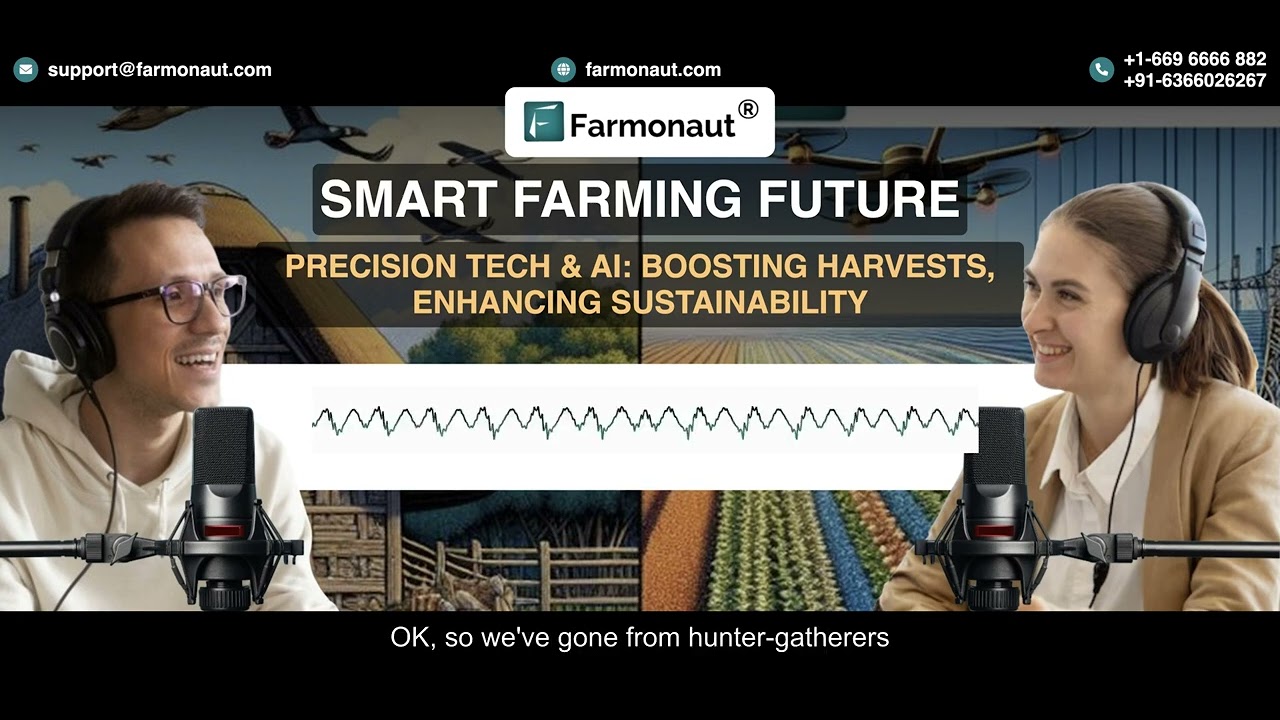
🌟 Key Insight
The evolution of farm tools—from antique hand farm tools to AI-powered implements—continues to shape global agriculture, balancing heritage with high-tech innovation.
Technology & Innovation in Farm Tools: Meeting Modern Challenges
The development and deployment of modern farm tools directly address the most critical challenges in agriculture—including climate change, population growth, and the need for resource optimization. Innovations in this space promote not only efficiency, but also sustainability and transparency for 2026 and beyond.
🛰 Smart Solution
Want to monitor your farm’s soils, crop health, and resources in real time? Explore advanced carbon footprinting or product traceability to optimize your sustainable farming practices.
Modern Technology Driving the Evolution
- ⏰ Labor efficiency: Automated tools reduce human effort, freeing time and resources.
- 🛰 Satellite imagery: Multispectral data helps optimize input use—such as water and fertilizers.
- 💡 AI & Machine Learning: Informs precision planting and harvest scheduling.
- 📝 Blockchain Traceability: Increases trust in agricultural supply chains.
- 📱 Mobile & Web Apps: Offer easy access to real-time farm data across devices.
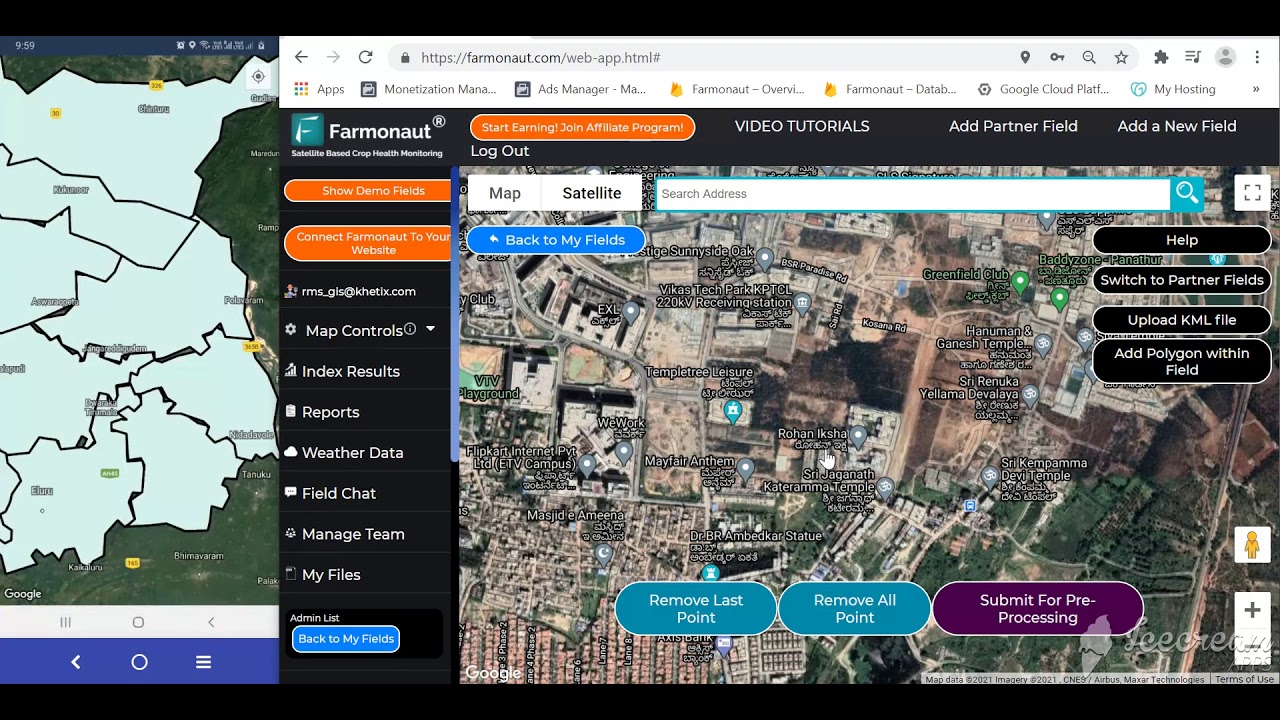

Farmonaut: Precision Agriculture and Satellite Insights
As a satellite technology company, we at Farmonaut empower farmers, enterprises, and governments to leverage the latest agricultural innovations. Our platform offers affordable, scalable, and data-driven tools for crop health monitoring, soil analysis, environmental impact assessment, supply chain traceability, and more.
Farmonaut’s Solutions Include:
Satellite-Based Monitoring
- 🌱 Monitor fields using NDVI, soil moisture, and real-time imaging
- 🌾 Support variable-rate fertilizer and irrigation decisions
AI & Jeevn Advisory System
- 🤖 Analyze satellite and field sensor data
- 🌧 Receive real-time weather and planting guidance
Blockchain Traceability
- 🔗 Track agricultural products from farm to consumer
- ✔ Ensure authentic, transparent supply chains
For logistics and resource management, Fleet Management tools help optimize machinery, vehicles, and labor resources across agricultural or mining operations. Traceability tools ensure your produce is tracked and verified from origin to retail.
Looking for seamless developer integration? Check out our Farmonaut API and API developer documentation to build precision farming features directly into your web or mobile apps.

Preservation, Heritage, and Sustainable Practices
Interest in antique hand farm tools and vintage farming techniques has grown. Museums, collectors, and sustainable farming communities celebrate heritage tools, recognizing their craftsmanship and the resilience of early farmers.
Understanding the history of farm tools fosters appreciation, while informing modern innovations that shape the future of sustainable food production.
Often, effective sustainable farming comes not only from prized precision tools but also from the wisdom found in traditional practices: balanced soil management, sensible fertilizer use, and diligent record-keeping using digital traceability.
FAQ: Farm Tools Names, Evolution & Modern Agricultural Practices
What are the most common 1800 farming tools still used today?
Common 1800 farming tools—such as the hoe, spade, shovel, rake, and pitchfork—are still in widespread use, especially for small-scale or subsistence farming. Their simplicity and durability make them ideal for basic soil management tasks.
What is the difference between antique, vintage, and modern farm tools?
Antique tools generally refer to pre-1900 implements made with iron, wood, and hand-forged components. Vintage tools cover early 20th century to post-war era implements, often still simple but more mechanically efficient. Modern farm tools in 2026 utilize digital sensors, autonomous systems, satellite imagery, and are made from advanced composites, steel, and electronics.
How do modern farm tools help sustainable agriculture?
Modern farm tools incorporate precision agriculture features such as variable-rate seeders, soil sensors, and satellite monitoring to optimize crop input use, reduce chemical waste, and help farms minimize their environmental footprint.
Can Farmonaut’s solutions help monitor traditional and modern tools alike?
Yes, we enable the monitoring and optimization of all field activities—whether you rely on antique hand tools or AI-enabled equipment. Our satellite insights span soil health, vegetation status, and input use across small and large-scale operations.
How important is the history of farm tools for today’s agricultural students?
Learning the history of farm tools helps students understand challenges and solutions in food production, sustainability, and efficiency. It also provides context for appreciating both heritage techniques and modern innovations.
❗ Common Mistake
Ignoring agricultural history or failing to track modern tool usage can result in productivity gaps, reduced yield, and missed opportunities for sustainable growth.
Conclusion: Honoring Farm Tools Heritage, Embracing Sustainable Innovation
From wooden-handled hoes and plows drawn by animals in the 1800s, to GPS-guided tractors, sensors, and AI-driven platforms, the names and innovations of farm tools have shaped global agriculture’s past, present, and future.
Honoring antique hand farm tools and their history provides valuable insights into how technology continues to propel the evolution of farming practices worldwide. As we move forward into 2026 and beyond—guided by the lessons of heritage and the power of advanced innovation—our commitment must be to sustainable growth, resource efficiency, and food security for generations to come.
Each farm tool, past and present, is a testament to human creativity and the enduring bonds between people, land, and community.

 Hydenmet
 Dirks Bros Farms
 Red August Group
 Farm Inc
 WeMe Global
 Agrotoken
 Blue BearX
 Insignito
 Croptimum
 DnCubed
 Field Capacity
 Indosistim Teknologi
 Liquify Digital
 CU Foods
 BeyondTech Global
 Rouge VC
 AgroGreen Dynamics
