

Table of Contents
- Introduction: Advanced Herbicides and Weed Management in 2026
- Trivia: Projected Impact of Flumioxazin and Hexazinone
- Flumioxazin Herbicide: Innovations & Applications
- Flumigard Herbicide: A Versatile PPO Inhibitor
- Hexazinone Herbicide: Effective Management in Forestry & Land
- Fluazifop Herbicide: Grass Control for Broadleaf Crops
- Triazine Herbicides: Pillars of Modern Agriculture
- Pinoxaden Herbicide: Cereal Crop Sustainability Leader
- Herbicide Comparative Analysis Table
- Tech & Innovation Trends: Precision, Integration & Sustainability
- Farmonaut: Satellite-Based Intelligence for Sustainable Agriculture
- Best Practices for Advanced Herbicide Application
- Expert Tips & Industry Insights
- FAQ on Herbicides & Sustainable Weed Management
- Conclusion: Future-Proofing Weed Management in 2026
- Farmonaut Subscription Plans
Flumioxazin, Flumigard, Hexazinone, Triazine, Pinoxaden, & Fluazifop: Powering Effective Weed Control for Sustainable Agriculture in 2026
In the rapidly evolving landscape of modern agriculture, optimized weed management remains a cornerstone in maximizing crop yields and championing sustainable farming practices. As we move into 2026 and beyond, the evolution and precise application of herbicides—like flumioxazin, flumigard, hexazinone, triazine, pinoxaden, and fluazifop—play a pivotal role in securing the health and productivity of crops across diverse agro-ecosystems.
“Flumioxazin and Hexazinone treatments are projected to reduce weed density by over 60% in sustainable agriculture by 2025.”



Introduction: Advanced Herbicides and Weed Management in 2026
Weed management through innovative herbicide solutions is an ever-evolving science. In the quest to maximize agricultural yields and maintain ecosystem health, farmers and agricultural professionals increasingly rely on advanced chemistry and intelligent decision-support tools. In this comprehensive exploration, we examine the science, use cases, and sustainable value of flumioxazin herbicide, flumigard herbicide, hexazinone herbicide, fluazifop herbicide, triazine herbicides, and pinoxaden herbicide—each playing a unique role in ensuring long-term productivity and environmental stewardship.
We also discuss how integrated approaches, rapid advancements in satellite technology, and data-driven insights—like those accessible via Farmonaut’s satellite-driven platform, available with apps for web, Android, and iOS—are empowering informed management decisions for 2026 and beyond.

- ✔ Broad-Spectrum Weed Control: Advanced herbicides tackle both grassy and broadleaf weeds.
- ✔ Innovative Modes of Action: From PPO inhibition to photosystem II blocking, reducing resistance risks.
- 📊 Higher Crop Yields: Rapid and extended weed management ensures healthier crops and maximized output.
- ⚠ Reduced Environmental Footprint: Modern formulations offer low volatility and minimal off-target movement.
- ✔ Integrated Farming Synergy: Works seamlessly with rotation and precision agriculture strategies.
Flumioxazin Herbicide: Innovations & Applications
Flumioxazin herbicide is recognized for its potent pre-emergent and early post-emergent action, particularly in row crops such as soybeans, cotton, and a variety of vegetables. What sets flumioxazin apart in contemporary agronomy is its unique mode of action: by inhibiting protoporphyrinogen oxidase (PPO), a critical enzyme in chlorophyll synthesis, it induces rapid cell membrane disruption and prompt desiccation in unwanted plant species.
Notably, flumioxazin herbicide exhibits:
- Residual Activity: Offers extended weed control, providing peace of mind for busy seasons.
- Soil Binding Properties: Ensures low volatility and minimizes off-target movement, crucial for environmental safety.
- Minimal Residue: Safe for crop rotation—enabling efficient, sustainable land use for diverse farming practices.
The adoption of flumioxazin herbicide has significantly enhanced our ability to manage broad-spectrum weed challenges in both row and specialty crops. Its mode of inhibiting PPO enzyme remains critical in modern weed control programs.
As we approach 2026, the need for sustainable and environmentally conscious farming intensifies. The residual, soil-binding, and selective properties of flumioxazin align perfectly with integrated weed management and precision agriculture systems, especially when paired with data-driven advisory platforms like those offered by Farmonaut Large Scale Farm Management.

Flumigard Herbicide: A Versatile, Specialty PPO Inhibitor
Closely related to flumioxazin, flumigard herbicide delivers reliable weed suppression for specialty and high-value crops. It operates via the PPO-inhibiting mode of action but is specially formulated to tolerate a wider pH range—enabling robust performance across diverse soil types and climatic regions. This formulation flexibility makes flumigard a go-to solution for challenging weeds that resist conventional herbicides, and for rotation with vegetables, nuts, and fruit trees.
Unique advantages include:
- 💡 Extended Use Range: Works effectively in both acidic and alkaline soils across varied climates.
- 🌱 Specialty Applications: Designed for row crops and specialty crops in regions with persistent or hard-to-control species.
- 🌏 Minimal Off-Target Impact: Its low volatility and high binding affinity reduce the risk of environmental or rotational issues.
Key Features of Flumigard Herbicide
- Advanced PPO-enzyme inhibition for rapid and lasting weed desiccation
- Specialty applications enable management of diverse weed species
- Stable performance across wider pH and soil conditions
- Safe integration with modern crop rotation and resistant varieties
- Reduced off-target movement for better environmental outcomes
“Triazine-based herbicides will cover more than 40 million hectares globally, driving advanced weed management in 2025.”

Hexazinone Herbicide: Effective Weed Management in Forestry & Non-Crop Land
The hexazinone herbicide, a proud member of the triazinone class, is celebrated for its broad-spectrum activity, especially in forestry and non-crop land management. The systemic nature and persistence of hexazinone allows it to target both woody and broadleaf weed species—vital for plantation, reforestation, and vegetation management initiatives. Its key mode of action is the inhibition of photosynthesis at photosystem II, causing lethal disruption to plant energy production.
Key highlights:
- 🌲 Woody & Broadleaf Coverage: Ensures removal of tough, persistent species that hinder plantation health.
- 💧 Systemic Action: Kills both above- and below-ground parts via translocation within plant cells.
- ⏳ Persistence: Provides extended protection, minimizing re-treatment needs.
- 🌳 Integral to Reforestation: Prepares the land for new plantings by controlling competitive vegetation and weeds.
When used responsibly, the residual activity of hexazinone supports both plantation and infrastructure projects—an essential player in sustainable land management. Modern land managers leverage satellite-based fleet and land monitoring tools for precision in herbicide application, thereby reducing environmental impacts and costs.
Demand for hexazinone herbicide and related triazine herbicides is projected to increase due to their applicability in infrastructure corridor maintenance and sustainable plantation forestry worldwide in 2026.

Fluazifop Herbicide: Grass Weed Suppression in Broadleaf Crops
Fluazifop herbicide stands out as a post-emergent, grass-selective herbicide integral to the success of broadleaf crop farming, particularly in legumes and vegetables. Its distinct action involves the inhibition of acetyl-CoA carboxylase (ACCase)—a critical enzyme responsible for lipid synthesis essential to grass cell membrane formation—causing rapid cell death in grass weeds, while sparing broadleaf crops.
- 🌾 Highly Selective: Controls even established grassy invaders with minimal impact on broadleaf crops.
- ⚛ Resistance Management: Provides alternative mode of action to delay or counter grass weed resistance.
- 🗓 Flexible Timing: Can be applied post-emergence for tailored, real-time weed control.
The integration of fluazifop in rotation and stewardship programs is especially important for sustainable cereal and vegetable systems where grass weed pressure reduces productivity. Farm managers often pair these applications with digital advisory platforms for optimal scheduling and field performance.
Best Uses for Fluazifop Herbicide:
- Row-crop weed management for soybeans, cotton, and vegetables
- Spot treatments in specialty crops needing targeted grass control
- Managing herbicide resistance in integrated programs
- Low residual risk in environmentally sensitive areas
- Precision applications for increased sustainability
Overlapping fluazifop applications with other ACCase inhibitors or inappropriate crop stages can lead to reduced crop safety or suboptimal weed control. Always follow timing and rotation guidelines for sustainable results.
Triazine Herbicides: Pillars of Modern Agriculture
For decades, triazine herbicides (such as atrazine and simazine) have been the backbone of weed management in crops like maize and sugarcane, as well as in infrastructure vegetation maintenance. They act by inhibiting photosystem II, effectively halting photosynthesis and causing the rapid death of both annual and perennial weed populations.
Their continued relevance in 2026 is propelled by:
- 💰 Cost-Effectiveness: Triazines provide affordable, high-volume solutions for large-scale operations.
- 📈 Global Scalability: Covering over 40 million hectares globally—an unmatched reach in weed management.
- 🛡 Precision Application: Modern application technologies (e.g., drones, AI mapping) reduce environmental runoff and delay resistance.
Using triazine herbicides in tandem with digital mapping and traceability tools ensures greater efficacy, traceability, and compliance in both agriculture and infrastructure corridor management.
Take advantage of advanced tech like Farmonaut’s Blockchain Traceability Services, which enable enhanced transparency and compliance throughout agricultural supply chains.

Pinoxaden Herbicide: Resilient Grass Control in Cereal Production
Pinoxaden herbicide is a relatively recent innovation, forming the backbone for weed management in cereal crop systems—particularly wheat and barley. Pinoxaden tackles resistant grass weeds through powerful ACCase inhibition, providing unique benefits for cereal producers seeking sustainability and rotational compatibility.
Key features include:
- 🌾 Resistance Management: Effective against grass weeds resistant to legacy herbicides—ensuring continued crop health stock.
- 🌿 Low Environmental Persistence: Rapid degradation in soil minimizes concerns over residue buildup and non-target effects.
- 🔄 Rotation Ready: Highly adaptable to a wide variety of crop rotation and integrated management programs.
- 🔬 Precision-Friendly: Effective in field scenarios requiring narrow-spectrum, selective action.
Whether in smallholder fields or corporate-scale plantations, pinoxaden herbicide undergirds productivity in sustainable cereal farming, especially when the operation also employs advanced field monitoring platforms and carbon-footprinting tools for environmental compliance.
Herbicide Comparative Analysis Table: Choosing the Best Solution for 2026
| Herbicide Name | Chemical Class | Mode of Action | Target Weeds | Estimated Efficacy Rate (%) | Application Method | Environmental Impact Rating (1–5) | Year of Major Innovation (Est.) |
|---|---|---|---|---|---|---|---|
| Flumioxazin (Flumigard) | N-phenylphthalimide | PPO enzyme inhibitor | Broadleaf, some grasses | 90–95% | Pre-/Early Post-Emergent | 4 (low volatility) | 2001 |
| Hexazinone | Triazinone | Photosystem II inhibitor | Broadleaf, woody weeds | 85–90% | Soil, Foliar | 3 | 1978 |
| Triazine (e.g., Atrazine) | Triazine | Photosystem II inhibitor | Annual, perennial weeds | 80–90% | Pre-/Post-Emergent | 3 | 1959 |
| Pinoxaden | Phenylpyrazolin | ACCase inhibitor | Resistant grass weeds | 88–92% | Post-Emergent | 4 (low persistence) | 2006 |
| Fluazifop | Aryloxyphenoxypropionate | ACCase inhibitor | Grass weeds | 85–90% | Post-Emergent | 4 | 1984 |
This analysis helps farm operators and agronomists select the optimal herbicide, balancing effectiveness, environment, and cost in sustainable agriculture for 2026 and the future.
Tech & Innovation Trends: Precision, Integration, and Environmental Stewardship
Innovation is reshaping agriculture’s weed control and herbicide delivery. For 2026 and beyond, the intersection of data-driven agronomy, precision application technologies, and sustainable chemistry is driving significant gains across the globe. Smart tools like AI drones, variable-rate sprayers, and advanced satellite imaging (as offered by Farmonaut) provide actionable insights that dramatically enhance crop management, minimize environmental footprint, and improve return on investment.
The synergy of these technologies empowers farmers and infrastructure managers to:
- Pinpoint Emergence Hotspots: Swiftly identify areas with the most critical weed pressure.
- Tailor Herbicide Applications: Apply the right amount, at the right time, to the right species.
- Monitor for Resistance Development: Spot incipient resistance and rotate compounds proactively.
- Trace Environmental Impact: Use carbon-footprinting technology to verify sustainability claims.
- Comply with Global Regulations: Easily track all interventions for smooth audits and certifications.
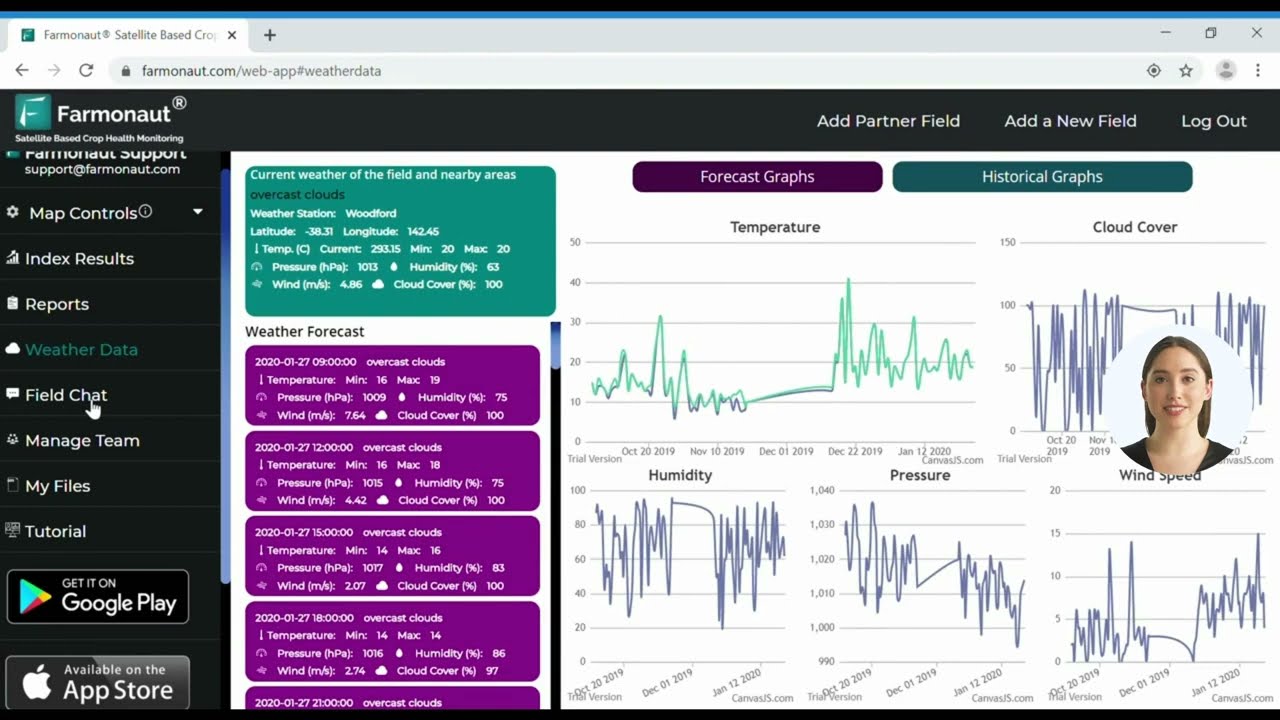
Farmonaut: Satellite-Based Intelligence for Sustainable Agriculture
At Farmonaut, we are committed to making advanced satellite-driven insights affordable and accessible to agricultural enterprises, smallholders, and governments through our web, Android, and iOS platforms. Our cutting-edge technologies—satellite imagery, AI advisory, blockchain traceability, and resource management—enable users to:
- Monitor real-time crop health and weed emergence for proactive decision-making
- Leverage AI-driven advisory (Jeevn) for scheduling optimal herbicide and nutrient applications
- Implement blockchain traceability for transparent, trustworthy agri-food supply chains
- Use fleet and resource management tools to streamline operations and reduce costs
- Track environmental impact for regulatory compliance and carbon accountability
Through our subscription-based model, data-driven users can remotely manage farms, plantations, infrastructure corridors, and even forestry, ensuring their weed management is both effective and sustainable as we navigate towards 2026 and beyond.
For tailored API integrations with your agri-business, see our Farmonaut API and our Developer Documentation.

Sustainable weed control hinges on using the right herbicide, in the right place, at the right time—powered by satellite insights and modern chemistry.
Integrate blockchain-based traceability to avoid compliance pitfalls and build customer trust for your agricultural produce.
Ignoring resistance risks by repeating the same herbicide can drastically reduce long-term efficacy. Rotate modes of action to maintain sustainable yields!
Demand for scalable, data-driven weed management solutions is rising sharply as sustainability compliance becomes mandatory globally.
Opt for herbicides with low environmental persistence and integrate satellite monitoring to ensure ongoing ecosystem compatibility.

- 🌎 Environmental Rating: Choose herbicides rated 4/5 for lower off-target risks and greater sustainability.
- 📈 Yield Maximization: Synergize herbicide choices with crop rotation plans for optimal results.
- 🔗 Traceability: Employ digital tools for transparent documentation in agri-food chains.
- ⚡ Quick Desiccation: Prioritize rapid-action compounds in weed-heavy, high-competition zones.
- 📱 Remote Monitoring: Use satellite-based apps to oversee application, uptake, and landscape effects in real time.
Best Practices: Sustainable Herbicide Application & Rotation
- Rotate Modes of Action: Alternate between PPO, ACCase, and photosystem II inhibition to delay resistance buildup.
- Ensure Application Precision: Employ digital mapping (e.g., Farmonaut) for accurate, sustainable spray zones.
- Monitor Environmental Conditions: Favor times of low volatility and check soil pH and moisture for best outcome.
- Leverage Digital Traceability: Keep transparent, real-time logs of herbicide applications for compliance and analysis (Farmonaut Traceability).
- Integrate AI-Based Advisory: Use AI tools to plan applications around weather, emergence, and risk models to further sustainability objectives.
For step-by-step farm management at scale, consider Farmonaut Large Scale Farm Management—offering holistic advisory, logistics planning, and real-time soil and vegetation health snapshots.
Frequently Asked Questions (FAQ) on Herbicides and Weed Management in 2026
What makes flumioxazin herbicide different from other pre-emergent herbicides?
Flumioxazin herbicide stands out for its rapid PPO inhibition, extended residual activity, strong soil binding, and low volatility—providing both immediate and long-lasting weed control in diverse cropping systems.
How does flumigard herbicide improve weed management in specialty crops?
Flumigard offers advanced PPO inhibition tailored for specialty crops with a broader pH tolerance and adaptable formulations for different climates, making it effective where conventional herbicides fall short.
Why is hexazinone herbicide essential for forestry and plantation management?
Hexazinone’s systemic and persistent action controls tough, woody weeds and ensures successful site preparation and plantation establishment, especially in forestry and infrastructure management.
What are the key sustainability benefits of using pinoxaden in cereal crop rotations?
Pinoxaden’s low persistence and high selectivity against resistant grass weeds protect soil and environmental health, allowing cleaner rotations and sustainable cereal production.
How can digital traceability and satellite technology enhance herbicide compliance?
Digital traceability, as enabled through platforms like Farmonaut, ensures transparent recording of herbicide applications, eases regulatory compliance, and improves accountability throughout the supply chain.
Farmonaut Subscription Plans: Get Started With Sustainable Intelligence
To empower diverse users—from smallholders to infrastructure giants—with affordable, scalable satellite monitoring and AI-driven decision tools, Farmonaut offers flexible subscription packages.
Ready to harness the power of AI, satellite, and blockchain for modern agriculture?
Start with Farmonaut’s platform today.
Conclusion: Future-Proofing Weed Management in 2026 & Beyond
The strategic use of flumioxazin herbicide, flumigard herbicide, hexazinone herbicide, fluazifop herbicide, triazine herbicides, and pinoxaden herbicide forms the integrated backbone of effective, environmentally responsible weed management in agriculture for 2026 and beyond.
As crop systems diversify and sustainability mandates tighten, successful weed control depends on:
- Choosing herbicides with multiple (modes of action) for long-term efficacy
- Implementing responsible rotation and resistance strategies
- Leveraging precision technology & digital platforms to maximize return while minimizing ecological impact
Whether you manage a thousand hectares or a community operation, the right blend of chemistry and intelligence—empowered by satellite, AI, and traceability—will ensure safe, productive, and sustainable yields for decades to come.
For more on optimizing your farming or plantation operations for the future, explore Farmonaut’s Crop Plantation & Forest Advisory Platform.

 Sun Palm Australia
 Grandstream Algérie
 XOS Realty
 Geospatial Lab Africa
 KhetiBuddy
 Agro La Gándara
 HIPSAC
 ZOL Zimbabwe
 Juligerm
 AdBio
AdBio MISE Maroc
 NWNS
NWNS Red August Group
 Farm Inc
 WeMe Global
 Agrotoken
 Blue BearX
 Insignito
 Croptimum
 DnCubed
