

Grain Storage Bins: Advanced Grain Storage Systems for 2025
Effective Grain Storage Systems: A Critical Component of Modern Agriculture in 2025
- “Modern grain storage bins can reduce post-harvest grain losses by up to 30% with precise environmental controls.”
- “Automated grain storage systems are projected to improve farm operational efficiency by 25% in 2025.”
Table of Contents
- Importance of Grain Storage
- Grain Storage Bins: Types and Technological Evolution
- Grain Storage Systems: Beyond Bins
- Key Technological Advancements in 2025
- Farmonaut & Satellite Technology in Modern Agriculture
- Comparison Table: Modern Grain Storage Systems
- Specialized Solutions: Small-Scale and Horse Grain Storage
- Sustainability, Food Security, and the Future of Grain Storage
- FAQs: Grain Storage Bins and Systems
- Conclusion



Importance of Grain Storage: A Pillar of Sustainable Agriculture
Grain storage remains an essential pillar in the structure of modern agriculture and food security worldwide. In the rapidly evolving landscape of 2025 and beyond, grain storage and grain storage bins are no longer basic afterthoughts but central, technology-driven solutions to ensure both efficiency and sustainability. The value of effective grain storage systems for producers, processors, and consumers cannot be overstated.
Key Insight:
Well-managed grain storage enables farmers to store surplus, manage supply fluctuations, and sell when prices peak — directly improving farm income and reducing post-harvest losses.
Why Grain Storage Remains Critical in Agriculture
- ✔ Preserving Nutritional Value & Quality: Proper storage safeguards wheat, corn, barley, rice, and other grains from losses in nutrient content and marketability — crucial for meeting global food demand.
- ✔ Mitigating Spoilage & Pests: Without adequate humidity, moisture, and temperature control, grain is vulnerable to pests, mold, fungal and insect infestations.
- ✔ Ensuring Food Security: Modern grain storage systems are foundational for safeguarding food chains — especially vital in regions facing climate and economic volatility.
- ✔ Enhancing Profitability for Farmers: By enabling strategic sales and reducing losses, proper storage increases farm income and investment capacity for new technologies.
- ✔ Responding to Global Supply Chain Fluctuations: As supply and demand patterns shift, robust storage allows farmers and businesses to adapt and thrive in 2025 and beyond.
Pro Tip:
Grain storage bins do not only impact income at the farm level; they play a significant role in maintaining the stability and resilience of entire food supply chains worldwide.
Grain Storage Bins: Types and Technological Evolution
Grain storage bins – sometimes called storage grain bins or silos – have advanced from simple, traditional forms to robust, digitally monitored, and environmentally aware systems. In 2025, their role in agriculture is more dynamic and crucial than ever.
Types of Grain Storage Bins
- 📦 Upright Cylindrical Bins: Predominantly constructed of galvanized steel or aluminum, these bins offer vertical storage, maximizing land use for large-scale farms.
- 📦 Flat Storage Facilities: Large, warehouse-style structures ideal for handling significant grain volumes, often found in commercial settings.
- 📦 Bunker Silos: Efficient, cost-effective solutions for bulk quantities, especially for feed and short- to medium-term storage needs.
- 📦 Modular Units / Hermetic Bins: Tailored for smaller quantities or specialty grains, often incorporating advanced sealing and moisture control.
Innovator’s Edge: In 2025, most storage grain bins are embedded with sensor networks for real-time monitoring of moisture, humidity, temperature, and grain condition. This detailed data enables rapid intervention, reducing spoilage risks and preventing losses.

Material Evolution & Construction
- ✔ Galvanized Steel and Aluminum: Modern bins are predominantly made of these materials for enhanced durability, corrosion, and pest resistance.
- ✔ Smart Design: Integrated aeration floors & airtight seals ensure airflow regulation and moisture control.
- ✔ Automated Systems: Computer-controlled vents and fans manage temperature fluctuations, maintaining optimal conditions across stored grains.
Common Mistake: Relying on traditional, non-automated storage systems for bulk grains like corn, barley, or rice in humid climates can lead to unexpected losses from mold and pests. Always upgrade to monitored, ventilated bins!
Focus Keyword Visual List: Modern Grain Storage Bin Innovations
- ✔ Sensor-driven humidity & temperature monitoring
- ✔ Automated aeration and airflow control
- ✔ Durable galvanized steel/aluminum designs
- ✔ Pest- and mold-resistant features
- ✔ Integration with digital platforms for timely alerts and data analytics
Grain Storage Systems: Beyond Bins
While bins and silos form the core of grain storage, a complete grain storage system integrates multiple technologies and infrastructure components, optimized for 2025’s farming demands. These systems are designed for operational efficiency, scalability, and precision.
Components of a Modern Grain Storage System
- ✔ Elevators and Conveyors: Streamline grain movement, reducing labor costs, grain handling time, and physical damage.
- ✔ Integrated Drying Systems: Essential for crops harvested with high moisture (e.g., corn, rice). They quickly reduce moisture to safe levels before bins are filled.
- ✔ Monitoring Software & Connectivity: Offers real-time, cloud-based oversight of multiple bins, accessible from mobile or desktop platforms.
- ✔ Aeration Management: Automated or intelligent fans maintain steady airflow and humidity across all storage facilities — crucial for preserving grain quality.
- ✔ Inventory & Sales Integration: Modern systems offer digital tools for tracking inventory, predicting optimal market timing, and connecting with processing facilities or buyers.
Technological Edge for Diverse Climates & Grains
- 🌾 Climate Adaptability: Smart controls automatically adjust to regional weather, enabling storage in both arid and humid conditions.
- 🌾 Crop-Specific Protocols: Wheat, corn, and rice may require different storage durations, humidity, and temperature protocols — programmable to each grain’s needs.
- 🌾 Energy Efficiency: Many systems now use solar or renewable energy for fans, sensors, and digital operations — reducing the farm’s overall footprint.
Investor Note:
Automated grain storage systems can provide detailed digital records supportive for financing, insurance, and compliance documentation—a key advantage for modern agribusinesses and financial institutions.

Key Technological Advancements in Grain Storage Systems for 2025
The evolution of grain storage bins and systems over the past decade has accelerated more rapidly than ever before, driven by digital integration, climate challenges, and the need for higher efficiency and sustainability.
A. Sensor Technology & IoT (Internet of Things)
- ✔ Embedded Sensors: Monitor internal moisture, temperature, and humidity twenty-four hours a day; send instant alerts to farm managers.
- ✔ Machine Learning Algorithms: Predict hotspots, fungal growth, or pest infestations based on historical and real-time data.
- ✔ Remote Management: Access and automate bin controls via mobile apps – whether onsite or remote.
B. Automated Aeration & Airflow Controls
- ✔ AI-Driven Fan Controls: Systems automatically adjust for ambient temperature fluctuations and seasonal changes, ensuring uniform preservation and longevity of stored grain.
- ✔ Smart Venting Systems: Prevent condensation (and by extension, mold and insect attacks), especially important for long-term storage.
C. Sustainable Energy Integration
- ✔ Solar Panels: Now frequently installed to power airflow and monitoring equipment, minimizing operational costs and reducing carbon footprints.
- ✔ Recyclable Materials: Bins increasingly constructed with eco-friendly metals and plastics that facilitate recycling.
Key Technologies – Visual List
- ✔ IoT and Smart Sensors for Real-Time Condition Monitoring
- ✔ AI-Based Automated Aeration and Climate Control Systems
- ✔ Blockchain Traceability for Food Chain Security
- ✔ Cloud Integration for Remote Operation and Alerts
- ✔ Energy-Efficient, Sustainable Construction for Environmental Impact Reduction

Data Insight: Grain storage bins with fully integrated monitoring and digital controls can reduce post-harvest losses by up to 30% and offer preservation lifespans of 18–30 months for wheat and corn.
Practical Considerations for System Selection
- ⚠️ Capacity Needs: Select bin sizes and systems tailored to the anticipated volume from your fields.
- ⚠️ Climate Factors: In humid regions, systems with advanced drying and ventilation are essential.
- ⚠️ Cost v/s Longevity: Prioritize solutions with minimal recurring costs and maximum durability.
- ⚠️ Integration Capabilities: Ensure compatibility with other farm management and market systems.
- ⚠️ Regulatory Compliance: Choose bins & systems aligned with local food safety and environmental standards.
Traceability for Food Safety: Digital, blockchain-based traceability solutions ensure the authenticity and safety of grain throughout the supply chain—protecting both producers and consumers.

Farmonaut & Satellite Technology in Modern Agriculture
As the agriculture sector continues to embrace data-driven solutions in 2025, Farmonaut is at the forefront of integrating satellite technology to enhance the effectiveness of grain storage systems and overall farm management. We harness the power of multispectral satellite imagery, artificial intelligence, and blockchain to equip farmers, agribusinesses, and governments with actionable insights.

Our Jeewan AI Advisory System analyzes satellite-derived data for real-time crop, soil, and infrastructure health monitoring. This data empowers better resource management and enables:
- ✔ Early detection of environmental stress and risk factors affecting harvests
- ✔ Improved grain & crop yield—allowing farmers to better estimate storage needs in advance
- ✔ Smarter decision-making on timing harvest, drying, and storage for maximum market value
- ✔ Integration with blockchain for trustworthy, tamper-proof supply chain traceability (see how)
- ✔ Fleet management of vehicles & machinery to efficiently transport harvested grain into storage bins (fleet tools)
Carbon Footprinting:
Responsible post-harvest practices — including efficient storage — are an essential part of carbon footprinting approaches for modern, sustainable agriculture, ensuring accountability and long-term environmental stewardship.
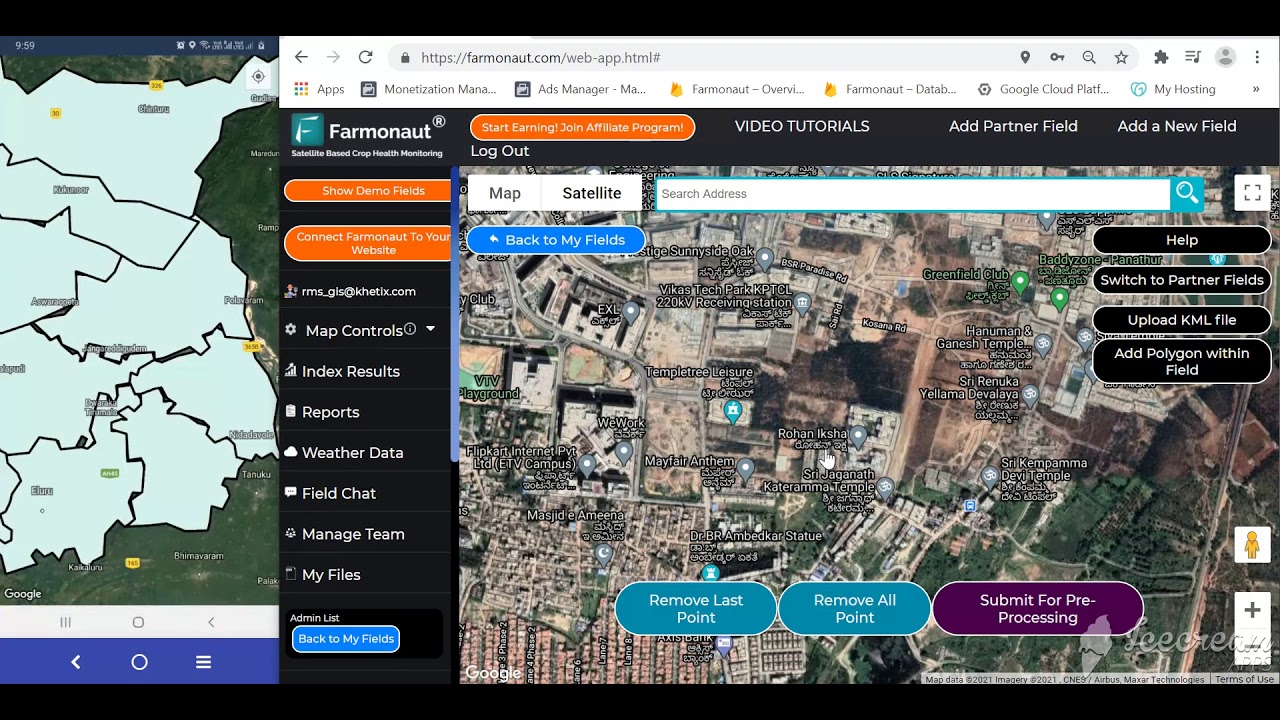
Our platform is compatible across Android, iOS and Web, and supports direct API integration for advanced developers and agri-businesses (API access, documentation). Flexible subscription options ensure accessibility for operations of all sizes.
Farmonaut Plans – Subscriptions
Comparison Table: Modern Grain Storage Systems for 2025
Key Benefit: Choosing the right grain storage system allows farms of all sizes to maximize grain quality, minimize waste, and meet sustainability goals.

Specialized Solutions: Small-Scale and Horse Grain Storage
Dedicated storage bins for grain are just as vital at smaller scales. In equestrian contexts, horse grain storage presents unique challenges, as does storage for diversified or smallhold farming. Here’s what matters most:
Horse Grain Storage: Freshness & Safety for Animal Feed
- ✔ Airtight, Rodent- & Insect-Proof Designs: Prevent costly contamination, safeguard animal health, and maintain feed nutritional value.
- ✔ Temperature & Moisture Control: Critical for oats, barley, corn, and premixed feeds, especially in fluctuating climates.
- ✔ Easy Access, Ergonomic Design: Allow quick grain dispensing and refill, crucial for busy stables or small-run farms.
Portable & Hermetic Storage for Small Quantities
- ✔ Plastic or Steel Modular Units: Protect limited grain quantities for home, hobby, or experimental farms.
- ✔ Modular Scalability: Expand or contract storage capacity as farm operations grow or diversify.
- ✔ Hermetically Sealed Bins: Top choice for preventing moisture and pest ingress without chemical fumigants.
Pro Tip: Horse owners and small farms should NEVER store feed directly on concrete floors — always use raised, sealed bins with airflow beneath to prevent rapid spoilage.
Integrated Digital Management:
Need farm-scale management or tailored plantation advisory? Use Farmonaut’s Large Scale Farm Management app for seamless integration of storage planning, real-time land monitoring, and resource allocation.
Sustainability, Food Security, and the Future of Grain Storage
The global shift towards sustainable agriculture and food security places grain storage bins and grain storage systems at the core of responsible post-harvest operations for 2026 and beyond. The “farm-to-fork” journey’s efficiency, transparency, and reduced carbon impact all begin at the bin.
How Modern Storage Contributes to a Resilient Food Supply Chain
- ✔ Minimizing Global Food Waste: By reducing spoilage, modern storage bins ensure more grain reaches processing facilities and consumers, strengthening food security.
- ✔ Enhancing Market Stability: Storage flexibility allows the sector to better handle supply chain fluctuations and price volatility, benefiting both farmers and consumers.
- ✔ Lowering Environmental Footprint: Energy-efficient aeration, solar power, and recyclable materials are now standard requirements for sustainable post-harvest management.
- ✔ Supporting Compliance and Accountability: Data-integrated systems provide digital proof for food safety, regulatory compliance, and certifications.
- ✔ Carbon Accounting: Consistent with carbon footprinting requirements, advanced grain storage optimizes usage of resources and supports sustainability goals.
Risk Consideration: Ignoring digital integration in grain storage systems undermines traceability, food safety, and business continuity — factors essential for forward-looking agricultural enterprises.
FAQs: Grain Storage Bins and Advanced Grain Storage Systems
A: Grain storage remains absolutely essential for preserving crop quality, reducing waste, and enhancing farm profitability. With climate unpredictability and growing population pressures, entire food chains depend on safe, efficient, and flexible systems that can reduce losses caused by moisture, pests, and time delays.
Q2. How do modern grain storage bins reduce post-harvest losses?
A: Advanced grain storage bins are equipped with aeration systems, digital sensors, and smart controls that regulate temperature and humidity. These features prevent mold, insect infestations, and spoilage, helping to reduce losses by up to 30%.
Q3. Which technological features should farmers prioritize?
A: Sensors for continuous condition monitoring, automated aeration, remote access via apps, and integration with broader farm management platforms are key to modern, effective storage.
Q4. What role does Farmonaut play in supporting modern grain storage?
A: We offer satellite and AI-powered advisory, real-time crop monitoring, blockchain-based traceability, and resource management tools. This technology supports farmers in anticipating harvest volumes, timing storage operations, ensuring supply chain transparency, and optimizing sustainability goals.
Q5. Are there specialized solutions for horse grain storage or small farms?
A: Yes! Hermetic and modular bins designed for smaller quantities, with airtight seals and pest-proof features, support both equestrian and diversified farming contexts.
Conclusion: Grain Storage Remains the Backbone of Modern Agriculture in 2025 and Beyond
In the era of precision, sustainability, and global food security, grain storage bins and advanced grain storage systems have become vital pillars supporting the profitability, resilience, and efficiency of agriculture. The technological evolution of bins and systems empowers farmers and agribusinesses to reduce losses, preserve grain quality, and meet global market demands.
- ✔ Integrated digital monitoring enables proactive prevention of spoilage and pest infestations.
- ✔ Automated and remotely accessible systems transform the way grain is stored, sold, and accounted for along the supply chain.
- ✔ Advanced sustainability features – from durable, recyclable construction to renewable energy integration – minimize agriculture’s carbon footprint.
- ✔ Tailored storage solutions maximize efficiency for operations of every scale, from equestrian feed storage to mega grain complexes.
- ✔ Satellite, AI, and blockchain integration by Farmonaut ensures next-generation precision, adaptability, and security in post-harvest management.
By investing in the right combination of grain storage bins, grain storage systems, and digital intelligence, agricultural stakeholders can build a future-facing foundation that supports not just their business, but global food security and the sustainability of our planet.
Ready to transform your post-harvest management?
Explore our AI-powered monitoring, carbon footprinting, traceability, and large-scale management solutions on our farm management platform and experience a new era of data-driven, sustainable grain storage.

 WICO
WICO Gen Chayat
 Chimera Innovation
 Hiteshi Infotech
 Clubhouse OS
 SkyHarvest
 Polaris Digitech
 Teledarbas
 Wild Oak Farm
 SFX
SFX BACF Africa
 Doodlakine
 Exurbia Geospatial
 FieldZero
 Indico Company
