

Hay Fields: Sustainable Seeding & Fertilizing Tips 2026
Table of Contents
- Introduction: The Vital Role of Hay Fields in 2026
- Seeding & Planting Hay Fields: Building a Productive Foundation
- Fertilizing Hay Fields for Optimal Growth & Sustainability
- Harvesting Hay Fields: Timing, Techniques & Technology
- Technological Integration: Satellite, AI & Farmonaut’s Role in Sustainable Agriculture
- Comparative Best Practices Table: Sustainable vs. Conventional Methods
- Key Insights & Highlights
- Frequently Asked Questions
- Farmonaut Subscription Plans
- Conclusion: Futureproofing Hay Field Management
“Proper seeding rates can increase hay field yields by up to 30% while reducing environmental impact.”
Introduction: The Vital Role of Hay Fields in 2026
Sustainable Practices in Hay Field Management: Fertilizing, Seeding, and Harvesting in 2025 & Beyond
Hay fields remain a critical component of agricultural systems worldwide, providing essential feed for livestock, supporting rural economies, and maintaining our connection to traditional agriculture. By 2026, the integration of sustainable practices, data-driven decision-making, and technological innovations is reshaping hay field management. Modern solutions focus on responsible seeding, precise fertilizing, and advanced harvesting, promoting improved soil health, higher yields, and minimized environmental impact.
This comprehensive guide explores the best ways to prepare, seed, fertilize, and harvest hay fields in 2026—empowering farmers and industry stakeholders to adopt effective, climate-smart practices for resilient and thriving farm systems.
📊 Quick Facts: Sustainable Hay Production in 2026
- ✔ Sustainable seeding and fertilizing in hay fields can increase yields by 20–30% compared to conventional methods.
- 🏞 Innovations in technology enable real-time assessment of soil, moisture, and plant health for informed field management.
- 🌱 Biofertilizers and cover cropping reduce synthetic inputs, enhance soil health, and cut fertilizer costs.
- ⚠ Improper timing of harvest reduces forage quality and may increase spoilage risk.
- 📲 Satellite and AI solutions are now essential for precision agriculture, optimizing both seeding and fertilizing in hay fields.
Seeding & Planting Hay Fields: Building a Productive Foundation
Why Proper Seeding in Hay Fields Matters
Seeding a hay field establishes the foundation for productive forage and future field management. The process begins with careful preparation—from soil sampling to seed selection—ensuring optimal growth conditions for the chosen hay species.
- ✔ Maximized yields: Proper seeding rates and seed distribution lead to thicker, more uniform stands.
- 📊 Reduces weed competition: Dense, healthy hay fields naturally outcompete weeds, lessening the need for herbicides.
- 🌾 Improved soil structure: Deep-rooted perennial forages enhance soil aeration and organic matter.
Modern seeding methods, like variable rate and precision seeding with real-time moisture mapping, ensure seed placement is tailored to each field’s unique conditions, boosting productivity and sustainability.
Selecting the Right Forage: Adapting to Climate and Soil
The choice of seed impacts not only yield, but also the nutritional quality and resilience of hay fields. In 2026, a range of high-performance varieties is available to meet diverse requirements:
- 🌱 Alfalfa: High protein, excellent for dairy and beef cattle; requires well-drained, neutral pH soils.
- 🍀 Clover (red & white): Fixes nitrogen, improves soil health, thrives in slightly acidic soils.
- 🌾 Timothy grass: Cold-tolerant, high-fiber, suitable for horses and humid climates.
- 🌿 Orchardgrass: Tolerant of shade and variable moisture, ideal for mixed-species hay fields.
Recent innovations in seed technology offer improved varieties with enhanced drought tolerance and disease resistance, which are vital under changing climate conditions. Genomic selection and rigorous field testing have led to crops that remain productive even in adverse weather events.
Always match seed selection with regional soil type and climate conditions for resilient hay fields. Local extension services and soil labs can guide you in selecting the best forage mix for your area.
Soil Testing: The Foundation of Productive Hay Fields
Soil testing prior to planting a hay field has become a standard practice in 2026. By analyzing nutrient status, pH levels, and organic content, farmers can determine the best seeding method, apply fertilizers precisely where needed, and adjust management practices before investing in expensive seeds or amendments.
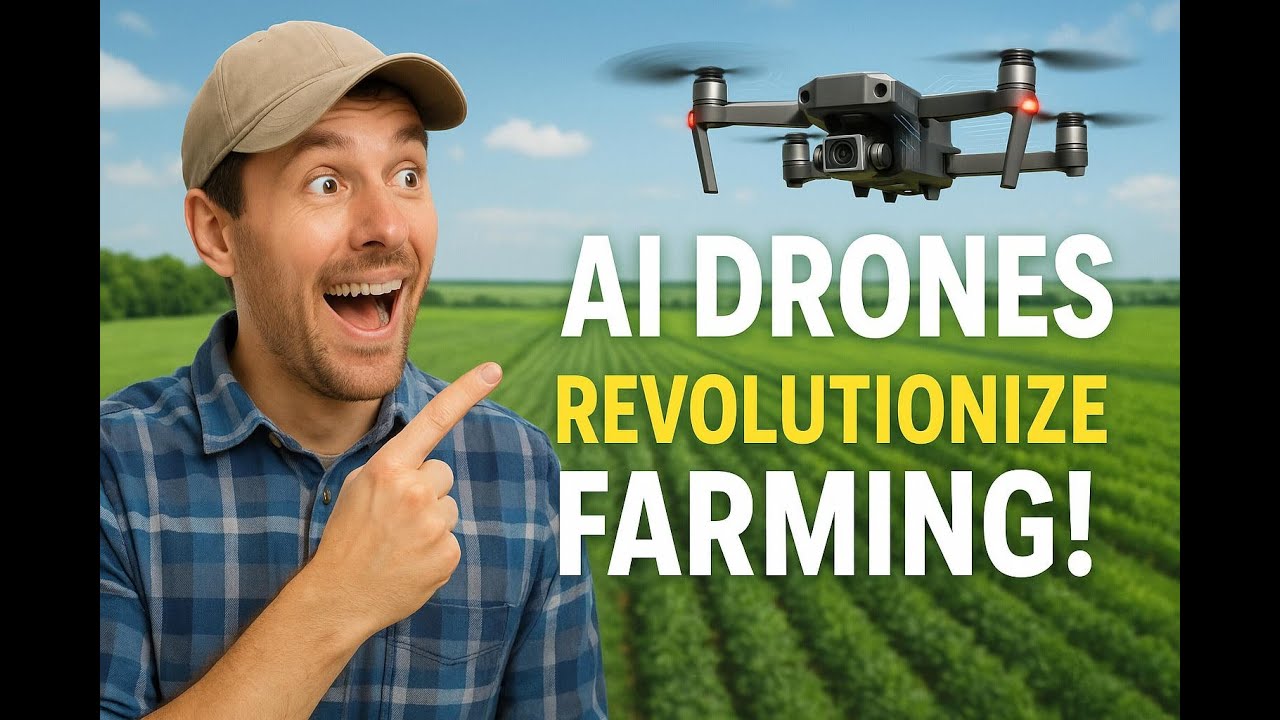
Precision Seeding: Integration with Satellite & Drone Technology
In 2026, precision agriculture tools—including GPS-guided seeders, drones, and satellite systems—have become widely accessible, even for smaller operations. These advancements enable:
- ✔ Accurate seed placement (variable rate seeding)—adapted to field variation and informed by imagery & soil mapping.
- 🌍 Uniform stands—reducing thin spots and maximizing plant density for optimal yield.
- 💧 Real-time soil moisture and health data for the best planting window.
- ⚙ Less seed waste and improved resource efficiency.
“Sustainable fertilizing methods can cut nitrogen runoff in hay fields by nearly 40% compared to conventional practices.”
📝 Steps for Seeding a Hay Field (2026)
- 1️⃣ Test soil for nutrient, pH, and organic matter content.
- 2️⃣ Select forage mix based on climate, livestock needs, and rotation plan.
- 3️⃣ Prepare field (minimal till for erosion control, or no-till for maximum carbon retention).
- 4️⃣ Calibrate seeders and set desired seeding rate.
- 5️⃣ Monitor with drones or satellite imagery for emergence and uniformity.

Seeding Rates & Timing: Ensuring Optimal Stand Establishment
- ✔ Optimal rates: Proper seeding rates (as determined by lab results and field history) can increase yields by up to 30% while reducing seed waste and input costs.
- ⏱ Timing: Seeding windows depend on crop variety and regional weather patterns; data-driven decisions (using real-time climate and soil data) help avoid late frosts, excessive moisture, or drought at emergence.



Farmonaut’s platform provides real-time satellite insights for hay field seeding, enabling farmers to pinpoint optimal planting dates and track field emergence for uniform stands. Explore our large-scale farm management tools for enhancing productivity across your acreage.
Fertilizing Hay Fields for Optimal Growth & Sustainability
Nutrient Management: From Tradition to Innovation
Fertilizing hay fields is crucial for maintaining soil fertility, boosting nutritional quality, and achieving consistent forage yields. However, the way we fertilize in 2026 looks nothing like the practices from a decade ago…
- ⚡ Integrated nutrient management minimizes waste and runoff—protecting water resources and reducing greenhouse gases.
- 🌱 Soil test-based application puts nutrients exactly where they are needed with variable rate technology (VRT).
- 🦠 Biofertilizers and organic amendments bolster the microbial community and promote long-term soil health.
Adopting sustainable fertilizing boosts both short-term returns (through improved hay yields) and long-term farmland value, thanks to better soil health, regulatory compliance, and access to green financing products.
Key Nutrients for Hay Fields
- ✅ Nitrogen (N): Essential for vigorous growth and protein-rich forage. Legume-rich stands (alfalfa, clover) need less synthetic N thanks to nitrogen fixation.
- ✅ Phosphorus (P): Vital for root development, especially in establishment years.
- ✅ Potassium (K): Critical for disease resistance, drought tolerance, and plant vigor.
Traditionally, these macronutrients were applied at fixed rates across whole fields. New best practices (informed by precision mapping and satellite data) have shown that targeted application is far more effective, reducing both waste and environmental impact.

Integrated Fertilization for Hay Fields: Reducing Waste & Maximizing Efficiency
- 🧪 Tissue & soil analysis: Reveal real-time nutrient status and guide micro-dosing fertilizer where needed.
- 🌐 Mapping & VRT: Use of GPS and satellite mapping to apply nutrients more precisely and efficiently. Farmonaut’s tools offer actionable advice on nutrient requirements with AI-driven recommendations.
- 🔄 Organic amendments: Compost, manure, and green manure increase soil carbon and microbial activity, reducing the need for synthetic fertilizers.
- 🦠 Biofertilizers: Microbial products (rhizobia, mycorrhizae) improve soil fertility naturally, especially important in regenerative hay fields.

Reducing Nitrogen Runoff: Sustainable Practices for Environmental Health
- 🚱 Split applications: Apply nitrogen in several small doses, timed with peak crop uptake to minimize leaching.
- 🌾 Legume cover cropping: Using clover or vetch reduces the need for synthetic N, enriches organic matter, and suppresses weeds.
- 🌱 Buffer strips & field-edge management: Planting wildflower or grass borders absorbs excess nutrients before they reach waterways.
By adopting these practices, farmers can cut nitrogen runoff by nearly 40%, preserving aquatic ecosystems and complying with stricter 2026 environmental regulations.
Fertilizer Application Timing: Maximizing Uptake and Reducing Environmental Impact
- ⏳ Apply just before or after rain (but not during heavy rain) to ensure nutrients are absorbed, not washed away.
- 🌞 Cool, moist periods favor better nutrient retention and uptake.
- 🧑🌾 Monitor growth stage for tissue sampling—early growth and post-cut stages are most responsive to nutrient supplementation.
Interested in measuring and managing the carbon footprint of your hay field operations? Farmonaut offers affordable carbon footprinting tools that help align your practices with global environmental targets.
Neglecting to retest hay field soils after several years leads to over-fertilization or nutrient deficiency. Always update your nutrient maps every 2–3 years to ensure sustainable, high-yielding hay production.

Harvesting Hay Fields: Timing, Techniques & Technology
The Importance of Harvest Timing in Hay Fields
- ⏱ Harvest at the right growth stage—peak nutritional value usually occurs at early bloom for legumes and pre-heading for grasses.
- 🌦 Monitor field moisture and weather forecasts to prevent spoilage and quality loss.
Advances in 2026 focus not just on cutting hay at the right time, but also on accelerating drying and reducing spoilage.
Modern Hay Harvesting Technology
Hay balers, tedders, and rakes now feature built-in moisture sensors and automation. Real-time sensor feedback ensures:
- ✔ Precise timing for cutting and baling—less mold, higher nutritional value.
- 🌬 Uniform drying—automated tedders spread and stir hay, speeding up moisture loss.
- 🤖 Autonomous balers and solar-powered equipment—reduce labor, fuel costs, and fossil fuel dependence.
Post-Harvest Storage: Preserving Hay Quality
- 🛡 Breathable bale wraps and ventilated hay sheds prevent mold growth and spontaneous heating.
- 🖲 Smart storage facilities equipped with climate and moisture sensors automatically regulate airflow and temperature.
- 📈 Data tracking (through satellite or IoT technology) offers alerts on moisture spikes to prevent spoilage and nutrient loss.
🛒 Risks of Improper Hay Storage
- ⚠ Mold and mycotoxin contamination
- ⚡ Spontaneous combustion in overly moist bales
- 📉 Loss of nutritional quality and feed value
- 🗑 Increased waste and disposed bales
💡 Modern Solutions for Hay Storage
- ✔ Automated humidity and temperature control
- ✔ QR-code tracking for transparent hay traceability (Learn about Farmonaut’s traceability solutions)
- ✔ Data-driven stack rotation for optimal feed-out
- ✔ Predictive maintenance alerts via app/IoT
Comparative Best Practices: Sustainable vs. Conventional Seeding & Fertilizing in Hay Fields
| Practice Type | Estimated Yield (tons/acre) |
Soil Health Impact | Environmental Benefit | Estimated Cost ($/acre) |
|---|---|---|---|---|
| Conventional Broadcast Seeding + Synthetic Fertilizer | 2.5–3.0 | Low–Medium (Compaction, reduced microbial activity) | High runoff risk, moderate CO₂ emissions | $120–$160 |
| No-Till Precision Seeding + VRT Fertilization | 3.2–4.0 | High (Better soil structure, higher organic matter) | 30% lower CO₂, 40% less nutrient runoff | $110–$140 |
| Cover Cropping + Biofertilizer Application | 3.0–3.6 | Very High (Rich microbial community, N fixation) | Up to 50% less synthetic fertilizer, increased carbon sequestration | $95–$120 |
| Organic Fertilization (Compost/Manure) Only | 2.7–3.3 | High (Boosts soil health, some nutrient limitations) | Low runoff, supports biodiversity, low carbon input | $90–$130 |
| Integrated Practice (No-Till, Cover Cropping, Biofertilizer & VRT) | 3.8–4.4 | Excellent (Long-term soil regeneration) | 60%+ reduced CO₂, virtually zero runoff, net positive carbon balance | $115–$145 |
Note: Estimated values may vary by region, forage mix, and weather patterns. Sustainable practices yield substantial environmental and cost benefits over time.
Key Insights & Highlights for Sustainable Hay Field Management
Interested in integrating Farmonaut’s API into your farm management or agrotech apps? Explore our API developer documentation here.
Technological Integration: Satellite, AI & Farmonaut’s Role in Sustainable Agriculture
Satellite technology, machine learning, and remote sensing are the backbone of twenty-first century field management. At Farmonaut, we utilize these innovations to help hay producers, agribusinesses, and cooperatives worldwide achieve higher productivity with reduced environmental impact.
- 🛰 Satellite-based monitoring provides field-scale data on plant health, soil moisture, and nutrient status—empowering informed planning for seeding, fertilizing, and harvesting.
- 🤖 AI advisory systems deliver in-season recommendations, weather alerts, and predictive insights (ex: optimal harvest windows).
- 🔗 Blockchain traceability allows farm-to-feed transparency—for those seeking premium hay market access and supply chain confidence.
- 🌎 Environmental monitoring tracks carbon footprint and resource use, helping you align with regulations and sustainability incentives.
- 🚜 Fleet management capability for large or contracting operations optimizes resource use and reduces operational costs.
Farmonaut’s satellite insights and AI-powered advisories are accessible via web, app, or API—scalable for small hay producers or even regional hay cooperatives. Affordable field monitoring and resource management are now within reach for everyone.
For large farm operations, Fleet management by Farmonaut enables optimized logistics, machinery tracking, and fuel management, further reducing your environmental and economic footprint.
Farmonaut Subscription Plans
Ready to monitor hay, crop, or rice fields and optimize every acre? Explore our flexible subscription plans for individual farmers, agribusinesses, or government organizations below:
Frequently Asked Questions (FAQ)
1. What is the best timing for seeding a hay field in 2026?
Timing depends on forage type, climate, and soil moisture. Modern satellite and weather analytics help pinpoint the ideal window, often early spring or fall when moisture is adequate and temperatures are moderate.
2. How do sustainable fertilizing methods reduce environmental impact?
By targeting application only where and when needed, using organic and biological sources, and maintaining soil health, sustainable practices prevent runoff of nutrients (notably nitrogen) and minimize greenhouse gas emissions.
3. Can integrated seeding and fertilizing be cost-effective for small farms?
Yes. Upfront investment in soil tests, precision tools, or satellite monitoring is offset by lower input costs, higher efficiency, and improved yields—making these methods viable even for modest operations.
4. How does Farmonaut’s satellite solution benefit hay field operations?
Our platform offers real-time field monitoring, in-season advisories, blockchain-based traceability, carbon accounting, fleet/resource optimization, and supports sustainability reporting—all from your phone or browser.
5. Where can I learn more about Farmonaut’s API or integrate it with my agritech app?
See our API overview and developer documentation for technical details and integration support.
Conclusion: Futureproofing Hay Field Management in 2026 and Beyond
Hay fields are central to agricultural landscapes, providing essential feed, sustaining rural economies, and supporting food security worldwide. With the integration of sustainable seeding, fertilizing, and harvesting practices, coupled with data-driven technology, farmers in 2026 can achieve higher yields, safeguard soil health, and protect the environment.
The transition towards regenerative agriculture in hay production—emphasizing precision, sustainability, and efficiency—is both an economic and ethical imperative. Farmonaut’s satellite-based solutions make it easier for farmers, cooperatives, and governments to monitor, analyze, and optimize all aspects of hay field management in real time.
- 🌱 For maximum productivity—use soil testing and precision tools to guide your seeding and fertilizing decisions.
- 📈 For environmental stewardship—choose organic amendments, cover crops, and targeted fertilizer application to minimize runoff and boost soil carbon.
- 🌏 For future resilience—adopt technology and data-driven management to adapt quickly to changing weather and market demands.
By focusing on sustainable hay field management today, we secure a more regenerative future for agriculture and the planet tomorrow.
Farmonaut: Driving sustainable, high-yield hay production through precision insight and technology.
Discussion
Questions, corrections or field experience? Share them below. First-time comments are reviewed before they appear, and your email is never published.
No comments yet. Be the first to add a question or your experience.

 Sarvome
 Polaris Digitech
 Teledarbas
 Wild Oak Farm
 SFX
SFX BACF Africa
 Doodlakine
 Exurbia Geospatial
 FieldZero
 Indico Company
 Kubota
 FFBS
FFBS Jontra
 Licence holder · Niger · Gold










