

Livestock Animals for Sale & Equipment: 2026 Trends — The Future of Efficient, Sustainable, and Tech-Driven Farming
Meta Description: Discover the latest trends in livestock animals for sale, small-scale farming innovations, animal welfare standards, and smart livestock equipment for sale driving efficiency and sustainability in 2026.
Introduction: The Livestock Market in 2025–2026
Livestock animals for sale, improved livestock equipment for sale, and small livestock scale agricultural models are at the forefront of a global evolution driven by technology, efficiency, and sustainability. In 2025 and moving into 2026, the agricultural landscape is rapidly transforming. Farmers, ranchers, and agribusiness entrepreneurs must navigate shifting market dynamics, the increasing importance of animal welfare, and consumer demand for ethically produced products.
The quest for productivity without sacrificing sustainability is redefining how we approach everything — from picking the right stock animals to investing in futuristic equipment and adopting smart farming practices. Let’s dive into the latest industry advancements and market essentials shaping success in the coming years.

Livestock Animals for Sale: 2026 Market Trends
The phrase livestock animals for sale continues to anchor market activity, highlighting the essential role animals such as cattle, sheep, goats, pigs, and poultry play as foundational components of agricultural economies worldwide. In 2025 and beyond, “live farm animals for sale near me” has become more than a search term — it represents an entire industry’s shift towards localized, digitized, and transparent sales systems.
What’s Driving the Shift?
- Digital platforms efficiently connect buyers and sellers — saving time and reducing stress/transportation costs.
- Enhanced animal welfare with reduced travel time and improved local genetics.
- Climate adaptability risen to the top of breed selection criteria — farmers increasingly seek animals with inherent resistance to disease, feed efficiency, and versatility for different environments.
- Traceability is paramount: Certified breeders offering verified records are now industry standard, reinforcing animal welfare and health as selling points.
Stock Animals: More Than Just Quantity
In this new livestock landscape, stock animals are being evaluated not just by their numbers, but by quality, adaptability, and welfare standards. The right stock means sustainable growth and improved productivity for operations of every size.
Examples of Trending Livestock Breeds (2026)
- Sheep: Heritage or local breeds with high wool/fiber value, like the Merino or Dorper — prized for adaptability.
- Goats: Dairy/meat hybrids such as Boer, Alpine, and Nubian — meeting demand for multipurpose income streams.
- Pigs: Breeds with feed-to-weight conversion efficiency, like Yorkshire, Duroc, or heritage Tamworth — market demand for “cleaner” labels rising.
- Poultry: Pasture-raised heritage chickens and ducks preferred by niche markets for flavor and welfare.
- Cattle: Angus, Hereford, Gir, and other resilient breeds prioritized for disease resistance and climate adaptability.



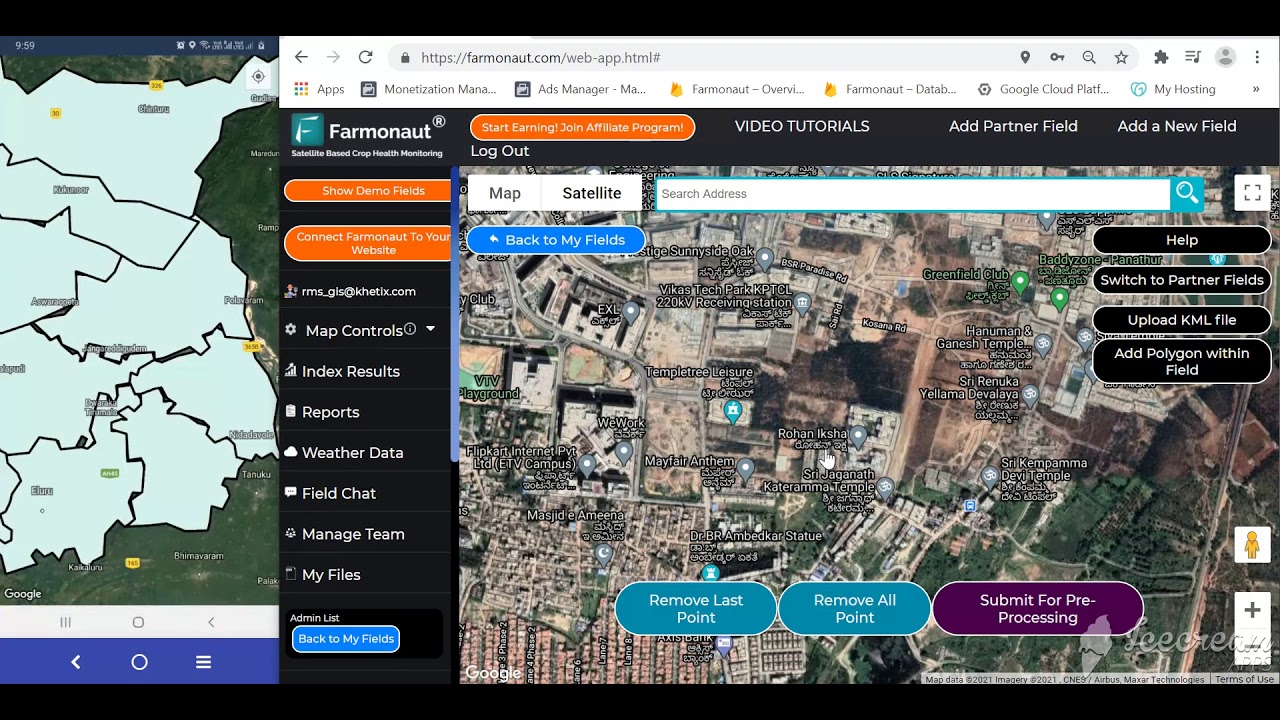
Use Farmonaut’s app suite to monitor livestock conditions, optimize agricultural land use, and access satellite-driven data for better herd health and traceability.

Small Livestock Scale Farming: Changing the Game
The rise of small livestock scale operations marks one of the most important agricultural shifts of the decade. In 2025 and beyond, family-run or niche agribusinesses are leveraging advanced equipment and breed diversity to maximize output from limited land. These smaller farms often prioritize integrated models — combining livestock, crops, and resource management for year-round productivity.
- Local, sustainably produced meat and dairy are high-demand products, valued for flavor, traceability, and “ethical” appeal.
- Artisanal cheeses, specialty wool/fiber, and pasture-raised poultry offer resilience against market swings by diversifying income streams.
- Heritage breeds play a central role — suited for smaller operations, often providing ecological benefits like better grazing and manure management.
- Compact, modular equipment is enabling efficiency in smaller barns, reducing overheads and enabling farmers to expand as needed.
Why Are Consumers Choosing Local and Sustainable?
- ✔ Transparency: Knowing where and how animals are raised yields trust and premium pricing.
- 🧀 Quality Products: Artisanal cheeses, specialty fibers, and organic meats command higher value.
- 🌱 Ecological Impact: Regenerative livestock management practices help restore land and ecosystems.
- 👨👩👧👦 Community Roots: Family-run farms foster local employment and community engagement.

Genetics & Health: Breeding Excellence in the Modern Market
Today’s livestock animals for sale market is deeply influenced by genetic selection and verified breeding records. Certified breeders — often supported by digital platforms — offer animals with superior disease resistance, adaptability, and growth traits. This trend is crucial as climatic conditions change and demand for robust, multipurpose animals rises.
- Disease resistance breeds are prioritized globally.
- Feed efficiency advances lead to lower operational costs and improved environmental outcomes.
- Climate adaptability ensures herd resilience in unpredictable weather and emerging regions.
- Blockchain-based traceability enables transparent, secure tracking of each animal’s health and origin through every stage of production.

Smart Livestock Equipment for Sale: Innovation, Automation & Impact
As the livestock industry continues to evolve with technology, the selection and implementation of livestock equipment for sale is transforming. In 2026, the market is witnessing dramatic growth in automated milking systems, climate-controlled housing, wearable health monitors, and data-driven feeding systems. These tools empower farms — from small livestock scale to industrial operations — to improve productivity, animal welfare, and cost efficiency.
- Automated feeders ensure precise nutrient delivery and reduce waste, now standard in progressive farms.
- Wearable animal health trackers provide real-time alerts for illness, estrus, or stress — especially valuable for minimizing labor on larger herds.
- Climate controls (smart barns): maintain ideal environments for comfort and rapid production cycles.
- Precision weighing and sorting equipment allows smarter marketing, resource allocation, and selection for breeding or sale.
Developers and entrepreneurs can supercharge their livestock management systems by integrating satellite-based data through the Farmonaut API. For robust integration guidance, see the Farmonaut API Developer Docs.

Modern Equipment Benefits for Small Livestock Scale Farms
- ✔ Labor saving: Automation frees up time for strategic operations and quality care.
- 📊 Data insight: Sensors, wearables, and apps provide actionable, real-time feedback on animal health and productivity.
- ⚡️ Energy efficiency: Solar power and advanced materials reduce total operational costs.
- 🔧 Modular design: Easily adaptable as herd size grows or shrinks — excellent for flexible, multi-generational family farms.
For advanced logistics and resource tracking, explore Farmonaut’s Fleet Management Tools. These solutions help optimize equipment use and reduce costs across diverse agricultural and mining operations.
Meeting Evolving Consumer Demand & Market Dynamics
Modern consumers increasingly demand transparency in sourcing, ethical breeding and production, and sustainably produced animal products. The market is evolving from basic “livestock animals for sale” listings to holistic ecosystem offerings, where welfare, traceability, and environment go hand-in-hand.
- ⚡️ Consumers reward ethically managed operations with loyalty and premium pricing.
- 🌾 Sustainability certifications and carbon labeling boost buyer confidence.
- 🔍 Blockchain-driven traceability is a value proposition for export markets and health-focused consumers.
- 🌍 Regional breeds and specialty products (artisanal cheeses, specialty fibers) meet growing demand for authenticity and unique story-driven sales.
Blockchain-powered product traceability is a defining feature of next-generation livestock operations. Leverage Farmonaut’s Traceability Solution for secure supply chains and authentic, transparent consumer-facing records.
Sustainability and Animal Welfare in Livestock Farming
Sustainability is no longer an optional feature — it’s now integrated into the daily operation of the most successful livestock farms. Whether you’re considering livestock animals for sale or investing in equipment, sustainable practices are crucial for future-proofing your farm.
Key Pillars of Sustainable Livestock Operations
- Holistic animal welfare: Prioritize comfort, health, and freedom for all stock animals.
- Regenerative models: Employ rotational grazing and integrated livestock/crop systems for ecological balance.
- Smart resource use: Implement efficient, data-driven feeding and waste management systems.
- Carbon tracking & reduction: Monitor, manage, and lower carbon footprints for compliance and marketing advantage.
- Continuous education: Stay updated with evolving best practices, equipment, and regulations.
Want to precisely track your carbon emissions and support sustainable labeling? Check out Farmonaut’s Carbon Footprinting Tool — designed for both small livestock scale and industrial farming enterprises.
Comparison Table: 2026 Livestock Animals & Equipment Trends
| Animal/Equipment Type | 2025 Avg. Price (Est. USD) | Efficiency Improvement (%) | Sustainability Feature | Notable 2026 Trend |
|---|---|---|---|---|
| Goats (multi-purpose breed) | $170–$350 | +34% (meat/milk yield) | Low input, high rotational grazing benefit | Genetically verified, traceable, locally adapted lines |
| Sheep (heritage wool/fiber) | $200–$420 | +28% (wool & lambing rates) | Carbon-positive grazing, specialty fiber | Specialty wool/fiber for premium niche markets |
| Cattle (beef/dairy) | $800–$1,700 | +41% (feed conversion) | Regenerative grazing, methane-management | AI-tracked health and genomic selection |
| Pigs (feed-efficient lines) | $75–$200 | +26% | Waste upcycling, high-value manure | Local breed crossbreeding & niche pork |
| Poultry (pasture-raised) | $4–$11 (per bird) | +36% (egg/meat productivity) | Mobile chicken tractors, ecological pest control | Demand for organic/ethically raised birds |
| Smart Feeders (IoT-enabled) | $1,100–$2,700 | +42% | Precision feeding reduces waste/costs | Integration with animal health trackers |
| Automatic Waterers | $220–$480 | +26% | Water-saving & reduced labor | Drought-adaptive design, sensor integration |
| Wearable Animal Sensors | $33–$110 (per head) | +51% (health/estrus management) | Reduces medicine use, supports welfare | Connected to farm management apps |
| Climate-Controlled Barns | $5,800–$12,000 | +39% (growth cycles) | Solar optimized, low-carbon footprint | AI-regulated, predictive maintenance |
The above table highlights how both livestock animals for sale and equipment investments are enabling higher efficiency and sustainability in 2026. The focus on data-driven, resilient, and traceable systems is crucial for success across every size of farm and market niche.
How Satellite Technology Empowers Livestock: Farmonaut’s Tools for 2026
Satellite and AI-driven insights are revolutionizing how we approach livestock animals for sale, equipment investments, and operational efficiency. At Farmonaut, our mission is to provide affordable, high-impact satellite-driven solutions that address complex agricultural needs — including livestock health monitoring, resource management, traceability, and environmental sustainability.
- ✔ Satellite-Based Monitoring: Real-time data on pasture health, water sources, and infrastructure help farmers optimize livestock movement, grazing, and welfare.
- 💡 AI Advisory Systems: Our Jeevn AI delivers weather forecasts and tailored advice for disease risk, grazing patterns, or feed optimization — supporting both small and large scale farms.
- 🔗 Blockchain-Based Traceability: Using Farmonaut’s traceability suite ensures transparent supply chains, authenticating each stock animal’s journey from breeding to sale. Learn more about Traceability.
- 📱 Resource Management: Monitor and optimize equipment, fleet, and operational workflows with our suite of mobile and web applications. Read about Fleet Management.
- 🌱 Environmental Impact Monitoring: Track carbon emissions and ecological performance using satellite imagery. This empowers producers to market low-carbon, regenerative animal products. See our Carbon Footprinting platform.
At Farmonaut, we are committed to empowering farmers, ranchers, and agribusinesses across scales and regions, delivering technology that sustainably increases productivity, lowers costs, and enhances transparency within the livestock industry.
Expert Callouts & Tips
Bullet Points & Visual Lists: Key Benefits & Considerations
- ✔ Data-Driven Decisions: Real-time monitoring enables smarter livestock management at every stage of production.
- ✔ Cost Efficiency: Automation and smart equipment drive down labor, feed, and resource costs.
- ✔ Market Adaptability: Flexible, modular models suit both expanding and contracting farm scales.
- ✔ Enhanced Welfare: Healthier, less stressed animals deliver higher-quality meat, dairy, and fiber.
- ✔ Sustainability Built-In: Environmentally-friendly practices are now integrated into profitability models for every size of operation.
Resilient Breeds
- Goats, sheep & cattle: Adapt to more climates
- Heritage stock yields higher niche value
- Multi-purpose breeds enable flexibility
Smart Equipment
- Feeding & watering fully automated
- Wearables for instant health insights
- Climate control reduces stress, disease
Sustainable Models
- Regenerative grazing restores soil health
- Low-carbon systems for future marketing
- Integrated crop-livestock networks
Additional Visual List: Tech Benefits at a Glance
- 📊 Precision Data: Enable timely intervention and management with AI & IoT.
- 📈 Boosted Yields: Automated systems reduce waste and improve animal health.
- 🛰️ Satellite Integration: Maximize pasture, water, and resource allocation.
- 🔒 Traceable Supply Chains: Win consumer trust and meet export requirements.
- ⚡️ Lower Overheads: Smarter energy and labor use means better profit margins.
FAQ – Livestock Animals for Sale & Equipment Innovations
What livestock animals for sale are most in demand in 2026?
Goats, heritage sheep, disease-resistant cattle, efficient pig breeds, and pasture-raised poultry top the demand list. Multipurpose and regionally adapted animals are especially sought after for small livestock scale and artisanal farming ventures.
How will livestock equipment for sale change in 2026?
There will be a surge in automated, IoT-connected devices (feeders, waterers, climate control, health wearables) designed for scalability, modularity, and sustainable resource use. Integration with farm management platforms and satellite data will become standard.
Why are genetic records and traceability important when buying livestock?
Genetic records help ensure animals are healthy, disease-resistant, and suited for regional conditions. Blockchain-based traceability protects against fraud, improves disease control, and increases buyer trust — especially in global export markets.
How can small-scale farmers benefit from smart equipment?
Small livestock scale farms can cut labor and feed costs, streamline operations, and access real-time animal health data — leveling the playing field with larger producers. Many new devices are affordable, modular, and easy to implement on family farms.
What role do platforms like Farmonaut play in livestock farming?
Farmonaut delivers affordable satellite-based insights, AI advisory, traceability, fleet/resource management, and real-time environmental monitoring — empowering all farm sizes to optimize efficiency, sustainability, and transparency in livestock operations.
Conclusion: The Path to Sustainable Success in 2026
As we approach 2026, livestock animals for sale and equipment for sale have become synonymous with innovation, efficiency, and sustainability. From family-scale operations to global agribusinesses, success depends on the ability to integrate technology, transparency, and next-generation practices at every level.
The most resilient operations will prioritize genetic excellence, animal welfare, smart equipment, and ecological stewardship. With satellite-powered platforms and AI-driven insights, industry leaders and local producers alike can build agile, futureproof systems that continue to feed, clothe, and prosper communities worldwide.
Stay ahead in the ever-evolving livestock animals for sale marketplace by embracing smart integrations, proven sustainable models, and a clear commitment to transparency — for your herd, your consumers, and our planet.
Empower your livestock journey with affordable, data-driven innovation & satellite intelligence — join the Farmonaut community today.

 Godrej Agrovet
 Hayleys Agriculture
 Linx Agritech
 Adinet
 Save Your Soils
 GalaxEye Space
 Grandstream Algérie
 XOS Realty
 Geospatial Lab Africa
 Agro La Gándara
 HIPSAC
 ZOL Zimbabwe
 Juligerm
 AdBio
AdBio MISE Maroc
 NWNS
NWNS Red August Group
 Farm Inc
 WeMe Global
 Agrotoken
 Blue BearX
 Insignito
 DnCubed
 Indosistim Teknologi
 Liquify Digital
 CU Foods
 BeyondTech Global
 Rouge VC
 AgroRisk
 Oath Inc
 Esri North East Africa
 MDCV UK
 Etech Consulting Madagascar
 Vestlandsforsking
 WB Dev
 Sama Premium
 Tres Valles
 Blickwinkel
 Agricultural Credit Policy Council
 eKGIS
eKGIS Mostas Tech
 Andex
Andex Deluxe Conseil
 WICO
WICO Chimera Innovation
 SkyHarvest
 Teledarbas
 Exurbia Geospatial
 FieldZero
