

Miniature Belted Galloway & Cattle Breeds: 2026 Guide
Table of Contents
- Introduction: The Miniature Belted Galloway
- Origins & Breed Characteristics
- Role of the Belted Galloway Cattle Society
- Comparison with Other Belted Cattle Breeds
- Miniature Hereford Breeders Association & Parallel Trends
- Applications in 2026 Agriculture
- Sustainability & Ecological Benefits
- Comparative Breed Sustainability Table
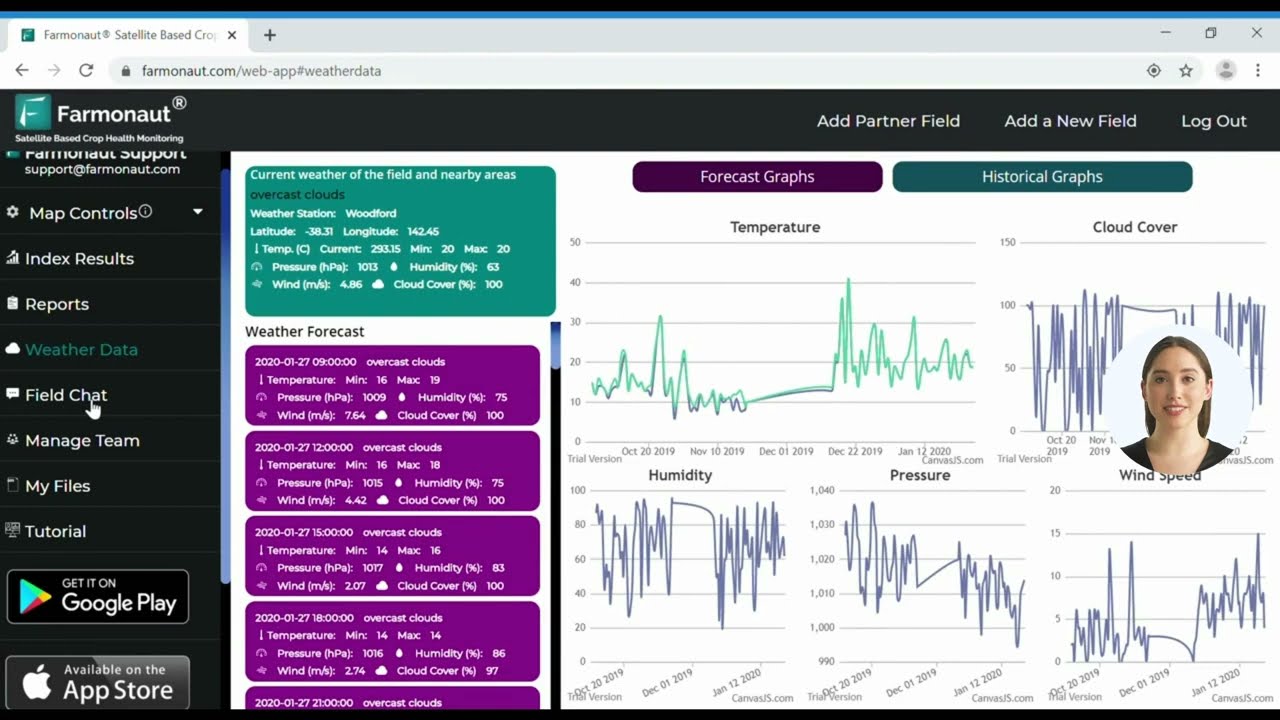
- Farmonaut: Satellite Technologies for Sustainable Cattle Farming
- FAQ
- Conclusion
Miniature Belted Galloway: A Comprehensive Overview for Modern Sustainable Farming
As we move into 2026 and beyond, the evolving landscape of sustainable agriculture and niche livestock breeds is seeing a surge in the popularity of the Miniature Belted Galloway. This distinctive breed has emerged as one of the most valuable options for farmers, land managers, and specialty meat producers seeking to align modern farming needs with heritage traits and environmental stewardship.
Rooted in the larger Belted Galloway cattle breed, the miniature variety boasts unique characteristics and remarkable adaptability. From efficient grazing systems to regenerative land management, Miniature Belted Galloways provide opportunities to both smallholder and commercial farmers looking to access increasingly in-demand specialty markets.

The popularity of miniature belted galloway cattle is accelerating as farmers seek animals suited to smaller acreage, lower feed input, and premium niche meat markets. Their manageability and ecological benefits make them ideal for sustainable livestock systems in 2026 and beyond.
Origins and Breed Characteristics: The Heart of Belted Heritage
The Birthplace: Galloway, Scotland
The Belted Galloway, often affectionately termed “Belties”, traces its origins to the rugged Galloway region of southwest Scotland. This breed is known for its hardiness, adaptability, and the instantly recognizable “belt” of white which encircles a black, dun, or red coat. Over centuries, these cattle evolved under challenging Scottish weather, developing robustness, outstanding grazing habits, and a reputation for producing high-quality beef.
Miniaturization for the 21st Century
The Miniature Belted Galloway is a distinct subset, developed by breeders selecting for smaller size. As demand for smaller, manageable cattle increased, breeders focused on retaining all the signature heritage traits—the iconic white belt, coat color, and hardiness—while reducing size to better suit modern and niche markets.
- ✔ Size: Typically stand 36–42 inches at the shoulder (a fraction of traditional Belties).
- ✔ Feed Requirements: Lower daily intake, well-suited for smaller acreage.
- ✔ Temperament: Gentle, docile, making them easy for hobbyists and families.
- ✔ Resilience: Maintain the breed’s renowned robustness against weather and disease.
- ✔ Color & Pattern: Retain the famous white encircling “belt” with black, dun, or red.
Signature Traits & Ecological Role
The breed’s efficient grazing habits not only reduce waste but also support soil health, natural weed control, and biodiversity. These attributes position miniature Belted Galloways as a leading choice for regenerative farms in 2026.
Sustainable Grazing
Heritage Genetics
Agroforestry Ready

When choosing miniature beltie cattle, select from reputable breeders and the Belted Galloway Cattle Society’s registry to ensure genetic diversity and robust health in your herd—especially important as breed popularity grows for regenerative niche farming in 2026.
Mini Belted Galloway vs Standard Belted Galloway
The Belted Galloway is a Scottish beef breed from the Galloway region, set up as a separate breed in 1921. Its broad white belt must fully circle the body, on a black, dun or, more rarely, red coat. Breed societies followed in New Zealand in 1948, the United States in 1951 and Australia in 1975 (Belted Galloway, Wikipedia).
| Standard Belted Galloway | Miniature Belted Galloway | |
|---|---|---|
| Adult weight | Cows usually 450–600 kg, bulls 750–1,000 kg | Clearly smaller; no single agreed standard |
| How size is judged | Weight and frame | Hip height, measured with a height stick |
| Coat and belt | Double coat, full white belt | Same look is the aim of breeders |
| Uses | Grass-fed beef, conservation grazing | Small acreages, hobby farms, direct-sale beef |
| Status | Listed as “watch” by the US Livestock Conservancy in 2022 | Recorded mainly by miniature cattle registries |
The double coat means Belties do not need thick fat for warmth, so their meat tends to be lean. Cattle finished on forage alone can take up to four years to reach slaughter weight. That slow growth applies to minis too, and it matters if you plan to sell beef.
The Role of the Belted Galloway Cattle Society in 2026
The Belted Galloway Cattle Society—established as the central organization for breed promotion, registration, and heritage conservation—is instrumental in maintaining the genetic diversity and purity of Belted Galloway cattle. Their role is now more crucial than ever, as the breed’s popularity in sustainable and regenerative agriculture systems continues to rise in 2025 and beyond.
- 🐮 Managing Registrations: The Society provides a strict registry ensuring pedigree accuracy and trait consistency.
- 🌳 Promoting Best Practices: Disseminating guidelines for breeding, health, and conservation worldwide.
- 📚 Educational Outreach: Resources for breeders, from genetics to pasture management.
- 🧬 Genetic Monitoring: Efforts to maintain diversity and avoid inbreeding are a crucial part of the Society’s mission.
- 🌱 Environmental Models: Supporting research into regenerative farming models powered by miniature Belted Galloways.
In 2025, the Society is recognized for enabling conservation grazing, promoting ecological management of land, and providing structured pathways for new breeders seeking entry into niche livestock markets. Their resources and support ensure that interest in the miniature Belted Galloway is matched by a solid infrastructure for maintaining breed standard and health.
What to Check Before Buying Mini Belted Galloway Cows
“Miniature” is a size description, not a separate breed standard, so buyers should check each animal.
- Measured hip height. Ask for the height measured at the hip, and for the heights of both parents. Registries such as the International Miniature Cattle Breeders Registry explain how to measure cattle correctly. A young calf’s height says little about its adult size.
- Pedigree and registration. Ask which registry the animal is recorded with, and whether it is a purebred small-frame Beltie or a cross. Both can be good cattle, but they should be priced differently.
- DNA tests. Mini cattle registries offer DNA testing for parentage and genetic conditions. Ask for results before paying a premium.
- Temperament. Belties are generally quiet, but cows protect their calves strongly. Handle cows with young calves with care.
- Grazing and shelter. The breed does well on rough grazing and is often kept outdoors all winter. Plan for fencing, clean water, minerals and hay for the lean months.
Buy at least two animals if you can. Cattle are herd animals and settle better with company.
Comparison with Other Belted Cattle Breeds
The Belted Galloway is one of several belted cattle breeds, known for its distinctive belt and hardiness. While other belted breeds exist (e.g., Dutch Belted), few have miniaturized variants or the support infrastructure enjoyed by “belties”.
- 📋 Heritage Status: The Belted Galloway is a recognized heritage breed with registries and global conservation efforts.
- 🌟 Market Recognition: Miniature Belted Galloways are more sought after and available than their Dutch Belted counterparts.
- 💡 Trait Consistency: Miniature Belties show greater consistency in size, coloration, and temperament.
- ⚖ Support System: Dedicated organizations and breeder networks exist to support health, registration, and promotion.
Don’t confuse miniature Belted Galloways with other small cattle breeds or belted varieties—their breed purity and support infrastructure are unique thanks to strict society registration and global breeder networks.
Miniature Hereford Breeders Association: Parallel Trends in Miniature Cattle
Alongside Belted Galloways, the Miniature Hereford Breeders Association is championing the miniaturization of another renowned beef breed—the Hereford. Their efforts reflect a broader trend: heritage breeds are being intentionally reduced in size through careful selective breeding, making them more accessible and manageable for modern farming systems.
Both associations share common goals of:
- 🐄 Preserving genetics and traits of classic cattle
- 🌎 Supporting smallholder and specialty markets with compact, efficient livestock
- 🌱 Encouraging regenerative models and lower environmental impact
- 📈 Adding value through quality assurance, community education, registration, and marketing
Together, these organizations are shaping the future of integrated, sustainable livestock-cropping systems as regenerative practices gain a foothold in 2025, 2026, and beyond.

Miniature Belted Galloway
Miniature Hereford
Dexter
Dutch Belted
Prices for heritage and miniature cattle vary widely by region, pedigree and size, so compare several breeders before buying.
Miniature Belted Galloway in 2026 Agriculture: Sustainable and Specialty Applications
By 2026, miniature Belted Galloway cattle are integral to various innovative farming approaches—including horticulture, agroforestry, permaculture, and specialty livestock models. Their gentle temperament and compact size allow farmers to apply integrated systems with multiple environmental and economic benefits.
- 🌱 Silvopasture: Livestock and trees share land, enhancing carbon sequestration, biodiversity, and soil stability.
- 🌀 Low-input, Organic Operations: Miniature Belted Galloways reduce the need for external inputs thanks to natural resistance and efficient grazing.
- 🏡 Hobby Farms and Smallholdings: Their size is perfect for property restrictions or for beginners in animal husbandry.
- 🍖 Specialty Meat Production: Heritage beef breeds like the Belted Galloway command premium prices for flavor, sustainability, and story.
- ⚡ Agroecological Diversification: Miniatures fit into rotational or mixed-crop-livestock systems for land health and economic resilience.

We at Farmonaut support modern livestock managers with carbon footprint monitoring tools and fleet/resource management, making it easier to measure, benchmark, and improve your farm’s environmental impact and operational efficiency as you adopt heritage breeds like miniature Belted Galloway for regenerative farming.

Sustainability & Ecological Benefits of Miniature Belted Galloway
As the climate crisis intensifies and regulatory frameworks tighten, farms that prioritize sustainability and resilience are best positioned to thrive. The Miniature Belted Galloway breed is an excellent example of how cattle can combine productivity with environmental stewardship:
- 📉 Reduced Carbon Footprint: Smaller body size means lower overall emissions per head compared to standard cattle.
- 💧 Lower Resource Use: Feed, water, and land requirements are substantially less, minimizing resource pressure along the supply chain.
- 🌳 Agroforestry Integration: Enhance biodiversity and carbon capture when co-grazed with trees and native vegetation.
- 🤲 Regenerative Grazing: Improve soil health, structure, and organic matter by managing pasture rotations in line with natural ruminant behaviors.
- 📈 Economic Resilience: The specialty status of heritage beef breeds helps secure premium markets insulated from commodity volatility.
Use Farmonaut’s carbon footprinting product to track, verify, and report your operation’s progress toward sustainability and traceable ecosystem services. For traceability in your beef value chain, visit our Traceability product page.
Comparative Breed Sustainability Table
To make informed breed selection decisions for sustainable farming in 2026 and future-proof your agriculture, compare miniature and heritage beef breeds on size, feed and land needs, and ecological benefits, using figures from breed societies and extension services.
- 📊 Data Insight: Miniature breeds dramatically lower land and resource requirements—ideal for 2026’s sustainable, small-scale, and specialty operations.
Farmonaut: Satellite Technologies for Sustainable & Regenerative Cattle Farming
As cattle breeders, specialty beef producers, or regenerative land managers, it is critical to adopt technologies that make your operations more sustainable while also improving profitability. We at Farmonaut leverage cutting-edge satellite, AI, and blockchain systems to deliver insights and services for modern farming—no matter where your land or livestock are located.
Key Technology Offerings for Cattle Farmers
- 💡 Satellite Vegetation & Pasture Monitoring: Track pasture health, grazing pressure and optimize rotations with our large-scale farm management app.
- ⛽ Fleet & Resource Management: Reduce resource wastage and improve logistics with smart vehicle and asset management solutions.
- 📉 Carbon Footprint Monitoring: Report progress on emission reduction and win premium beef contracts with farm-level carbon tools.
- 🔗 Supply Chain Traceability: Increase buyer confidence and access international niche beef markets via blockchain traceability platforms.
- 📖 Customized AI Advisory: Optimize herd management, grazing, weather risks, and more with Jeevn AI advisory on our platform.
- ☁ Remote Monitoring: Efficiently supervise distributed herds or pastures via web, Android, or iOS apps—
 Farmonaut Web App
  Download on Google Play
  Download on App Store
 - 🔌 Robust API Access: Integrate our satellite and advisory data directly into your livestock management tools —see Farmonaut APIs and API Developer Docs.

Choose from flexible subscriptions for individual cattle operations, commercial beef producers, and land managers.
Manage costs while leveraging state-of-the-art satellite and AI monitoring tools:
Miniature Belted Galloway & Cattle Breeds 2026: Frequently Asked Questions (FAQ)
What makes the Miniature Belted Galloway unique compared to other cattle breeds?
Miniature Belted Galloways combine heritage genetics, a distinctive white belt pattern, robust health, and a gentle temperament. Their smaller size brings reduced feed, water, and land requirements—making them ideal for smallholder and regenerative farms, silvopasture, and specialty beef production.
How can the Belted Galloway Cattle Society support new breeders in 2026?
The Society provides rigorous breed registration, education, networking, and guidance on best breeding, husbandry, and grazing practices. Their worldwide outreach and robust standards help preserve the unique traits and ecological value of miniature Belted Galloways for the future.
What are the ecological benefits of raising miniature belted cattle for niche and sustainable farming?
Their efficient grazing habits foster soil health, control weeds naturally, enhance biodiversity, lower methane output, and support carbon sequestration. These benefits make miniature Belted Galloway cattle especially appealing to sustainable agriculture and regenerative models.
How does Farmonaut assist with sustainable cattle management?
We at Farmonaut provide satellite monitoring of pasture, carbon footprint tracking, blockchain-based beef traceability, resource management, and AI-powered advisory tools, enabling data-driven decisions for herd health, land use, and climate goals. Access these tools via web, Android, and iOS platforms and benefit from our scalable API integrations.
Where can I get more information or start using Farmonaut’s satellite tools?
For detailed product features, visit:
- Farmonaut Web App for pasture and cattle monitoring
- Carbon Footprinting Solution for environmental compliance
- Product Traceability for blockchain supply chain monitoring
- Fleet Management for operational efficiency
- API Access & Developer Docs
Conclusion: Miniature Belted Galloway – The Future of Sustainable Farming
The Miniature Belted Galloway stands as an exemplar of how traditional cattle breeds can be revitalized to meet the challenges of 2026’s sustainable agriculture. Supported by the Belted Galloway Cattle Society and thriving in a landscape shaped by technology, climate priorities, and niche markets, these belted cattle breeds are at the forefront of a new farming era.
Their unique combination of heritage traits, hardiness, size efficiency, and ecological value enables modern farmers and smallholders to maximize output, bolster sustainability, and enhance land stewardship. With advanced digital solutions from Farmonaut, farmers can integrate real-time data, AI advisory, and blockchain traceability to further optimize livestock and land management, ensuring competitiveness and resilience for years to come.
- ✔ Heritage Genetics + Modern Needs: Miniature belted cattle answer the call for regenerative, sustainable, and specialty beef systems
- ✔ Easily Manageable & Scalable: Perfect fit for smallholders, hobbyists, and diversified agro-ecosystems
- ✔ Premium Market Opportunities: Quality beef, traceable origins, and sustainable credentials fetch a higher price
- ✔ Tech-Powered Monitoring: Satellite, AI, and blockchain unlock resource efficiency and transparency
- ✔ Ready for 2026 & Beyond: Embodies core principles of climate-smart and resilient farming

 Agritein
 Delicio
 Payagri
 WB Dev
 Sama Premium
 Prochecker
 Tres Valles
 LACOS Geoinformation
 Pulsar Supernova
 Magrifly
 LatConnect 60
 WebsEdge
 Blickwinkel
 Agricultural Credit Policy Council
 Marei Nursery
 eKGIS
eKGIS Mostas Tech
 Andex
Andex FCF India
 Unifrutti Gulf
