

Multicropping, Alley Cropping, and the Advantage of Monocropping: Contemporary Perspectives in Agriculture and Forestry for 2026
“Multicropping can increase total crop yield per hectare by up to 50% compared to monocropping.”
Table of Contents
- Introduction: Meeting the Demands of Modern Agriculture
- Multicropping: Diversification, Production & Resilience
- Alley Cropping: Synergy and Sustainable Agroforestry
- Advantage of Monocropping: Efficiency & Scale in Contemporary Agriculture
- Comparative Analysis Table: Multicropping vs Alley Cropping vs Monocropping
- Balancing Cropping Systems: Designing for Sustainability in 2026 and Beyond
- Farmonaut: Satellite-powered Solutions for Sustainable Land Management
- FAQs: Multicropping, Alley Cropping, Monocropping, and Land Use
- Conclusion: Informed Decisions for Sustainable Futures
Introduction: Meeting the Demands of Modern Agriculture
As global populations continue to rise and environmental concerns intensify, the agriculture and forestry sectors in 2026 face critical challenges: maximizing productivity, conserving natural resources, and maintaining sustainability in both practice and output.
Understanding multicropping, alley cropping, and the advantage of monocropping helps farmers, foresters, and land managers choose the best cropping systems for their unique contexts. In this guide, we explore the principles, benefits, and challenges of these key systems—bridging traditional knowledge with modern technological advancements such as precision agriculture and satellite-based monitoring.
You’ll discover the surprising ways that efficient land management can:
- Enhance soil health
- Promote ecological resilience
- Increase farm income streams
- Optimize resource use and maximize yields
- Support climate adaptation in the current context of 2026 and beyond
Let’s delve into each system—multicropping, alley cropping, and monocropping—from their definitions to their real-world applications, contemporary advantages, and integration with cutting-edge technologies like Farmonaut’s satellite-powered tools.



Multicropping: Diversification, Production & Resilience
Understanding Multicropping
Multicropping refers to the practice of growing two or more crops on the same plot of land—either sequentially (one after the other within a year) or simultaneously (side by side or intercropped). This traditional concept is being revitalized with modern management, cutting-edge precision agriculture tools, and satellite-driven insights for 2026 and beyond.
- Sequential Multicropping: Planting two or more crops one after the other within the same year (e.g., wheat followed by mung bean).
- Simultaneous Multicropping: Growing two or more crops together on the same land at the same time (e.g., maize intercropped with beans or groundnuts).
Why Multicropping Is Gaining Traction in 2026
Due to climate variability and resource pressures, multicropping has become a practical tool to:
- Optimize total output and income streams
- Utilize land more efficiently, extracting greater value per hectare
- Reduce chemical inputs, pest and disease pressures through biodiversity
- Enhance soil health via diverse nutrient cycles
- Increase system resilience against environmental shocks
With the integration of precision agriculture—including Farmonaut’s real-time satellite monitoring API and API developer docs—farmers can now select crop combinations and manage inputs based on real soil and climate data. This level of data-driven decision-making has truly made multicropping accessible and efficient for farms of all sizes in 2026.
“Alley cropping reduces soil erosion by as much as 20% while maintaining or boosting overall farm productivity.”
Core Advantages of Multicropping
- Maximized Land Use: Utilizing complementary crops results in more efficient resource use and higher productivity per hectare.
- Diversification: Offers protection against crop failure from market or weather shocks by creating varied income streams.
- Enhanced Pest & Disease Resistance: Crop diversity naturally disrupts pest and disease cycles, reducing the need for pesticides.
- Improved Soil Fertility: Legumes and nitrogen-fixing crops enhance soil nutrients, while deep-rooted crops break up compaction and recycle nutrients.
- Soil and Water Conservation: Mixed cropping reduces soil erosion and improves water retention.
- Biodiversity & Ecosystem Health: Boosts beneficial insect populations and supports pollinators.
- Precision & Monitoring Improvements: Satellite tech like Farmonaut’s tools provide field-specific nutrition and irrigation advice, boosting multicropping efficiency.
For advanced crop health monitoring and maximizing multicropping success in 2026, Farmonaut offers satellite-driven field insights accessible on both web and mobile apps.

Examples of Multicropping in Practice (2026)
- Maize + Beans: Tall maize provides support for climbing beans while beans fix nitrogen in the soil.
- Rice + Fish + Duck: In certain South-East Asian and Indian regions, farmers introduce fish and ducks into paddy fields, synergizing pest control, fertilization, and protein production.
- Wheat + Mustard: Mustard matures earlier and is harvested before wheat, sharing the same land and inputs efficiently.
- Sorghum + Pigeonpea: Pigeonpea, with its deep tap root system, improves soil aeration and draws nutrients from deeper layers, supporting sorghum’s growth.
Challenges of Multicropping
Even with its many benefits, multicropping presents some challenges:
- Requires detailed knowledge about crop interactions, cycles, and requirements
- Labour intensive if not aided by mechanization or field-specific technology
- Complex management of inputs (fertilizers, irrigation schedules, harvesting) due to differing needs of each crop
- If not planned well, competition for resources can reduce yields of certain crops
However, Farmonaut’s large scale farm management platform helps managers track growth, soil health, and resource inputs across multiple fields and cropping systems, reducing these risks through AI-driven alerts and field analytics.
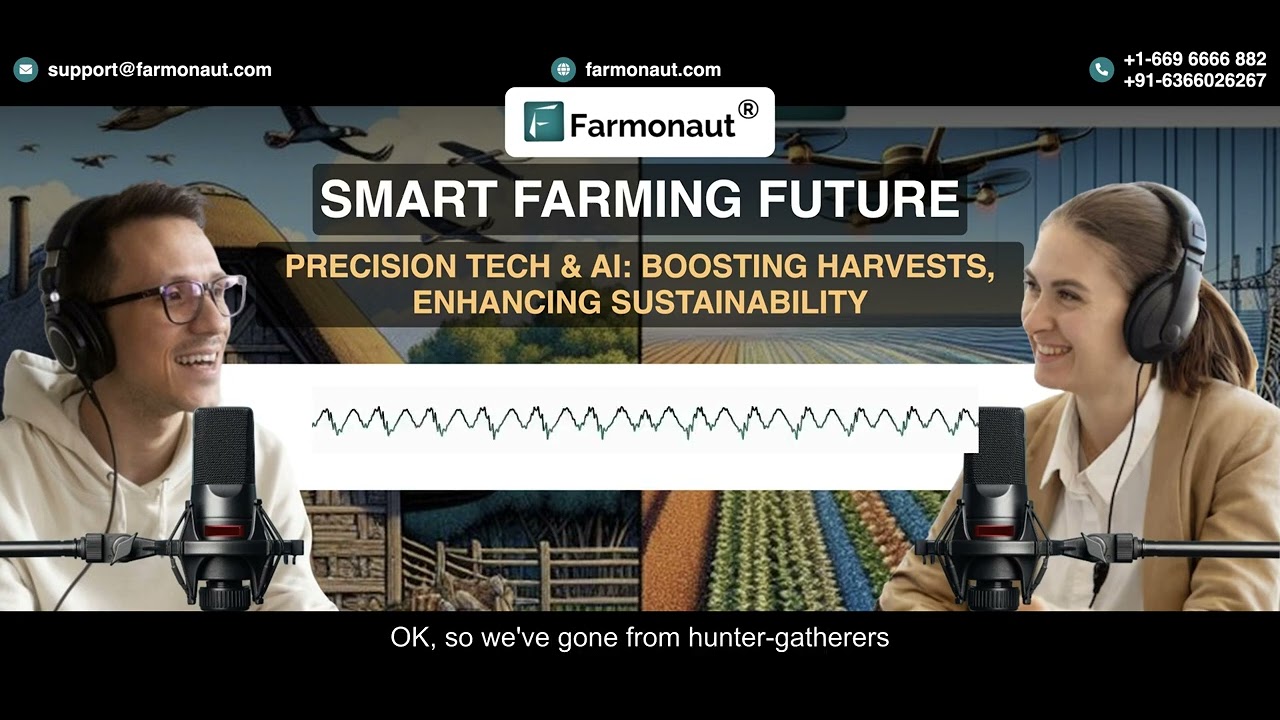
Technological Advancements in Multicropping (2026)
- Real-Time Monitoring: Tools like Farmonaut’s crop, plantation & forest advisory deliver AI-based recommendations for combinations, timing, and inputs.
- Precision Inputs: Sensors and satellite data enable precise fertilizer and water management, minimizing waste.
- Biodiversity Tracking: Satellite imagery supports biodiversity audits, ensuring ecosystem health is maintained during complex crop rotations.
Alley Cropping: Synergy and Sustainable Agroforestry
Definition and Principles of Alley Cropping
Alley cropping is an agroforestry system where rows of trees or shrubs are planted with alleys—the spaces between—dedicated to annual or perennial crops. This approach integrates woody perennials alongside field crops to create a synergistic relationship benefiting both tree and crop yields, soil health, and ecosystem resilience.
Benefits of Alley Cropping for Sustainable Agriculture
- Enhances Nutrient Cycling: Deep-rooted trees access nutrients at depth and return them to the surface through leaf litter, benefiting surface crops.
- Protects Against Erosion: Rows of trees provide windbreaks and root stabilization, substantially reducing soil erosion by up to 20% (see trivia above).
- Microclimate Management: Canopies create microclimates that buffer crops from extreme weather, excess heat, and cold.
- Carbon Sequestration: Trees trap and store atmospheric carbon, boosting the climate resilience of the entire farm system.
- Diversified Income Streams: Tree species may supply timber, fruit, nuts, or medicinal products.
- Biodiversity Conservation: Encourages multiple species—plants, insects, and birds—on the farm, promoting ecological stability.
- Water Efficiency: Trees help retain moisture and improve water infiltration.
- Reduced Input Requirements: Shading and root competition can decrease the need for weed control and chemical pesticides.

2026 Examples and Tree Species for Alley Cropping
- Alley-cropped Timber and Crops: Walnut or poplar trees with annual crops (e.g., wheat or soybeans) in temperate regions.
- Fruit Alley Crops: Mango or citrus rows alternated with vegetables in tropical areas.
- Medicinal/Multipurpose: Moringa, neem, or gliricidia shrubs providing leaf mulch, green manure, or natural pest repellents.
- Silvopastoral Alley Cropping: Forage crops grown in alleys between rows of fast-growing timber trees, combining livestock and crop production.
When designing an alley cropping system, precise tree spacing and row orientation are critical. Modern geospatial technology and satellite field mapping with Farmonaut allow managers to optimize layouts, minimize competition, and maximize yields for both annual crops and perennials.

Alley cropping is especially popular in 2026 for those interested in carbon footprinting and sustainability certifications. If you’re curious about how alley cropping can boost your carbon credits and improve environmental compliance, visit our Carbon Footprinting Solution page for more insights.
- Sustainability Scores: Alley cropping ranks high due to enhanced biodiversity and long-term soil conservation.
- Long-Term Investment: While trees require initial years to mature, their benefits compound annually.
- Compatibility: Works well on field margins, sloped terrain, degraded lands, and as buffer zones on larger farms.
Challenges of Alley Cropping
- Initial Setup Costs: Tree planting and protection demand upfront investment.
- Management Complexity: Requires balancing light, water, and nutrient needs between tree species and crops.
- Delayed Returns: Income from trees may take several years to materialize.
- Pest/Disease Management: Careful selection of tree and crop species necessary to prevent pest/disease build-up.
Integrated digital management—such as blockchain traceability for agroforestry products—helps farmers ensure that produce from alley cropping systems can be tracked, certified, and marketed as sustainable, increasing consumer trust and potential profits.

Advantage of Monocropping: Efficiency & Scale in Contemporary Agriculture
What is Monocropping?
Monocropping is the practice of cultivating a single crop species on the same plot of land year after year. This method is widespread in large-scale commercial agriculture due to its simplicity and economic benefits, especially for staple commodities like wheat, maize, and soybeans.
Why is Monocropping Still Critical in 2026?
- Operational Efficiency: Streamlined planting, input application, and mechanized harvesting reduce labour & management complexity.
- Higher Short-term Yields: Uniform crop stands simplify production and optimize yields for key staples.
- Economies of Scale: Suited for extensive plots, monocropping allows for bulk purchasing of inputs, easy logistics, and large-scale output.
- Precision Management: Farm inputs (fertilizers, pesticides, irrigation) can be efficiently targeted, enhanced by Farmonaut’s AI and satellite-driven advisory.
- Streamlined Supply Chains: Simplified post-harvest processing, storage, shipping, and marketing.
Farmers using monocropping in 2026 now have access to field-specific data for optimal harvest timing, yield forecasting, and crop health management through Farmonaut’s satellite API.

Economic and Environmental Drawbacks of Monocropping
- Soil Depletion: Year-on-year cultivation of a single crop rapidly exhausts soil nutrients, decreasing fertility.
- Pest and Disease Risks: Monocultures are vulnerable to outbreak cycles specific to the planted species, increasing pesticide dependency.
- Reduced Biodiversity: A uniform crop reduces ecosystem services, such as pollination, predator insects, and beneficial soil microbes.
- Environmental Impacts: More chemical run-off, soil erosion, and decreased carbon sequestration compared to more diverse systems.
To mitigate such risks, many farm managers now pair monocropping with crop rotation, cover cropping, and advanced integrated pest management—all supported by satellite-verified data for crop loans and insurance by Farmonaut, making financial and risk decisions more robust.
Comparative Analysis Table: Multicropping vs Alley Cropping vs Monocropping
| Critical Factor | Multicropping | Alley Cropping | Monocropping |
|---|---|---|---|
| Definition | Growing 2+ crops sequentially/simultaneously on the same plot within a year | Planting rows of trees/shrubs with alleys for crops in-between (agroforestry) | Cultivation of a single crop species on the same land over time |
| Land Use Efficiency | 85–98% | 75–90% | 60–90% |
| Biodiversity Impact | High | High | Low |
| Soil Health Improvement | Yes | Yes | Partial/No |
| Pest & Disease Resistance | High | Medium-High | Low |
| Input Requirements | Medium | Medium | High |
| Yield Stability | >90% | 80–90% | 75–95% |
| Ecological Benefits | High biodiversity, soil, water conservation, climate resilience | Carbon sequestration, erosion control, microclimate, diversified revenue | Easier mechanization, high short-term output, but fewer ecosystem benefits |
| Sustainability Score (1–10) | 9 | 9 | 5 |
Note: Actual values vary with climate, crop, management, and technological integration. Estimates above are for comparison in typical conditions, supported by contemporary research and expert projections for 2026.

Balancing Cropping Systems: Designing for Sustainability in 2026 and Beyond
No single cropping system is universally best. The right approach depends on:
- Land size and location
- Water and input availability
- Economic objectives (short-term vs long-term revenue)
- Local soil and climatic conditions
- Labour & management capacity
- Sustainability and compliance commitments
2026 and future trends are moving toward integrated systems that combine the best attributes of multicropping, alley cropping, and (in strategic places) the operational efficiency of monocropping.
- Integrating Cropping Methods: Use monocropping on core, highly mechanized plots for major staples. Allocate field margins or underutilized land to alley cropping or multicropping for diverse, sustainable outputs.
- Climate Adaptation: Diverse systems buffer environmental shocks—multicropping and alley cropping can compensate for drought, pest outbreaks, or price drops.
- Ecological Compliance: Regulations and carbon markets value sustainability—track your compliance through platforms like Farmonaut’s carbon footprinting.
- Farm Management: Scalable solutions like Farmonaut’s Admin App help oversee large, complex, and digitally monitored farm systems.
- Traceability and Consumer Assurance: Integrate traceability tools to earn higher market premiums for certified, sustainable products.
Farm managers in 2026 are expected to be agile—shifting strategies as weather, market, or policy conditions change. Having adaptable, tech-powered management platforms is becoming a competitive necessity, not just an option.
Farmonaut: Satellite-powered Solutions for Sustainable Land Management
At Farmonaut, we empower decision-makers in agriculture and forestry to succeed with sustainable and resilient cropping systems. Our satellite-based platform supports:
- Field-level Monitoring: View real-time crop, soil, and environmental data for more informed choices—whether practicing multicropping, alley cropping, or monocropping.
- AI-driven Insights: Jeevn AI provides tailored recommendations for crop combinations, irrigation, fertilization, and risk management.
- Blockchain Traceability: Assure consumers, retailers, and regulators that your produce—from multicropped plots or sustainable alleys—is authentic, sustainable, and verified.
- Environmental Impact Tracking: Measure your impact with carbon footprinting solutions ideal for alley cropping & agroforestry projects.
- Fleet and Resource Management: Streamline input delivery and harvest logistics—even across diverse cropping systems—with fleet management tools.
- Crop Loan & Insurance Verification: Accelerate and secure financial services for your operation with satellite-verified crop data.
Our API and mobile/web apps bring these advantages to your fingertips—scale as you grow, and ensure your farm is ready for the dynamic challenges of 2026 and beyond.
Learn more about our developer-friendly API for data integrations and see our full documentation here.
FAQs: Multicropping, Alley Cropping, Monocropping, and Land Use (2026)
What is the main difference between multicropping, alley cropping, and monocropping?
Multicropping involves growing two or more crops either sequentially or simultaneously on the same land in a single year. Alley cropping is an agroforestry system where rows of trees are alternated with crops, combining annual/perennial crops with woody perennials. Monocropping is the repeated cultivation of a single crop species on the same land over time.
Which cropping system is the most sustainable?
Generally, multicropping and alley cropping offer higher sustainability scores (see table above) because they maintain soil health, support biodiversity, and encourage ecosystem resilience—key to adapting to climate change in 2026 and beyond.
What are the main ecological benefits of alley cropping?
Alley cropping provides soil conservation, improves water management, enhances on-farm biodiversity, acts as a carbon sink, and delivers diversified revenue streams—all while reducing chemical inputs and erosion risks.
Is monocropping ever recommended in 2026?
Monocropping remains advantageous for large-scale staple crop production, where operational efficiency and market logistics are prioritized. It is most sustainable when balanced with crop rotation, cover crops, and digital monitoring to limit ecological risks.
Can Farmonaut help me manage multicropping or alley cropping?
Yes! We provide satellite-driven crop monitoring, AI advisory (Jeevn AI), resource management, and blockchain-based traceability to optimize your land’s productivity and sustainability in any cropping system.
How can I calculate my carbon footprint for different cropping systems?
Use Farmonaut’s carbon footprinting service to evaluate and improve your farm’s ecological impact—essential for carbon markets and certifications.
Are multicropping systems compatible with modern technology?
Absolutely! With digital platforms like those offered by Farmonaut, real-time soil and climate monitoring, AI advisories, and input optimization are fully compatible with multicropping, making them more achievable than ever.
Conclusion: Informed Decisions for Sustainable Futures
Selecting between multicropping, alley cropping, and monocropping is ultimately about context: evaluating land, goals, available resources, and the sustainability objectives that will govern agriculture and forestry in the coming years.
The evidence for 2026 and beyond is clear—integrated and adaptive management strategies, supported by real-time monitoring and advanced analytics, enable:
- Productive, resilient, and sustainable farms
- Optimized use of natural and financial resources
- Better risk management in a changing climate
- Ecological stewardship and compliance with environmental markets
At Farmonaut, we help you leverage these modern practices through satellite-based solutions that are affordable, accessible, and scalable—empowering you to make informed, responsible, and profitable decisions no matter which cropping system you choose.
Ready to take your farm management into the future? Explore Farmonaut Today.

 Jontra
 Yaduka Agrotech
 Kalustyan
 Tucor
Tucor Geno
Geno Hayleys Agriculture
 Linx Agritech
 Adinet
 Save Your Soils
 Grandstream Algérie
 XOS Realty
 Geospatial Lab Africa
 Agro La Gándara
 HIPSAC
 ZOL Zimbabwe
 Juligerm
 MISE Maroc
