

Oak Tree, Red Oak, Water Oak: 2026 Forestry Impacts
Table of Contents
- Summary: Oak Tree—a Pillar of Forestry and Sustainable Land Management in 2025
- Introduction: The Enduring Significance of Oaks in Modern Forestry
- Species Deep Dive: Red Oak Tree, Water Oak Tree, and More
- Ecological Importance of Oaks: Keystone Species and Biodiversity Enablers
- Soil Stabilization, Water Retention & Landscape Resilience
- Oak Trees, Biodiversity and the Forest Food Web in 2026
- Economic Value: Timber, Hardwood Industries, and Sustainable Harvesting
- Oaks, Carbon Storage & Climate Change Mitigation
- Modern Oak Forestry Management: Practices and Emerging Technologies
- The Expanding Role of Oaks in Urban Forestry for 2026
- How Farmonaut Satellite Technology Empowers Oak Forestry and Sustainability
- Comparing Major Oak Species for Forestry Impact in 2026
- Challenges, Threats, and Future Outlook for Oak Trees
- Frequently Asked Questions
- Conclusion
Summary: Oak Tree—A Pillar of Forestry and Sustainable Land Management in 2025
The oak tree, including the red oak tree, water oak tree, post oak tree, pin oak tree, and live oak tree, continue their essential ecological, economic, and cultural significance into 2026. These oaks are renowned as foundational pillars in forestry, biodiversity conservation, and sustainable land management practices worldwide.
- Oaks play a keystone role in maintaining ecosystem balance, supporting biodiversity and stabilizing soils across temperate forests.
- The timber and wood value of selected oak species (especially red oak, live oak) continues to drive forestry industries, promoting selective, sustainable harvesting practices.
- As natural carbon sinks, oaks are front and center in carbon offset and climate change mitigation strategies as of 2026 and beyond.
- Advanced monitoring technology, such as satellite and AI-driven platforms offered by Farmonaut, increasingly supports sustainable management and restoration programs for oak forests globally.
From robust root systems that prevent erosion to the provision of acorns for wildlife and the promising future for carbon sequestration, the oak tree’s importance only grows as environmental challenges and the need for sustainability increase into 2026 and beyond.
Introduction: The Enduring Significance of Oaks in Modern Forestry
The oak tree—among the most recognizable species in the family Quercus—holds a legendary place in the world’s temperate forests. As we move through 2025 and look ahead to 2026, oaks like the red oak tree, water oak tree, post oak tree, pin oak tree, and live oak tree are more than iconic features of the landscape:
- They are keystones for biodiversity, soil stabilization, and ecosystem resilience.
- Their economic role extends from high-value timber products to their contribution to sustainable forestry.
- Oaks are pillars for climate change mitigation, supporting both natural and managed landscapes.
This comprehensive article explores the ecological, economic, and practical importance of oak species, with a focus on their role in forestry, land management, and climate strategy for 2026 and the decades to follow.
Species Deep Dive: Red Oak Tree, Water Oak Tree, and More
The genus Quercus encompasses hundreds of species globally, but several play outsized roles within sustainable forestry programs in North America and beyond—especially in the southeastern United States and Eastern U.S. hardwood forests. Here, we profile oak tree species that dominate both the landscape and the discourse in forest management for 2026:
- Red Oak Tree (Quercus rubra): A flagship species for timber and wildlife support, renowned for its robust wood, adaptability, and significant ecological role throughout eastern North America.
- Water Oak Tree (Quercus nigra): Thrives in the wet, swampy, and floodplain soils of the southeastern United States, crucial for wetland forest ecosystems and hydrological balance.
- Post Oak Tree (Quercus stellata): Prefers drier, rocky soils, and is vital for supporting less fertile lands and maintaining habitats in marginal environments.
- Pin Oak Tree (Quercus palustris): Valued in reforestation efforts due to rapid growth and tolerance of flooding, frequently used in restoration of disturbed or urbanized lands.
- Live Oak Tree (Quercus virginiana): Iconic to the southeastern United States, especially coastal regions, celebrated for immense lifespan, dense timber, and wind resistance.
The importance and adaptability of these oaks ensure their inclusion in diverse forestry, ecosystem, and climate adaptation projects in 2026 and into the coming decades.
Ecological Importance of Oaks: Keystone Species and Biodiversity Enablers
Oaks, as keystone species, underpin the structure and function of temperate forests in the United States and across the world. Their enduring ecological importance stems from unique characteristics:
- Ecological Keystone: Oaks support extensive food webs, stabilize landscapes, enhance carbon sequestration, and maintain ecosystem services from soil retention to pollinator support.
- Adaptability Across Habitats: From the wet, swampy soils favored by water oak trees (Quercus nigra) to the rocky uplands chosen by post oak trees (Quercus stellata), oaks thrive in diverse environments.
- Biodiversity Hotspots: Oaks support a wide array of wildlife, providing acorns for mammals and birds, and shelter for countless insects and nesting species.
With climate and land use changes accelerating in 2026, the role of oak trees in maintaining ecosystem resilience and biodiversity becomes increasingly critical.

Explore regenerative agriculture and climate-smart solutions for sustainable forestry and land management with Farmonaut.
Soil Stabilization, Water Retention & Landscape Resilience
The deep root systems and hearty growth habits of oaks underpin their vital role in soil stabilization and water retention. This function is foundational for both forestry and sustainable land management in areas prone to erosion, flooding, and soil degradation.
- Red Oak Trees develop extensive taproots that stabilize forest soils and enhance water retention even on slopes and disturbed lands.
- Water Oak Trees (Quercus nigra), commonly found in the southeastern United States, thrive in wetland soils where their roots aid in preventing erosion and maintaining swamp and riparian habitat quality.
- Post Oak Trees offer unique value in marginal, rocky, or otherwise poor soils, ensuring that even lands with low fertility can support a resilient forest canopy.
Soil structure, nutrient cycling, and resilience to climatic stressors are all improved wherever oaks are integrated.

Discover how Farmonaut is revolutionizing precision agriculture with satellite data, directly supporting best practices in soil and land management for forestry.
Oak Trees, Biodiversity and the Forest Food Web in 2026
Oaks are recognized as biodiversity engineers. Their acorns are high-energy food for a wide array of wildlife. A mature oak tree can produce thousands of acorns per season, supporting:
- Mammals: Squirrels, deer, raccoons, bears, and rodents depend on acorns for nutrition, especially in autumn and winter.
- Birds: Woodpeckers, turkeys, jays, and many songbirds feed on acorns and nest in oak branches or cavities.
- Insects: Oaks provide food and habitat for caterpillars, beetles, and pollinators—serving as host plants for hundreds of Lepidoptera (butterflies and moths).
Notably, red oak trees can support over 500 species of caterpillars, which in turn sustain varied bird populations—a fact underscoring their ecosystem importance as biodiversity pillars.
- By maintaining varied habitats—from leaf litter to canopy—oaks enable intricate food webs and robust wildlife communities.
- The management and restoration of oak woodlands is increasingly prioritized for biodiversity conservation as the world moves into 2026 and beyond.
Learn more about Farmonaut’s Carbon Footprinting Solutions
For organizations invested in forest restoration or carbon offset programs, our Carbon Footprinting platform delivers satellite-driven monitoring of carbon sequestration across oak forests and plantations, aiding in accurate assessment and regulatory reporting.
The intersection of precision technology, AI, and sustainability for oak forestry and agriculture—watch how Farmonaut drives smarter land use decisions for 2026.
Economic Value: Timber, Hardwood Industries, and Sustainable Harvesting
The economic impact of oaks, especially the red oak tree and live oak tree, is profound:
- Red Oak (Quercus rubra): Sought after for beautiful grain, strength, and workability; a mainstay in furniture, flooring, cabinets, construction, and veneer production.
- Live Oak (Quercus virginiana): Celebrated for its extremely dense, rot-resistant wood (historically prized for shipbuilding and now for specialty and structural applications).
- Water Oak, Post Oak, and Pin Oak: Used in various regional timber applications, with unique ecological and management values.
The timber value of oaks remains high in 2026, propelling sustainable harvesting methods:
- Sustainable Certification Programs: Encourage selective harvesting to ensure regeneration; link market access with forest stewardship.
- Silviculture Advances: Practices such as shelterwood systems and patch cuttings help maintain diverse oak stands and promote natural regeneration.
- Growth Rate and Wood Quality: Slow-growing species like post oak produce especially dense, high-quality wood, commanding premium prices.
As sustainable timber supply chains become an economic imperative, satellite-based monitoring is increasingly used to ensure compliance and forest health.
Discover Farmonaut’s Traceability Platform
We offer blockchain-based traceability tools for the forestry sector—verifying the authenticity and sustainability of timber sources and supply chains, vital for the legality and value of oak wood in global markets.

See how remote sensing and satellite data spotlight crop and tree health monitoring—fundamental for sustainable oak forest management in 2026.
Oaks, Carbon Storage & Climate Change Mitigation
In the emerging climate-driven forestry paradigm, oak trees are central due to their ability to maximize carbon sequestration and support ecosystem adaptation to climatic changes.
- Robust Biomass: Mature oaks store large volumes of carbon both above and below ground.
- Longevity: Species like the live oak and post oak live for centuries, extending carbon storage over generations.
- Tolerance: Oaks’ genetic resilience allows persistence through drought, flooding, variable seasons, and pest pressures.
- Integration in Carbon Offset Projects: Oaks are feature species in carbon credit and reforestation projects globally.
As organizations and governments set net-zero carbon targets, tracking and enhancing carbon stores in oak forests is a strategic priority for 2026 and beyond.

Learn more about leveraging satellite-based monitoring to track tree vitality, carbon stocks, and landscape health, aiding forestry professionals in meeting their carbon goals.
Modern Oak Forestry Management: Practices and Emerging Technologies
To ensure that oak stands remain healthy, productive, and resilient, a blend of traditional silvicultural practices and advanced technological support is being adopted in 2026:
- Selective Harvesting: Carefully removes mature trees while retaining young oaks for natural succession.
- Ecosystem-Based Management: Maintains mosaic habitats, balances wildlife needs, and integrates water and soil conservation.
- Satellite & AI Monitoring: Enables real-time remote sensing of forest health, pest or disease outbreaks, and changes in biomass through affordable platforms like those provided by Farmonaut.
- Afforestation and Reforestation Projects: Use oak seedlings tailored to local conditions, genetic lines, and site-adapted selections to boost restoration success.
- Restoration of Degraded Lands: Pin oak and post oak are ideal candidates for reclamation of floodplains, mines, or drought-prone lands.
Innovative forest management in 2026 means multi-layered monitoring, decision support, and adaptive response to both natural and anthropogenic pressures.
For organizations with large-scale forest operations, the Farmonaut Large-Scale Farm Management Solution integrates satellite imagery, resource planning, and real-time alerts—boosting operational efficiency and sustainability.

Get hands-on with affordable satellite-driven monitoring—see how our platform enables precise, real-time insights for forest and land managers.
The Expanding Role of Oaks in Urban Forestry for 2026
Urbanization continues to reshape landscapes. The integration of robust and climate-adaptive oak species—particularly live oak and pin oak—into city green spaces is an emergent priority:
- Shading and Cooling: Their dense canopies provide vital urban shade, reducing heat islands and energy use.
- Storm Resilience: With deep, robust roots, oaks withstand urban storm events, limiting blowdown and property damage.
- Air Quality and Wellness: Urban oaks filter particulates, absorb CO2, and foster habitat corridors for urban biodiversity.
- Aesthetic and Cultural Value: Oak allees and heritage trees enrich communities, anchoring city identity and providing psychological benefits.
The strategic planting and management of oak trees in city plans highlights their growing importance for sustainable urban design in 2026.
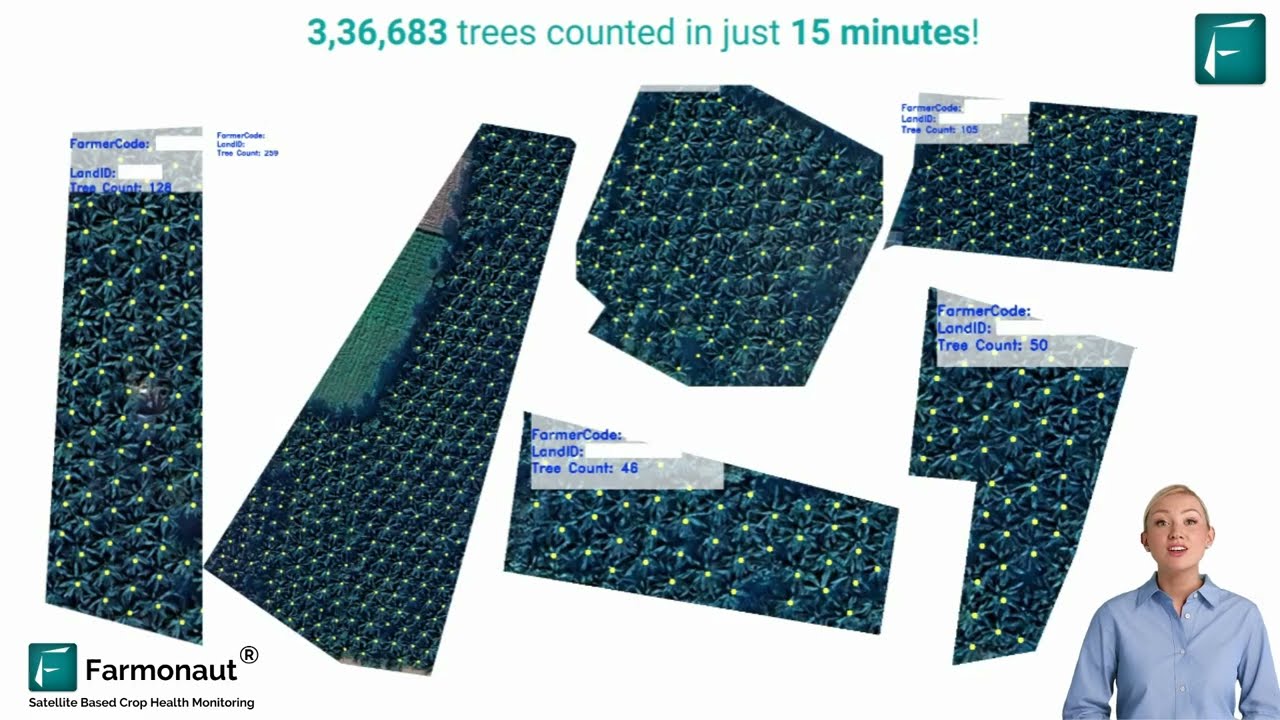
Watch as AI and satellite imagery transform tree inventories and mapping—empowering urban planners and city foresters worldwide.
How Farmonaut Satellite Technology Empowers Oak Forestry and Sustainability
At Farmonaut, we understand the immense role that technology can play in safeguarding the future of oak forests and advancing sustainable forestry in 2026 and beyond. Our suite of satellite-powered tools and data-driven solutions deliver direct benefits to land managers, forest planners, businesses, and policymakers:
- Satellite-Based Monitoring: We provide high-resolution, multispectral images of oak forest health, soil moisture, and biomass for informed resource management and carbon accounting.
- Environmental Impact Monitoring: Real-time, satellite-enabled tracking of environmental indicators—such as carbon footprint and vegetation trends—enables compliance and promotes sustainability.
- AI-Driven Advisory: With our Jeevn AI system, clients receive tailored strategies for oak management and land optimization, ensuring best practices at all operational scales.
-
Blockchain-Based Traceability: Timber producers, sawmills, and retailers can validate the provenance and sustainability of oak wood products using Blockchain, fostering trust in global supply chains.
(Learn more about product traceability) - Resource and Fleet Management: Major forestry operations benefit from logistics tracking and optimization, minimizing costs and reducing environmental footprints. (Explore Fleet Management Solutions)
- Large-Scale Forest Advisory: Our apps and API help managers monitor plantation growth and forest succession from anywhere.



Download the Farmonaut App for real-time forest monitoring, advisory, and sustainability tools for oak and other timber species!
We also support developers and agencies through our powerful Oak Forestry Monitoring API and Developer Documentation—making it easy to integrate cutting-edge satellite and AI data streams into your own land management platforms.
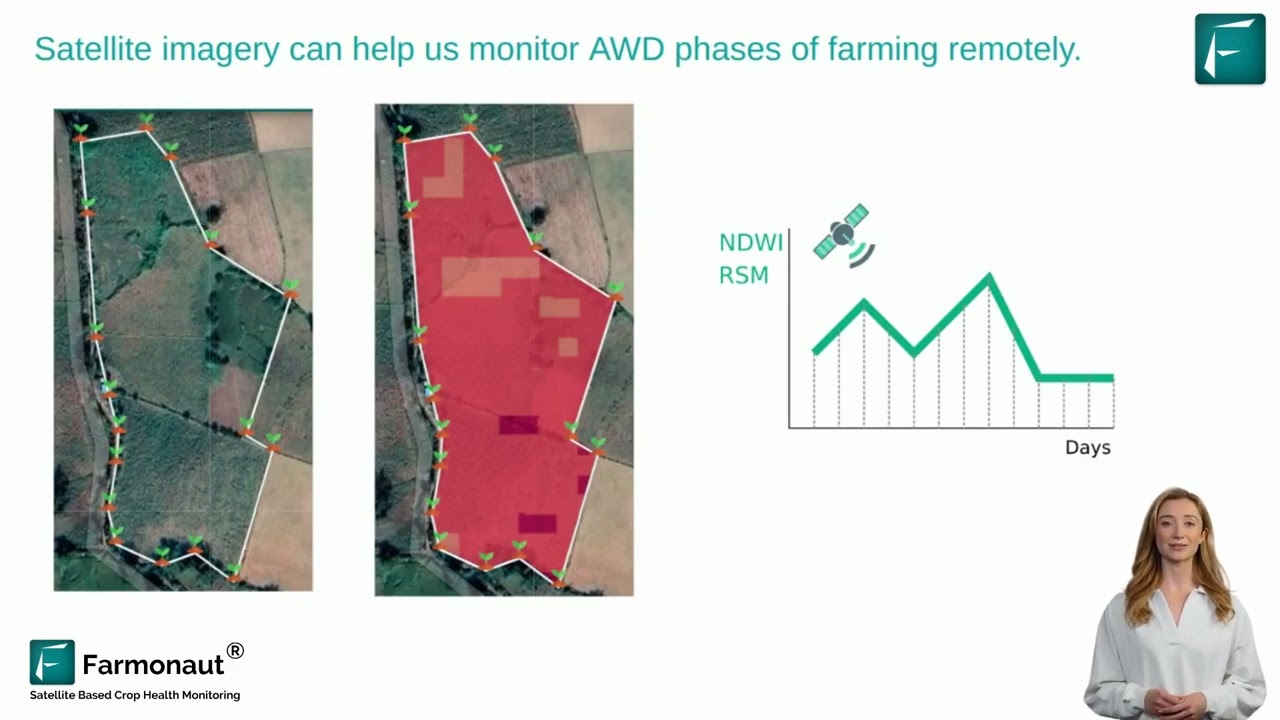
Explore how automated detection can help track moisture and growth phases—anchoring modern oak forestry to the realities of climate and hydrology in 2026.
Comparing Major Oak Species for Forestry Impact in 2026
| Tree Species | Estimated Annual Carbon Sequestration (kg CO₂/year) | Biodiversity Supported (Number of Species) | Timber Value ($/m³) | Typical Lifespan (years) | Preferred Habitats |
|---|---|---|---|---|---|
| Red Oak (Quercus rubra) | 65–110 | >550 | 900–1350 | 150–200 | Temperate forests, well-drained soils |
| Water Oak (Quercus nigra) | 50–90 | ~430 | 500–900 | 60–80 | Swampy, wet soils, floodplains |
| Live Oak (Quercus virginiana) | 45–100 | ~480 | 1100–1750 | 200–300+ | Coastal plains, sandy soils, urban parks |
Table: Comparative analysis of Red Oak, Water Oak, and Live Oak key attributes for forestry and sustainability in 2026.
Challenges, Threats, and Future Outlook for Oak Trees
Despite their resilience, oak forests face challenges that must be navigated thoughtfully in order to ensure their continued importance in forestry and land management:
- Invasive Pests & Diseases: Oak wilt, sudden oak death, and insect infestations threaten large tracts of oak-dominated forests, requiring vigilant monitoring and rapid response.
- Habitat Fragmentation & Urbanization: As developments expand, contiguous oak forests can be splintered, affecting wildlife corridors and ecosystem stability.
- Changing Climate & Weather Extremes: Shifts in rainfall patterns, droughts, and higher storm frequency test the adaptability of both young and mature oaks.
- Over-Harvesting & Unsustainable Logging Practices: Economic pressures may lead to the removal of old growth without sufficient regeneration, emphasizing the need for certification and satellite monitoring.
The future of these forests—given their ecological and economic value—is dependent upon ongoing research, selective breeding for disease resistance, policy engagement, and investment in afforestation and restoration programs.
Solutions like Farmonaut’s satellite and AI monitoring and blockchain traceability are increasingly integral for responsible forestry in 2026 and beyond.
See how Farmonaut supports afforestation, forest monitoring, and climate smart forestry advisory
Frequently Asked Questions
Conclusion
In 2025, 2026, and the decades that follow, the oak tree—embracing vital species such as the red oak tree, water oak tree, post oak tree, pin oak tree, and live oak tree—remains a pillar of forestry, biodiversity, and sustainable land management.
Their ecological importance as keystone species, combined with tremendous economic value and climate mitigation potential, ensures that oaks will continue to be central to natural resource conservation, industry, and urban greening strategies long into the future. Leveraging modern technologies such as satellite monitoring, AI-driven advisory systems, and blockchain traceability—like those offered through our Farmonaut platform—will be crucial for ensuring robust, resilient, and sustainable oak forests globally.
As we look ahead to 2026 and beyond, the commitment to oak conservation and sustainable management is not just a mandate—it’s a collective responsibility shaping our ecological and economic landscapes for generations to come.
Start Your Journey to Smarter Forest Management
Empower your oak forestry projects with satellite, AI, and blockchain tools.
Download the Farmonaut App or integrate our API today—and join us in building resilient, sustainable landscapes for tomorrow.
Ready to upgrade your oak forest monitoring or land management? Explore our subscription plans:

 Godrej Agrovet
 Hayleys Agriculture
 Linx Agritech
 Adinet
 Save Your Soils
 GalaxEye Space
 Grandstream Algérie
 XOS Realty
 Geospatial Lab Africa
 Agro La Gándara
 HIPSAC
 ZOL Zimbabwe
 Juligerm
 AdBio
AdBio MISE Maroc
 NWNS
NWNS Red August Group
 Farm Inc
 WeMe Global
