

Potato Digger for Sale: Small & Tractor Machines 2026 – Unlocking Modern Harvesting Efficiency
Table of Contents
- Overview: Potato Digger Machines in 2025–2026
- Understanding Potato Diggers and Their Importance
- Types of Potato Digger Machines
- Modern Features and Advancements in Potato Diggers
- Comparison Table: Potato Digger Machines (2025–2026)
- Tips for Choosing the Right Potato Digger (2025–2026)
- Economic and Environmental Benefits of Modern Potato Diggers
- Emerging Trends in Potato Digger Machines for 2026
- Supporting Smarter Farm Management with Farmonaut
- FAQ – Potato Digger Machine Buyers’ Questions Answered
- Conclusion: Potato Digger for Sale – Innovation, Efficiency & Sustainability for 2026
Overview: Potato Digger Machines in 2025–2026
The agricultural machinery landscape is advancing at a remarkable rate, driven by technology that prioritizes efficiency, sustainability, and yield optimization. The potato digger stands out as one of the most vital implements, especially as we approach 2026, addressing the needs of both smallholdings and large commercial farms. Modern potato diggers have fundamentally transformed the process of harvesting potatoes by automating the strenuous tasks of digging and soil separation, all while preserving crop quality and minimizing tuber damage.
Whether you’re a farmer searching for a “potato digger for sale,” looking for a small potato digger for limited acreage, or seeking a high-capacity potato digger for tractor for extensive operations, the market in 2025–2026 offers an unparalleled variety of machines suited for every farm type, technological preference, and budget.
This guide explores the essential aspects of potato digger machines, their role in mechanization and modernization of potato cultivation, types of diggers available, state-of-the-art technology features, economic and environmental impacts, buying considerations, and trends that will shape harvesting operations in the near future.
The shift from manual digging to mechanized potato diggers in 2025–2026 is not only reducing labor costs but also significantly minimizing tuber damage, which leads to higher marketable yields and improved crop quality.
Understanding Potato Diggers and Their Importance
What is a Potato Digger?
A potato digger is a specialized agricultural implement designed to facilitate the harvesting process for potatoes and other root crops. This vital machinery loosens and lifts potatoes from the ground once they’ve matured, making it easier for farmers to collect, clean, and prepare them for storage or market.
Why Are Potato Diggers Vital in Agriculture?
Manual digging with hand tools is labor-intensive, time-consuming, and often causes significant loss and crop damage due to inconsistent depth and rough handling. Potato digger machines automate the digging process, ensuring tubers are efficiently unearthed with reduced damage and loss. In modern farming, mechanization not only increases productivity but also enables farmers to scale operations efficiently, especially when multiple rows and large acreage are involved.
- ✔ Faster Harvesting: Mechanized potato diggers reduce the time spent per acre.
- 📊 Higher Efficiency: Modern machines optimize labor input, saving costs.
- ⚠ Reduced Crop Loss: Adjustable mechanisms minimize tuber breakage and wastage.
- ✔ Uniform Digging Depth: Protects the potatoes and maintains soil health.
- ✔ Improved Crop Handling: Soil separation systems reduce post-harvest cleaning effort.
🚜 Typical Potato Digger Workflow
- 🟢 Positioning the Digger – Attach to appropriate tractor or manual frame
- 🔄 Setting Digging Depth – Adjust blades for soil and crop maturity
- ⚙ Engaging Power Mechanism – Begin slow, consistent digging motion
- 🌱 Soil Separation – Conveyors and shakers remove excess soil and debris
- 🥔 Potato Collection – Tubers surface, ready for manual or automated pick-up
Types of Potato Digger Machines: From Small to Large Scale
The potato machinery market in 2025 and leading into 2026 offers a broad spectrum of potato diggers tailored for diverse farming conditions, farm sizes, and mechanization levels. These types ensure that every potato grower—whether in smallholder agriculture or on large commercial farms—can access the right solution for their needs.
- One Row Potato Digger: Ideal for small to medium-sized farms. Efficiently digs one row at a time. Compact, easy-to-operate, and compatible with most tractors.
- Two Row and Multi-row Diggers: Designed for large-scale commercial operations, they handle multiple rows simultaneously, offering high throughput for sizable harvests.
- Small Potato Digger: Lightweight, sometimes hand-operated or designed for small tractor attachments. Perfect for limited acreage or hilly terrains where large equipment can’t access.
- Potato Digger for Tractor: The majority of potato digger machines are engineered as tractor attachments, leveraging the tractor’s power and control for efficient digging and separation mechanisms.
Global demand for mechanized potato diggers is expected to surge through 2026, propelled by modernization, increasing farm sizes, and growing sustainability requirements. Investments in advanced machinery, especially those featuring automation, fuel efficiency, and soil management features, are likely to see robust returns as the industry continues to evolve.

🌾 Potato Digger Types & Their Compatibility
- • 🏠 Small Potato Digger: Smallholdings, gardens, specialty or organic farms
- • 🚜 One Row Potato Digger: Family farms, medium acreages, focused beds
- • 🏢 Multi-row Tractor Digger: Commercial farms, contract harvest operations
Modern Features and Tech Advancements in Potato Diggers
Key Features Enhancing Efficiency & Crop Quality
In 2025 and the years that follow, technological innovation in potato digger machines is focused on enhancing efficiency, sustainability, and crop handling. When evaluating a potato digger for sale, look for these state-of-the-art advancements:
- Adjustable Depth Control: Enables precise digging just below the root zone, preserving both tubers and soil integrity.
- Advanced Soil Separation Systems: Mechanisms such as shakers, conveyors, and vibratory screens reduce soil and debris in harvested potatoes, lessening post-harvest cleaning.
- Hydraulic and Electric Controls: Offer smooth, adaptable operation—operators can make real-time adjustments based on field and soil conditions.
- Durable, Lightweight Materials: New composites make machines more portable, reducing tractor fuel needs and enhancing access to tricky terrain.
- Automation and Monitoring: Many modern models feature sensors and even AI-driven smart controls to monitor tuber flow, adjust digging parameters, and alert operators to obstructions or anomalies.
Comparison Table of Potato Digger Machines: Types, Features & Estimated Performance (2025–2026)
| Machine Type | Suitable Farm Size (acres) | Power Requirement (HP/None) | Estimated Harvesting Capacity (tons/hr) | Key Features | Estimated Price Range (USD) | Sustainable Innovations |
|---|---|---|---|---|---|---|
| Manual/Small Potato Digger | 0.5 – 2 | None/Low (up to 10 HP) | 0.2 – 0.5 | Lightweight, portable, simple depth adjustment, non-motorized/low-power | $300 – $1,000 | Partial (reduced compaction, easy maintenance) |
| One Row Potato Digger (Tractor-Mounted) | 2 – 10 | 15 – 35 HP | 1.0 – 1.5 | Adjustable depth, soil separator, standard conveyor, moderate fuel consumption | $1,500 – $3,500 | Yes (fuel-efficient, soil-friendly design) |
| Two Row Potato Digger | 10 – 25 | 35 – 50 HP | 2.5 – 3.5 | Dual-row digging, hydraulic controls, advanced separator, reinforced blades | $3,500 – $7,000 | Yes (automated controls, minimal soil disruption) |
| Multi-Row Commercial Digger (4+ rows) | 25+ | 50+ HP | 5.0+ | High-capacity automation, adjustable everything, AI monitoring, GPS compatibility | $10,000 – $35,000+ | Yes (AI, emission reduction, maximum soil protection) |
When evaluating a potato digger for sale, prioritize adjustable features and sustainable innovations—these will protect not only your crop quality but also your long-term soil productivity. Look for models with readily available spare parts and strong after-sales support.

Tips for Choosing the Right Potato Digger for 2025–2026
Finding the right potato digger for sale involves weighing farm size, technical capabilities, operational environment, and long-term support. These factors are especially relevant as mechanization becomes more specialized in 2026.
- Farm Size & Acreage: Ensure your chosen machine fits the scale of your operation. Small farms benefit from one row or small potato diggers; large farms often need multi-row, higher-capacity models.
- Tractor Compatibility: Check power, hitch type, and hydraulic requirements. Most potato digger machines are made as attachments for tractors.
- Soil Type & Terrain: Certain diggers perform better in light, sandy soils versus heavy, clay soils. Look for adjustable or reinforced blade designs for challenging terrain.
- Automation Level: Advanced or commercial models offer features like auto-depth, on-board diagnostics, and AI-assisted controls for optimizing harvesting in real-time.
- Cost & After-sales Support: Consider both upfront expenditure and maintenance/service costs. Reliable after-sales support and easy access to parts can greatly extend machine life.
Many buyers underestimate the importance of matching the potato digger machine’s power demands to their available tractor’s horsepower and hitch type. Avoid mismatches—they can result in poor digging performance and costly repairs.

Economic and Environmental Benefits of Modern Potato Diggers
Strengthening Farm Economics and Encouraging Sustainability
Advanced potato digger machines drive meaningful improvements in the economics of potato production and contribute substantially to sustainable agriculture practices.
- ✔ Reduced Labor Costs: Mechanization reduces dependency on large seasonal workforces, especially during peak harvest times.
- ✔ Faster Turnaround: The ability to harvest more acreage per day means field utilization is improved and crop storage operations optimized.
- ✔ Less Crop Loss: Minimized tuber damage and soil adhesion increase the percentage of marketable yield.
- ✔ Lower Fuel, Higher Efficiency: New lightweight materials and efficient designs cut down energy requirements per harvested ton.
- ✔ Soil Health Preservation: By automating the digging process, modern diggers reduce soil compaction, curb erosion, and foster better soil structure for future seasons.
With the integration of smart separation and depth control mechanisms, modern potato digger machines have helped reduce post-harvest tuber losses by 30%–60% compared to traditional hand harvesting in various global regions.
Emerging Trends in Potato Digger Machines for 2026
As 2026 approaches, the potato digger sector continues to innovate—not just in mechanical engineering, but also by integrating precision technologies to further drive sustainable, profitable potato production worldwide.
- ✔ AI-Driven Controls: Some upcoming commercial models offer onboard sensors powered by AI for automatically adjusting speed, digging depth, and separation intensity based on real-time field data.
- ✔ Telematics & Smart Monitoring: Connectivity enables remote performance monitoring, predictive maintenance alerts, and harvest reporting via mobile apps or fleet management software.
- ✔ Eco-Friendly Engineering: Biodegradable materials, solar/battery options, and emissions reductions are in focus for sustainable operation.
- ✔ Modular Attachments: Many diggers in 2025–2026 will provide modular implements compatible with various root crops—not just potatoes.
- ✔ Blockchain Traceability: Some supply chains now demand machine-side traceability, tracking each lot’s harvest for certification, food safety, and export compliance.
Supporting Smarter Farm Management with Farmonaut
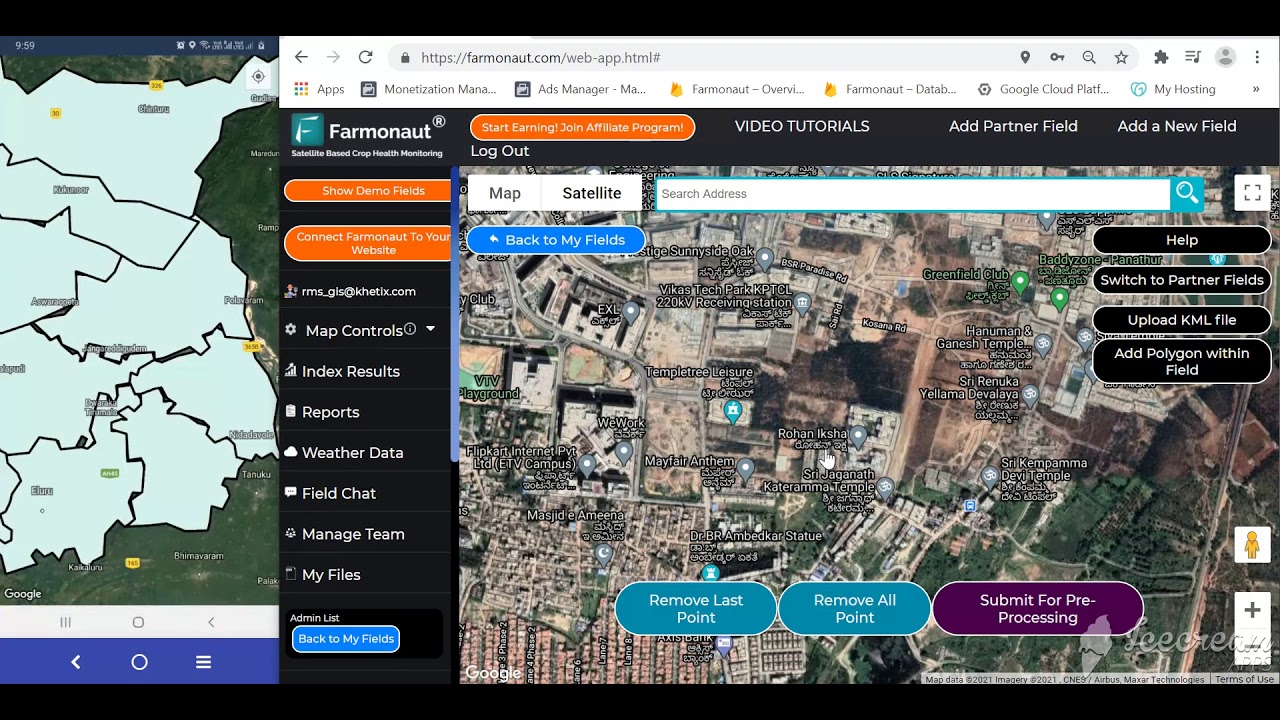
As potato digger machinery continues to advance, maximizing the benefits from such innovation requires holistic management and monitoring. This is where Farmonaut’s suite of satellite-driven, AI-powered solutions steps in to transform how farms leverage technology for sustainable outcomes.
- 🌐 Satellite-Based Crop Monitoring: Offers real-time insights on crop health, soil moisture, and vegetation indices to plan precise harvesting windows (try the Farmonaut App).
- ⚡ AI-Powered Advisory via Jeevn AI: Suggests optimal digging time, predicts weather risks, and boosts operational efficiency.
- 💡 Blockchain Traceability Solutions: For farms selling export-grade potatoes, blockchain-based product traceability ensures seamless documentation from field to sale (learn more about Traceability).
- 🚚 Fleet and Resource Management: Organize machinery scheduling, monitor fuel use, and streamline logistics for large and small farms (Fleet Management Details).
- 🌱 Carbon Footprinting and Sustainability Monitoring: Track environmental impacts from field operations, including mechanized harvesting activities (Carbon Footprint Tool).



For large-scale managers, Farmonaut has farm management tools that allow seamless supervision and analytics across big potato fields, ensuring every machine and every row is performing at peak efficiency.
By incorporating data-driven solutions, farmers can align the deployment of potato digger machines with optimal soil and crop conditions, enhancing sustainability, traceability, and profitability.
Use the satellite-based monitoring to plan your potato harvest for maximum yield—review NDVI maps, and weather forecasts, and coordinate field operations with your potato digger machine crews for sustainable, profitable outcomes.

While Farmonaut provides satellite and AI-powered monitoring and advisory tools to enhance potato farming, farm machinery recommendations, sales, or regulatory services are not part of our offerings. Always verify machine seller credentials and specifications before purchasing any agricultural implement.

FAQ – Potato Digger Machine Buyers’ Questions Answered
Q1: What size potato digger machine should I buy for a 3-acre farm?
A one row potato digger – typically tractor-mounted with a power requirement of 15–35 HP – is best-suited for 3 acres, balancing efficiency and affordability.
Q2: How does a potato digger for tractor differ from manual diggers?
Potato diggers for tractor attach to a tractor’s hitch, leveraging its power to dig, lift, and separate soil, greatly increasing speed and reducing labor, while manual diggers are hand-operated tools meant for very small plots.
Q3: Are advanced potato digger machines hard to maintain?
Modern machines are designed for durability and ease of service; regular maintenance (as per manual) and swift parts availability are important—so buy from reputable suppliers offering after-sales support.
Q4: Do potato digger machines damage soil or structure?
No, when adjusted properly, modern diggers actually minimize soil compaction and can be gentler on both crop and field than manual digging. Always follow recommended depth and soil handling techniques.
Q5: Can I use the same digger for other root crops (carrots, beets)?
Some advanced and modular potato diggers allow for harvesting a variety of root crops by changing or adjusting blade types and settings—check manufacturer’s specifications before use.

For farms planning for export, integrating traceability solutions alongside sustainable potato digging practices is key to compliance and market competitiveness. Explore Farmonaut’s carbon footprinting and traceability solutions for your supply chain.
Conclusion: Potato Digger for Sale – Innovation, Efficiency & Sustainability for 2026
As we move into 2026, the momentum behind mechanized potato harvesting is set to accelerate, with both small and large potato digger machines leading to greater efficiency, crop quality, and sustainable agricultural operations. The right potato digger, properly matched to farm size, soil conditions, and resource availability, empowers farmers to meet the dual challenges of rising food demand and environmental responsibility.
Technological innovation will continue to drive efficiency—from adjustable depth controls to AI-powered automation—so investing in the right digger today means securing harvest resilience for years to come. Supporting these hardware advances with satellite monitoring, fleet management, and sustainability analytics from Farmonaut ensures every investment in mechanization delivers maximum value, transparency, and smart decision-making across the entire potato production lifecycle.
Ready to modernize your harvest? Explore our monitoring tools or get advisory to optimize your potato digger investment!
Related Reading:
- Want to track your potato field’s environmental profile? Learn more about Farmonaut’s Carbon Footprinting for Agriculture.
- Streamline potato harvest-related logistics and resource use with Fleet Management solutions for every farm size.
- Modernize farm management for large-scale operations: Agro Admin App.
- Explore blockchain traceability for potato exports: Traceability Platform.
- Interactive API Access: Directly integrate field & weather data into your farm ERP (API Access, Developer Docs).

 Godrej Agrovet
 Hayleys Agriculture
 Linx Agritech
 Adinet
 Save Your Soils
 GalaxEye Space
 Grandstream Algérie
 XOS Realty
 Geospatial Lab Africa
 Agro La Gándara
 HIPSAC
 ZOL Zimbabwe
 Juligerm
 AdBio
AdBio MISE Maroc
 NWNS
NWNS Red August Group
 Farm Inc
 WeMe Global
 Agrotoken
 Blue BearX
 Insignito
 DnCubed
 Indosistim Teknologi
 Liquify Digital
 CU Foods
 BeyondTech Global
 Rouge VC
 AgroRisk
 Oath Inc
 Esri North East Africa
 MDCV UK
 Etech Consulting Madagascar
 Vestlandsforsking
 WB Dev
 Sama Premium
 Tres Valles
 Blickwinkel
 Agricultural Credit Policy Council
 eKGIS
eKGIS Mostas Tech
 Andex
Andex Deluxe Conseil
 WICO
WICO Chimera Innovation
 SkyHarvest
 Teledarbas
 Exurbia Geospatial
 FieldZero
