

Raising Beef Cattle for Beginners: Cost & Profit Tips – Comprehensive 2025 Guide
- Introduction
- Trivia: Profitable Cattle Insights
- The Foundation: Understanding Raising Beef Cattle for Beginners
- Choosing the Best Beef Cattle to Raise in 2025
- Cost of Raising Beef Cattle in 2025
- Estimated Cost & Profit Breakdown for Raising Beef Cattle in 2025
- Raising Beef Cattle for Beginners: Getting Started Step-by-Step
- Effective Management Practices for Profitability
- Sustainable Practices and Environmental Considerations
- Farmonaut Technology: Transforming Modern Cattle Farming
- Pro Tips & Common Mistakes (Highlight Boxes)
- Understanding Beef Market Trends and Consumer Preferences
- Maximizing Profit: Essential Strategies for Raising Cattle for Profit
- Visual Lists and Bullet Insights
- Frequently Asked Questions
- Conclusion
- Farmonaut Mobile Apps & APIs
“Profitable beef breeds can yield up to 60% more returns for beginners focused on efficient management in 2025.”
Introduction
Raising beef cattle remains a crucial cornerstone of agriculture and forms the backbone of rural livelihoods in regions worldwide. As we advance into 2025 and beyond, the landscape of beef cattle farming is rapidly evolving—shaped by dynamic market demands, technological innovations, and environmental considerations. Especially for beginners, raising beef cattle for profit has never been more exciting, but also never more complex.
Whether you’re planning your first herd or are an established farmer aiming to optimize costs and profits, understanding modern essentials is paramount to success. This comprehensive guide covers every angle of raising beef cattle for beginners, with the latest facts, strategies, management practices, and cost-profit insights specifically tailored for 2025 and beyond.

With demand for premium quality beef and the rise of sustainable practices, raising beef cattle for profit in 2025 offers exceptional opportunities if you harness current market trends and deploy the right technology and management.
“Initial setup costs for raising beef cattle in 2025 can range from $700 to $2,000 per head.”
The Foundation: Understanding Raising Beef Cattle for Beginners
Before diving into the details, it’s essential to understand what raising beef cattle for dummies really means in 2025. The process involves:
- Choosing a suitable breed for your environment, goals, and market needs.
- Setting up infrastructure (shelter, fencing, handling facilities).
- Developing effective feeding and pasture management systems.
- Monitoring cattle health, welfare, and biosecurity.
- Mastering essential husbandry practices like breeding, calving, and weaning.
Efficient cost management and pursuing high quality output are what separates beginners from sustained success stories in beef cattle management.

As a beginner, start with a smaller herd to learn best practices in management and quality control—then scale up as your experience and confidence grow.
Choosing the Best Beef Cattle to Raise in 2025
Selecting the right breed is a foundational decision that defines the productivity and profitability of your operation. In 2025, cost of raising beef cattle, market demand, feed requirements, disease resistance, and environmental adaptability should all influence your choice.
Popular Breeds for Beginners:
- Angus: Known for marbling and beef quality, easy to manage, hardy, and suitable for variable climates.
- Hereford: Renowned for docility, adaptability, efficient feeders, and excellent foraging ability.
- Red Poll: Valued for dual-purpose (milk and beef), good temperament, and efficient feed conversion.
- Charolais: Larger frame, rapid growth, can increase profits but needs higher quality feed and care.
- Simmental: Fast-growing, high yield, adaptable to various climates, but potentially higher veterinary and management costs.
Many beginners jump into fast-growing exotic breeds (like Charolais or Simmental) without accounting for their higher feed and care costs. Always match breed choice to your specific resources and climate!

Cost of Raising Beef Cattle in 2025
The cost of raising beef cattle in 2025 is the most significant factor defining profitability—especially for beginners. Key components include:
- Feed: Usually up to 70% of total annual costs, covering pasture, hay, mineral supplements, and grain.
- Veterinary Care & Health: Vaccination, parasite control, and preventive medicine; costs are rising with more focus on animal welfare.
- Labor: Personnel costs for daily care, feeding, record-keeping, calving, and maintenance—may be reduced using automation.
- Infrastructure: Investment in fencing, water systems, barns, and handling facilities.
- Breeding Expenses: Purchasing high-quality breeding stock, artificial insemination, and bull leasing.
- Land Lease or Purchase: If you do not own pastureland, leasing can be a significant annual expense.
Innovative grazing techniques—such as rotational grazing, precision feeding, and using carbon footprinting solutions to track emissions—can reduce total inputs while boosting herd growth and overall sustainability.
Initial setup costs (land, fencing, purchasing first herd, constructing basic facilities) range from $700 up to $2,000 per head in 2025. Ongoing yearly costs depend on local feed prices, labor, veterinary care, and efficiency of management practices.
| Cost/Expense Category | Estimated Annual Cost (USD/Head) | Potential Revenue (USD/Head) | Projected Profit (USD/Head) |
|---|---|---|---|
| Feed (Pasture, Hay, Grain, Minerals) | $600 | – | – |
| Veterinary Care & Health | $95 | – | – |
| Labor (Owner or Hired) | $120 | – | – |
| Breeding Stock (Amortized Over 5 Years) | $160 | – | – |
| Equipment & Infrastructure (Fencing, Water, Shelter) | $85 | – | – |
| Land Lease or Mortgage (Per Head Share) | $180 | – | – |
| Total Estimated Annual Costs | $1,240 | – | – |
| Potential Revenue (Live Cattle Sale, Per Head)* | – | $1,750 | – |
| Net Projected Profit (Per Head, Annually) | – | – | $510 |
Projected net profit per head is attractive for beginners when focusing on efficient feed management, disease control, and niche market opportunities (like organic and grass-fed beef).
Raising Beef Cattle for Beginners: Getting Started Step-by-Step
Starting small with 10-20 head allows you to build experience without overwhelming costs and management complexity. Here’s your comprehensive starter checklist:
- Plan Your Operation: Decide herd size, choose land (owned or leased), and analyze your local market. Budget for setup and ongoing expenses.
- Choose the Right Breeds: Consider Angus, Hereford, Red Poll for ease, or crossbreed for climate-specific traits.
- Design and Build Infrastructure: Prioritize fencing, shelter, water (tanks, troughs), and easy-access handling facilities for efficient cattle movement.
- Develop Feeding and Grazing Systems: Implement large-scale farm management tools for precision pasture management.
- Establish Health Protocols: Schedule vaccinations, parasite control, and weekly cattle inspections.
- Keep Accurate Records: Track growth, feeding, breeding, calving, illnesses, and expenses—using digital tools for better insights.
- Get Legal & Financial Guidance: Register with your local agriculture department, comply with animal welfare standards, and consult on potential subsidies or insurance.
- Engage with Extension Services & Cooperatives: Leverage local knowledge bases, collaborative buying, and sales networks to improve efficiency.
- ✔ Start Small: Focus on manageable herd sizes.
- 📊 Monitor Progress: Use modern digital record-keeping and monitoring.
- ⚠ Regulatory Compliance: Always adhere to local animal welfare and land management laws.
- 🔍 Analyze Market: Stay updated on beef trends, prices, and consumer interest.
- ♻ Adapt Techniques: Integrate sustainable, regenerative, and technology-driven grazing.

Effective Management Practices for Profitability
When it comes to raising beef cattle for profit, beginner farmers should apply these foundational management practices:
- Rotational Grazing: Move cattle systematically between paddocks to improve pasture utilization, reduce feed cost, and increase forage quality.
- Precision Feeding: Use targeted rations based on cattle growth stage and condition. Digital apps can forecast feed needs to reduce waste.
- Biosecurity & Health Monitoring: Implement strict protocols for new animal introductions and regular veterinary health checks.
- Efficient Breeding Programs: Use artificial insemination, record breeding cycles, and calve seasonally for better growth rates and market timing.
- Water Quality Management: Consistent, clean water supply is vital. Use sensors or monitor with satellite data for remote sites.
Leveraging technology tools—like satellite-based monitoring and AI-driven advisory systems—can optimize resource use, increase efficiency, and reduce labor or feed expenses.

Using platforms such as Farmonaut’s Carbon Footprinting helps track emissions, ensure compliance, and market your beef as truly climate-smart—with potential for premium prices.
Sustainable Practices and Environmental Considerations
Sustainability is no longer optional—it’s a market requirement. Environmental demands and consumer interest in climate-resilient agriculture mean you’ll need to:
- Adopt regenerative grazing techniques—rotational grazing builds soil and sequesters carbon.
- Plant trees or shrubs in grazing paddocks for windbreaks, biodiversity, and shade.
- Monitor soil health and adjust stocking rates to prevent overgrazing and erosion.
- Track and lower your farm’s carbon footprint—a step further in accessing “green” beef markets. Learn more.
- Minimize waste and reuse resources (e.g., manure as fertilizer, water recycling systems).

- ♻ Improved Soil Health: Supports robust forage and animal gain.
- 🌳 Lower Carbon Footprint: Eligible for premium beef labeling.
- 🚱 Efficient Water Use: Reduces cost and environmental impact.
- 🌾 Resilient Pasture: Reduces drought risk and disease pressure.
- 🏆 Market Advantage: Attracts buyers seeking eco-friendly, sustainable beef.
Farmonaut Technology: Transforming Modern Cattle Farming
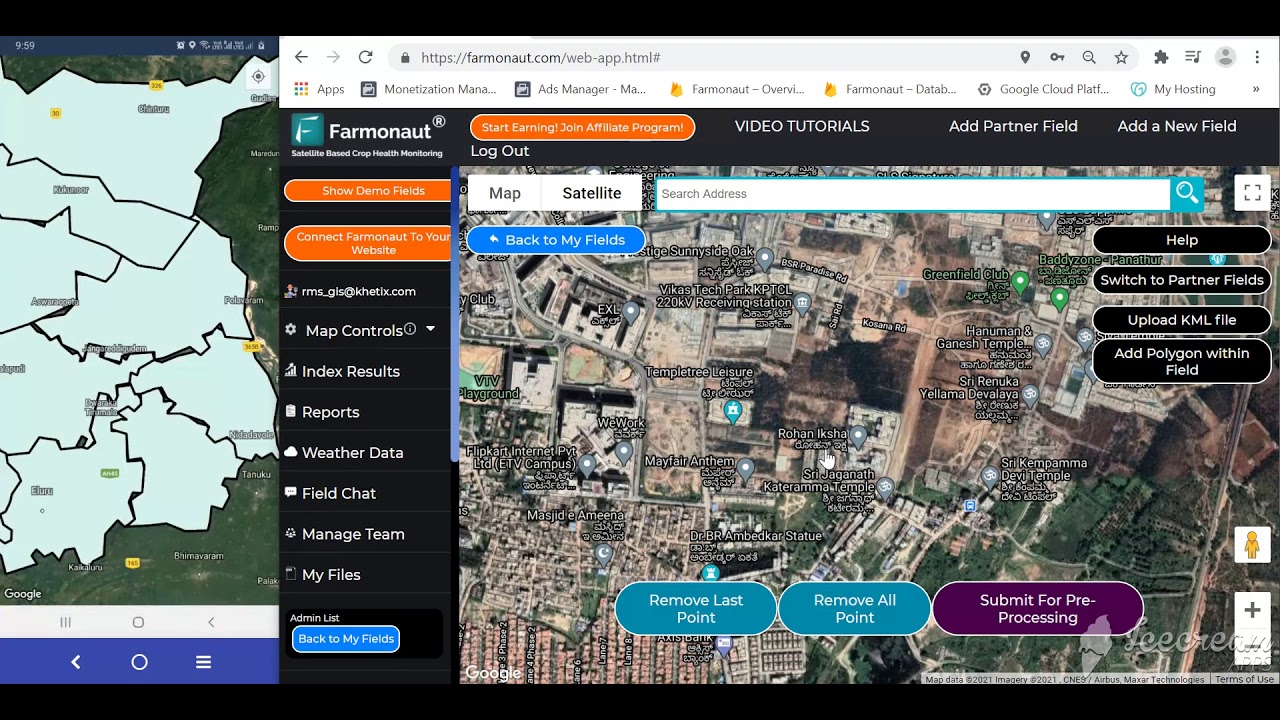
Cutting-edge satellite-based tools and AI advisory systems like ours at Farmonaut enable farmers to monitor pasture health, optimize feed schedules, and ensure sustainable resource management. Our platform helps you:
- Access real-time satellite imagery for pasture, herd activity, and vegetation health.
- Use the Jeevn AI Advisory System for weather forecasts and management advice.
- Leverage blockchain traceability for proof of origin and ethical animal welfare.
- Track your beef cattle carbon emissions — vital for eco-market certification.
- Use fleet and resource management for equipment efficiency and labor cost reduction: Learn more about Farmonaut Fleet Management




Selective breeding for traits like growth rate, feed efficiency, and heat tolerance builds long-term profitability—even for small herd operators.
Ignoring regular pasture soil health assessment can increase your feed costs and reduce cattle gain. Satellite monitoring offers a simple, low-labor alternative!
Understanding Beef Market Trends and Consumer Preferences (2025 & Beyond)
Raising beef cattle for profit is increasingly intertwined with market trends:
- Ethically Raised Beef: Demand for animal welfare and “happy cattle” branding is strong.
- Grass-Fed & Organic: Niche but growing; can command 20–40% price premiums.
- Traceability: Premiums for verified, transparent sourcing via blockchain—see Blockchain Traceability.
- Eco-Labeled/Carbon-Neutral Beef: A rapidly growing sector; carbon footprinting technology gives you market edge.
Stay on top of local and global market conditions to time your beef sales for maximum profit. Diversifying into niche markets offers increased profitability alongside reduced market competition.
Maximizing Profit: Essential Strategies for Raising Cattle for Profit
Profitability in raising beef cattle depends not just on controlling costs but also on capturing high-value market segments. Use these expert strategies:
- Reduce Feed Costs: Plant diverse pastures for more growth, use integrated crop-livestock systems, and buy in bulk.
- Invest in Genetics: Select or crossbreed for feed efficiency, health, and weight gain.
- Leverage Technology: Employ Farmonaut’s tools for real-time monitoring of resources, yields, and cattle health; manage farm assets efficiently.
- Enhance Beef Quality: Fine-tune your nutrition and finish cattle according to market premium specifications.
- Build Your Brand: Market directly to consumers, or join cooperatives for collective bargaining and traceability value.
Remember: The most sustainable operations are often the most profitable—because they waste less and access the highest-value niches.
- 💡 Higher Efficiency: Less input, more output, better returns
- ✅ Market Access: Qualifies for organic/eco label and eco-conscious consumers
- 🚚 Smarter Logistics: Track assets, manage fleets, reduce theft/losses (see fleet management)
- 🔎 Data-Driven Decision Making: Use remote monitoring and yield forecasts
- 🏭 Reduced Costs: Automation and data slash labor and feed expenses
Visual Lists & Bullet Insights: Raising Beef Cattle for Beginners
- 🐮 Breed Selection: Angus, Hereford, Red Poll—reliable returns for all climates
- 🌱 Sustainable Forage: Rotational grazing and pasture improvement reduce costs
- 💲 Profit Focus: Target grass-fed or traceable beef markets for highest ROI
- 📱 Farm Tech: Satellite and app tools improve monitoring and lower expenses
- 🚀 Scalable Model: Start small—grow as you master practices
Frequently Asked Questions: Raising Beef Cattle for Beginners
A: Average annual costs per head (including feed, health, breeding, and infrastructure) range from $1,240–$1,400. Initial setup per head (infrastructure, herd purchase) is $700–$2,000.
A: Angus, Hereford, Red Poll, and crossbreeds adapted for your climate and pasture system.
A: Digital tools (apps, satellite monitoring, and APIs) allow you to monitor pasture, track herd health, automate logistics, and achieve data-driven efficiency for greater profit and easier scaling.
A: Use platforms like Farmonaut Carbon Footprinting for environmental tracking, and Farmonaut Traceability for beef certification.
A: Rotational grazing, integrated crop-livestock systems, soil health monitoring, precision feeding, and carbon tracking for green markets.
Conclusion: Beef Cattle Raising in 2025—Your Pathway to Farming Success
Raising beef cattle for beginners in 2025 is an exceptional opportunity—if you adopt a step-by-step strategy, leveraging best practices and advanced technology to optimize profitability and sustainability.
- Choose breeds with balance of growth, efficiency, and market value
- Monitor and manage costs—precision is key for scalable profit
- Seize market trends—eco, organic, grass-fed, and traceable beef
- Embrace digital solutions—satellite, AI, and fleet tools lower risk & labor
- Scale sustainably—the best way to meet modern agriculture demands
The journey into raising beef cattle can be both profitable and fulfilling when guided by informed management, cutting-edge technologies, and a deep respect for animal welfare and the environment.
Farmonaut Mobile Apps & APIs: Revolutionize Your Cattle Ranch
- 🌐 Farmonaut Web: Reliable remote monitoring for large and small-scale cattle farms. Access Web App
- 📲 Android: Manage cattle and pasture health on the go Download on Google Play
- 📲 iOS: Apple-users streamline cattle operations anywhere Download on the App Store
- 🔗 Developers: Advanced integration—weather & satellite API for bespoke management Farmonaut API

 WebsEdge
 IRE Soil
 Blickwinkel
 Agricultural Credit Policy Council
 BayWa
BayWa MCSOD
MCSOD Marei Nursery
 eKGIS
eKGIS Mostas Tech
 Native Seeds
 Andex
Andex FCF India
 Unifrutti Gulf
 Deluxe Conseil
 TVS Electronics
 WICO
WICO Chimera Innovation
