

Recycling and Composting: Top 2026 Trends for Farming
“By 2026, large-scale composting in agriculture is projected to reduce farm waste by up to 35% globally.”
“Crop cycling in sustainable farming can improve soil organic matter by 20% within a single growing season.”
Table of Contents
- Introduction: The Rising Need for Recycling and Composting in Agriculture
- Key Trends in Recycling and Composting for Farming in 2026
- The Role of Compost Recycling in Sustainable Agriculture
- Large Scale Composting: Technologies, Machines, and Best Practices
- Composting Machines Like Lomi: Revolutionizing On-Farm Waste Management
- Crop Cycling and Soil Health Synergies
- Localized and Community Compost Recycling Hubs: Making ‘Compost Recycling Near Me’ a Reality
- Comparative Trends Table: Composting and Recycling for 2026
- Enabling Technologies: Satellite & Smart Systems in Sustainable Farming
- Key Insights, Pro Tips & Common Mistakes
- Visual Lists & Bullet Highlights
- Conclusion: The Future of Recycling and Composting in Farming
- FAQ
Introduction: The Rising Need for Recycling and Composting in Agriculture
As the farming landscape accelerates into 2026, recycling and composting are no longer optional, but essential components of modern agricultural practices. The world faces escalating climate and environmental challenges, with agricultural waste volumes soaring and the soil health of global farmlands under constant threat from intensive operations and synthetic inputs.
In response, the integration of advanced compost recycling methods—alongside techniques like crop cycling and the deployment of smart composting machines such as Lomi—are paving a new direction in agriculture. By 2025 and into 2026, these advances are redefining how farmers and communities worldwide approach sustainable farming, waste management, and ecological balance.
This blog undertakes an in-depth exploration of recycling and composting’s top trends for farming in 2026, with a spotlight on large scale composting, compost recycling machines, crop cycling, and smart technologies. Whether you’re managing a small peri-urban plot, a large commercial farm, or a community composting hub, this comprehensive analysis will empower you to adopt the latest sustainable strategies and technologies.

Key Trends in Recycling and Composting for Farming in 2026
- Adoption of Large Scale Composting systems for processing massive volumes of agricultural waste efficiently.
- Proliferation of Smart Composting Machines like Lomi for rapid, on-farm organic waste decomposition and recycling.
- Integration of Crop Cycling with composting to significantly enhance soil fertility and resilience.
- Localized and Community Composting Hubs improving “compost recycling near me” access and participation.
- Application of AI, IoT and Blockchain for nutrient management, traceability, and resource optimization in sustainable agriculture.


The Role of Compost Recycling in Sustainable Agriculture
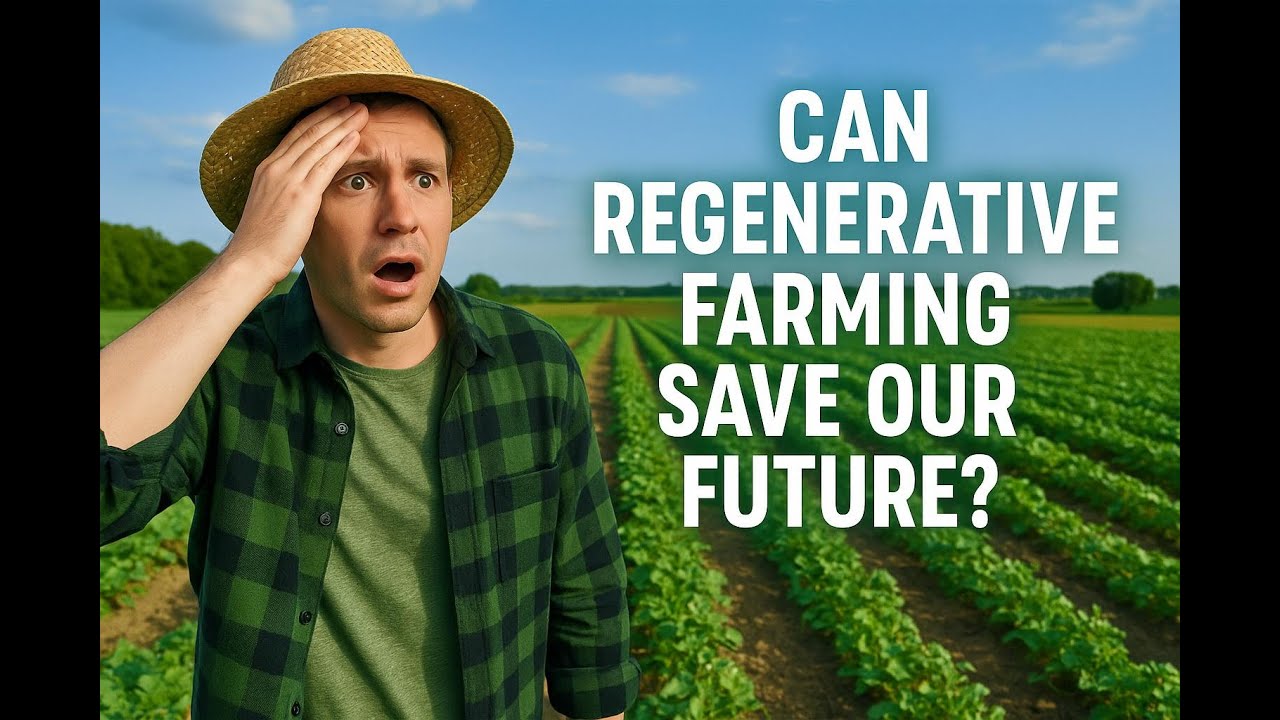
Compost recycling is the cornerstone of modern farming sustainability strategies, involving the controlled biological decomposition of organic waste like crop residues, animal manure, and other biodegradable materials. This process turns agricultural byproducts into valuable nutrient-rich compost, providing numerous benefits for soil structure, microbial activity, moisture retention, and overall farm productivity.
- Unlike chemical fertilizers, compost introduces a broad spectrum of nutrients and fosters long-term soil fertility, minimizing dependency on synthetic inputs.
- High-quality compost directly enhances the biological health of soils—improving aggregate stability, infiltration rates, and nutrient cycling.
- This technique reduces waste by diverting organic residues from incineration or landfill, creating a closed-loop system that reinforces the natural ecosystem.
- Compost utilization offers critical resilience benefits: compost-enriched soils show improved drought tolerance, erosion control, and a higher capacity to sequester carbon—essential in 2026’s unpredictable climate.

Large-scale compost recycling is increasingly gaining traction globally, thanks to integration with technologically advanced systems—ensuring optimal aeration, temperature, and moisture parameters for effective waste transformation. For instance, incorporating the Farmonaut Carbon Footprinting Module equips users with satellite-based, real-time tracking of their operations’ carbon impact, facilitating adoption of sustainability benchmarks and verifying emissions reduction from composting systems.
The best compost acts as both a fertilizer and a soil amendment. Its unique structure supports beneficial microbial activity, underlining why modern farms prioritize compost recycling as a pillar of sustainable soil management.
Large Scale Composting: Technologies, Machines, and Best Practices
In 2026, large scale composting is central to the vision of circular, resource-efficient agriculture. The process involves the mechanical and biological transformation of massive waste volumes using sophisticated systems designed to maintain optimal decomposition parameters:
- Advanced aeration systems and temperature-monitoring units ensure uniform oxygen supply and prevent anaerobic, odor-generating conditions.
- IoT sensors provide real-time tracking of moisture, temperature, and gas emissions, allowing operators to fine-tune composting rates.
- Modern windrow and in-vessel composting technologies are increasingly powered by renewable energy sources, minimizing the carbon footprint of waste management operations.
- Such systems are often paired with localized pickup networks—reducing transport emissions and supporting decentralized “compost recycling near me” goals.
Farmers and agricultural enterprises leveraging large scale composting are positioned to make significant contributions to the UN’s Sustainable Development Goals (SDGs) by reducing waste, promoting soil regeneration, and mitigating environmental impacts.

Composting Machines Like Lomi: Revolutionizing On-Farm Waste Management
The emergence of the composting machine Lomi and similar automated solutions have transformed waste management for small and mid-sized farms as well as urban and peri-urban communities.
- Lomi and its advanced peers are designed to accelerate the natural decomposition process, reducing composting cycles from months to mere days or hours.
- With the integration of smart technology, including IoT-driven nutrient sensing and automated aeration, these units enable precision composting—tailoring nutrient outputs for specific crops and climates.
- Units are now affordable, energy-efficient, and user-friendly, extending compost recycling options to families, community gardens, and small commercial operations who previously lacked large-scale capacities.
- Decentralized installation of composting machines like Lomi supports “compost recycling near me,” curbing transport emissions and making recycling more accessible to wider audiences.
Furthermore, these machines complement large-scale systems by providing flexibility, allowing progressive farms to recycle on-site or participate in local compost hubs for waste not suited to on-farm processing.
When using composting machines like Lomi, periodically monitor input ratios of green (nitrogen-rich) and brown (carbon-rich) waste. This ensures maximum efficiency in decomposition and avoids compacted, anaerobic conditions that diminish compost quality.
Crop Cycling and Soil Health Synergies
Crop cycling—the systematic rotation of crops across seasons—has experienced revived popularity as regenerative agriculture and sustainability take center stage. In tandem with compost recycling, crop rotation offers critical soil health, productivity, and ecological benefits.
- Alternating crops breaks pest and disease cycles, reduces fertilizer requirements, and supports more balanced soil nutrition.
- The introduction of legumes or cover crops in rotations—with integrated compost input—helps fix atmospheric nitrogen and enrich organic matter even further.
- Such practices steadily build soil structure, fostering improved water infiltration, reduced erosion, and better resilience during climate extremes.
- Crop cycling, combined with compost applications, increases soil organic matter, microbial activity, and carbon sequestration capacity—critical for climate change mitigation in global and local contexts.

Our platform at Farmonaut enables farmers, agricultural enterprises, and policy makers to monitor vegetation health, analyze crop rotation impacts, and measure organic matter cycles using real-time satellite data. The integration of AI-powered recommendations empowers even novice agronomists to plan sustainable rotation and compost cycles appropriate for specific regions and climates.
Sustainable soil management via crop cycling and compost integration is projected to become a $6 billion global sector by 2027, driven by food companies, insurers, and sustainability-focused funds seeking resilient supply chains and reduced carbon risk profiles.

Localized and Community Compost Recycling Hubs: Making ‘Compost Recycling Near Me’ a Reality
Accessibility and decentralization are critical to increasing the adoption of compost recycling and enhancing waste management for farming communities. In 2026, localized composting hubs—often managed by local councils, cooperatives, or enterprising farmers—are on the rise.
- Community composting hubs serve as easily accessible points for organic waste collection and processing, supporting even farmers and gardeners without sufficient scale for on-site composting.
- Mobile composting units and miniaturized machines ensure that rural, peri-urban, and infrastructure-limited areas can participate fully in compost recycling, often supported by advisory and logistics services.
- Reduced transportation emissions, fresh compost availability, and the fostering of “compost recycling near me” culture enhance ecological and economic sustainability for local farming systems.
- Local hubs foster community education and engagement, encouraging circular resource flows and bolstering resilient, climate-smart agriculture.
The synergy between localized hubs and smart platforms is further enhanced by geospatial tracking, resource mapping, and automated advisory (such as Farmonaut’s Jeevn AI system). These tools empower farmers and communities with real-time, actionable data on waste streams and composting potential.

Comparative Trends Table: Composting and Recycling for 2026
Implementing large scale composting without proper monitoring of moisture and aeration can result in incomplete decomposition, foul odors, or even spontaneous combustion. Prioritize regular parameter checks—manual or IoT—especially for new installations!
Enabling Technologies: Satellite & Smart Systems in Sustainable Farming
From multispectral satellite imagery and blockchain-based traceability to IoT-controlled compost cyclers, 2026’s sustainability revolution in farming relies on a convergence of advanced technologies:
- Satellite Monitoring: Supports real-time detection of crop stress, soil carbon stocks, and identification of waste hotspots across large farmlands.
- AI-Powered Advisory (e.g. Jeevn): AI-based guidance recommends optimal compost and fertilizer application, crop rotation schedules, and waste reduction strategies based on a blend of satellite data and weather forecasts.
- Blockchain Traceability: Guarantees transparency in compost and waste management supply chains, critical for organic certifications and food safety compliance. See Farmonaut’s Blockchain Traceability Module
- Resource & Fleet Management: Smart deployment and tracking of compost haulers, field machinery, and waste logistics—cutting fuel use and boosting operational efficiency.
These smart solutions are designed to make sustainable farming accessible and affordable to every sector participant—from small plot holders to multi-national agricultural enterprises. Our vision at Farmonaut is to empower users with affordable satellite-driven insights, AI-powered guidance, and transparent, scalable resource management tools.
Power Your Farm Management with Flexible Subscriptions

Key Insights, Pro Tips & Common Mistakes
Satellite-based systems can now visualize changes in soil organic matter and correlate them with compost or crop cycling practices—delivering objective proof of environmental benefit for farms of any size.
To maximize environmental impact, coordinate compost application with the start of new crop cycles and prior to rainfall. This increases nutrient uptake efficiency and minimizes leaching risks.
Applying compost without crop cycling may boost yields in the short term, but will not correct imbalances from repeated monocultures. Always pair organic amendments with rotational planning for enduring results!
Composting hubs and small-scale mechanization are prime targets for green investment, especially in emerging markets with rapid urbanization and substantial agricultural waste challenges.
Farms using both large scale composting and AI-guided resource management are projected to achieve up to 40% better waste conversion efficiency compared to those using isolated technologies.
Visual Lists & Bullet Highlights: Composting, Recycling, Crop Cycling Benefits for 2026
✔ Key Benefits for Farms & Communities
- 🌱 Resilient Soils: Improved structure and drought tolerance via compost and crop cycling.
- ♻️ Reduced Waste: Up to 35% less organic waste via advanced recycling and composting hubs by 2026.
- 🔎 Transparency: Blockchain traceability aligns with food safety and organic certification imperatives.
- 🛰️ Precision Management: Satellite-driven insights for real-time, scalable farm and resource optimization.
- 💧 Water Savings: Compost-enriched soils retain 30% more water, cutting irrigation needs in volatile climates.
📊 Data Insights: What to Watch in 2026
- ⏩ Rapid Adoption: Composting machines like Lomi expected to see a 30% cost drop and >20% market growth.
- 🌾 Yield Increases: Farms pairing crop cycling and compost report up to 25% higher productivity on degraded soils.
- 🌎 Emission Reductions: Large-scale composting saves up to 1.5 tons CO₂e/ha annually by diverting waste from incineration.
- ♻️ Recycling Participation: Community hubs double engagement when combined with mobile app-guided drop-off schedules.
- 🌡️ Better Monitoring: IoT compost sensors reduce error rates and boost consistency of high-grade compost batches by 50%.
Top 3 Composting Methods for Modern Farms
- Windrow Composting: Best for large-scale, open-air processing with periodic turning for aeration.
- In-Vessel Composting: Enclosed, controlled systems ideal for regions requiring rapid and odorless decomposition.
- On-Farm Mechanical Units: Compact solutions for medium plots; excellent for integrating with crop cycling schedules and smart advisory support.
⚠ Top Risks or Limitations
- Compost contamination from plastics or chemicals—strict sorting protocols required.
- Over-watering or lack of aeration stalling decomposition and causing anaerobic hotspots.
- Market fluctuations affecting pricing of finished compost and demand for recycling services.
- Insufficient community education slowing compost hub adoption.
Conclusion: The Future of Recycling and Composting in Farming
As we move confidently into 2026 and beyond, recycling and composting are the linchpins of a sustainable, climate-resilient future in agriculture. The synergy between large-scale composting, innovative composting machines like Lomi, advanced satellite-driven monitoring, and crop cycling offers a blueprint for farms and communities to thrive while nourishing the planet.
Whether you are a farmer seeking higher yields, a municipal planner designing compost recycling near me hubs, or a technology enthusiast looking to deploy smart management tools, the time has never been better to invest in these trends. With real-time, satellite-informed insights, affordable mechanization, and decentralized community engagement, every step in the recycling and composting journey promotes ecological balance, economic security, and lasting environmental benefit.
Let’s work together to keep circular, sustainable agriculture at the heart of how we produce food, manage waste, and protect the earth for generations to come.
FAQ: Recycling and Composting for Farming in 2026
What are the main benefits of large-scale composting for farms?
Large-scale composting allows farms to efficiently process significant volumes of organic waste, reducing landfill use and producing nutrient-rich compost. This improves soil structure, water retention, and supports sustainable productivity while minimizing environmental impact.
How do composting machines like Lomi work?
Composting machines like Lomi use heat, controlled aeration, and smart sensors to accelerate the natural decomposition of food and farm waste. They require minimal user effort, turning waste into usable compost in hours or days, and are ideal for on-site recycling at small or mid-sized farms.
Why is crop cycling important when using compost?
Crop cycling prevents pest and disease buildup, reduces the need for synthetic fertilizers, and balances soil nutrients. When paired with compost applications, it amplifies soil health improvements and yield gains, strengthening farm resilience.
What is meant by ‘compost recycling near me’?
This refers to localized, accessible composting infrastructure—such as community hubs or decentralized processing units—that enables farmers and residents to recycle organic waste close to where it’s generated, lowering transport emissions and improving participation.
How can technology help optimize recycling and composting in agriculture?
Technologies like satellite-based monitoring, AI advisory systems, blockchain traceability, and IoT composting machines provide real-time insights, automate resource management, and ensure transparency, scalability, and higher efficiency throughout the agricultural recycling system.
Discover how Farmonaut’s satellite-driven solutions and smart technologies can drive your sustainability and resilience in farming.
Try Farmonaut Web App Now
Sustainability in agriculture is no longer a trend; it’s our collective future.

 John Deere
 Progenseed
 SkyHarvest
 Polaris Digitech
 Teledarbas
 Wild Oak Farm
 SFX
SFX BACF Africa
 Doodlakine
 Exurbia Geospatial
 FieldZero
 Indico Company
 Kubota
