

Anaerobic Composting, Aerobin 200/400, Direct & Indoor Methods: Advanced Composting Technologies for Sustainable Agriculture in 2026 and Beyond
Table of Contents
- Introduction: Composting at the Center of Sustainable Agriculture
- Composting Trivia
- Anaerobic Composting: A 2026 Perspective
- Aerobin 200 & 400 Composters: Aerobic Innovations for 2026 Farms
- Direct Composting: Simplicity Meets Effectiveness
- Indoor Worm Composting: Vermiculture Thrives Indoors
- In Vessel Composting: Efficiency & Biosecurity
- Comparative Features Table for Composting Methods
- Farmonaut Solutions Enabling Sustainable Waste Management
- FAQs: Composting in 2026 & Beyond
- Conclusion
“Anaerobic composting can reduce organic waste volume by up to 50% within just 2–3 months.”
Introduction: Composting at the Center of Sustainable Agriculture
Anaerobic composting, aerobin 200 composter, aerobin 400 composter, direct composting, indoor worm composting, and in vessel composting—these terms aren’t just buzzwords in 2026. They represent a revolution in how the agricultural sector approaches organic waste management, soil health, and sustainable food production.
As global food demand rises and environmental concerns intensify, sustainable agriculture in 2026 is about more than just crop yields—it’s about adopting vital processes like composting to reduce waste, cut chemical fertilizer dependence, and restore soil vitality. This article explores:
- Key composting technologies, from anaerobic composting to the advanced Aerobin series
- Innovative direct and indoor worm composting methods
- Critical in vessel composting for high-biosecurity agriculture
We’ll also share how Farmonaut satellite and AI technologies support climate-smart farm waste management to propel sustainability and efficiency.

Anaerobic Composting: A 2026 Perspective on Nutrient Recovery
Anaerobic composting is gaining critical prominence in agriculture as farms race to achieve carbon-neutral operations. This composting method—involving decomposition of organic matter by microorganisms in the absence of oxygen—offers several advantages over typical aerobic approaches, especially in large or resource-constrained environments.
How Anaerobic Composting Works
- ✔ No Oxygen Required: Decomposition happens in sealed, oxygen-poor conditions (unlike traditional compost piles or aerobic bins).
- ✔ Biogas Production: Breaks down manure, crop residues, and food scraps, producing methane and carbon dioxide. This biogas can be captured as a renewable energy source.
- ✔ Digestate Yield: The remnant “digestate” is rich in nutrients and can be used as a natural fertilizer for improving soil content and structure.
Key Steps in Anaerobic Composting
- Feedstock Preparation: Organic wastes like manure, crop residues, or food scraps are loaded into sealed digesters (commonly used in integrated farm systems).
- Airtight Environment: Digesters are kept airtight, maintaining anaerobic (no-oxygen) conditions essential for the microorganisms that drive the breakdown.
- Decomposition and Biogas Generation: Over several weeks, bacteria convert the matter into biogas (methane and carbon dioxide), which rises and is captured for use as a renewable energy source.
- Harvesting Nutrient-Rich Digestate: Solid and liquid fractions (digestate) are extracted—used as natural fertilizer or soil improver, reducing dependence on chemical fertilizers.

Anaerobic composting is especially critical for intensive agriculture sectors in 2026: from smallholder farms seeking off-grid energy to commercial growers managing manure and crop residue efficiently. With the right management and technology, it also minimizes greenhouse gas emissions compared to open-air waste heaps.
Common Applications in Agriculture
- ✔ Dairy/livestock farms: Manure and bedding recovery
- ✔ Crop farms: Residue and spoiled harvest utilization
- ✔ Integrated agri-energy: On-farm biogas for power or heating, closed carbon cycles
2026 Technology Outlook for Anaerobic Composting
Technological advancements in compact, affordable digesters have enabled not only large-scale commercial farms but also small to medium-sized farms to integrate anaerobic digestion. Smart monitoring systems now automate moisture and temperature balance, enhancing efficiency and safety.
- ✔ Key benefit: Combines waste reduction, renewable energy, and soil health improvement in a single solution.
- 📊 Data insight: Farms embracing anaerobic composting report up to 40% fertilizer cost savings and substantially lower methane emissions vs. open dumps.
- ⚠ Risk: Requires effective system design and operation to prevent leaks (methane is a potent greenhouse gas if not contained).
Anaerobic composting is now seen not just as a waste management tool, but a cornerstone of climate-smart farm models worldwide.
“Aerobin 400 composters process approximately 400 liters of organic waste, supporting sustainable soil enhancement practices indoors.”
Aerobin 200 & 400 Composters: Aerobic Solutions for Organic Waste
Aerobic composting methods—utilizing the Aerobin 200 composter and Aerobin 400 composter—stand as breakthrough technologies for continuous, odor-controlled composting. In 2026, as food waste recycling becomes routine in cities and rural communities, Aerobin composter series offer a tailored, user-friendly pathway.
What Makes the Aerobin Series Unique?
- ✔ Insulated Aerobic Operation: Each unit is insulated for stronger heat retention—accelerating breakdown and supporting year-round use in cooler environments.
- ✔ Patented Aeration System: Ensures continuous oxygen flow, minimizing anaerobic “dead zones” and reducing common odors usually seen in traditional compost heaps.
- ✔ Sealed Design: Contains organic residues and leachate, making it suitable even for indoor or near-building applications.

Aerobin 200 vs 400: Which Suits Your Farm?
- 🍃 Aerobin 200 Composter: Best for smaller farms, urban gardens, or individual backyard applications; handles approx. 200 liters at a time—highly efficient for continuous kitchen and yard residue recycling.
- 🍃 Aerobin 400 Composter: Designed for larger operations (400 liters), making it ideal for commercial farms, schools, or community composting initiatives managing higher volumes of biodegradable waste.
- ✔ Compost Maturation: In typical ambient conditions, Aerobin composters produce nutrient-dense compost in 8–12 weeks—much faster than static piles.
- ✔ Leak Prevention: Integrated moisture handling reduces the risk of contaminated runoff, protecting both crops and water sources.
How Aerobin Composters Support Sustainable Farms
- ✔ Reduces chemical fertilizer use by generating high-quality organic compost onsite
- ✔ Complements cover cropping and crop rotation for restoring soil health
- ✔ Suitable for biodegradable residues, kitchen scraps, yard trimmings, and select animal manures
- ✔ Supports climate-smart agriculture goals in accordance with global sustainability directives

Visual List: Aerobin-Composting Advantages
- 🥬 Accelerated Breakdown—Insulation and airflow speed up decomposition
- 💧 Moisture Control—Reduces leachate, keeps compost balanced
- 🌬 Odor Minimization—Well-aerated, enclosed design means fewer complaints
- 🌍 Environmental Impact—Lowers landfill waste, nurtures local soil systems
- 🛡 Biosecurity—Helps shield against pest/disease spread through closed-cycle handling
Direct Composting: Simplicity Meets Effectiveness
In direct composting—also known as static pile composting—organic waste is heaped directly onto or into the soil without regular turning, making it a vital process for waste recycling in resource-constrained rural settings.
- ✔ Labor-Light: Minimal setup and maintenance—“dig and drop” kitchen waste or field residues near plants or within tree rows.
- ✔ Adaptability: Scalable from household gardens to large agricultural fields and extensive forestry zones.
- ✔ Soil Enhancement: Encourages earthworm and microbe populations, improves soil organic content, and strengthens structure over time.
Improving Direct Composting Efficiency in 2026
- ✔ Moisture Management: Covering or periodically irrigating static piles prevents drying—crucial for effective decomposition.
- ✔ New Inoculants: Modern microbial blends introduced in 2025–26 greatly accelerate organic matter breakdown, pushing pile performance even in sub-optimal conditions.
- ✔ Integrated Strategies: Combine with cover cropping, direct field mulching, or blade crimping for even more robust carbon cycling.
- Place organics near root zones for direct soil benefits
- Alternate “green” and “brown” materials to balance carbon:nitrogen
- Layer thin for even decomposition and moisture penetration
⚠ Limitations:
- ⚠ Slow Decomposition: Can take 6–12 months, especially in cold/dry conditions without periodic mixing or microbial amendments.
- ⚠ Uneven Results: Final compost may vary in quality due to uneven aeration and moisture.
- ⚠ Weed Seed Survival: Lower pile temperatures mean some seeds and pathogens may persist if not properly managed.



Indoor Worm Composting: Vermiculture Thrives in Controlled Environments
Indoor worm composting—or vermicomposting—is increasingly adopted by urban, peri-urban, and controlled-environment agriculture, including vertical farms and greenhouses, in 2026.
- ✔ Earthworm Action: Red worms expedite organic matter breakdown, transforming food scraps, crop byproducts, and even some animal manures into castings—one of the richest organic fertilizers on the market.
- ✔ Continuous Operation: Worm bins work year-round, unaffected by outdoor temperature swings—a perfect solution for indoor environments, greenhouses, or stacked urban farming systems.
- ✔ Biofertilizer Output: The resulting ‘worm castings’ improve soil nutrition, structure, and microbial resilience—ideal for high-value crops and seedling starting mixes.
Visual List: Vermiculture Essentials
- 🪱 Feed worms a blend of greens (veggie scraps) and browns (cardboard)
- 🏠 Maintain bins at 15–25°C (59–77°F) for fastest castings production
- 🌡 Monitor moisture and pH to prevent souring or pests
- 📅 Rotate harvest to ensure a constant flow of compost for crops
Indoor worm composting is the method of choice for small farms seeking premium soil amendments or closed-loop recycling on tight land footprints.

In Vessel Composting: Efficiency & Biosecurity for Modern Farms
In vessel composting brings precision composting to agriculture, using sealed drums or containers that allow for strict control of temperature, aeration, and moisture. This method excels where biosecurity and rapid turnaround are critical:
- ✔ Animal Manures & High-Risk Residues: Safely treat potentially pathogen-laden waste in a closed system, minimizing the risk of runoff or pest/odor escape.
- ✔ Regulatory Compliance: Easily meet environmental and food safety standards—excellent for slaughterhouse or dairy waste streams.
- ✔ Composting Speed: With optimized conditions, complete decomposition is possible in a few days to several weeks (vs. months for open piles).
- ✔ Urban/Indoor Adaptation: Compact models are useful even in highly urbanized or climatic-challenged regions.
In vessel composting is transforming how diverse agricultural operations—from small eco-farms to large agro-industrial sites—manage waste and deliver safe, nutrient-rich compost for soil enhancement.

Comparative Features Table for Composting Methods
| Method | Oxygen Requirement | Composting Time (Estimated) | Suitable Materials | Odor Level | Space Needed (Estimated) | Ease of Use | Environmental Impact (Estimated) |
|---|---|---|---|---|---|---|---|
| Anaerobic Composting | None (absence of oxygen) | 2–4 months | Manure, food scraps, crop residues | Medium–High (if gas not captured) | Medium–Large (depends on digester size) | Medium (needs sealed digester) | High (biogas recovery + nutrient cycling) |
| Aerobin 200 Composter | Continuous (via aeration system) | 8–12 weeks | Kitchen waste, garden clippings, small volumes animal waste | Low | Small–Medium (200L capacity) | Easy (minimal maintenance) | High (reduces landfill, enhances soil) |
| Aerobin 400 Composter | Continuous (enhanced aeration) | 6–10 weeks | Higher-volume biodegradable waste, commercial residues | Low–Medium | Medium–Large (400L capacity) | Easy–Medium (large batches, needs some oversight) | Very High (bulk waste recycling) |
| Direct / Indoor Worm (Vermicomposting) | Variable (passive or via worm tunnels) | 3–12 months (direct); 2–4 months (worm) | Vegetable waste, paper, some residues | Low (worm); Medium (direct pile, uncovered) | Varies: small bins to acres | Very Easy (direct); Medium (worm care) | High (soil health, minimal emissions) |
This comparative table shows why no single solution fits every farm—each method offers unique advantages and is best applied according to residue volumes, available labor, space, and environmental priorities.
Farmonaut Solutions Enabling Sustainable Waste Management
As the composting landscape evolves, advanced monitoring and data-driven decisions are redefining agricultural waste management. That’s where we at Farmonaut support farmers globally—integration of satellite-driven insights, real-time monitoring, and sustainability assessment tools with regular agricultural practice.
- ✔ Waste Area Monitoring: Our satellite systems pinpoint areas of excessive crop residue or manure accumulation—helping farms target high-impact sites for anaerobic composting or aerobic methods.
- ✔ Resource Optimization: Real-time data ensures the efficient allocation of labor and composting infrastructure—minimizing losses and environmental risk.
- ✔ AI-Powered Advisory: Our Jeevn AI delivers tailored composting recommendations for each farm—from optimal pile location to ideal moisture levels for indoor worm composting or in vessel systems.
- ✔ Environmental Impact Tracking: With satellite data, we help farmers monitor carbon footprint reductions gained by shifting to innovative composting and direct residue recycling.
- ✔ Supply Chain Assurance: By applying blockchain-based traceability, we verify organic credentials, waste diversion claims, and compost input compliance—protecting market integrity.
Our scalable platform is designed for everyone—from smallholder farmers using Aerobin 200 units to large handlers managing industrial in vessel composting operations.
If you’re a business, government, or financial institution interested in integrating satellite-based monitoring into your operations, you can instantly access our:
- 📲 Apps for remote farm management, available on Android, iOS, and web
- 🔗 Open API for seamless integration into your data ecosystem: Farmonaut Agricultural API (API Developer Docs)
- 🚚 Fleet & Resource Management: Optimize vehicle usage and compost hauling schedules with real-time location and resource use insights.
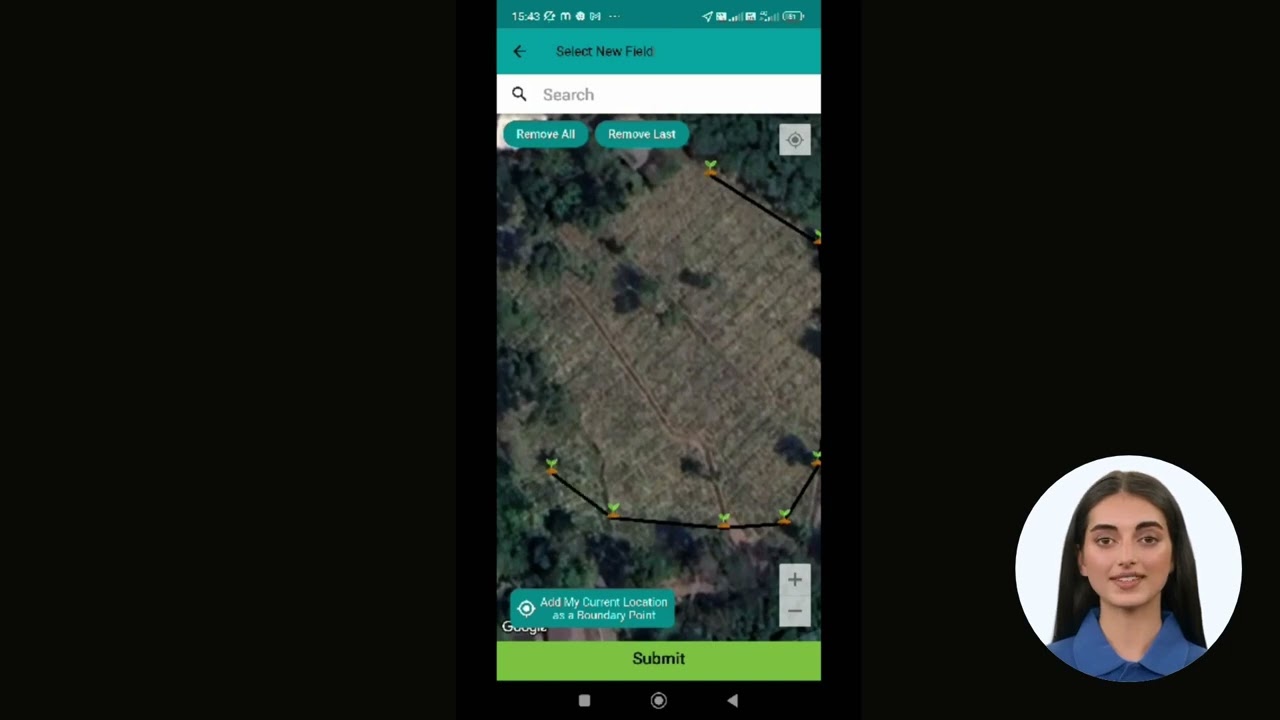
For large-scale operations, our Large Scale Farm Management suite ensures synchronized monitoring of composting zones, crop health, and annual residue production—delivering unmatched clarity for farm management teams.
We are committed to transparent, sustainable, and affordable adoption of composting solutions in agriculture, restoring soil and climate balance for years to come.
Frequently Asked Questions (FAQ): Composting in 2026
- Q: Is anaerobic composting suitable for all farms?
A: Anaerobic composting is best for farms with large organic waste volumes and energy needs. Small-scale growers may find aerobic or Aerobin systems more practical unless excess manure is produced regularly. - Q: How do Aerobin 200 and Aerobin 400 composters differ?
A: Both use continuous aeration for efficient composting, but the Aerobin 200 composter suits smaller (200L) loads and the Aerobin 400 composter is built for higher (400L) volumes—ideal for large gardens or commercial farms. - Q: Can you use indoor worm composting for animal manure?
A: Yes, but only in small, controlled amounts. Most indoor worm composting is best for plant-based kitchen waste, with limited manure to prevent ammonia buildup. - Q: What is the main advantage of in vessel composting?
A: Tight control of temperature and moisture means faster waste conversion and higher biosecurity—essential for farms with animal byproducts or tough regulatory standards. - Q: How does Farmonaut help composting operations?
A: Through satellite-based monitoring, smart advisory, impact tracking, and blockchain-enabled traceability, we ensure composting systems are efficient, compliant, and transparent—from farm to finished compost.
Conclusion
Anaerobic composting, Aerobin 200/400, direct composting, indoor worm composting, and in vessel composting are more than trends—they are essential sustainable agricultural practices in 2026 and beyond.
With ongoing improvements in composting systems, advanced data monitoring, and tailored solutions made accessible by organizations like Farmonaut, farmers can now address diverse organic waste management challenges—reducing landfill burden, improving soil fertility, and enhancing carbon sequestration for a climate-resilient future.
- ✔ Anaerobic composting links waste reduction with energy recovery and natural fertilizer production.
- ✔ Aerobin composters (200 & 400) offer scalable, odor-controlled aerobic composting for every farm size.
- ✔ Direct and indoor worm composting methods ensure that even small and urban farms can participate in closed-loop, organic waste recycling.
- ✔ In vessel composting maximizes safety, speed, and regulatory compliance for the most demanding environments.
- ✔ Smart satellite and AI-based solutions provide the real-time, high-impact decision support modern agriculture requires.
Embrace composting as a vital process for a sustainable world—and reap the nutrient, environmental, and productivity rewards today!
Ready to power your farm into the future? Experience Farmonaut’s sustainable management platform here.

 Sarvome
 Polaris Digitech
 Teledarbas
 Wild Oak Farm
 SFX
SFX BACF Africa
 Doodlakine
 Exurbia Geospatial
 FieldZero
 Indico Company
 Kubota
 FFBS
FFBS Jontra
