

Organic Treatment for Septoria Leaf Spot: Protecting Tomatoes and Cannabis from Fungal Pests
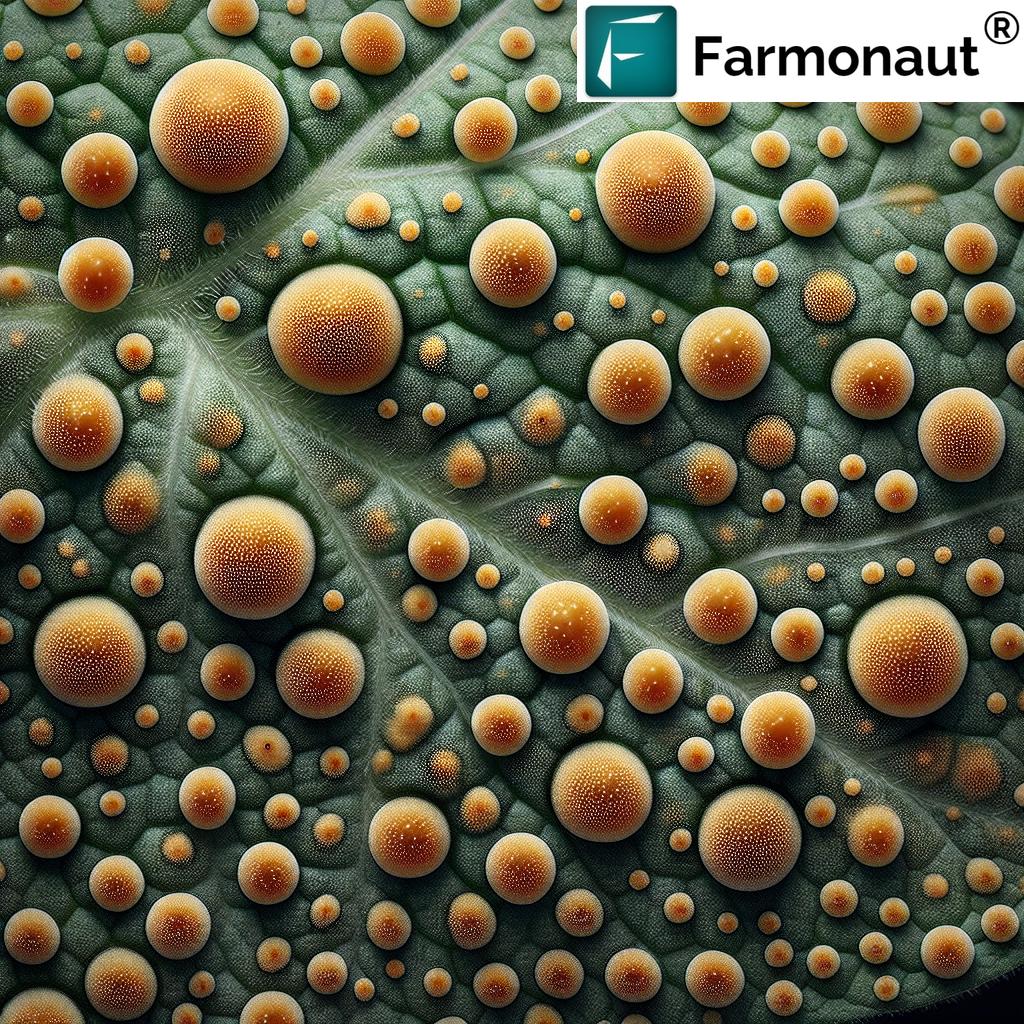
As agricultural experts at Farmonaut, we understand the challenges farmers face when it comes to protecting their crops from various diseases and pests. One such prevalent issue that plagues tomato and cannabis growers is Septoria Leaf Spot, a fungal disease that can significantly impact crop yield and quality. In this comprehensive guide, we’ll explore organic and conventional treatments for Septoria Leaf Spot, focusing on effective control measures and prevention strategies.
Understanding Septoria Leaf Spot
Septoria Leaf Spot is a common fungal disease caused by the pathogen Septoria lycopersici. This disease primarily affects tomatoes but can also impact other plants in the Solanaceae family, including cannabis. The disease is characterized by distinct symptoms that can severely compromise plant health if left untreated.
Symptoms of Septoria Leaf Spot
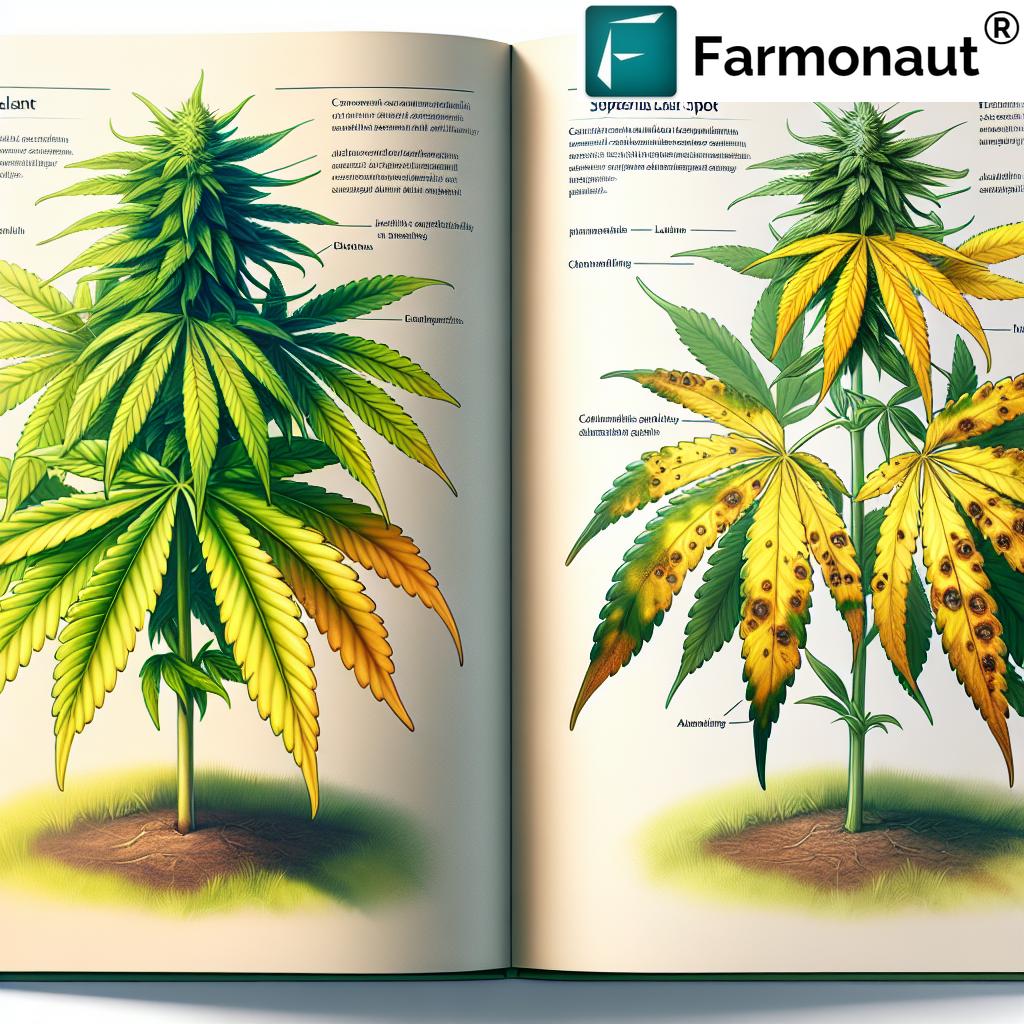
- Leaf Spots: The most noticeable symptom is the appearance of small, circular spots on the leaves. These spots typically start as tan or brown in color.
- Spot Development: As the disease progresses, the spots may develop black fruiting bodies in the center, giving them a speckled appearance.
- Leaf Yellowing: Affected leaves may turn yellow and eventually wither and fall off.
- Stem and Fruit Impact: In severe cases, spots may also appear on stems and fruit, though this is less common.
How does Septoria leaf spot survive and spread?
The fungus does not live freely in soil. It survives the winter on infected tomato debris and on solanaceous weeds such as horsenettle, black nightshade and jimsonweed. As the spots mature, small dark fruiting bodies called pycnidia form inside them, and you can see them with a hand lens. Early blight lesions, by contrast, are larger, darker brown and have concentric rings. Rain splash spreads the spores onto nearby foliage, and workers, equipment and insects moving through wet plants spread it too. The disease starts on the lower leaves and moves upward. Warm, humid weather favours it. NC State Extension recommends rotating away from tomato for two or more years (source; source).
The Importance of Early Detection
Early detection of Septoria Leaf Spot is crucial for effective management. At Farmonaut, we leverage advanced satellite technology to provide farmers with real-time crop health monitoring. Our system can detect early signs of stress in plants, potentially indicating the onset of diseases like Septoria Leaf Spot.
| Aspect | Traditional Methods | Farmonaut Satellite System |
|---|---|---|
| Early Detection | Relies on visual inspection, often detecting disease after symptoms are apparent | Can detect plant stress before visible symptoms appear, enabling proactive treatment |
| Accuracy | Varies based on inspector’s experience and visibility conditions | High accuracy using multispectral imaging and AI analysis |
| Coverage Area | Limited to areas physically accessible for inspection | Can monitor large areas simultaneously, including hard-to-reach locations |
| Cost-effectiveness | Labor-intensive and time-consuming for large areas | Highly cost-effective for monitoring large-scale operations |
For more information on our satellite-based crop monitoring services, visit Farmonaut’s App.
Organic Treatment Options for Septoria Leaf Spot
At Farmonaut, we advocate for sustainable farming practices, including organic pest control methods. Here are some effective organic treatments for managing Septoria Leaf Spot:
- Copper-based Fungicides: Organic copper fungicides can be effective in controlling Septoria Leaf Spot. Apply as a preventative measure or at the first sign of infection.
- Neem Oil: This natural fungicide and pesticide can help control the spread of the disease. It’s particularly useful for organic cannabis cultivation.
- Baking Soda Solution: A mixture of baking soda, vegetable oil, and water can create an inhospitable environment for the fungus.
- Compost Tea: This nutrient-rich organic solution can boost plant immunity and help fight off fungal infections.
Application Tips for Organic Treatments
- Apply treatments early in the morning or late in the evening to avoid rapid evaporation.
- Ensure complete coverage of the plant, including the undersides of leaves.
- Repeat applications every 7-10 days or after rain for optimal protection.
Conventional Chemical Treatments
While we promote organic methods, we recognize that conventional fungicides can be effective in severe cases of Septoria Leaf Spot. Some common chemical treatments include:
- Chlorothalonil
- Mancozeb
- Azoxystrobin
Note: Always follow label instructions and local regulations when using chemical fungicides, especially on edible crops like tomatoes or medicinal plants like cannabis.
Cultural Control Measures
Prevention is key in managing Septoria Leaf Spot. Here are some cultural control measures that can significantly reduce the risk of infection:
- Crop Rotation: Avoid planting tomatoes or cannabis in the same location for consecutive years to break the disease cycle.
- Proper Spacing: Ensure adequate spacing between plants to improve air circulation and reduce humidity.
- Pruning: Remove lower leaves and suckers to improve air flow and reduce leaf wetness.
- Mulching: Apply organic mulch around plants to prevent soil splash, which can spread fungal spores.
- Watering Practices: Water at the base of plants and avoid overhead watering to keep leaves dry.
Leveraging Technology for Disease Management
At Farmonaut, we believe in harnessing the power of technology to enhance crop protection strategies. Our satellite-based monitoring system provides valuable insights that can help in the early detection and management of diseases like Septoria Leaf Spot.
Benefits of Farmonaut’s Satellite Monitoring:
- Early detection of plant stress, potentially indicating disease onset
- Large-scale monitoring capabilities
- Data-driven decision making for timely interventions
- Integration with AI for personalized crop management advice
To explore how our technology can benefit your farm, check out our API services or download our app for Android or iOS.
Specific Considerations for Cannabis Cultivation
While much of the information provided applies to both tomatoes and cannabis, there are some specific considerations for cannabis growers:
- Regulatory Compliance: Ensure all treatments used comply with local regulations for cannabis cultivation.
- Testing Requirements: Be aware that some fungicides may leave residues that could affect product testing.
- Indoor vs. Outdoor: Indoor cannabis operations may require different management strategies compared to outdoor cultivation.
The Role of Beneficial Microorganisms
Incorporating beneficial microorganisms into your soil can help create a more resilient growing environment. These microbes can:
- Compete with harmful fungi for resources
- Boost plant immune systems
- Improve nutrient uptake
Consider incorporating products containing Trichoderma or Bacillus species into your soil management practices.
Monitoring and Record Keeping
Effective disease management requires diligent monitoring and record-keeping. We recommend:
- Regular inspections of plants for early signs of disease
- Keeping detailed records of treatments applied and their effectiveness
- Using Farmonaut’s digital tools to track crop health over time
Our Weather API can provide valuable data to help predict conditions favorable for disease development.
Environmental Impact and Sustainability
At Farmonaut, we’re committed to promoting sustainable farming practices. When managing Septoria Leaf Spot, consider the environmental impact of your chosen methods:
- Opt for organic treatments when possible to minimize ecological disruption
- Use precision application techniques to reduce overuse of treatments
- Implement integrated pest management (IPM) strategies for a holistic approach
Economic Considerations
Balancing effective disease control with economic viability is crucial. Consider:
- The cost-effectiveness of prevention vs. treatment
- Long-term benefits of investing in sustainable practices
- Potential yield improvements from effective disease management
Our satellite monitoring services can help optimize your resource allocation, potentially leading to significant cost savings in the long run.
Future Trends in Disease Management
As technology continues to advance, we anticipate exciting developments in disease management:
- AI-driven predictive models for disease outbreaks
- Drone-based precision application of treatments
- Development of more resistant plant varieties through advanced breeding techniques
Stay tuned to Farmonaut’s updates to learn about the latest advancements in agricultural technology.
FAQs
- Q: Can Septoria Leaf Spot spread to other plants in my garden?
A: While Septoria Leaf Spot primarily affects tomatoes and some related plants, it’s best to practice good hygiene and isolate affected plants to prevent potential spread. - Q: How often should I apply organic fungicides for prevention?
A: For preventive measures, apply organic fungicides every 7-10 days, or more frequently during wet weather conditions. - Q: Can I save seeds from tomato plants affected by Septoria Leaf Spot?
A: It’s not recommended, as the fungus can potentially survive on or in the seeds, leading to infection in future crops. - Q: Is Septoria Leaf Spot harmful to humans?
A: The fungus itself is not harmful to humans, but it can significantly reduce crop yield and quality. - Q: How does Farmonaut’s technology help in managing Septoria Leaf Spot?
A: Our satellite monitoring system can detect early signs of plant stress, potentially indicating disease onset before visible symptoms appear, allowing for timely intervention.
Conclusion
Managing Septoria Leaf Spot in tomatoes and cannabis requires a multifaceted approach combining preventive measures, timely treatments, and advanced monitoring techniques. By leveraging both traditional wisdom and cutting-edge technology, farmers can effectively protect their crops from this persistent fungal pest.
At Farmonaut, we’re committed to empowering farmers with the tools and knowledge they need to succeed. Our satellite-based monitoring system, coupled with AI-driven insights, provides a powerful ally in the fight against crop diseases like Septoria Leaf Spot.
For more information on how Farmonaut can help you optimize your crop management strategies, visit our website or contact our team of agricultural experts.
Discussion
Questions, corrections or field experience? Share them below. First-time comments are reviewed before they appear, and your email is never published.
No comments yet. Be the first to add a question or your experience.

 AgroRisk
 Oath Inc
 Reddane Farming
 Esri North East Africa
 Farmer Amigo
 Cresol
 Atur Kuliner
 MDCV UK
 Zerella Group
 Etech Consulting Madagascar
 Vestlandsforsking
 Agritein
 Delicio
 WB Dev
 Sama Premium
 Prochecker
 Tres Valles
 LACOS Geoinformation
 Magrifly
 LatConnect 60
 Blickwinkel
 Agricultural Credit Policy Council
 Exploration consultancy · South Africa · Gold
 Licence holder · Niger · Gold
 Licence holder · Nigeria · Gold + lithium










