

Soil & Agricultural Fertiliser: 2026 Growth Guide
“Global soil fertiliser demand is projected to reach 200 million metric tons by 2026, driving sustainable crop growth.”
Table of Contents
- Introduction
- Understanding Soil Fertiliser and Its Importance
- Agricultural Fertiliser: Enhancing Crop Productivity in 2026
- Yara Fertiliser: A Leader in Sustainable Nutrient Solutions
- Pre Turf Fertiliser and Lawn Solutions Fertiliser: Supporting Healthy Turf Establishment
- Growmore Fertiliser: Versatility and Accessibility
- Comparative Fertiliser Impact Table
- Latest Trends in Fertilization for 2026
- How Farmonaut Satellite Technology Powers Sustainable Fertilizer Management
- Key Callouts & Highlights
- Best Practices: Bullet Points & Visual Lists
- Farmonaut App & API Access
- Frequently Asked Questions
Introduction
The evolving science of soil fertiliser and agricultural fertiliser stands at a pivotal junction in 2026. The ongoing necessity to meet global food demand, while maintaining soil health, has never been more urgent. Fertilization practices continue to impact environmental sustainability, agricultural yields, and crop resilience. Whether through mineral-based innovations like Yara fertiliser, multipurpose blends like growmore fertiliser, or specialized products for lawn and turf management, our practices are both shaped by, and shaping, the future of farming and land management.
Why is this important? Advances in soil science and fertilizer technology, coupled with smarter ecosystem management, are transforming how farmers, landscapers, and turf managers approach nutrition, application, and soil stewardship. With tools like precision agriculture and AI-based advisory systems now accessible—including those powered by Farmonaut, effective decision-making for fertilisation is becoming a reality everywhere.

Understanding Soil Fertiliser and Its Importance
Fertile soil is the foundation for resilient, high-yielding crops and safe, sustainable food systems. As we move towards 2026, the importance of soil fertiliser in both small- and large-scale agriculture remains paramount.
What Is Soil Fertiliser?
Soil fertiliser is any material—synthetic, organic, or mineral-based—added to soil to supply essential nutrients that plants require for optimal growth. Adopting the right soil fertiliser helps:
- Correct nutrient deficiencies found in specific soils
- Enhance soil fertility for current and future crops
- Improve yields, plant development, and resilience
- Balance nutrient supply and prevent runoff or leaching that could harm the environment
The right timing and balance of fertiliser application is crucial.
Over-application can cause environmental damage through nutrient runoff, while under-application may result in stunted plant growth and poor yields.
Which Nutrients Do Fertilisers Supply?
- Macronutrients: Nitrogen (N), Phosphorus (P), Potassium (K)—the primary ‘building blocks’ for plant growth, photosynthesis, root health, and fruiting.
- Secondary Nutrients: Calcium, Magnesium, Sulfur—support critical metabolic and growth processes.
- Micronutrients: Zinc, Boron, Iron, Copper, Manganese, Molybdenum, Chlorine—required in trace amounts, but vital for optimal yield and plant immunity.
Ignoring micronutrient deficiencies. Even if macronutrients are well managed, a lack of trace elements can limit yields and plant health.
How Does Soil Fertiliser Support Soil Health?
Good soil fertiliser not only feeds the plant, but also supports beneficial soil microbes, helps maintain soil structure, and improves water retention and organic matter. Balanced fertilizer programs encourage carbon sequestration and reduce the risk of nutrient loss.
Combine mineral and organic fertilisers, along with cover crops and smart rotation, to enhance soil organic matter and resilience against climate change.

“By 2025, agricultural fertilisers could improve crop yields by up to 40%, supporting global food security and soil health.”
Agricultural Fertiliser: Enhancing Crop Productivity in 2026
In the context of growing global demand for food and land sustainability, agricultural fertiliser has undergone continuous transformation. 2026 will mark a distinctive era that leverages precision, innovation, and data-driven applications in fertilization management.
Key Characteristics of Modern Agricultural Fertilisers
- Formulated to target specific crop needs and local soil conditions
- Include macronutrients (N, P, K) as the foundation, but also add micronutrients & secondary nutrients for a complete spectrum
- Utilized with precision technologies—variable rate application equipment, soil sensors, and mapping tools
- Employ slow-release and controlled-release additive technologies to improve nutrient use efficiency and reduce risk of environmental runoff
- Promote sustainable farming practices and improved soil health
Precision agriculture tools allow farmers to apply fertilisers only where needed, reducing waste and improving both environmental and economic outcomes.
Technological Advances Driving Change
- Remote sensing & satellite imagery: for real-time field nutrient variability assessment
- AI-powered recommendations: customising fertiliser blends based on actual crop need and weather predictions
- Blockchains for traceability: ensuring fertiliser inputs are ethically sourced and application records are flawless

Yara Fertiliser: A Leader in Sustainable Nutrient Solutions
Yara International remains a frontrunner in the fertilizer industry, continuously investing in innovative formulations and digital solutions for 2026 and beyond. Yara fertiliser products leverage:
- Digital tools and analytics: Integrating satellite data, AI, and real-time analytics to provide tailored fertilisation recommendations
- Smart farming techniques: Helping farmers make better decisions, reduce input costs, and minimize environmental impact
- Enhanced mineral fertilizer blends: Including specialty micronutrients, slow/controlled release mechanisms, and sustainable manufacturing processes

With products designed for agricultural crops, turf, and even professional landscaping, Yara fertiliser sets benchmarks for sustainability, yield improvement, and ecosystem stewardship.
The shift to environmentally responsible fertiliser formulations is opening up new opportunities in the sustainable agritech and green investment sectors globally.

Did you know?
Farmonaut’s carbon footprinting tools provide end-to-end monitoring of fertilizer-related carbon emissions, helping both large and small growers quantify and reduce their environmental impact!
Pre Turf Fertiliser and Lawn Solutions Fertiliser: Supporting Healthy Turf Establishment
Pre turf fertiliser and lawn solutions fertiliser are key to creating resilient, vibrant green spaces—be it sports fields, golf courses, public parks, or home lawns. As urbanization accelerates, urban landscapes rely on high-quality turf management to absorb CO₂, cool cities, and provide recreation.
- Pre turf fertiliser: applied before or during turf laying; typically high in phosphorus (for root development) and potassium (for stress resistance)
- Lawn solutions fertiliser: designed for ongoing maintenance, offering slow-release nitrogen plus specialty micronutrients to sustain vivid color and strong growth over months

Environmental Responsibility in Turf and Lawn Fertilisation
To address nutrient runoff into urban waterways and the environmental risks tied to traditional lawn care, many lawn and pre-turf fertiliser products in 2026 feature:
- Organic or bio-stimulant additives to support microbial activity and natural nutrient cycling
- Controlled nutrient release to minimize overfeeding and leaching
- Enhanced traceability for compliance with regional and global turf nutrient management regulations
Farmonaut’s large scale farm management solutions can support turf managers, landscapers, and city planners with satellite tracking of turf establishment, ongoing health, and irrigation needs—boosting efficiency and sustainability for every green square meter!
Growmore Fertiliser: Versatility and Accessibility
Growmore fertiliser is the classic all-rounder for 2026—offering an easy-to-apply, balanced N-P-K formulation that is favored for household gardens, smallholder farms, and starter plots in both developed and developing regions.
- General-purpose N-P-K (often 7-7-7, 10-10-10, etc.) suits most non-specialized crops and general soil boosting
- Cost-effective, easy handling—no specialized equipment needed, ideal for resource-limited small farms
- Can supplement precision programs in mixed cropping or “gap-filling” between soil tests
- Popular for schools, kitchen gardens, and community projects
Growmore fertiliser remains highly relevant in regions where precision agriculture is not yet feasible or affordable, ensuring basic soil fertility and resilience.
Comparative Fertiliser Impact Table: 2025-2026 Sustainable Farming Metrics
Here’s a comparative overview of core fertiliser categories and their typical impact on sustainable agriculture. These metrics are indicative and vary by region, application practice, and baseline soil health.
| Fertiliser Type | Estimated Crop Yield Increase (%) | Soil Health Improvement (Score 1-10) | Environmental Impact (Low/Medium/High) | Typical Application Rate (kg/ha) |
|---|---|---|---|---|
| Soil Fertiliser (Advanced/Formulated) | 25–35 | 8–10 | Low (when managed precisely) | 50–150 |
| Agricultural Fertiliser (Tailored) | 30–40 | 7–9 | Medium (can be low with precision) | 80–200 |
| Growmore Fertiliser (General Purpose) | 15–25 | 6–7 | Medium/High (if overused) | 100–250 |
Soil health and environmental impact improve with tailored applications and digital monitoring tools. Overuse or incorrect timing increases runoff risk and environmental footprint.

📊 Visual List: Sustainable Fertilisation Best Practices
- ✔ Soil Testing before application to determine exact deficiencies
- 🌱 Integrated Crop Rotation to maintain nutrient balance
- 🌎 Precision Application using smart technology to minimize waste
- 🔄 Data-driven Monitoring for adaptive management and reporting
- 🧬 Blending Mineral and Organic Inputs to enhance biodiversity and resilience
Latest Trends and Innovations: Fertilisation in the Context of 2026
As we look ahead, sustainable fertiliser management combines tradition and tomorrow’s technology to meet our greatest challenges.
- Precision agriculture is mainstream, using drones and satellites to monitor nutrient needs in real time.
- Custom-blended fertilizers address unique crop and soil combinations, including new climate-adaptive varieties.
- Traceable supply chains (with blockchain) combat counterfeit fertiliser and provide farm-to-fork transparency.
- Green ammonia and low-carbon N manufacturing will further shrink the sector’s footprint.
- Regulatory reforms in places like Europe and North America limit application rates, pushing innovation in controlled-release and bio-safe formulations.
Key Outcomes of 2025-2026 Trends
- 📈 Increase in average yields and reduction in input waste
- ✅ Improved soil organic matter and microbial diversity
- 🌊 Decline in fertilizer runoff incidents and regulatory fines
- 📉 Reduction in agriculture-related GHG emissions
- 🤝 Greater trust among buyers, as farm inputs can be traced and certified
How Farmonaut Satellite Technology Powers Sustainable Fertilizer Management
At Farmonaut, we are committed to democratizing access to advanced monitoring and analytics for nutrient and fertiliser management. Using our satellite-based platform, we empower farmers, agribusinesses, and land managers worldwide to:
- 🌍 Monitor soil health and vegetation vigor (NDVI), identify deficiencies and variability across fields in real-time
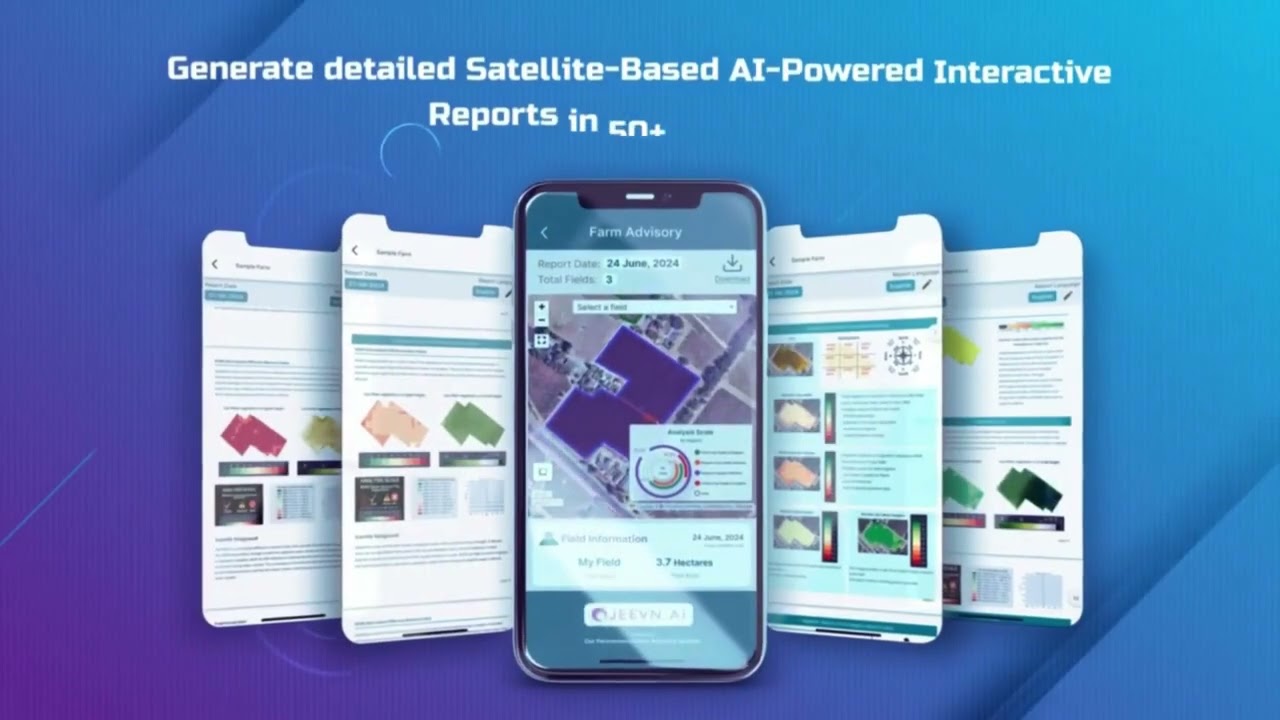
- 🖥️ Leverage AI-based advisory systems (Jeevn AI) for customized, weather-adaptive fertiliser recommendations
- 🔗 Secure supply chain traceability for fertiliser and farm input records using blockchain
- 🎯 Calculate and reduce their farm’s carbon footprint, integrating fertiliser management with sustainability metrics (learn more)
- 💡 Access API and integration tools for seamless fertilisation data flow into corporate or government farm management systems (API access | Developer docs)
Our Android, iOS, and Web platforms put satellite-driven fertiliser management in your pocket. Monitor, analyze, and optimize field health from anywhere with real-time insights.
Learn more about Farmonaut traceability solutions—keeping fertiliser use accountable, legitimate, and transparent—by visiting our product traceability page.
Key Callouts & Highlights
Optimal fertiliser timing now relies on climate-smart data and precision applications, not the “calendar date” or tradition alone.
Start the season with soil testing and customized blends—one size no longer fits all for nutrients or fields.
Using growmore fertiliser as a “fix-all” every season without soil testing can build up salts and result in declining yield and soil health.
The green fertilizer sector, with innovations in green ammonia and digital tools, is attracting impact-focused investors globally.
Local regulations and international standards on nutrient runoff are influencing fertiliser design, certification, and allowed application rates.
Best Practices: Bullet Points & Visual Lists
- 🌱 Choose soil fertiliser blends according to local deficiencies and monitor using satellite/soil tests.
- ⚡ Use agricultural fertiliser with slow or controlled release to maximize nutrient uptake and reduce leaching.
- ✅ Opt for Yara fertiliser or similar enhanced mineral blends for high-value crops and environmental stewardship.
- 🏡 Select pre turf fertiliser and lawn solutions fertiliser tailored to turf species/climate; favor organic, low-runoff options for urban use.
- 🌐 Integrate digital tools and traceability platforms for auditing, compliance, and sustainability reporting (like Farmonaut’s carbon monitoring tools).
✅ Visual List: Core Metrics to Track in 2026
- 📊 Yield per hectare
- 🌎 Soil health scores (organic matter, pH, biology)
- 📉 Nutrient runoff events recorded and mitigated
- ⏲️ Timing & frequency of fertiliser application
- 🥕 Crop quality and traceability from field to fork
Access Farmonaut’s fleet management platform here for scheduling, logistics, and resource allocation in fertiliser-heavy operations.
Farmonaut App & API Access

Try on Web

Android App

iOS App
API users: Integrate advanced fertiliser and environmental insights into your own farm management software or B2B solutions using our secure API endpoints and developer documentation.
Need smart advice for forest plantations or perennial crops? Start with Farmonaut’s satellite-based plantation advisory tools.
Frequently Asked Questions (FAQ)
Soil fertiliser refers broadly to any material added to improve overall soil fertility, including blends phased for both micro and macro nutrients. Agricultural fertiliser is tailored to specific crop needs and often incorporates advanced formulations for commercial farming. Growmore fertiliser is a general-purpose, balanced N-P-K fertiliser suitable for multiple contexts but not crop- or situation-specific.
Depending on your local soil condition, a balanced growmore fertiliser may suffice; however, for optimal yields and sustainability, soil testing and tailored agricultural fertiliser blends (possibly including micronutrients) are recommended.
Digital tools including satellite monitoring (like Farmonaut), precision application equipment, and AI-based advisory systems—maximize fertilizer efficiency and minimize both under- and over-application.
Over-application or improper timing can cause runoff, water pollution, and excess greenhouse gas emissions. Modern formulations, controlled-release products, and digital monitoring greatly reduce these risks.
The best outcomes usually combine organic amendments for soil biology and structure, mineral fertilizer for precise correction of deficiencies, and technology for application timing and rate—there’s no one-size-fits-all answer.
Conclusion
In 2026 and beyond, the role of soil fertiliser, agricultural fertiliser, Yara fertiliser, pre turf fertiliser, lawn solutions fertiliser, and growmore fertiliser remains central to meeting global food demand, tackling soil health, and supporting sustainable farming. The future of fertilization in agriculture, turf, and landscaping is defined by innovation—embracing precise, data-driven tools and eco-responsible products. Our collective approach must integrate best practices, digital monitoring, and ongoing education to deliver not just higher yields, but healthier soils, cleaner water, and resilient ecosystems for generations to come.
Action Step: Start using digital monitoring tools like Farmonaut to maximize the productivity and sustainability of your soil fertiliser practices today.

 Godrej Agrovet
 Hayleys Agriculture
 Linx Agritech
 Adinet
 Save Your Soils
 GalaxEye Space
 Grandstream Algérie
 XOS Realty
 Geospatial Lab Africa
 Agro La Gándara
 HIPSAC
 ZOL Zimbabwe
 Juligerm
 AdBio
AdBio MISE Maroc
 NWNS
NWNS Red August Group
 Farm Inc
 WeMe Global
 Agrotoken
 Blue BearX
 Insignito
 DnCubed
 Indosistim Teknologi
 Liquify Digital
 CU Foods
 BeyondTech Global
 Rouge VC
 AgroRisk
 Oath Inc
 Esri North East Africa
 MDCV UK
 Etech Consulting Madagascar
 Vestlandsforsking
 WB Dev
 Sama Premium
 Tres Valles
 Blickwinkel
 Agricultural Credit Policy Council
 eKGIS
eKGIS Mostas Tech
 Andex
Andex Deluxe Conseil
 WICO
WICO Chimera Innovation
 SkyHarvest
 Teledarbas
 Exurbia Geospatial
 FieldZero
