

Where Do Black Aphids Come From? Top 7 Control Tips
“A single black aphid can produce up to 80 offspring in just one week, rapidly infesting crops.”
Table of Contents
- Introduction: The Threat of Black Aphids
- Origin and Distribution: Where Do Black Aphids Come From?
- Common Black Aphid Species in Agriculture & Forestry
- Life Cycle and Behavior of Black Aphids
- Aphids Damage to Crops and Plants
- Aphid Infestation Symptoms: How to Spot the Signs
- Top 7 Black Aphid Control Tips: Strategies for Agriculture
- Comparison Table of Black Aphid Control Methods
- How Farmonaut Empowers Aphid Control in Agriculture
- Frequently Asked Questions (FAQ)
- Conclusion: Boosting Yields & Protecting Crops
Introduction: The Threat of Black Aphids
Black aphids are among the most persistent and destructive insects threatening modern agriculture. These tiny, sap-sucking pests cause significant damage to plants, from staple crops like cotton, beans, and sugar beet, to fruit trees and forest species. With their rapid reproduction and varied behavior, black aphids can devastate yields—sometimes within weeks—by directly harming leaves and growth, excreting sticky honeydew, and (perhaps most alarmingly) acting as efficient vectors for viruses that stunt and kill vital crops.
Understanding the origin, distribution, spread, and management of black aphids—in both temperate zones and tropical regions—is critical for every grower, forester, and agricultural professional concerned with mitigating the impact of these pests.

Origin and Distribution: Where Do Black Aphids Come From?
Aphids, including several black aphid species, have a vast distribution—nearly worldwide. Their greatest diversity is found in temperate zones, though many are common in tropical regions too.
How do black aphids reach new areas?
- Passive dispersal by wind: Many black aphid species produce winged generations—capable of ascending up to 600 meters, where they’re easily transported by strong winds over long distances. Example: The currant-lettuce aphid, Nasonovia ribisnigri, is thought to have traveled from New Zealand to Tasmania.
- Human spread: The movement of infested plant materials (crops, ornamentals, nursery stock) plays a major role in the near cosmopolitan reach of some black aphids.
What does this mean for farmers and growers? Aphids may appear suddenly in settings far from their initial origin because their distribution is not restricted by local movement alone—they can migrate or be introduced accidentally almost anywhere suitable plants grow.
Read more about worldwide aphid dispersal →
Common Black Aphid Species in Agriculture & Forestry
Let’s look at three of the most problematic black aphid species affecting crop and forest productivity across continents:
1. Black Bean Aphid (Aphis fabae)
- Primary pest in sugar beet, bean, and celery production.
- High population causes stunted growth, twisted leaves, reduced yields.
- Important vector for about 30 different plant viruses.
- Further reading →
2. Cowpea Aphid (Aphis craccivora)
- Extremely widespread—feeds on many bean crops, cotton, legumes, weeds.
- Injects toxic saliva, leading to severe stunting and sometimes plant death.
- Leaves and surfaces soon coated in sticky honeydew, encouraging sooty mold fungi (fungi).
- Details on cowpea aphid control →
3. Cotton Aphid (Aphis gossypii)
- A primary pest in cotton cultivation across temperate to tropical regions.
- Can infest cucurbits and ornamentals as well as food crops.
- Transmits over 50 different viruses, such as cucumber mosaic virus.
- More on cotton aphid management →

Life Cycle and Behavior of Black Aphids
The life cycles of black aphids make aphid control in agriculture a persistent challenge. Here’s why:
- Rapid reproduction: Most black aphids reproduce both sexually and asexually (parthenogenesis). Under favorable conditions, females can produce many offspring (nymphs) without mating, causing populations to surge.
- Complex seasonal cycles: They often overwinter as eggs, with multiple parthenogenetic generations each crop season.
- Migration & spread: Some generations develop winged forms, which fly and are passively transported by winds over long distances, colonizing new host plants.
- Behavioral adaptation: Black aphids can switch host plants throughout the year, following the availability and growth of crops and weeds, which complicates management.
The result: Without integrated management, small initial infestations can rapidly become severe, especially in temperate and tropical regions where host plants are abundant.

Aphids Damage to Crops and Plants: Pathways & Impact
Black aphids cause damage to crops, plants, and trees in several compounding ways:
-
Direct feeding: They use syringe-like mouthparts to tap into plant sap, depriving leaves, shoots, and growth points of critical nutrients. Outcomes:
- Stunted growth and shriveled plants
- Twisted, distorted leaves
- Reduction in crop yield and productivity
- Youthful foliage becomes yellow or misshapen
- Honeydew excretion: As they feed, black aphids secrete sticky honeydew, creating ideal conditions for sooty mold fungi—discoloring surfaces, decreasing photosynthesis, and making produce less marketable.
- Viruses: Black aphids are efficient plant virus vectors. They acquire and spread dozens of viruses (like potato virus Y, cucumber mosaic, bean common mosaic) in a matter of minutes, enabling rapid virus transmission throughout farms and fields.
- Secondary damage: Heavy infestations weaken plant defenses, exposing them to opportunistic pathogens and fungi.
Did you know?
“Effective aphid control can increase crop yields by up to 30%, highlighting the importance of timely management.”
Quick Example: Black bean aphid populations in field-grown celery can cause up to 50% yield reduction if infestations go unchecked, both from direct feeding and secondary virus transmission.
Aphid Infestation Symptoms: How to Spot the Signs
Recognizing aphid infestation symptoms early in agricultural settings is key for timely control. Look for:
- Sticky honeydew on surfaces of leaves, stems, or fruit
- Presence of sooty mold fungi (black growth on plant parts)
- Yellow, wrinkled, or deformed leaves
- Stunted or distorted new shoots
- Visible clusters of small, soft-bodied black insects (adults and nymphs)
- Cast skins (translucent exoskeletons) on stems or surfaces
- Mottled or streaked patterns (possible virus infection)
Tip: Early, routine monitoring—especially during periods of active plant growth—can help detect and reduce aphid outbreaks before they escalate.
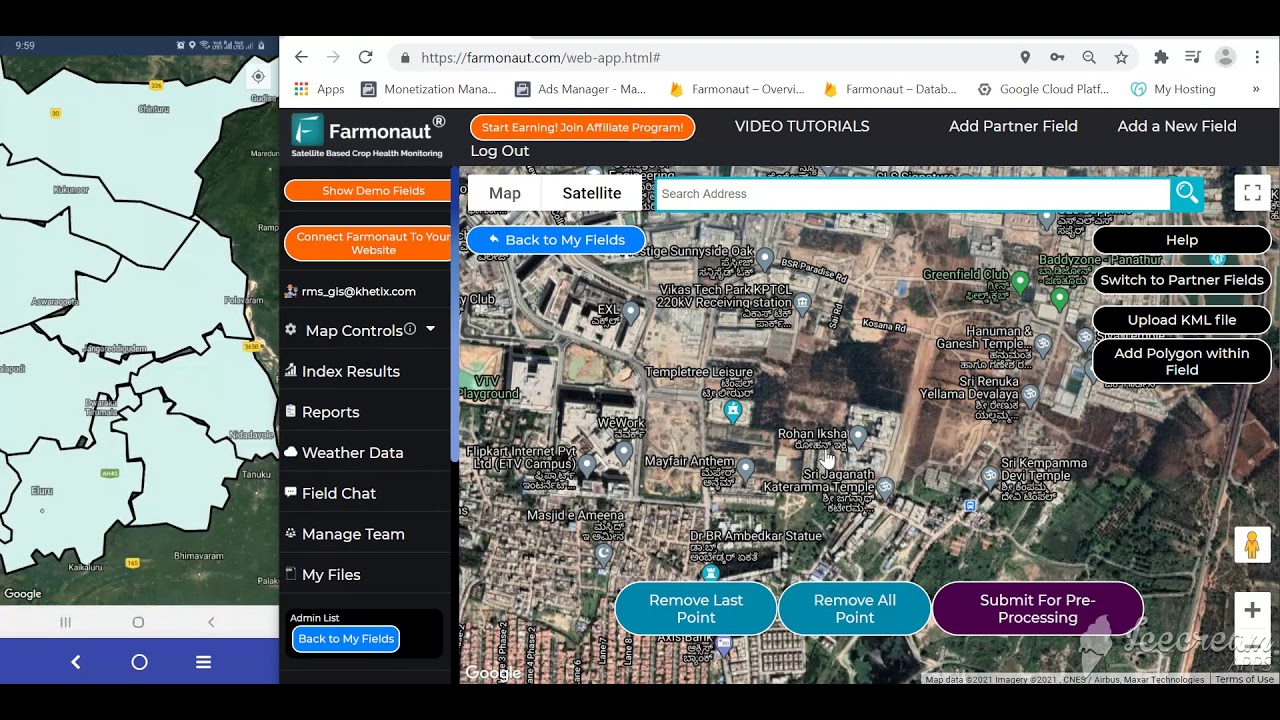
For advanced, real-time detection and assessment of aphid threats, Farmonaut’s large-scale farm management solutions can empower users to remotely monitor field health, spot hotspots of infestation, and optimize timely pest interventions—ultimately protecting crop yields and revenue.
Top 7 Black Aphid Control Tips: Strategies for Agriculture
To effectively tackle the impact of aphids on crop yields and avoid rapid population surges, an integrated pest management (IPM) approach is crucial. Here are the top seven black aphid management strategies for farming, forestry, and home gardens:
-
Cultural Control: Disrupt Aphid Life Cycles
- Crop rotation: Alternate between unrelated crops to interrupt aphid life cycles and deprive pests of their preferred hosts.
- Prune or remove infested plant material: Destroy heavily infested stems and leaves quickly to reduce aphid populations before they multiply further.
- Weed management: Weeds often act as reservoirs for black aphids (Aphis craccivora, for example). Regularly remove weeds from agricultural settings and surrounding ditches.
- Balanced irrigation: Keep plants healthy with proper water management, making them less susceptible to aphids damage to crops.
-
Biological Control: Boost Beneficial Insects & Fungi
- Encourage natural predators: Grow flowers (dill, fennel, yarrow, marigold) along field borders to attract ladybugs, lacewings, and hoverflies. These beneficial insects devour black aphid populations.
- Release beneficial insects: Introduce commercially raised ladybugs or lacewings as an immediate biological control of aphids during outbreaks.
- Employ entomopathogenic fungi: Use natural fungi such as Beauveria bassiana or Verticillium lecanii, which penetrate the aphid’s body and kill it from within. This is one of the safest natural ways to control aphids, especially in organic systems.
Learn more: Farmonaut’s Crop Plantation & Forest Advisory provides region-adapted IPM tips.
-
Physical & Mechanical Control: Remove Aphids Manually
- Water sprays: For small plots, forcefully spraying plants with a jet of water can dislodge aphids from surfaces and wash away honeydew.
- Hand-removal: Remove heavily infested leaves (safely dispose away from crops).
- Reflective mulches: Use silver or aluminum foil as mulch to repel winged aphids and decrease infestations in early growth stages.
-
Chemical Control: Use Targeted Aphid Pesticides Carefully
- Insecticidal soaps: Fatty acid-based soaps are effective against soft-bodied black aphids, while causing minimal harm to most natural predators.
- Neem oil: A natural pesticide safe for organic production; it interferes with aphid feeding and reproduction.
- Synthetic insecticides: Use only as a last resort and always rotate active ingredients to avoid resistance. Choose products with the lowest environmental impact and always follow label instructions.
For digital monitoring and pesticide usage analytics, Farmonaut offers carbon footprinting tools to help optimize agrochemical inputs for sustainability.
-
Integrated Pest Management for Aphids: Precision & Timing
- Frequent scouting: Monitor fields at least weekly during periods of plant growth. Use Farmonaut’s high-resolution satellite-based crop health imagery for large areas or hard-to-reach zones, identifying hotspots of aphid infestations and optimizing intervention timing.
- Threshold-based interventions: Only intervene when populations surpass actionable thresholds (e.g., 5–10 aphids per leaf for young vegetable plants).
- Rotate management strategies: Avoid relying on a single control tactic. Combine cultural, mechanical, biological, and chemical controls.
-
Utilize Digital & Data-Driven Decision Tools
- Farmonaut’s Jeevn AI Advisory System delivers real-time, satellite-driven insights and personalized IPM (Integrated Pest Management) recommendations for targeted aphid control.
- AI and remote sensing enable proactive resource allocation, water management, and early outbreak warnings—preventing stunting and supporting yield resilience.
- Farms and agribusinesses handling multiple fields or regions benefit from fleet management tools to coordinate timely pest scouting and intervention logistics.
- To ensure the authenticity and transparency of supply chains affected by virus-prone aphid outbreaks, blockchain-based product traceability is available.
-
Promote Overall Plant Health & Soil Management
- Balanced fertilization: Avoid over-fertilizing with nitrogen, as lush, succulent growth attracts more black aphids.
- Healthy soil biota: Soils rich in beneficial microbes and with optimal moisture help plants recover faster from aphid feeding and viral infections.
Farmonaut’s crop and forest plantation monitoring offers holistic advice for managing plant health and soil resources.
How to Get Rid of Aphids on Plants: Key Takeaways
- Use a combination of natural ways to control aphids (biological, cultural, and physical)
- Apply chemical interventions judiciously and according to IPM principles
- Leverage digital monitoring tools for early warning and optimal timing
Comparison Table of Black Aphid Control Methods
| Control Method | Effectiveness (% yield protection) |
Cost (Low/Medium/High) |
Environmental Impact | Applicability | Pros | Cons |
|---|---|---|---|---|---|---|
| Cultural (Crop Rotation, Pruning, Weed Control) | 15–30% | Low | Low | All farm sizes; especially field crops | Disrupts aphid cycles; low cost; preventative | Labor-intensive; slow results if infestation is high |
| Biological (Natural Predators, Entomopathogenic Fungi) | 20–40% | Medium | Very Low | Organic/low-input farms, greenhouses | Safe for environment and non-targets | Requires maintenance; may be slow; effectiveness varies by region |
| Chemical (Insecticidal Soaps, Neem Oil, Synthetics) | 40–90% | Low–High (varies) | Moderate–High | Large-scale, high-value crops | Quick knockdown; scalable | Resistance risks; non-target impacts |
| Mechanical/Physical (Jets, Removal, Reflective Mulch) | 10–25% | Low–Medium | Low | Small plots, gardens, greenhouses | Immediate results; chemical-free | Labor-intensive; impractical for large farms |
| Digital Monitoring (Remote Sensing, AI Advisories) | Up to 30% (Synergistic with others) | Low–Medium | Very Low | All scales, high-tech/precision ops | Enables early warning & precision action | Requires internet; initial setup investment |
Note: These effectiveness estimates are typical but will vary by region, crop stage, and aphid pressure. Maximum protection is achieved by integrating methods—especially regular monitoring and threshold-based intervention.
How Farmonaut Empowers Aphid Control in Agriculture
At Farmonaut, we understand the challenge of protecting crops and productivity from rapidly spreading black aphids across different regions and settings. Our suite of satellite-powered tools, AI-driven advisories, and blockchain-backed systems is designed to help growers and agribusinesses implement integrated pest management for aphids more efficiently and affordably.
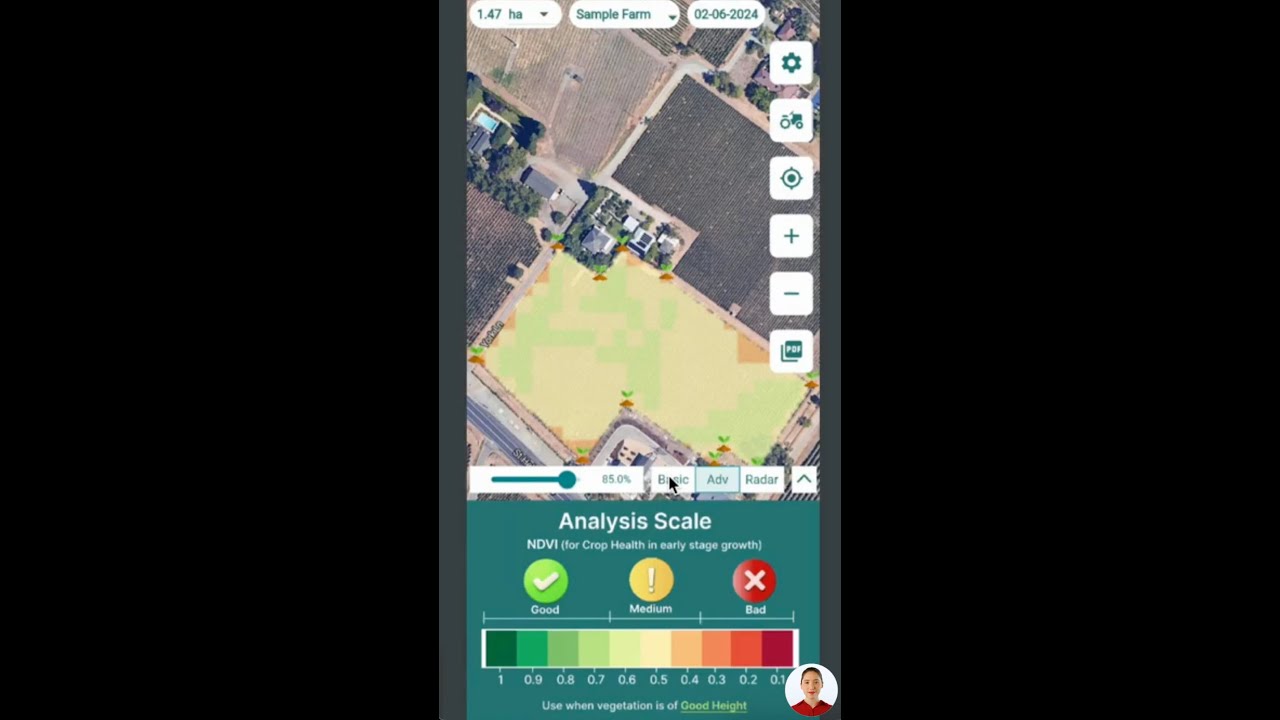
- Satellite-Based Crop Health Monitoring: Our platform uses NDVI and other multispectral indices to detect early warning signs of aphid damage (stunted growth, yellowing, uneven vigor) across vast fields—helping you respond faster and minimize yields loss.
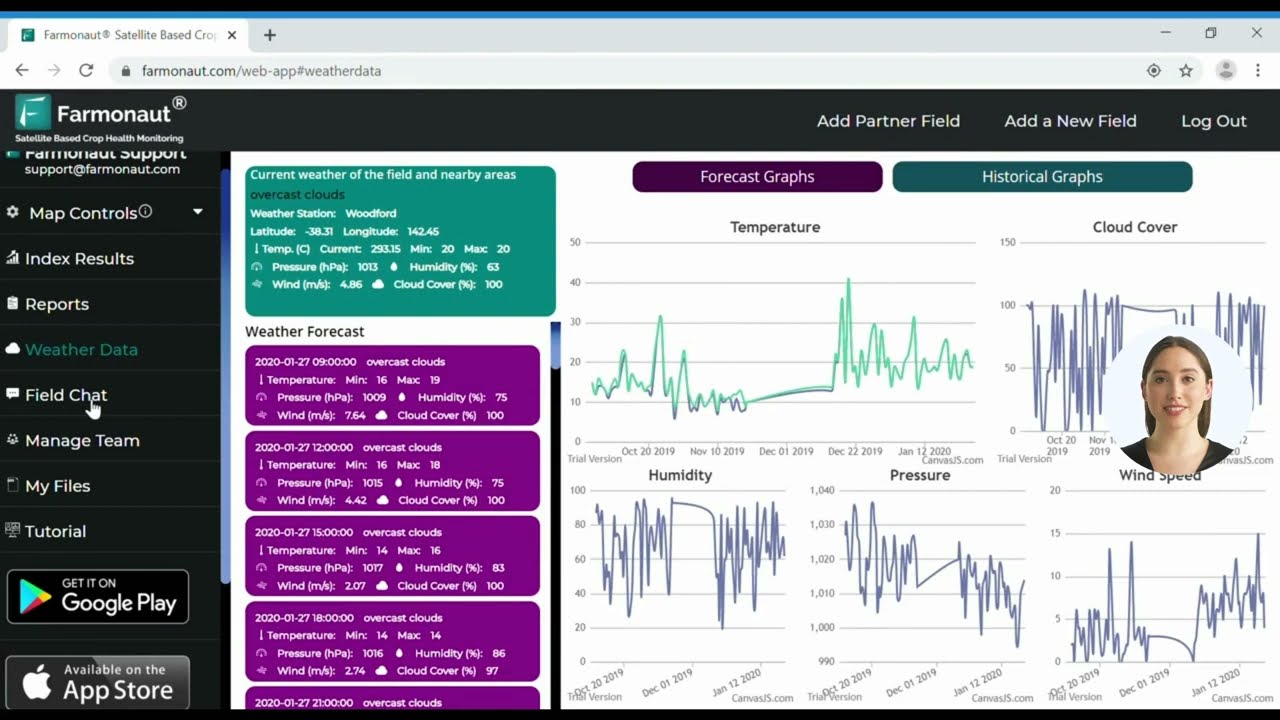
- Jeevn AI Advisory System: Delivers actionable, location-specific aphid management strategies based on real-time imagery and weather/soil parameters. Stop outbreaks before they accelerate.
- Blockchain Transparency: For agribusinesses and supply chain managers worried about losses from virus outbreaks, our traceability tools allow for product authentication and can isolate batches or regions at risk.
- Fleet & Resource Management: Coordinate timely monitoring and field interventions across multiple farms or regions, improving both efficiency and cost-effectiveness.
- Carbon Footprinting: By tracking agrochemical use and supporting precision pesticide strategies, we help clients reduce their ecological impact and comply with sustainability/ESG requirements.
- Flexible & Scalable: Whether you are an individual farmer, cooperative, or enterprise-level operation, our platform adapts to your scale, budget, and management goals.
Ready to harness the power of precision agriculture for superior black aphid management? Try Farmonaut for yourself—Download our web, Android, or iOS app to start monitoring, optimizing, and increasing your crop yields.



API Access | API Developer Docs
Frequently Asked Questions (FAQ)
Where do black aphids come from, and how do they invade new crops?
Black aphids have a nearly worldwide distribution. They originate in temperate zones but are also prevalent in tropical regions. They invade new crops by producing winged forms that can be transported by winds over hundreds of kilometers, and through the human movement of infested materials.
What is the main risk of unchecked aphid populations?
Uncontrolled black aphid populations cause severe crop damage—including stunted growth, yellow leaves, and twisted shoots—but may also transmit viruses, leading to catastrophic yields loss and the spread of plant diseases.
How quickly can black aphid infestations build up?
Extremely quickly—a single black aphid can produce up to 80 offspring in one week due to rapid asexual reproduction, causing explosive infestations if not monitored and managed early.
Are chemical sprays safe for natural predators?
Some chemical sprays, such as insecticidal soaps and neem oil, are safer for beneficial insects than broad-spectrum synthetic pesticides. Always follow integrated pest management principles and rotate application methods.
What are “natural ways to control aphids”?
These include encouraging beneficial insects (ladybugs, lacewings), using entomopathogenic fungi (such as Beauveria), practicing crop rotation, weeding, and avoiding excess nitrogen fertilization.
How does Farmonaut’s solution help with black aphid management?
We empower farmers with satellite-based crop health monitoring, AI-driven field advisories, and resource management so you can pinpoint aphid outbreaks, respond before yields are lost, and optimize inputs sustainably.
Conclusion: Boosting Yields & Protecting Crops from Black Aphids
Black aphids are formidable pests—capable of rapidly infesting plants, causing stunted growth, sticky honeydew, sooty mold, and deadly virus transmission. Their global distribution, aided by winds and the trade of infested materials, means nearly all farmers and foresters may encounter their impact.
However, by understanding their origin, biology, and key behavior—and by implementing the top 7 control tips outlined above—growers can reduce aphid populations, preserve yields, sustain productivity, and prolong the health of crops and trees season after season.
For every step of the way, from real-time infestation detection to supply chain transparency after a virus-prone outbreak, Farmonaut’s digital solutions make precision agriculture accessible, actionable, and affordable.
Never let black aphid damage threaten your harvest again—leverage the power of Farmonaut’s crop management platform and fight back with data, precision, and integrated strategy!
Interested in traceable, sustainable, and resilient farm operations after pest outbreaks? Explore Farmonaut’s blockchain traceability for growers and agribusinesses.

 Mera Farmhouse
 GalaxEye Space
 Sun Palm Australia
 Grandstream Algérie
 XOS Realty
 Geospatial Lab Africa
 Agro La Gándara
 HIPSAC
 ZOL Zimbabwe
 Juligerm
 AdBio
AdBio MISE Maroc
 NWNS
NWNS Red August Group
 Farm Inc
 WeMe Global
 Agrotoken
 Blue BearX
 Insignito
 DnCubed
