

Neem Oil Pesticide & Drone Use: 7 Powerful Benefits for 2026
Meta Description: Explore how neem oil pesticide and drone technology synergize tradition with innovation for efficient, sustainable, and safe pest and disease control in agriculture by 2026.
“By 2026, neem oil-based pesticides are projected to reduce harmful chemical use in Indian farms by up to 45%.”
Table of Contents
- 1. Introduction: A New Era in Sustainable Pest Control
- 2. What Is Neem Oil? The Traditional Powerhouse
- 3. The Science Behind Neem Oil Pesticide, Insecticide, and Fungicide
- 4. Garden Safe Neem Oil: Key Advantages for Modern Farming
- 5. The Rise of Pesticide Drones: Precision Spraying in 2026
- 6. Synergy: Integrating Neem Oil and Drones for Next-Level Pest Management
- 7. Comparative Benefits Table: Manual, Chemical, and Drone Methods
- 8. 7 Powerful Benefits of Neem Oil Pesticide & Drone Use for 2026
- 9. Farmonaut’s Role: Satellite-Driven Solutions for Smart, Sustainable Pest Management
- 10. Key Insights, Pro Tips, and Common Mistakes
- 11. Frequently Asked Questions (FAQ)
- 12. Conclusion: Tradition Meets Technology for a Safer Agricultural Future
Introduction: A New Era in Sustainable Pest Control
In 2026, the world of agriculture is experiencing a pivotal shift—one that merges traditional solutions with cutting-edge technology. The synergy of neem oil pesticide and pesticide drones is redefining how farmers and large operations approach pest control, disease management, and crop protection. This transformation is not only enhancing yield and efficiency but is also emphasizing sustainability, environmental safety, and organic food production. The core idea is simple: harness the well-documented, garden safe neem oil with the precision and scalability of drones for a new gold standard in farming.
The focus on neem oil insecticide, neem oil fungicide, and the deployment of smart pesticide drones is more than a fleeting trend—it’s a fundamentally better way to protect our food, soils, and future. In this comprehensive guide, we’ll detail the science, application methods, benefits, and latest advancements—anchored by the most relevant, practical, and 2026-ready solutions.
What Is Neem Oil? The Traditional Powerhouse
Neem oil, derived from the seeds of the neem tree (Azadirachta indica), has been the backbone of natural pest and disease management in South Asia for centuries. It’s a multi-use, multidisciplinary organic solution used for everything from agricultural pest control to household remedies.
- 🌳 Source: Extracted from Azadirachta indica, a tree native to India and parts of Southeast Asia
- 🛡️ Properties: Contains a range of bioactive compounds—primarily azadirachtin, nimbin, and salannin
- ✔️ Traditional Use: Used by farmers for natural pest, insect, and fungal control
- 💚 Sustainability: Completely biodegradable and promotes healthier ecosystems
- 👨🌾 Modern Farming: Now a cornerstone of IPM (Integrated Pest Management) programs worldwide
The rising demand for organic farming and natural food production has drawn global attention to neem oil’s efficacy as a reliable, garden safe pesticide for both large and home-based operations.

The Science Behind Neem Oil Pesticide, Insecticide, and Fungicide
Why is neem oil pesticide so effective, and how does it work as a combined insecticide and fungicide? The answer lies in its rich composition of naturally occurring chemicals and its targeted effects on pests and pathogens.
Key Compounds and Their Functions
- 🔬 Azadirachtin: Disrupts the hormonal systems of insects, preventing molting, feeding, and reproduction
- 🦠 Nimbin & Salannin: Inhibit fungal spore germination and suppress pest attraction
Together, these bioactive compounds provide a multifaceted pesticidal effect without causing harm to beneficial insects (like bees), animals, or humans. They degrade quickly in the field, meaning no harmful residues and little disruption to soil microfauna.
Spectrum of Activity
- 🐛 Insects Controlled: Aphids, whiteflies, caterpillars, mites, beetles, grasshoppers, and more
- 🍄 Fungal Pathogens Controlled: Powdery mildew, rust, blight, anthracnose
Importantly, neem insecticide works through multiple mechanisms—deterring feeding, disrupting reproduction, and directly killing pest larvae—making resistance far less likely compared to single-action chemical pesticides.
Garden Safe Neem Oil: Key Advantages for Modern Farming
The movement toward garden safe neem oil isn’t just about safety for people—it’s about creating a healthier, more sustainable agricultural sector at every scale:
- 🟢 Non-Toxic Application: When applied correctly, neem oil is completely safe for humans, pets, and pollinators.
- 🌱 Biodegradable Profile: Breaks down naturally, leaving no toxic residues behind.
- 🌊 Soil & Water Protection: Does not leach harmful substances into groundwater or disrupt soil microbiomes like many synthetic options.
- 🦋 Selective Management: Targets pests and pathogens without harming beneficial insects and organisms.
- 🍽️ Food Safety: Suits organic certification programs and is increasingly desired by health-conscious consumers.
- 📈 Prioritizing Sustainability: Promotes biodiversity and healthy ecosystems by working with nature instead of against it.
The real challenge for farmers and large operations has historically been scale and precision—applying neem oil solutions efficiently and uniformly. Enter pesticide drones in 2026.

The Rise of Pesticide Drones: Precision Spraying in 2026
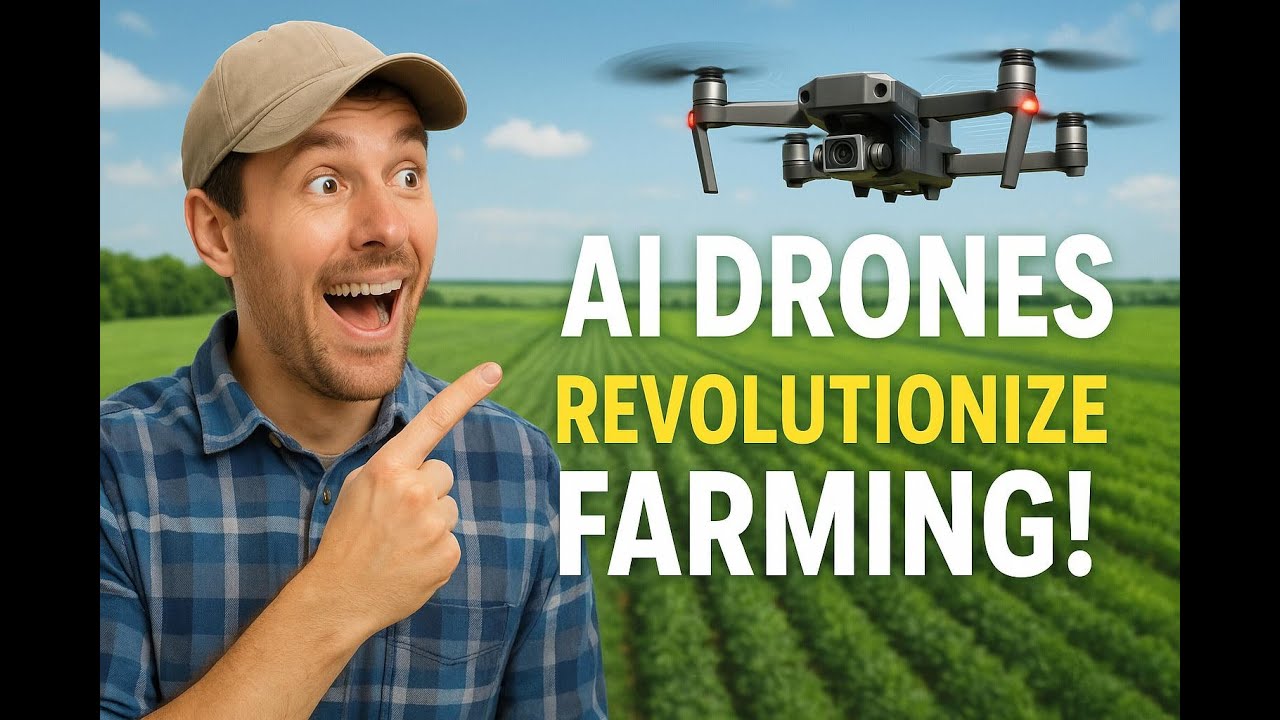
The last few years have seen significant advancements in pesticide drone technology. Today, smart drones equipped with GPS, precision nozzles, and AI-based guidance enable ultra-efficient, accurate spraying of neem oil pesticide over both small farms and massive commercial fields—with minimal human labor.
- 🚁 Coverage: Rapidly and evenly cover large, uneven, or hard-to-reach agricultural areas
- 🎯 Control: Pinpoint specific pest-infested zones using satellite and sensor data
- ⏱️ Timing: Apply treatments exactly when pests or fungal outbreaks begin—maximizing impact
- 🩺 Safety: Reduces farmers’ direct exposure to any form of pesticide during application
- 💸 Efficiency: Lowers application costs and reduces chemical waste compared to manual methods
With precision agriculture becoming the gold standard, the integration of traditional solutions with modern technology is setting new benchmarks in food production and environmental management.



Try our Web and Mobile Apps to access satellite monitoring, AI-powered advice, and more for smart, sustainable pest management.

Synergy: Integrating Neem Oil and Drones for Next-Level Pest Management
What happens when we combine two of the most promising developments in pest control—neem oil pesticide (a traditional solution) and pesticide drones (modern technology)? We unlock a suite of benefits that neither could deliver alone.
- 💡 Enhanced Efficacy: Uniform application ensures that every plant receives the correct dose of neem oil insecticide and fungicide.
- 🌍 Sustainability Leadership: Reduces dependency on synthetic chemical pesticides, promoting biodegradability, soil health, and ecosystem balance.
- 👁️ Smarter Use of Resources: GPS-guided drones minimize waste and target only problem spots—saving neem oil, water, and energy.
- 🏆 Garden Safe Certification: Combination is recognized and increasingly preferred under organic certification programs.
- 🧑🌾 Labor Efficiency: Allows skilled workers to focus on high-impact tasks, reducing repetitive manual spraying labor.
By 2026, this synergy is set to redefine pest control standards across the agricultural sector, with leading-edge farms embracing both neem oil pesticide solutions and pesticide drone methods for superior results.
“Organic neem oil treatments can increase crop yield by 20% compared to conventional chemical pesticides.”

Comparative Benefits Table: Manual, Chemical, and Drone Methods
| Pest Control Method | Estimated Efficacy (% Pest Reduction) |
Environmental Impact Rating | Cost (Estimated per Acre, ₹) | Safety (Risk Level) | Organic Certification Compatibility |
|---|---|---|---|---|---|
| Conventional Chemical Pesticides | 70-85% | ★★☆☆☆ (Moderate-High Harm) | ₹700-₹1200 | ⚠️ High (Toxic, exposure risk) | ❌ Not compatible |
| Manual Neem Oil Application | 65-80% | ★★★★☆ (Low Harm) | ₹900-₹1600 (Labor intensive) |
🟢 Low (Garden safe) | ✅ Compatible |
| Drone-Enabled Neem Oil Application | 85-92% | ★★★★★ (Minimal Harm) | ₹600-₹950 (Low labor) |
🟢 Lowest (No direct exposure) | ✅ Certified & preferred |

7 Powerful Benefits of Neem Oil Pesticide & Drone Use for 2026
- Eco-Friendly & Sustainable Solution
- 🌱 Biodegradable—breaks down naturally, supporting healthier ecosystems
- 🌾 Promotes biodiversity in fields and surrounding habitats
- Lower Chemical Load—Healthier Food and Soil
- 🍽️ Reduces toxic residues on food crops and in soils
- 💧 Prevents groundwater contamination
- Enhanced Pest and Disease Control
- 🐛 Controls a wide range of insects and fungal pathogens
- 🎯 Precision drone spraying helps hit infestation “hot-spots” quickly
- Labor and Operational Efficiency
- 🤖 Drones do the heavy lifting—reducing manual labor and human exposure
- Decreased Risk of Pest Resistance
- 🔄 Multi-mechanism neem oil action makes resistance development rare
- Organic Certification & Consumer Preference
- 🟢 Increasing consumer demand for “garden safe,” organic produce
- 💵 Premium prices for certified organic crops
- Scalable for All Operations
- 👩🌾 Useful for small gardens to large commercial farms
- 🏞️ Adapts to home, forestry, and even mining rehabilitation sites
🌟 Visual List: Top 5 Ways Neem Oil Drones Change Pest Control
- 🚁 Fast Coverage: Treats large fields in hours, not days
- 🎯 Spot Treatment: Targets only affected zones (reducing wasted input)
- 🪁 Difficult Terrains: Navigates hills, wetlands, and dense crops with ease
- 💧 Droplet Optimization: Adjusts spray size for best absorption and least drift
- ⏱️ Rapid Response: Deployed as soon as pests or disease signs appear

Farmonaut’s Role: Satellite-Driven Solutions for Smart, Sustainable Pest Management
We at Farmonaut are passionate about combining the wisdom of traditional neem oil pesticide use with modern technology. Our mission is to enable businesses, farmers, and governments to leverage satellite technology for smarter, safer, and more sustainable pest control.
- 📡 Satellite Monitoring & NDVI: Monitor crop health and identify pest stress areas precisely with our app, enabling timely neem oil application via drone.
- 🤖 AI Advisory with Jeevn: Receive custom, real-time recommendations (like when & where to spray) for best efficacy and resource use.
- ⛓️ Blockchain Traceability: Track the full journey of your organic produce from farm to table, building consumer trust and transparency.
- 🛡️ Environmental Impact Tracking: Monitor and reduce your carbon footprint and chemical load—be at the forefront of sustainable certification.
- 🚜 Fleet & Resource Management: Optimize drone and equipment usage to boost efficiency and cost-savings on pesticide/weed management tasks.
Our comprehensive large-scale farm management platform integrates all these solutions for modern organic farming, pest and disease intelligence, traceability, and regulatory compliance.
For developers, our API and developer docs allow you to embed satellite-powered pest and crop health insights directly within your own tools and smart agriculture robotics.

Get affordable, scalable satellite-driven farm insights with Farmonaut’s subscription plans:
Key Insight
Integrating drone technology with neem oil insecticide drastically improves the uniformity and speed of pest treatments, reducing chemical use and maximizing crop yield.
Pro Tip
Apply neem oil pesticide with drones during early pest infestation and cool evening hours to minimize evaporation and improve efficacy.
Common Mistake
Overuse or improper mixing of neem oil formulations may cause phytotoxicity. Follow recommended rates and drone calibration for safe, effective application.
Investor Note
The global market for organic pesticides and smart drone applications is forecast to surpass $7.5 billion by 2026, driven by demand for sustainable, traceable food production.
Compliance Alert
Document your eco-friendly pest control with blockchain traceability solutions to meet organic certification and regulatory audit demands.
✔ Bullet List: What Sets Drone-Based Neem Oil Pest Control Apart?
- ✔ Minimized Chemical Runoff: Less wastage, no waterway contamination
- 📊 Data-Driven Spraying: Guided by real-time satellite and field data
- ⚠ Lower Risk of Human Error: Automated, calibrated application every time
- 🚀 Rapid Response to Outbreaks: Mobilize drones quickly as soon as pests are detected
- 🎫 Qualifies for Eco-Labeling: Meets or exceeds organic and environmental standards
📋 Visual List: Essential Steps for Effective Drone Neem Oil Application
- 🔍 Scout Fields: Use satellite or field data to identify problem areas
- 🛠️ Calibrate Drones: Set nozzle type, droplet size, and application rate
- 🌡️ Check Weather: Ensure calm, cool conditions for best results
- 🥤 Mix Properly: Dilute neem oil insecticide according to label & expert recommendations
- ⚡ Monitor Results: Use NDVI and crop health data to reassess and optimize future sprays
Frequently Asked Questions (FAQ)
-
What is neem oil pesticide, and is it safe for humans and pets?
Neem oil pesticide is a natural extract from the neem tree seeds, used as an insecticide and fungicide for agriculture. Applied correctly, it is garden safe for humans, pets, and pollinators because it degrades quickly and leaves no toxic residue.
-
Can drones apply organic pesticides like neem oil?
Yes, pesticide drones equipped with advanced nozzles and AI guidance are ideal for uniform, rapid, and precise neem oil application. This maximizes the benefits of organic solutions and reduces labor.
-
Does neem oil insecticide harm beneficial insects or soil life?
Unlike broad-spectrum chemical pesticides, neem oil’s bioactive compounds are generally selective—targeting pest species without disrupting beneficial insect populations or soil microbiomes.
-
How can I integrate remote sensing and satellite insights with pest control?
Platforms like Farmonaut offer real-time NDVI, pest stress alerts, and field monitoring, helping you identify when and where to deploy neem oil via drone for best results. Learn more and try our apps!
-
Is drone-based neem oil application certified for organic programs?
Drone application of neem oil is not only compatible but also preferred in many organic certification schemes due to its accuracy, record-keeping, and minimal off-target effects.
-
How does neem oil prevent pest resistance, unlike chemical pesticides?
Neem oil contains multiple active compounds affecting pests at several stages (feeding, growth, reproduction). This multi-site action makes it much harder for pests to develop resistance compared to single-action synthetic chemicals.
Conclusion: Tradition Meets Technology for a Safer Agricultural Future
As we look to 2026 and beyond, the synergy between neem oil pesticide and drone use stands out as the defining solution for truly sustainable pest control. By combining the time-tested power of neem oil insecticide and fungicide with the efficiency and scale of modern pesticide drones, farmers and agri-businesses not only improve crop yields but also ensure healthier food, ecosystems, and communities.
We’re witnessing a pivotal shift—away from high-risk, synthetic chemical pesticides and toward data- and eco-driven solutions that protect biodiversity, soil health, and consumer trust. The use of satellite-driven analytics, blockchain traceability, and precision farming further strengthens regulatory compliance and operational trust.
Whether you’re a small farmer, a large-scale operation, or a policy leader, embracing garden safe neem oil and integrated technology is no longer an option but a necessity. Equip yourself for the future—where tradition meets technology, and sustainability leads to business success.
Explore Farmonaut’s satellite-powered platforms and API to unlock the next level in smart, scalable, and truly sustainable agricultural management:
- Farmonaut Apps – Satellite crop and pest monitoring
- Farmonaut API – Integrate data insights into your own agri-robotics and management systems
- Farmonaut Carbon Footprinting – Monitor and reduce your environmental impact
- Farmonaut Product Traceability – Ensure organic certification and consumer trust
- Farmonaut Fleet Management – Maximize drone resource utilization for pest and disease control
Embrace the sustainable revolution—advance your pest management for 2026 and beyond!
Discussion
Questions, corrections or field experience? Share them below. First-time comments are reviewed before they appear, and your email is never published.
No comments yet. Be the first to add a question or your experience.

 Raketla
 Polaris Digitech
 Teledarbas
 Wild Oak Farm
 SFX
SFX BACF Africa
 Doodlakine
 Exurbia Geospatial
 FieldZero
 Indico Company
 Kubota
 FFBS
FFBS Jontra
 Tucor
Tucor
 Licence holder · Niger · Gold










