

Wood Products Machinery: Sustainable Harvest & 2025 Trends
Introduction: Defining the 2025 Landscape for Wood Products Machinery
As the global economy embraces a future marked by ecological stewardship, the wood products sector stands at the crossroads of profound transformation. In 2025, innovations in wood products machinery, deliberate sustainable harvesting practices, and adaption to environmental, regulatory, and trade trends are re-shaping the way we produce, process, and consume wood. These advancements are central to reducing environmental impact, answering the accelerating demand for sustainable wood products, and offering a reliable supply for construction, furniture, and other vital industries.
The interplay between advanced machinery and sustainability remains integral for timber and wood products manufacturers. Modern technological enhancements—automation, AI analytics, IoT-equipped machines—not only maximize precision and efficiency but also support responsible forestry operations essential in the current decade. As countries increasingly enforce sustainability standards and eco-certifications, wood products machinery developments will increasingly determine sector competitiveness, quality, and long-term viability.
1. The Importance of the Wood Products Sector in 2025
The wood products industry forms the backbone of numerous economic activities, from large-scale construction to intricate furniture manufacturing. As a renewable material, wood is at the center of green building directives, climate-smart strategies, and sustainable consumer trends. The sector supports millions of jobs globally and is vital for both emerging and developed countries.
- Construction: Sustainable wood products are increasingly specified in building codes and green certifications for homes, commercial spaces, and infrastructure projects.
- Furniture: Rising consumer awareness drives a shift toward products verified as sustainably harvested and manufactured.
- Packaging & Pulp: The global push to reduce plastic usage has led to renewed interest in wood-based, compostable packaging materials.
- Energy: Technological advancements allow for cleaner, efficient utilization of wood biomass for energy, further solidifying its role in global sustainability initiatives.
The sector’s evolution in 2025 is underpinned by the adoption of advanced wood products machinery and sustainable forestry practices—both critical for aligning with international regulations, market trends, and climate goals.

2. Innovations in Wood Products Machinery & Technology Trends
Modern wood products machinery has undergone significant technological enhancements, driven by the need for operational efficiency, environmental consciousness, and regulatory compliance. The integration of advanced technology is creating transformative effects across every stage of wood product manufacturing.
Key Advances in 2025:
- Automation & Robotics: Highly automated sawmills, sorting lines, and finishing machines reduce labor costs and ensure consistent product quality. Sensors and AI-powered robotics optimize cutting, shaping, and packaging, minimizing waste in the process.
- IoT (Internet of Things): Sensors in wood products machinery monitor real-time conditions, providing actionable analytics for preventive maintenance and production optimization.
- CNC (Computerized Numerical Control): CNC advancements allow for ultra-precise cutting, carving, and assembly, resulting in less material loss and higher output quality. These machines are programmable for custom designs, enabling on-demand, efficient production that reduces inventory waste.
- AI-driven Analytics: Machine learning models forecast maintenance needs, track raw material usage, and enable real-time quality control, greatly reducing downtime and enhancing throughput.
- Portable & Energy-efficient Harvesters: Modern harvesters with lightweight designs, hybrid engines, and smart navigation systems enable selective logging—favorably supporting responsible harvest wood products by minimizing damage to the forest structure and biodiversity.
Explore Farmonaut’s API for integrating real-time agricultural and environmental data into wood supply and machinery planning.
View API Developer Documentation for automation and data analytics in resource management.
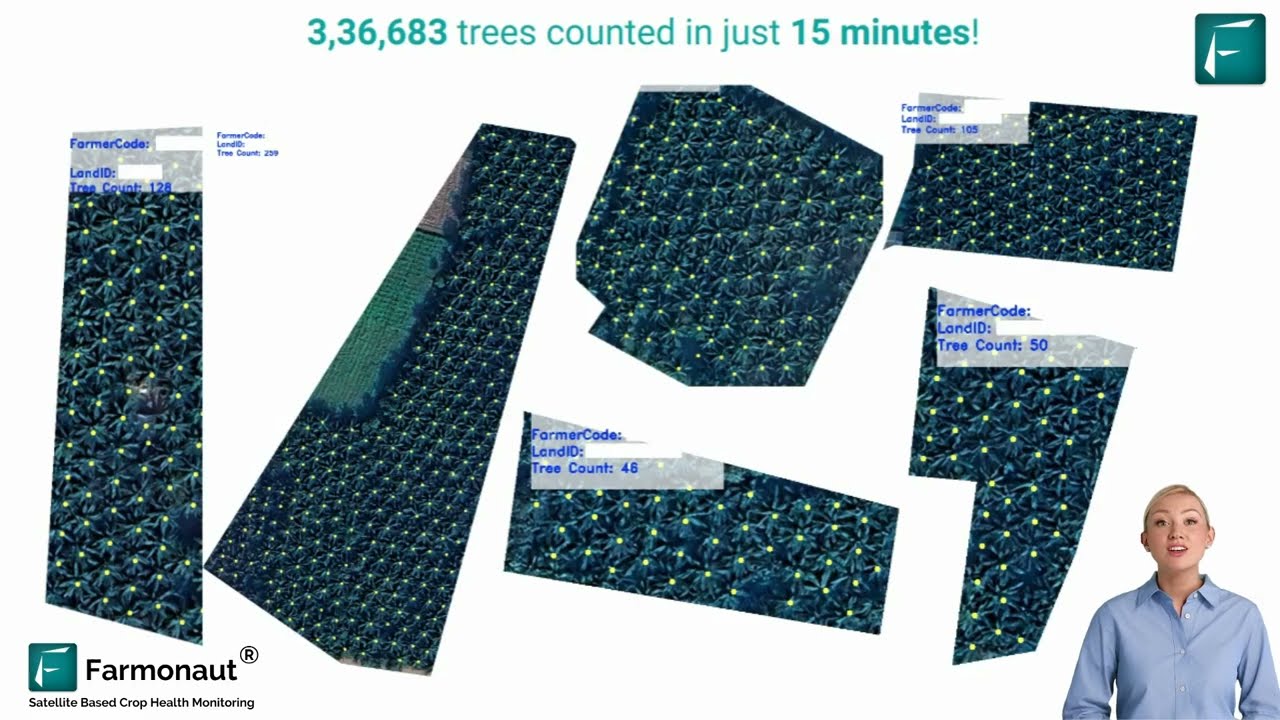
Example: A modern sawmill in 2025 employs a network of CNC routers seamlessly connected via IoT sensors, processing timber with minimal waste and automatically sorting by predefined standards. Advanced analytics further optimize cutting schedules based on market demand and raw wood supply, reducing storage and energy costs.
Modernization Impacts
- Reduced Environmental Footprint: Energy-efficient machinery and digital scheduling results in lower energy consumption, minimal emissions, and reduced process waste.
- Enhanced Productivity & Quality: Smart machines achieve higher rates of output per raw unit, maintaining consistent quality standards across large product volumes.
- Precision Processing: Programmable machines enable the maximization of raw timber utilization, playing a pivotal role in sustainable wood products manufacturing.
Revolutionizing the Supply Chain
Integration of digital tracking, blockchain records, and AI analytics from the forest to the factory floor ensures traceability. This transparency is increasingly required to meet both regulatory mandates and consumer expectations for ethical, sustainable forestry.
3. Sustainable Wood Products & Responsible Harvesting
Sustainability lies at the heart of wood products manufacturing in the current decade, as the industry responds to rising global scrutiny and eco-conscious consumer demand. Certification schemes such as FSC (Forest Stewardship Council) and PEFC (Programme for the Endorsement of Forest Certification) have become benchmarks, ensuring that products originate from responsibly managed forests.
Recycled and engineered wood products, such as cross-laminated timber (CLT), oriented strand board (OSB), and other composites, are also on the rise in 2025. These materials reduce reliance on virgin timber, minimize waste, and align with circular economy goals. Advanced adhesives and preservation techniques further ensure product longevity with minimal use of harmful chemicals, vital for both health and the environment.
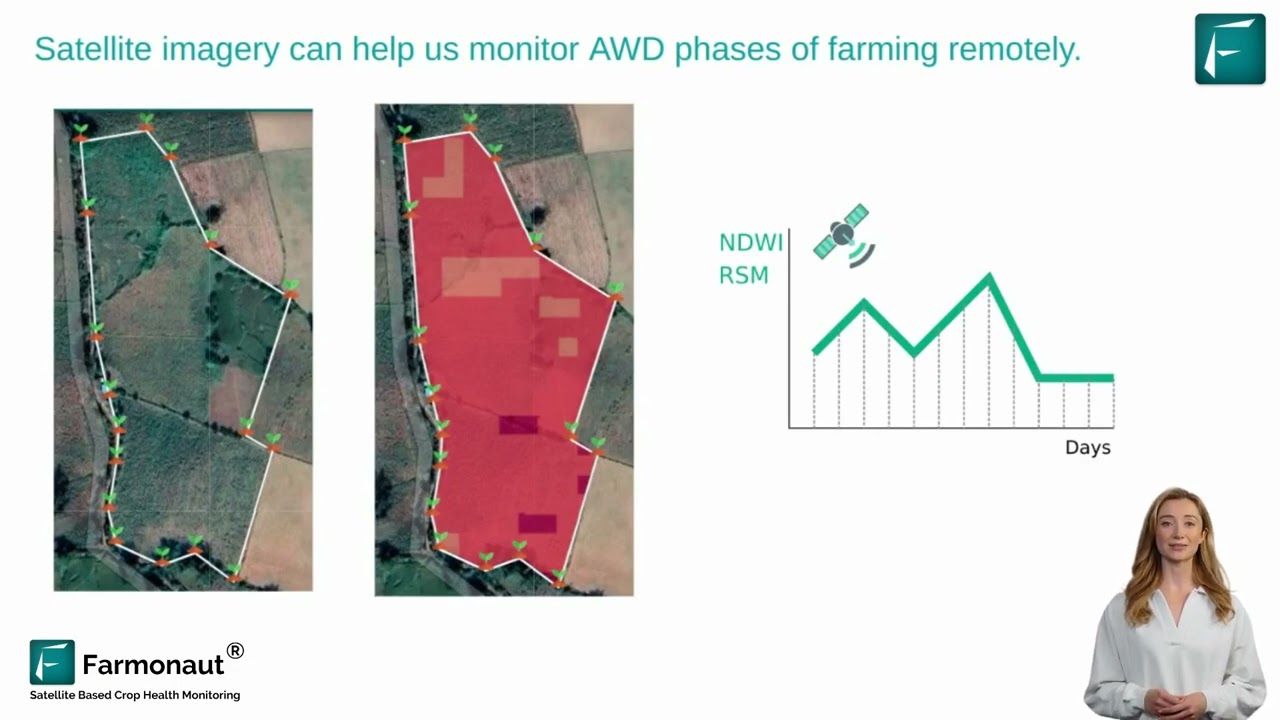
Responsible harvesting also encompasses precision forestry. New advances in farm machinery production data and satellite monitoring allow for selective logging, targeted thinning, and restoration practices that promote forest regeneration and support biodiversity.

4. Environmental and Ecological Impact: Standards, Certification & Global Goals
The ecological footprint of wood products manufacturing remains a central focus for industry stakeholders in 2025. International agreements and national policies are driving companies toward proven certifications and environmental stewardship:
- Certification Milestones: FSC and PEFC certifications ensure responsible forest management and traceability, enabling global market access—especially in countries with stringent environmental standards.
- GHG Reduction Goals: Wood product manufacturers are required to report, manage, and reduce emissions through scopes 1, 2, and 3 of carbon accounting protocols. Companies are encouraged to set science-based targets aligned with the Paris Agreement climate goals.
- Lifecycle Assessments (LCAs): Companies perform LCAs to track cradle-to-grave impacts of wood products, comparing environmental costs with alternative building and furniture materials.
- Health and Safety: Innovations in non-toxic wood preservative treatments extend product life cycles, meeting health standards and reducing VOC emissions in both processing and end-use.
Through improved machinery efficiency and the adoption of sustainable harvesting practices, the sector is decisively moving toward net-zero or even carbon-negative production, underpinning global climate and biodiversity commitments.
5. Wood Products Tariffs, Trade Policies & International Dynamics
Trade flows in the wood products industry have been increasingly influenced by tariffs and protectionist policies. In 2025, wood products tariffs play a pivotal role in shaping global production and market opportunities, affecting both exporters and importers.
- Tariffs and Certification: Many countries have implemented customs duties or outright bans on uncertified products to incentivize ethical sourcing and promote local manufacturing compliance with international standards.
- Supply Chain Shifts: In response to tariffs, many producers are investing in state-of-the-art wood products machinery and traceability systems to maintain quality and comply with stringent overseas regulations.
- Shift Toward Domestic Value Addition: Regions with abundant timber increasingly process wood domestically, leveraging automation and advanced machinery to offset higher labor and compliance costs.
This protects forest resources and fosters market acceptance for certified sustainable wood products, setting the trajectory for the sector in the coming years.

6. Farm Machinery Production Data & Its Synergy with Forestry
In 2025, the convergence of farm machinery production data and advanced forestry equipment reflects an emerging synergy driving operational efficiency, environmental goals, and economic opportunity across rural landscapes.
- Precision Forestry: Data-driven machinery, equipped with GPS and AI, optimizes timber planting, thinning, and selective harvesting. These advancements mirror techniques in precision agriculture, adapting them for forest management to maximize productivity and minimize ecological disturbance.
- Hybrid and Multi-functional Machinery: The latest machines are designed for both farming and forestry activities, enabling efficient resource allocation and better soil preservation techniques that benefit combined operations. Minimal soil compaction, crucial for long-term forest health, is achieved through adaptive tire pressure systems and innovative track designs.
-
Fleet & Resource Optimization:
The integration of digital fleet management tools allows companies to monitor harvest equipment, streamline logistics, and reduce fuel use, supporting emission reduction targets and operational excellence.
Find out more about managing resources efficiently with
Farmonaut’s Fleet Management solutions for remote monitoring and digital resource scheduling for timber, agricultural, and mining equipment.
This synergy positions the sector to respond effectively to the rising demand for sustainable wood products while balancing soil health, biodiversity, and economic output.
7. 2025 Comparison Table: Wood Products Machinery Innovations & Sustainability Impact
As we evaluate the impact of technological advancements, it’s crucial to compare the anticipated benefits and adoption rates of major machinery innovations. The following table provides an overview of core features and sustainability benchmarks associated with leading machinery types for 2025.
| Machinery Type/Model | Core Innovation/Feature | Estimated Energy Efficiency (%) | Estimated Productivity Increase (%) | Projected Cost Savings (%) | Sustainability Benefit | 2025 Global Adoption Estimate (%) |
|---|---|---|---|---|---|---|
| Automated Sorting Systems | Machine Vision, AI Optimization | +25% | +30% | +22% | Reduces rejected output by 35%, lowers waste | 68% |
| AI-driven Sawmills | Predictive Maintenance, Real-time Adjustments | +34% | +37% | +29% | Emission reduction by 40%, waste reduction by 45% | 60% |
| Low-emission Kilns | Hybrid Heating, Exhaust Recapture | +19% | +15% | +13% | CO2 emissions cut by 50%, energy savings | 53% |
| Smart Portable Harvesters | GIS, IoT Navigation, Hybrid Drive | +27% | +20% | +16% | Prevents 65% of ecosystem disturbance | 47% |
| CNC Timber Processing Lines | Advanced Programming, Custom Outputs | +23% | +28% | +20% | Reduces raw timber waste by 50% | 64% |
| Blockchain Traceability Systems | End-to-End Product Tracking | N/A | Improves market access | 10-15% reduced non-compliance penalties | Ensures origin & legality, enhances sustainability reporting | 57% |
8. Technology & Value: Farmonaut Satellite Solutions for Wood Products and Forestry Operations
As sustainable wood products manufacturing accelerates, access to objective, timely, and actionable data is key. At Farmonaut, we provide remote sensing and analytics capabilities that support every aspect of forestry, agricultural, and land management operations:
- Satellite-Based Monitoring:
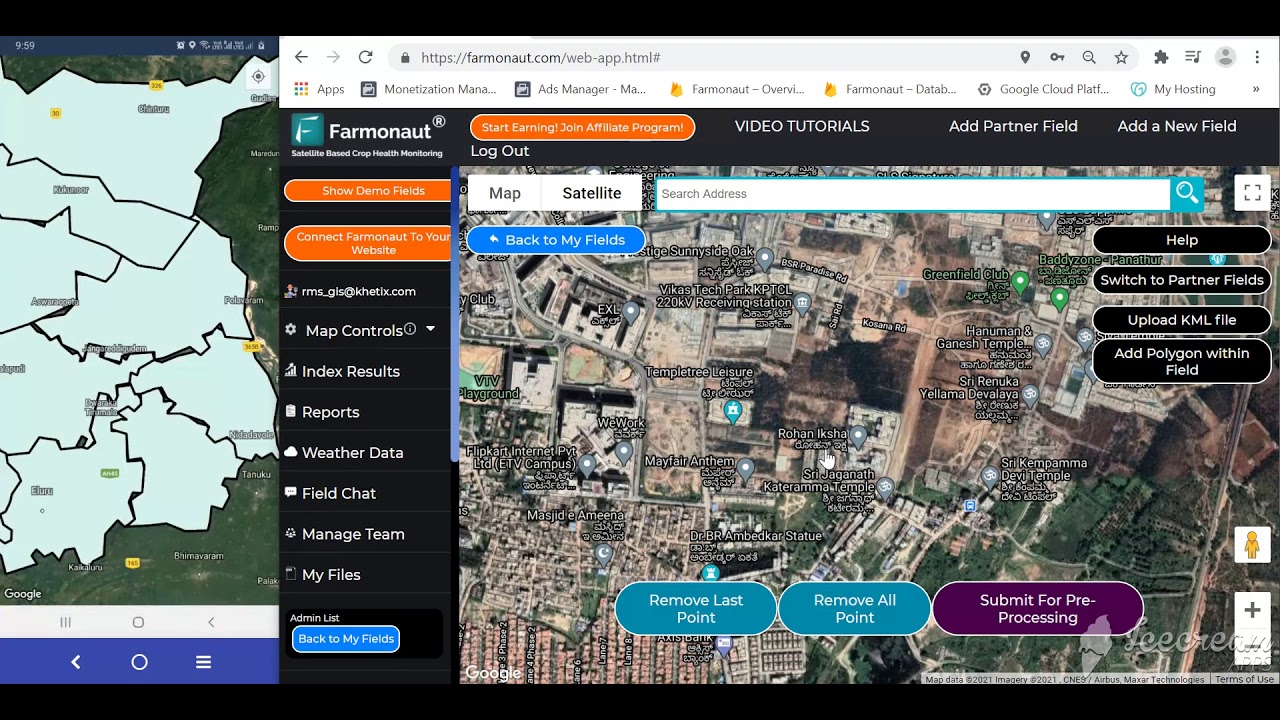
Our platform offers high-resolution, multispectral imagery for forest, soil, and vegetation analysis. Forest operators utilize ongoing monitoring to ensure wood harvesting activities align with sustainability criteria and to gauge ecosystem health over time. - Jeevn AI Advisory System:
Using machine learning and satellite data, we generate alerts for weather, pest risk, and harvest optimization—improving decision-making for agricultural and forestry sectors. - Blockchain Traceability:
Ensuring transparency is core to compliant, responsible wood supply chains. Our system leverages the latest blockchain technologies to authenticate every point in the forest product journey.
Learn more about our traceability solution.
- Carbon Footprinting and Environmental Impact:
Our carbon tracking features assist manufacturers and landowners in meeting emissions reporting, sustainability goals, and market requirements for eco-labelling.
Calculate and manage your carbon footprint with our advanced solution.
- Fleet and Resource Management:
With real-time satellite data, our fleet management tools help optimize the scheduling, usage, and maintenance of timber and agricultural machinery, reducing costs and emissions.
Discover Farmonaut’s fleet management capability.
- Crop Plantation & Forest Advisory:
For stakeholders engaged in tree-planting and land-use projects, our platform supports optimized, sustainable planning and compliance documentation.
Learn about our crop, plantation, and forest advisory tools.



Affordable Subscriptions for All Scales
Our cost-effective subscription plans make advanced satellite monitoring and AI-driven analytics available for everyone—from small businesses to large enterprises—including those in the wood products machinery and forestry sector.

9. Frequently Asked Questions (FAQs)
What are the latest trends in wood products machinery for 2025?
The wood products machinery industry in 2025 is focused on smart, energy-efficient systems. Major trends include full automation, IoT-connected sensors for predictive maintenance, AI-driven data analytics, and increasing use of CNC for precision cutting. Emphasis on blockchain-based traceability and sustainability certifications is also pronounced.
How is sustainable harvesting enforced or verified?
Sustainable harvesting is verified via third-party certifications such as FSC and PEFC, which require transparent tracking of logging activities, restoration planning, and compliance with ecological standards. Many countries mandate digital traceability and rely on satellite and blockchain technologies to monitor compliance.
What is the significance of wood products tariffs in international trade?
Wood products tariffs affect the flow of goods between countries, impacting production costs and market competition. In 2025, tariffs aim to discourage uncertified or illegally logged wood, thus rewarding manufacturers adhering to international stewardship and traceability standards.
How does farm machinery production data support sustainable forestry?
Farm machinery production data, when applied to forestry, supports smart planning for planting, thinning, and harvesting of timber. This enables operational efficiency, reduces wastage, protects soil health, and aligns with broader goals for sustainable agricultural and forestry operations.
How can businesses in the wood sector leverage Farmonaut’s solutions?
Our satellite-driven monitoring, AI advisory, traceability, carbon management, and fleet optimization tools enable companies in wood products, forestry, and related sectors to improve operational efficiency, fulfill environmental compliance, and maintain a competitive market edge in 2025 and beyond. Explore the web platform,
Android
or
iOS app
for real-time access.
10. Outlook: Shaping the Future Trajectory of Wood Products Machinery and Sustainability
The trajectory of the wood products sector beyond 2025 will continue to be shaped by rapid technological advancements in wood products machinery, a deepening commitment to sustainable harvesting, and a need to respond dynamically to trade and regulatory developments.
- Continued Integration: State-of-the-art machinery, digital analytics, and real-time monitoring systems will be expected elements of all modern wood products manufacturing operations.
- Regulatory Alignment: Countries with the most stringent sustainability standards will set the benchmark. Compliance will be essential for market access and risk mitigation.
- Environmental Leadership: Companies that adopt both certifications (FSC, PEFC) and innovative, low-impact machinery will build trust and preference with environmentally conscious consumers.
- Increased Investments: The interplay between progressive machinery investments and sustainable practices will define the leading players in the space, offering them resilience in the face of market and policy disruptions.
As we move forward, we can expect the sustainable wood products sector to underpin not just economic and construction activities, but also set new ecological standards for global materials production. Leveraging advanced machinery and data-driven intelligence, companies will create long-lasting, responsible impact—reshaping forests, habitats, and the industries they support.
Be Part of the Future of Sustainable Forestry & Wood Products Manufacturing
Unlock the potential of advanced monitoring and management for your wood products, timberlands, or agribusiness operations with Farmonaut’s technology.
Discover how satellite-driven insights empower environmental stewardship and sustainable wood products manufacturing.

 Godrej Agrovet
 Hayleys Agriculture
 Linx Agritech
 Adinet
 Save Your Soils
 GalaxEye Space
 Grandstream Algérie
 XOS Realty
 Geospatial Lab Africa
 Agro La Gándara
 HIPSAC
 ZOL Zimbabwe
 Juligerm
 AdBio
AdBio MISE Maroc
 NWNS
NWNS Red August Group
 Farm Inc
 WeMe Global
 Agrotoken
 Blue BearX
 Insignito
 DnCubed
 Indosistim Teknologi
 Liquify Digital
 CU Foods
 BeyondTech Global
 Rouge VC
 AgroRisk
 Oath Inc
 Esri North East Africa
 MDCV UK
 Etech Consulting Madagascar
 Vestlandsforsking
 WB Dev
 Sama Premium
 Tres Valles
 Blickwinkel
 Agricultural Credit Policy Council
 eKGIS
eKGIS Mostas Tech
 Andex
Andex Deluxe Conseil
 WICO
WICO Chimera Innovation
 SkyHarvest
 Teledarbas
 Exurbia Geospatial
 FieldZero
