

Average Forestry Salary: Top Canadian Forestry Jobs 2025
“The average forestry salary in Canada is projected to reach $68,000 in 2025, reflecting sector growth.”
Overview of Forestry Careers in Canada
Forestry in Canada remains a vital economic component, with the sector providing thousands of jobs and contributing significantly to both local and national economies. Covering nearly 347 million hectares of forested land, Canada boasts one of the world’s most extensive natural resources bases. This rich landscape enables a diverse range of job roles and career opportunities that span fieldwork, research, policy, management, and cutting-edge technology.
- Forestry jobs exist in every province, but are heavily concentrated in British Columbia, Ontario, Quebec, and Alberta—regions with large forest resources and well-established industries.
- Roles span from operational positions—like forestry technicians, harvesters, and silviculturists—to advanced and specialized careers such as conservation scientists, environmental consultants, resource managers, and policy analysts.
- The sector offers unique pathways in sustainability, climate change adaptation, technological innovation, and resource management.
Key Facts at a Glance
- Canada’s forests cover almost 9% of the world’s total forest area.
- The forestry sector is a significant provider of employment, with the labor pool comprising skilled trades, degree-holding professionals, and seasonal fieldworkers.
- Advancements in satellite, AI, and drone technologies are reshaping job requirements and career progression in 2025 and beyond.
- There is a sustained demand for roles focused on resource stewardship, climate resilience, and environmental monitoring.

Average Forestry Salary in Canada, 2025
“Forestry job demand in Canada is expected to climb 12% by 2025, driven by sustainability and resource management trends.”
The average forestry salary in Canada is projected to reach around CAD 68,000 per year in 2025. However, actual salaries vary based on factors such as role, education, experience, specific region, and type of employer (government, private sector, NGO, etc.). Here is a breakdown of what to expect based on job positions and career stage:
-
Entry-Level:
Typical positions include forest technician assistants and forestry field workers.
Average starting salary: CAD 40,000–50,000 annually. -
Mid-Level:
Registered professional foresters, forest technologists, and supervisors.
Average salary: CAD 60,000–80,000 annually. -
Senior & Specialized:
Forest managers, environmental consultants, policy analysts, and research scientists.
Average salary: CAD 90,000+. In major management or specialized consulting roles, annual compensation can exceed CAD 110,000.
Salaries are typically higher in provinces with greater industry demand and complex resource management requirements such as British Columbia, Alberta, Ontario, and Quebec. Those with advanced skills in technology, GIS, remote sensing, and sustainable management practices can command premium compensation.
Why Do Forestry Salaries Vary?
- Education: Higher degrees (e.g., Master’s, PhD) as well as certifications (Registered Professional Forester) lead to greater earning potential.
- Location: Forestry professionals in British Columbia and Quebec frequently earn higher than other regions due to industry concentration and forest size.
- Specialization: Niche expertise in remote sensing, climate policy, environmental certification, and digital forest technologies boosts earning power.
- Experience: As in most sectors, seasoned professionals and managers see salaries rise with tenure and leadership responsibilities.
- Major Employers: Government, large private companies, and engineering consultancies offer higher average forestry salaries than smaller contractors or seasonal positions.
Average Forestry Salary and Job Outlook Table (Canada, 2025)
| Job Title | Estimated Average Salary (2025, CAD) | Job Demand/Outlook (2025) | Typical Education/Certification | Brief Description |
|---|---|---|---|---|
| Forestry Technician | $48,000–$58,000 | High | Diploma/Cert. in Forestry or Natural Resources | Field data collection, mapping, and support for forest management projects. |
| Forest Manager | $85,000–$115,000 | High | Bachelor’s or Master’s in Forestry; RPF designation | Oversees operations, resource allocation, policy implementation, and sustainability initiatives. |
| Wildlife Biologist | $68,000–$85,000 | Moderate | Bachelor’s or Master’s in Biology/Ecology | Studies wildlife populations and habitats, key for sustainable forest management. |
| Silviculturist | $62,000–$80,000 | Stable | Bachelor’s in Forestry or Environmental Science | Plans and manages forest regeneration, tree planting, and species selection. |
| Environmental Consultant | $75,000–$104,000 | High | Bachelor’s/Master’s in Env. Science & Certification | Provides expertise on compliance, environmental impact, and sustainable practices. |
| Forest Policy Analyst | $77,000–$98,000 | Moderate | Bachelor’s or higher in Public Policy/Forestry | Develops and assesses policies for sustainable resource management. |
| Fire Management Specialist | $60,000–$89,000 | High | Bachelor’s in Forestry/Natural Resource Mgmt | Plans and implements fire control, response, and prescribed burns. |
| Forest Technician Assistant | $40,000–$45,000 | Stable | Diploma/Entry Cert in Forestry | Entry-level support roles in fieldwork and data collection. |
2025 Forestry Job Market Trends and Demand
By 2025, the Canadian forestry sector is experiencing dynamic evolution due to several key trends reshaping employment and salary structures:
-
Technological Transformation:
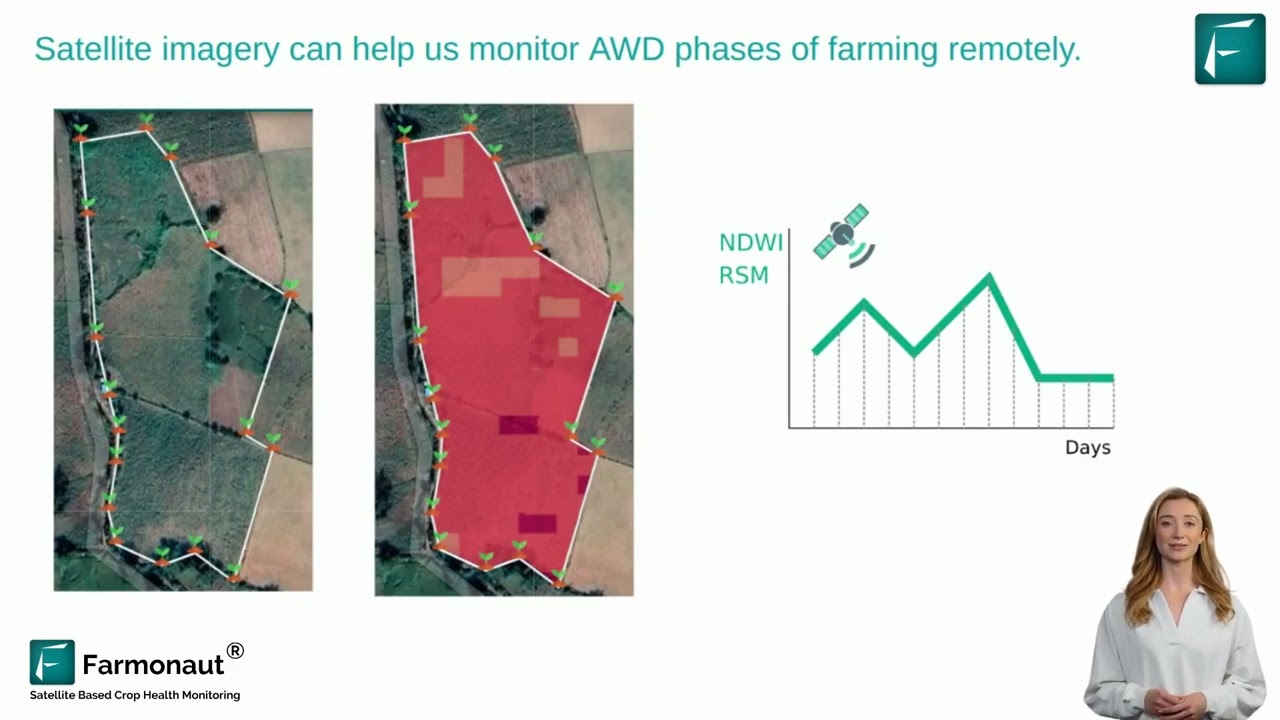
The adoption of satellite technology, AI, drones, and digital mapping increases demand for adaptive professionals.
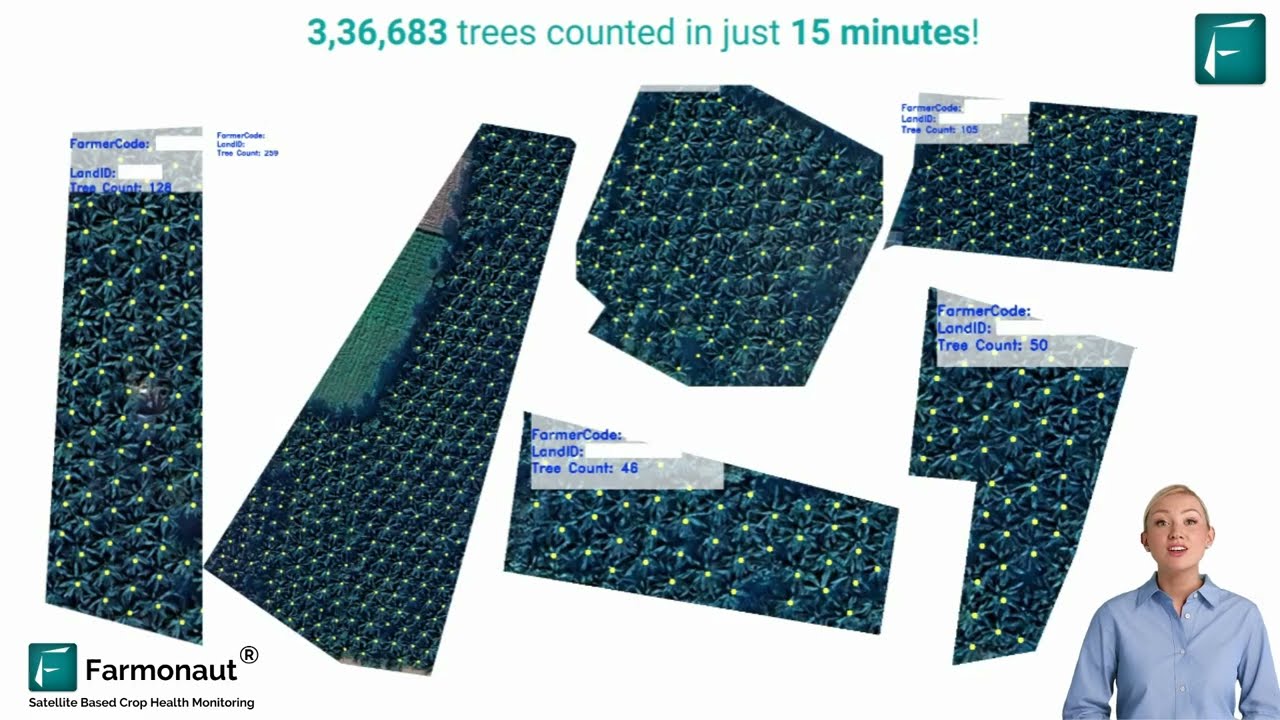
Farmonaut’s crop plantation and forest advisory solutions exemplify the growing integration of satellite data into sustainable forestry management. -
Emphasis on Sustainability & Certification:
Growing global pressure for sustainable practices and forest certification (eco-labels, FSC, SFI) require expertise in compliance and resource stewardship.
Jobs in environmental consulting and policy advisory are expanding. -
Climate Change Response:
As climate concerns intensify, roles in wildfire management, ecosystem restoration, and climate resilience increase in both public and private sector. -
Indigenous Engagement:
The sector increasingly values Indigenous stewardship and land knowledge, opening further career pathways and community partnership opportunities. -
Remote & Automated Monitoring:
Technological progress is enabling more remote work, safer field operations, and continuous year-round roles, shifting away from traditional seasonality.
Regions of High Opportunity
- British Columbia and Quebec: Large land base, leading-edge research, and high industry investment.
- Ontario: Home to both public sector forestry jobs and innovative private consulting firms.
- Alberta: Extensive reforestation needs, timber, and pulp industry growth.
Technology & Innovation: Shaping the Forestry Sector
The progressive digitization of Canadian forestry underpins the average forestry salary and unlocks new job opportunities:
-
Geospatial Technologies:
Cartographic specialists and GIS analysts are in stable demand for forest mapping and decision support. -
Satellite Monitoring:
Satellite-based solutions provided by companies like Farmonaut support real-time resource management, environmental impact monitoring, and yield optimization for forest owners and resource managers.
Learn more about Farmonaut’s carbon footprinting technology for monitoring sustainable practices and emissions in forestry. -
AI and Blockchain:
Emerging AI-based advisory systems and blockchain-driven traceability are enabling better compliance, reporting, and market access for forest products.
Track timber supply chain authenticity and compliance with Farmonaut’s traceability solutions. - Drones and Automation: Drones assist in fire surveillance, regeneration monitoring, and data collection, improving safety and efficiency for field workers.

Proficiency with digital technologies is increasingly a critical skill for forestry professionals and contributes to higher salaries, career longevity, and advancement in the sector.




Challenges and Opportunities in Forestry Careers
The Canadian forestry sector offers rewarding careers but is not without its challenges—especially for those considering field and operational roles:
- Remote & Rugged Work Environments: Many field positions require physically demanding tasks, extended stays in remote areas, and flexible scheduling to address weather and seasonal needs.
- Seasonal Variability: Although many positions are transitioning to year-round employment, some forest work (e.g., tree planting, firefighting, field sampling) is inherently seasonal, impacting annual income.
- Environmental Hazards: Exposure to wildfires, insects, adverse weather, and wildlife is common for workers in certain roles. Safety training is essential.
- Advancement Through Ongoing Education: Professional certifications, digital skills, and advanced degrees are increasingly necessary to move into higher-paying or specialized jobs.
- Diverse Role Requirements: The broad range of occupations in forestry—spanning fieldwork, policy, science, technology, management—offers multiple paths but also demands multidisciplinary skills and adaptability.
Notable Opportunities for 2025 and Beyond
-
Career Progression:
Movement from seasonal or entry-level forestry technician to management, consulting, or policy analysis is achievable through experience and upskilling. -
Sustainability Leadership:
Those proficient in environmental compliance, forest certification, and carbon assessment are highly sought after by major resource companies, consulting firms, and government. -
Digital Transformation:
Adoption of remote sensing, GIS, fleet management, and AI-driven analysis offers higher earning potential and broader career avenues.
Explore Farmonaut’s fleet and resource management tools for forestry—ideal for optimizing logistics, reducing costs, and supporting sustainability goals. -
Work-Life Balance:
Increasing opportunities for remote work and hybrid career models in technology and consulting roles.

What Influences Forestry Salaries in Canada?
-
Geographic Location:
Salaries are typically highest in British Columbia and Quebec due to the large forest resources, market demand, and cost of living. -
Role Type:
Specialized and senior management positions, such as those involving policy, consulting, or science, often exceed median sector salaries. -
Sector of Employment:
Government jobs offer stability with defined salary ladders; private companies and consulting offer higher performance-based compensation potential. -
Certifications and Advanced Training:
Registered Professional Forester (RPF) certification or advanced degrees are critical for advancement and leading project teams. -
Market Trends:
Roles focusing on digital transformation, climate resilience, and sustainable certification see long-term demand and salary growth.
Farmonaut: Satellite-Driven Solutions for Sustainable Forestry
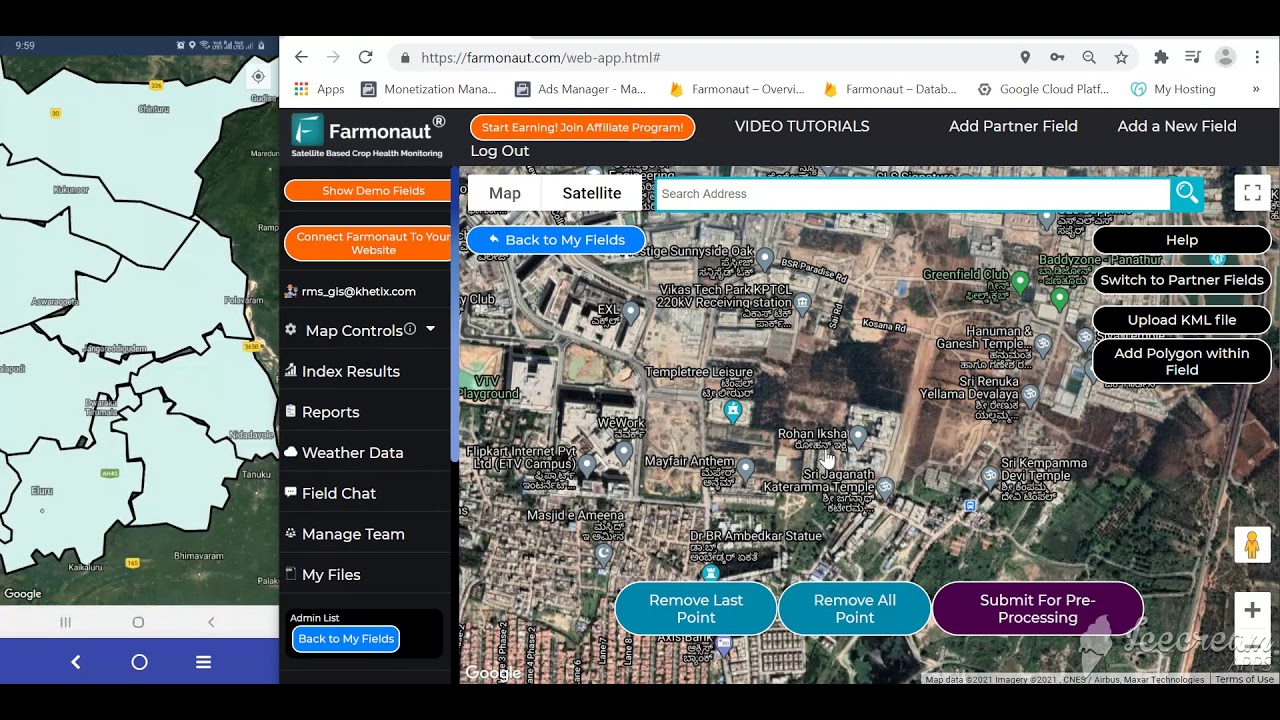
At Farmonaut, we recognize the importance of advanced, affordable technology in supporting forestry professionals, organizations, and governments. Our apps and platform deliver a suite of capabilities tailored to the evolving needs of the Canadian forestry sector in 2025:
- Real-Time Satellite Monitoring: Access up-to-date multispectral imagery for forestry operations, health analysis, and yield optimization.
- AI-Based Advisory: Utilize precision strategies and forecasting for forest management.
-
Carbon Footprint Monitoring & Sustainability:
Monitor emissions and compliance with Farmonaut’s carbon footprint solutions, helping align forestry practices with global sustainability standards. - Blockchain-Based Traceability: Track timber and wood product supply chains, enhancing transparency and reducing fraud. Learn more about traceability solutions here.
-
Fleet and Resource Management:
Enhance operational efficiency with tools to optimize machinery, personnel, and logistics, reducing costs and improving supply chain visibility. - API Integration: Developers and organizations can leverage Farmonaut’s API and API developer documentation to integrate advanced satellite and weather analytics into their own systems.
- Mobile & Web Access: Forestry professionals can manage all resources from the field or remote locations through our Android, iOS, and web apps.
Education and Career Pathways in Forestry
Choosing a career in forestry involves both broad skill development and specialized education pathways. Here’s how to maximize your potential and earning power in the Canadian forestry sector:
-
Diploma Programs:
Entry-level technician roles generally require a college or vocational diploma in forestry, resource management, or environmental technology. -
Bachelor’s Degrees:
Foresters, biologists, environmental specialists, and policy analysts typically have undergraduate degrees focused on forestry, environmental science, biology, or natural resource management. -
Graduate Qualifications:
Roles in research, highly specialized consulting, senior management, or policy development often require Master’s or PhD credentials. -
Certification:
The Registered Professional Forester (RPF) certification is a must-have in many provinces for professional practice and leadership roles. -
Continuous Professional Development:
Digital skills training, fleet and carbon management, data analytics, GIS, and compliance expertise are crucial for staying competitive.
Examples of Forestry Career Pathways
- Forest Technician → Field Supervisor → Forest Manager
- Wildlife Biologist → Environmental Consultant → Director of Sustainability
- Policy Analyst → Senior Policy Advisor → Government Forestry Leader
- GIS Analyst → Digital Solutions Manager (Forestry)
Note: Many forestry professionals supplement traditional education with on-the-job training, short courses, and certifications in remote sensing, sustainability, and project management.
Future Outlook & Key Takeaways for Forestry Professionals
The forestry sector remains one of Canada’s most critical natural resource industries, with significant employment and economic impact at both local and national levels. As 2025 and the years beyond unfold, here’s what professionals and stakeholders should recognize:
- Salary Outlook: The average forestry salary is expected to continue rising, thanks to increased demand for sustainable resource management, digital skills, and innovative problem-solving abilities.
-
Job Market Prospects:
With projected 12% job growth, career opportunities are abundant for skilled professionals across a diverse range of occupations. -
Sustainability & Technology:
The emphasis on environmental stewardship, remote monitoring, and AI-driven forestry solutions aligns with national and global resource management trends. -
Dynamic Roles:
Forestry careers range from field-based to research, management, and policy; adaptability and lifelong learning are key for staying ahead in the evolving labor market. -
Farmonaut’s Commitment:
We at Farmonaut remain dedicated to delivering cost-effective, cutting-edge satellite solutions for forestry. Our platform supports everyone from entry-level workers to senior forest managers, policy strategists, and consultants—with web, Android, and iOS app access for all users.
Whether you are considering a forestry career, recruiting talent, or aiming to assess Canadian market dynamics, understanding salaries, roles, and industry trends in 2025 is essential for making informed decisions that advance both professional goals and sustainable resource use.
Frequently Asked Questions: Average Forestry Salary & Careers
-
What is the average forestry salary in Canada for 2025?
The projected average forestry salary is around CAD 68,000 annually. Actual salaries vary widely by role, education, region, and experience. -
Which forestry jobs are in highest demand in Canada?
Forestry technician, forest manager, silviculturist, environmental consultant, GIS analyst, and fire management specialist are among the most sought-after positions. -
Do forestry jobs in Canada offer stable, year-round work?
Many traditional roles remain seasonal, but digital technology is increasing opportunities for remote, year-round, and management roles. -
How do I become a registered professional forester (RPF) in Canada?
Most provinces require a relevant bachelor’s degree and completion of RPF certification training and exams. Visit your provincial association for details. -
Is working in forestry a good career choice for 2025 and beyond?
Yes. Increased focus on sustainability, rising wages, diverse roles, and digital innovation make forestry an attractive, forward-looking career path. -
Where can I learn more about technology solutions for forestry management?
Explore our Farmonaut forestry advisory and management tools for satellite-driven solutions. -
Are there salary differences between provinces?
Yes. Salaries are typically higher in British Columbia, Quebec, and Ontario due to larger-scale industry activity and demand. -
Does Farmonaut provide tools for compliance and supply chain transparency?
Absolutely. Our blockchain-based traceability product ensures environmental compliance and product authentication across the forestry supply chain.
Discussion
Questions, corrections or field experience? Share them below. First-time comments are reviewed before they appear, and your email is never published.
No comments yet. Be the first to add a question or your experience.

 Linx Agritech
 Adinet
 Save Your Soils
 YelloSkye
 GalaxEye Space
 Grandstream Algérie
 XOS Realty
 Geospatial Lab Africa
 Agro La Gándara
 HIPSAC
 ZOL Zimbabwe
 Juligerm
 AdBio
AdBio MISE Maroc
 NWNS
NWNS Red August Group
 Farm Inc
 WeMe Global
 Agrotoken
 Blue BearX
 Licence holder · Niger · Gold










