

Dam Seepage 2025: Powerful Monitoring & Control Solutions
- Understanding Dam Seepage in Modern Infrastructure
- Implications for Agriculture & Forestry: A 2025 Perspective
- Dam Seepage: Causes and Risk Factors
- Detection & Monitoring Innovations for Dam Seepage
- Comparison Table: Modern Dam Seepage Monitoring & Control Technologies (2025)
- Dam Seepage Control & Remediation Techniques
- Farmonaut: Advanced Dam Seepage Monitoring with Satellite & AI
- Sustainability and Future Directions in Dam Seepage Management
- Farmonaut Subscriptions & Access Options
- Frequently Asked Questions
Understanding Dam Seepage in Modern Infrastructure
Dam seepage is a complex phenomenon, posing critical challenges to the safety, efficiency, and sustainability of hydrological infrastructure worldwide. As we journey through 2025, the management of seepage from dams is more vital than ever—especially in zones supported by agriculture, forestry, and freshwater resource networks.
Seepage refers to the slow movement of water beneath or through a dam’s structure or its foundation. This occurs naturally as water stored behind a dam finds pathways through cracks, porous soils, or geological formations beneath and around the structure. While a certain amount of seepage is expected and, if controlled, is often harmless, excessive seepage can critically undermine a dam’s stability.
Why Is Dam Seepage a Significant Concern?
- Seepage continues to pose critical risks to the safety of dams—potentially leading to structural failure or catastrophic flood events.
- It’s a fundamental factor affecting water resource management in arid and semi-arid regions, where dam stored water supports vital agricultural and ecological processes.
- Unchecked seepage undermines the integrity of both earthen and concrete infrastructure, leading to erosion, piping, and eventual failure.
Key Takeaway: In 2025, a robust understanding of dam seepage is essential for modern water management across vast landscapes and resource-dependent economies.

Types of Seepage in Dams
- Through the Body: Water travels via paths or cracks within the dam.
- Beneath the Foundation: Occurs via highly permeable soils, fractured bedrock, or geological discontinuities beneath or adjacent to the structure.
- Upstream & Downstream Faces: Seepage may also appear at the upstream base or downstream toe as visible water flow, damp spots, or even springs.
Understanding these paths allows targeted monitoring and engineering control strategies—ensuring safety and sustainability for years beyond 2025.
Implications for Agriculture & Forestry: A 2025 Perspective
Dams serve as critical sources of irrigation water, especially in arid and semi-arid regions. The effects of dam seepage ripple throughout agricultural zones, water supply systems, and forestry management practices.
Dam Seepage and Agricultural Productivity
- Loss of Valuable Water: Seepage can lead to loss of stored water, reducing the volume available for crop irrigation and livestock watering.
- Reduced Irrigation Efficiency: In regions dependent on dam-fed irrigation, seepage undermines water delivery—translating to lower productivity, food security risks, and reduced rural livelihoods.
- Threatening Water Security: With climate variability and water scarcity, every drop of water counts. Unchecked seepage directly threatens food security by hampering agricultural output.
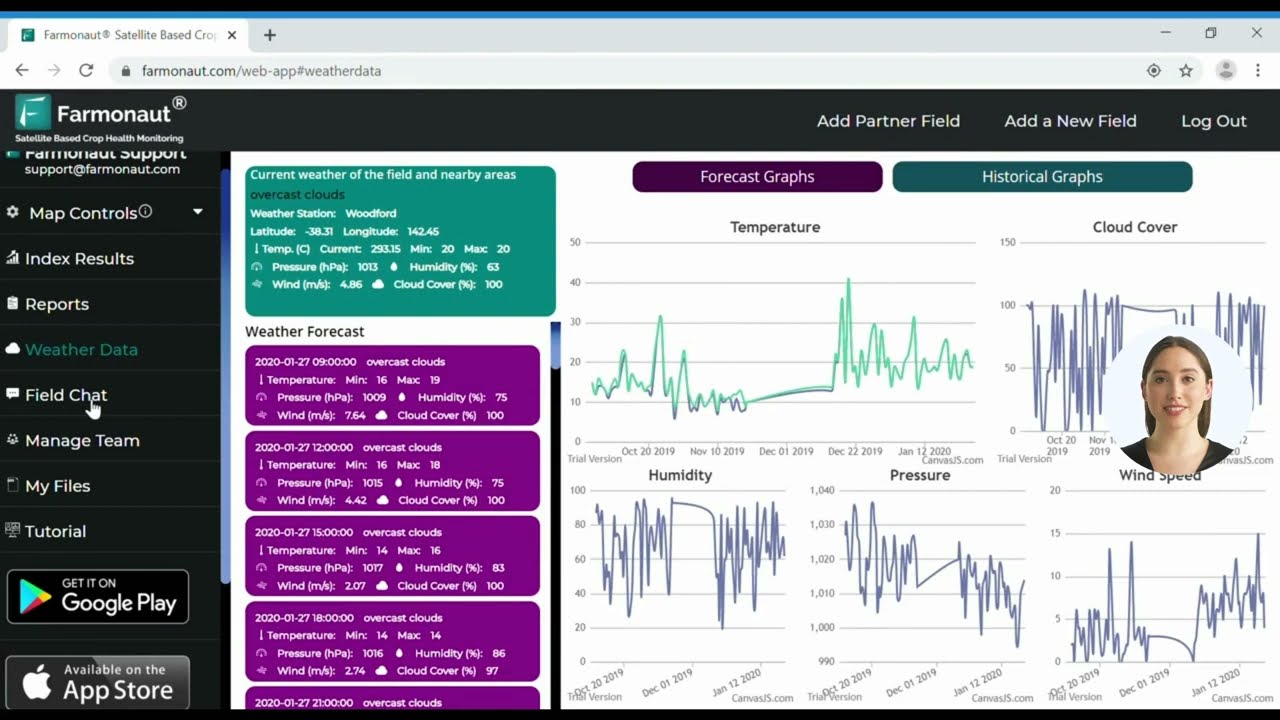
Forestry, Watersheds & Ecological Zones
- Groundwater Recharge: Minor seepage contributes positively by recharging groundwater zones, sustaining base flow in streams, and maintaining ecological balance in forested areas.
- Negative Impact of Excess Seepage: Unchecked seepage can erode surrounding soils, destabilize stream banks, and degrade forests through altered hydrological conditions.
 |
 |
 |
| Android App | iOS App | Web App |
Try our Farmonaut App for advanced crop monitoring and infrastructure insights based on real-time satellite data.
Dam Seepage: Causes and Risk Factors
The realm of dam seepage is shaped by a variety of natural and anthropogenic factors. Identifying risk factors is essential for modern management and effective mitigation in 2025 and beyond.
Primary Causes of Dam Seepage
- Soil and Rock Permeability: Dams constructed on highly permeable soils or fractured bedrock have a higher likelihood of significant seepage. These formations facilitate water movement beneath and around the structure.
- Structural Deficiencies: Poor compaction, suboptimal sealing, and cracks in the dam body or foundation create paths for uncontrolled water flow.
- Aging Dams: Many existing dams were built decades ago. Their materials may have deteriorated, missing out on modern seepage control features or upgrades.
- Vegetation Growth: Root penetration of deep-rooted vegetation on earthen dams can create seepage channels.
- Poor Maintenance: Neglecting detection and regular inspections raises the risk of catastrophic failure.
Other Risk Factors for 2025
- Climate Change: More intense storms and rainfall events raise reservoir levels, increasing pore pressure and seepage potential.
- Land Use Changes: Urban development, deforestation, or changes in watershed management can alter subsurface hydrology near the dam.
- Resource Exploitation: Unsustainable mining or groundwater extraction near infrastructure can exacerbate groundwater gradients and promote seepage.
Conclusion: Pinpointing these causes enables design teams to target control measures for both new and aging dams, reducing risk and enhancing safety for critical water resources.

Why seepage monitoring matters: the Teton Dam failure
The 1976 failure of Teton Dam in Idaho is the standard lesson in how fast seepage can turn into a breach. The 305-foot earthfill dam was being filled for the first time when two small seeps of clear water appeared at the downstream toe on 3 June. On 5 June, seepage through fractured rhyolite in the right abutment began eroding the embankment core. Muddy seepage was seen that morning, and the dam breached at the crest a few hours later (ASDSO Dam Failures).
Eleven people died and damage reached about $400 million. The failure led Congress to pass the Reclamation Safety of Dams Act of 1978 (US Bureau of Reclamation).
Two points carry over to any dam today. First, the warning signs were new seeps and a change from clear to muddy water, both things a seepage monitoring system is built to catch. Second, the time between first muddy water and breach was measured in hours, which is why owners of high-hazard dams automate readings and set alarm levels rather than relying on weekly visits alone.
Detection & Monitoring Innovations for Dam Seepage
Cutting-edge detection, early warning, and monitoring are the linchpins of modern dam seepage management. Proactive identification of seepage paths—from pore pressure sensors to satellite imaging—enables timely maintenance, ensuring infrastructure safety and resource sustainability.
Classic and Modern Seepage Monitoring Methods
- Piezometers & Relief Wells: These sensors are embedded within the dam or foundation soil to assess pore water pressure, spotlighting areas of heightened seepage risk.
- Geophysical & Remote Sensing: Techniques like electrical resistivity tomography provide data on seepage zones without invasive digging.
- IoT-Connected Sensors: Advanced in 2025, these networks instantly relay seepage measurements to centralized monitoring platforms. Digital dashboards provide real-time alerts on water movement and foundation stability.
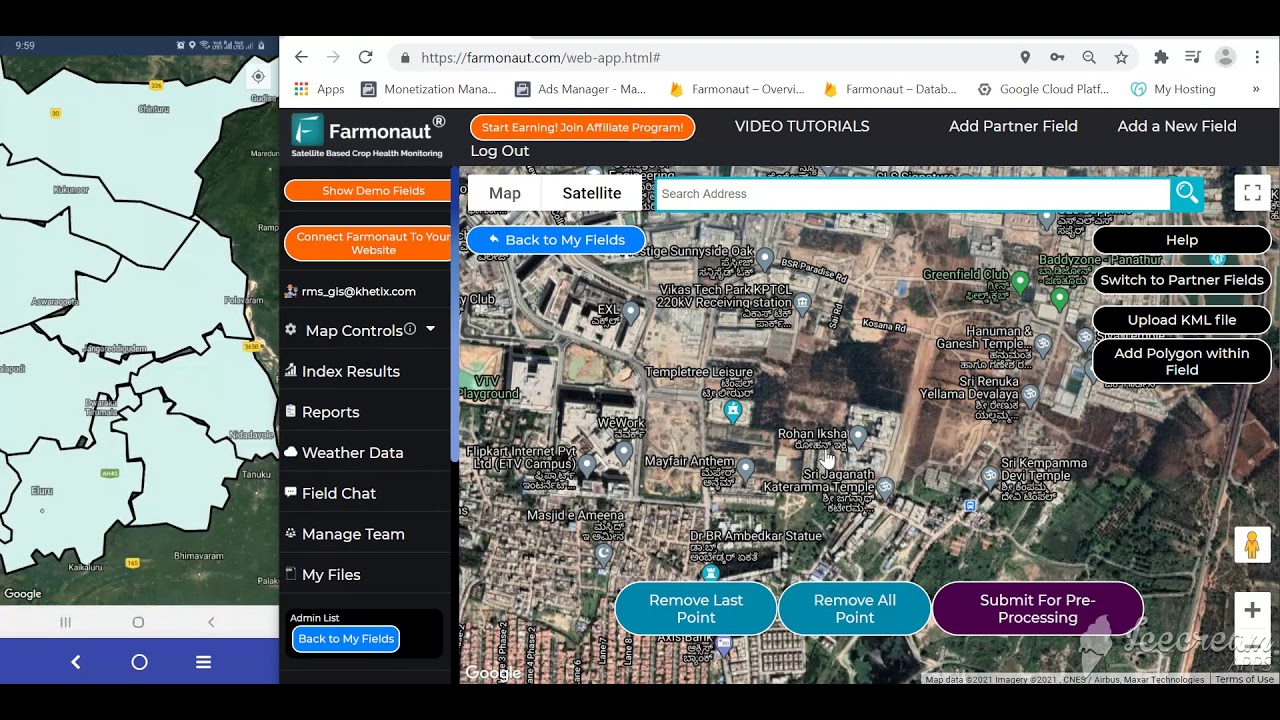
- Satellite-Based Analytics: Multispectral imagery, AI-driven analytics, and change detection algorithms (like those deployed by Farmonaut’s satellite platform) play a pivotal role in identifying unusual moisture anomalies, ground movement, or vegetation stress that may indicate seepage paths beneath dams.
- Relief Well Networks: Modern systems monitor each well via sensors, ensuring effectiveness in controlling pressure and reducing seepage.

For the most effective monitoring in 2025, an integrated approach combining physical instrumentation, remote sensing, and data analytics is essential. This synergy enables us to detect dam seepage earlier, reducing the likelihood of catastrophic failure and optimizing resource management for agriculture, forestry, and urban infrastructure.
What a dam seepage monitoring system includes
A dam seepage monitoring system is a set of instruments and routine checks that show whether water moving through or under a dam is behaving as designed. US federal guidance lists the standard parts (FERC Engineering Guidelines, Chapter 9; FEMA P-1032):
- Flow measurement. Seepage collected in drains or at the toe is measured with weirs, Parshall flumes or calibrated containers. A rise in flow can mean a new seepage path; a sudden drop can mean clogged drains or seepage breaking out elsewhere.
- Pore pressure. Piezometers and observation wells in the embankment, foundation and abutments track the phreatic surface and pressure gradients.
- Turbidity. Cloudy seepage can mean soil is being carried out of the dam, a sign of piping. Sediment settling at a weir is an early clue.
- Reservoir level. Every reading is compared against pool level, since seepage and pressure normally follow it.
- Visual inspection. Walkovers look for new wet areas, boils, sinkholes and slumping at the downstream toe and abutments.
- Automated data acquisition. Electronic sensors and data loggers send readings to engineers with alarm thresholds, useful on high-hazard dams and during first filling or floods.
The value is in trends. Engineers plot each instrument against reservoir level over time and investigate any reading that breaks from its normal pattern.
Comparison of Modern Dam Seepage Monitoring & Control Technologies (2025)
Instrument costs vary widely with dam size, access and the number of readings automated; get quotes from dam-safety instrumentation suppliers for your site.

Dam Seepage Control & Remediation Techniques
As awareness grows in 2025 regarding the dangers of unmanaged dam seepage, both preventative and remedial engineering solutions remain at the core of sustainability efforts.
Modern Seepage Control Techniques
- Cutoff Walls: Vertical barriers (e.g., concrete, slurry, geomembrane) are embedded beneath the dam to limit water passage through permeable zones—used especially for earthen dams and structures facing significant foundation seepage.
- Grouting: Injection of cementitious or chemical grout into foundation cracks or permeable formations reduces permeability and seals seepage paths. Modern materials—like self-healing grouts—offer enhanced durability for aging infrastructure.
- Relief Wells & Drainage Systems: Horizontal drains or relief wells safely channel seepage water away from critical zones, reducing pore pressure and maintaining the stability of the structure.
- Vegetation Management: Carefully controlling vegetation on embankments (removing deep-rooted species) helps prevent root paths that promote seepage.
- Geomembrane Liners & Modern Linings: Lining storage reservoirs with impervious geomembranes drastically reduces seepage—especially vital in arid regions.
- Sealing Technologies: Advanced materials such as self-healing concrete and nanomaterial-based sealants are showing promise in sealing cracks and restoring integrity to aged dams.
- Structural Rehabilitation: Retrofitting aging infrastructure with modern seepage control features and monitoring tools is integral for 2025 and beyond.

Practical Examples of Control Implementation
- Installing a geomembrane beneath the dam on highly permeable alluvial soils in arid countries—reducing water loss and increasing delivery for irrigation.
- Upgrading old piezometers with IoT-enabled smart sensors for continuous, real-time data collection in critical infrastructure regions.
Notably, environmental impact monitoring (including carbon footprinting) complements seepage control by supporting eco-friendly choices in dam design and operation—ensuring a balance between productivity and environmental care.
Farmonaut: Advanced Dam Seepage Monitoring with Satellite & AI
At Farmonaut, our mission is to democratize actionable satellite-driven insights for decision-makers in water management, agriculture, infrastructure, and forestry sectors. Leveraging multispectral imaging, AI analytics, and scalable digital tools, we drive modern dam seepage monitoring for 2025 and beyond.
With Farmonaut’s solutions, users in agricultural zones, infrastructure management, and environmental monitoring benefit from:
- Real-time Remote Sensing: Our platform delivers regular satellite imagery and geospatial analytics, pinpointing moisture anomalies, ground movement, and pre-failure cracks.
- AI-Based Early Warning: Jeevn AI Advisory flags seepage risks by analyzing environmental data—enabling focused interventions for dam crews, water managers, and agricultural planners.
- Resource Management: Through fleet management tools, users can monitor dam maintenance teams and on-ground resources—streamlining seepage control operations.
- Transparent Reporting: Our blockchain traceability layer ensures that dam upgrade and maintenance records are traceable, supporting transparent, auditable resource management.
- API Integration: For advanced workflows, users, and developers, our API and developer docs integrate satellite monitoring and weather analytics into proprietary systems or national dam registries.
- Sustainability Analytics: Quantify and reduce environmental impact from dam seepage with our carbon footprinting tools, supporting long-term water and ecosystem security.
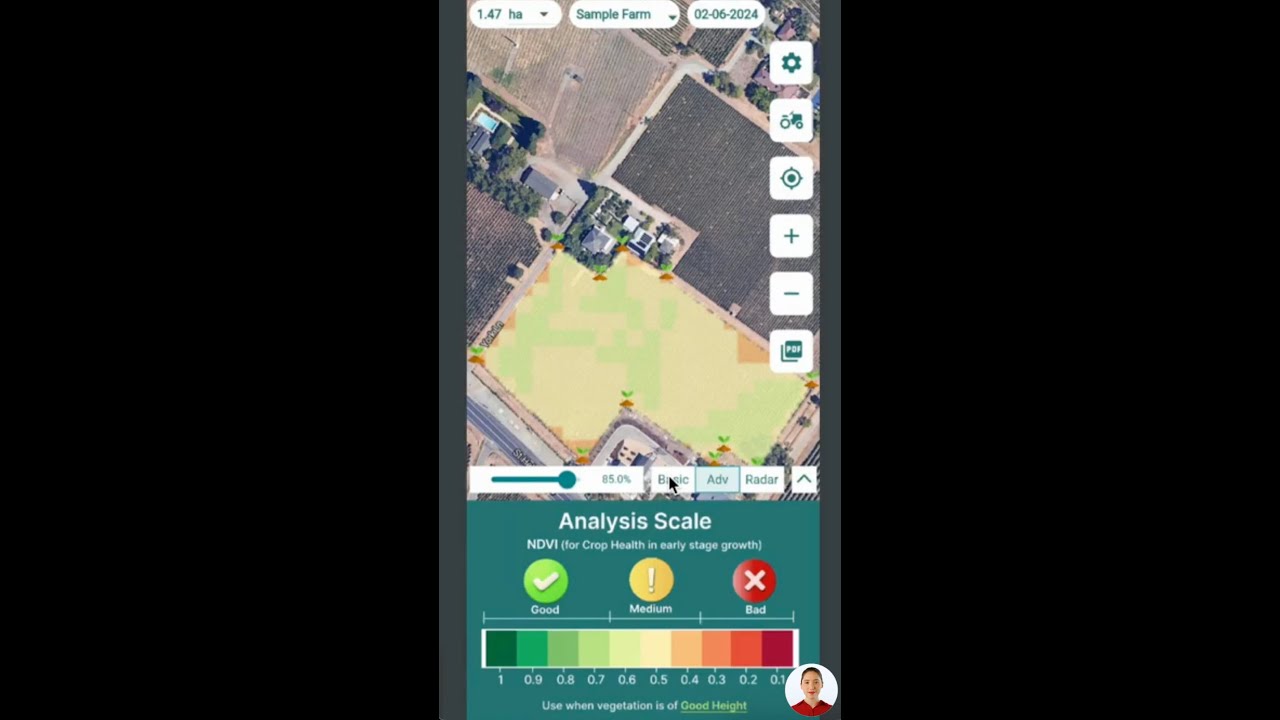
Explore our large-scale farm management suite—monitor, map, and analyze your entire agricultural operation, including nearby water assets, with the most advanced satellite technologies available in 2025.
Our platform is available to individual users, businesses, and government agencies seeking cost-effective, scalable solutions for dam seepage monitoring, agricultural management, and infrastructure safety.
Sustainability and Future Directions in Dam Seepage Management
Dam seepage management is on the cusp of transformation—driven by sustainability imperatives, climate adaptation, and exponential advances in technology. As 2025 unfolds, remarkable developments are shaping how modern infrastructure, agriculture, and forestry zones address the complexities of seepage control.
Emerging Solutions & Trends for Dam Seepage Mitigation
- Self-Healing Concrete & Composites: These smart materials automatically seal micro-cracks, enhancing the stability and durability of both new and aging dams.
- AI-Driven Predictive Analytics: Machine learning models—like those integrated into Farmonaut’s advisory platform—assess seepage risk by correlating real-time sensor data, weather trends, and historical dam performance. This leads to focused maintenance and budget efficiency.
- Blockchain-Verified Maintenance Records: Ensures that all upgrades and essential works on dams are tamper-proof and transparent, strengthening regulatory confidence and community trust.
- Integrated Catchment Management: By considering forestry, agricultural, and urban needs together, water loss from seepage is minimized—preserving resource security and ecological health.
- Advanced Environmental Tracking: Quantification of changes in carbon emissions, soil moisture, and biodiversity surrounding dams via platforms like Farmonaut helps guide sustainable decision-making.
In summary, the next generation of dam seepage monitoring and control will be characterized by cost-effectiveness, wide scalability, and a holistic view that aligns with sustainable water management. For all regions, especially those vulnerable to drought or rapid development, these innovations are changing the game for 2025 and well beyond.
Discover the possibilities of Farmonaut Crop, Plantation & Forest Advisory Suite for seamless monitoring across agriculture and forestry zones. Learn more & try it for yourself.
Farmonaut Subscriptions & Access Options
Whether you’re a farmer, infrastructure manager, or government water administrator, Farmonaut subscriptions keep you ahead in monitoring and managing dam seepage, crop health, and resource sustainability.
It’s easy to access Farmonaut on every device!
|
|
|
| Web App | Android App | iOS App |
For advanced customization, connect via API or consult our Developer Docs.
Frequently Asked Questions: Dam Seepage Monitoring & Management (2025)
What is dam seepage and why is it a critical concern?
Dam seepage refers to the slow movement of water through or beneath a dam’s structure. It is a critical concern because unchecked seepage undermines the stability and integrity of the dam, potentially leading to erosion, piping, and catastrophic failure—impacting water supply for agriculture, infrastructure, and ecological zones.
How does dam seepage affect agriculture and forestry in 2025?
Significant seepage results in water loss, reducing the amount available for irrigation, livestock, and rural communities. It also affects groundwater recharge, stream base flow, and can ultimately degrade forests and destabilize ecological zones.
What are the most effective monitoring tools for dam seepage today?
Real-time IoT sensor networks, satellite-based analytics (such as those provided by Farmonaut), electrical resistivity tomography, piezometers, and AI-driven predictive models are among the most effective modern tools in 2025.
How can dam seepage be controlled in aging infrastructure?
Techniques include installing cutoff walls or geomembrane liners, pressure grouting foundation cracks, upgrading drainage systems and relief wells, removing root-penetrating vegetation, and retrofitting structures with advanced sealing materials.
How does AI contribute to dam seepage risk management?
AI algorithms merge real-time sensor and satellite data to detect anomalies, analyze risk factors, and predict areas of heightened seepage or potential failure—empowering proactive water resource management and dam maintenance.
What is Farmonaut’s role in water, agriculture, and dam seepage management?
Farmonaut provides affordable, scalable satellite-based monitoring and AI-powered decision support for agriculture, mining, infrastructure, and water management. Our platform delivers real-time insights to detect and manage dam seepage, ensuring safety, sustainability, and optimal resource use for all stakeholders.
Still have questions? Contact us through our app or web platform for personalized assistance and live advisory.
Explore more about resource management and satellite-verified crop loan & insurance for farmers and institutions.
Summary: Dam Seepage – Challenges and Management in Modern Infrastructure
As of 2025, dam seepage persists as a significant engineering and environmental challenge across hydrological infrastructure vital for agriculture, forestry, and community well-being. Modern solutions—from AI-driven monitoring and remote sensing to advanced engineering control and rehabilitation—empower decision-makers to manage seepage effectively.
Looking forward, the integration of digital platforms like Farmonaut, alongside new materials and sustainable management strategies, is essential to ensuring the safety, productivity, and environmental integrity of our dams, water resources, and landscapes.
By adopting innovative monitoring and control solutions, we can guard against catastrophic failure, support food security, enable rural livelihoods, and promote sustainability for ecosystems and future generations.
Ready to step into the future of dam seepage monitoring and agricultural sustainability? Experience Farmonaut’s affordable, satellite-powered insights today.
Discussion
Questions, corrections or field experience? Share them below. First-time comments are reviewed before they appear, and your email is never published.
No comments yet. Be the first to add a question or your experience.

 Chimera Innovation
 Hiteshi Infotech
 Clubhouse OS
 Progenseed
 SkyHarvest
 Polaris Digitech
 Teledarbas
 Wild Oak Farm
 SFX
SFX BACF Africa
 Doodlakine
 Exurbia Geospatial
 FieldZero
 Indico Company
 Licence holder · Niger · Gold










