

Artificial Carbon Sequestration: Biochar & Frost Protection
Table of Contents
- Introduction: Artificial Carbon Sequestration in 2025 & Beyond
- Artificial Carbon Sequestration in Agriculture and Forestry
- Biochar Carbon Sequestration Potential: Technology and Application
- Artificial Surface Frost Protection: Enhancing Climate Resilience
- Comparative Impact Table: Biochar vs. Frost Protection vs. Traditional Practices
- Integrated Systems: Synergistic Benefits for 2025
- How Farmonaut Empowers Sustainable Agriculture and Forestry
- Frequently Asked Questions
- Conclusion: Ensuring Climate Resilience and Productivity by 2025
“By 2025, artificial carbon sequestration technologies aim to capture over 2 gigatons of CO2 annually in agriculture.”



Introduction: Artificial Carbon Sequestration in 2025 & Beyond
In the face of escalating climate change impacts, agriculture and forestry sectors are increasingly turning to innovative strategies and technologies to mitigate greenhouse gases and adapt to environmental stressors. Among the toolkit of forward-thinking methods, artificial carbon sequestration, biochar carbon sequestration potential, and artificial surface frost protection stand out for their capacity to reduce atmospheric CO2, enhance soil health, boost crop productivity, and increase climate resilience by 2025.
Strong integration of artificial and natural sequestration techniques, soil applications, and precision technologies now enables farming and forestry to promote stable, long-term carbon storage and protect crops from critical climate events. Through energy-efficient pyrolysis units, enhanced soil carbon injection, and real-time monitoring systems, organizations are optimizing their operations and environmental footprint.
In this comprehensive guide, we explore the core methods, technologies, and synergistic impacts of artificial carbon sequestration, biochar, and surface frost protection, spotlighting their combined promise, potential, and future in sustainable agriculture and forestry.

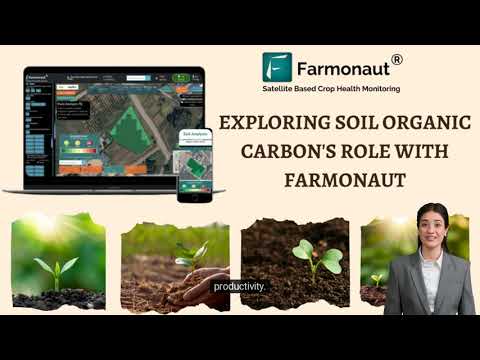
Discover how smart monitoring, carbon-focused farming, and climate-smart strategies are shaping a sustainable future. View this short video above to understand the practical relevance of these topics as we dive deeper!
Artificial Carbon Sequestration in Agriculture and Forestry
What is Artificial Carbon Sequestration?
Artificial carbon sequestration refers to human-engineered methods and technologies for capturing and storing atmospheric carbon dioxide (CO2) with the critical goal to mitigate emissions and reduce the presence of greenhouse gases in our atmosphere. These engineered strategies are complementary to natural sinks—such as forests, soils, and oceans—but are designed to accelerate carbon capture processes and stabilize carbon in durable forms.
Key Techniques and Methods
- Soil Carbon Injection and Amendment: Artificial injection of organic or mineral amendments to increase soil carbon content and promote stabilization of carbon in soils
- Enhanced Weathering of Minerals: Application of pulverized minerals (e.g., basalt, olivine) to agricultural fields, facilitating chemical reactions with CO2 that permanently store carbon in mineral forms
- Engineered Biofilters and Bioreactors: Use of artificial systems—biofilters or microbial bioreactors—to capture, convert, and store air-borne or soil-borne CO2
- Technological Monitoring Systems: Advanced sensors and satellite-based solutions for reliable, scalable monitoring and quantification of stored carbon, ensuring transparency and accountability
Benefits in Agriculture and Forestry
- Increasing Soil Organic Carbon Content: Leading to improved soil fertility, greater water retention, and better crop resilience to environmental stress
- Promoting Biomass Accumulation: Especially in silviculture systems where rapid biomass growth supports long-term carbon storage and ecosystem health
- Quantifying and Optimizing Carbon Sequestration: Through AI-based monitoring platforms (see: Farmonaut’s Carbon Footprinting system), stakeholders can accurately track and optimize the carbon footprint of their operations by leveraging satellite imagery and advanced analytics

These artificial sequestration techniques and systems stand as critical tools for agriculture and forestry in the face of escalating climate change, offering scalable solutions to reduce atmospheric CO2 and secure future productivity.
Why Artificial Methods Are Essential by 2025
- Natural sinks alone are insufficient to meet carbon reduction targets set in global climate agreements.
- Artificial sequestration strategies can be rapidly deployed and targeted to high-impact crops, regions, or ecosystems.
- Integrated monitoring and AI advisory systems enable adaptive and data-driven management, maximizing the effectiveness of interventions and supporting decision-making (related: read about large-scale farm management solutions on Farmonaut).

For robust, informed carbon optimization, our platform (Farmonaut) delivers real-time monitoring, satellite insights, and actionable systems for governments, institutions, and businesses.
Biochar Carbon Sequestration Potential: Technology and Application
Biochar: An Innovative Tool for Carbon Capture
Biochar, produced through the pyrolysis of organic biomass in low-oxygen conditions, is a highly stable form of charcoal that can be applied to agricultural soils to lock in carbon for centuries. The biochar carbon sequestration potential is significant, as it prevents the rapid release of CO2 back into the atmosphere, offering a durable storage solution and a weapon against climate change.
Unlock the full power of biochar carbon sequestration potential to transform soil, improve resilience, and build the agricultural systems of tomorrow.
“Biochar application can increase soil carbon storage rates by up to 50% compared to traditional farming practices.”
How Biochar Sequestration Works
- Production: Pyrolysis units use crop residues, wood chips, or dedicated energy crops, heating the organic feedstock to form biochar, releasing energy and gases that can be harnessed to power farms.
- Soil Application: Biochar is applied to agricultural soils where it improves nutrient retention, microbial diversity, water-holding capacity, and offers a stable home for organic carbon.
- Long-Term Storage: In soils, biochar is resistant to decomposition, locking away carbon in a stable form for centuries.
Biochar Benefits: Beyond Carbon
- Improved Soil Fertility: Increases cation exchange capacity, nutrient uptake, and plant health
- Enhanced Soil Water Retention: Especially critical during drought or periods of reduced rainfall
- Boosting Microbial Diversity: Supports beneficial fungi and bacteria, promoting organic matter breakdown and nutrient cycling
- Stabilizing Organic Matter: Reduces loss of nutrients to leaching and runoff
- Reduced Need for Chemical Fertilizers: Economical and environmentally sustainable for farmers
- Increased Crop Yields: Multiple studies report yield increases of 10-25% under optimal application and management
- Greater Pest and Drought Resistance: Strengthens plant defense and supports healthy root development

Scaling Up: Advances in Biochar Technology
- Energy-Efficient Pyrolysis Units: Lower production costs and carbon emissions per ton of biochar produced.
- Tailored Feedstock Mixtures: Optimized blends maximize carbon content and soil benefits for different crops and geographies.
- Integrated Precision Tools: Precision agriculture tools enable farmers to optimize biochar application rates and placement, preventing waste and maximizing climate, productivity, and soil health outcomes.
Interested in integrating biochar with modern monitoring and traceability systems? Farmonaut’s product traceability solutions ensure transparency in practices like carbon sequestration and climate resilience—all tracked via blockchain for authenticity and auditability.
Artificial Surface Frost Protection: Enhancing Climate Resilience
Understanding Frost: Risks and Impacts in Agriculture & Forestry
As climate variability intensifies in 2025, the frequency of spring frost events is rising across the globe—posing a severe threat to fruit orchards, vineyards, and young seedlings in forestry plantations. Frost damages cellular plant structures, reduces yields, and, in some instances, can wipe out entire crops.
Artificial Surface Frost Protection Methods
- Overhead Irrigation: By applying a thin layer of water that freezes, the release of latent heat keeps plant surfaces at/near 0°C, protecting sensitive tissues.
- Wind Machines: Move warmer air from above into contact with cold surface layers, raising overall ground temperatures.
- Reflective Covers and Thermal Blankets: Trap infrared radiation, reducing radiative heat loss during critical frost windows.
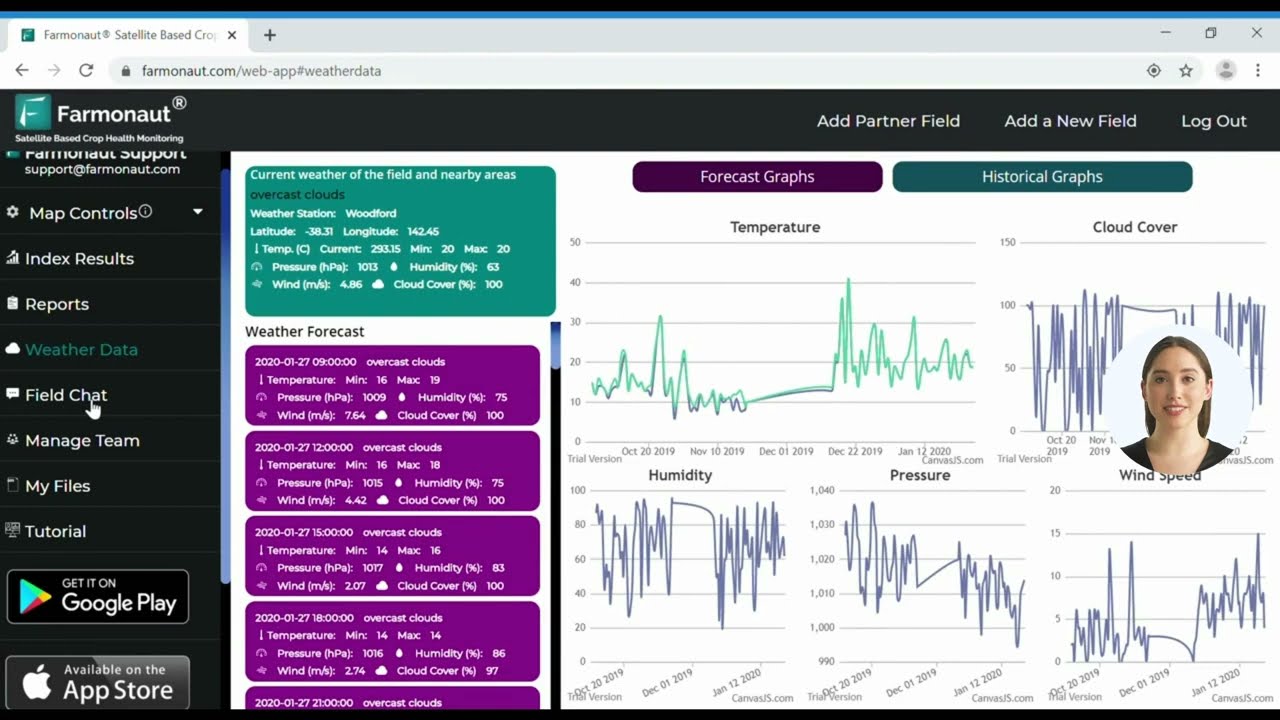
- Smart Sensor Networks and Automation: Modern systems now use field sensors, real-time weather forecasts, and automated controls to activate protection only when necessary—maximizing efficiency, minimizing costs.

Benefits of Artificial Surface Frost Protection by 2025
- Reduces Crop Losses: Especially for high-value or frost-sensitive crops, leading to higher overall productivity.
- Enhances Resource Efficiency: Smart activation minimizes water and energy use while delivering optimal protection.
- Supports Drought and Stress Tolerance: When combined with biochar, frost-protected soils retain more water and buffer against weather extremes.
- Costs are Rapidly Decreasing: Advances in sensor hardware, remote weather monitoring, and satellite connectivity make systems more affordable and widely accessible.

For those seeking data-driven frost and crop protection solutions, our Jeevn AI and monitoring tools also enhance situational awareness and strategy in real time. Learn more about how Jeevn AI can power agricultural intelligence and protection planning with Farmonaut’s large-scale farm management platform.
Comparative Impact Table: Biochar vs. Frost Protection vs. Traditional Practices
| Technology | Estimated Carbon Sequestration (tons CO2/ha/year) |
Impact on Soil Health | Crop Productivity Increase (%) | Additional Climate Resilience Features |
|---|---|---|---|---|
| Biochar Application | 6–10 | High | 10–25% | Improved water retention, reduced nutrient loss, increased microbial diversity |
| Artificial Surface Frost Protection | 0 (indirect, reduces emissions by preventing crop loss) | Medium | 5–15% | Reduced yield loss from frost, supports plant survival under extreme conditions |
| Traditional Practice (No Biochar, No Frost Protection) | 2–5 | Low–Medium | 0–5% | Limited drought/frost resilience, less efficient water and nutrient usage |
The table above illustrates the tangible advantages of integrating biochar carbon sequestration potential and artificial surface frost protection compared to traditional practices—emphasizing their impact on resilience, carbon storage, and crop productivity by 2025.
Integrated Systems: Synergistic Benefits for 2025
How Artificial Carbon Sequestration, Biochar, and Frost Protection Work Together
The convergence of artificial carbon sequestration, biochar application, and artificial surface frost protection creates a powerful, multifaceted approach to climate-smart agriculture and forestry.
- Carbon Sequestration & Biochar: Not only do these practices remove CO2 but also improve soil health, water retention, and resilience against both drought and frost.
- Frost Protection & Soil Health: Soils with higher carbon and biochar content enable plants to survive and recover from frost events with less stress-induced damage.
- Monitoring & Optimization: Integrating AI and satellite monitoring systems (such as those we provide) ensures that the benefits of these technologies are fully realized, continuously tracked, and refined for maximum impact by 2025 and beyond.
Projected Outcomes for Agriculture & Forestry
- Enhanced Crop Yields: Thanks to biochar application, soil health, and targeted frost protection methods, yield losses due to climate events are expected to decline.
- Mitigation of Greenhouse Gas Emissions: Artificial carbon sequestration and biochar combined are projected to sequester much higher levels of CO2 than classical natural sink strategies alone.
- Resilient Food Systems: Integrated approaches enable preparedness and adaptability to future climate challenges, supporting both food security and ecosystem stability.
For businesses or government institutions seeking to harness these advances, Farmonaut offers satellite-based environmental impact monitoring and carbon foot-printing solutions, enabling science-based decision-making and regulatory compliance. Learn more about Farmonaut’s carbon foot-printing tools here.
Ready to automate traceability for climate-positive products? Check out our traceability system—ensuring verifiable, blockchain-powered climate impact records on every batch or yield.
How Farmonaut Empowers Sustainable Agriculture and Forestry
Our Mission and Technologies
At Farmonaut, our mission is to make advanced, satellite-driven insights affordable and accessible by integrating innovative technology and data-driven solutions into agriculture, forestry, and beyond.
Our platform supports:
- Satellite-Based Monitoring: Real-time, multispectral crop health, soil carbon content, and field-to-forest diagnostics
- AI and Machine Learning Advisory: Our Jeevn AI delivers actionable recommendations, weather data, and risk alerts to optimize field interventions (such as timing of frost protection or biochar application)
- Blockchain-Powered Traceability: Transparent, tamper-proof tracking for sustainable practices—meeting both regulatory and market-driven climate goals
- Environmental Impact Monitoring: Carbon footprint analytics, resource use efficiency, and sustainable farm or forest management tools available via web app, iOS, Android, or direct API access
Explore our carbon footprinting and fleet management services, or integrate Farmonaut API (see developer docs) for tailored solutions.
Farmonaut does not sell farm inputs, machinery, function as a regulatory body, or provide an online marketplace. Instead, we supply the technological backbone enabling actionable insights to power artificial carbon sequestration, biochar potential, and climate resilience in the most data-driven and effective way.
Frequently Asked Questions
What is artificial carbon sequestration, and why is it important?
Artificial carbon sequestration consists of engineered methods—such as soil injection, mineral weathering, and biofilters—for capturing and storing atmospheric CO2. It’s vital as natural sinks alone cannot manage the rapid rise in emissions; artificial approaches accelerate and stabilize carbon capture, essential for hitting global climate goals by 2025.
How does biochar sequestration differ from other carbon capture methods?
Biochar sequestration is unique in locking organic carbon in a stable charcoal form for centuries after being applied to soils. Unlike living biomass or mineral weathering, biochar resists decomposition, increases soil fertility, water retention, and boosts microbial health, delivering both carbon storage and agronomic benefits.
What are the main types of artificial surface frost protection?
Key types include:
- Overhead irrigation systems
- Wind machines
- Thermal/reflective covers
- Sensors and smart automation networks
All approaches work by keeping surface and plant temperatures above the critical frost threshold, but smart, sensor-driven systems optimize resource use and reduce costs.
Are these technologies accessible to smallholder farmers by 2025?
By 2025, significant advances have driven costs for biochar production, frost protection tech, and satellite-based monitoring down, making them accessible and scalable—from small individual farms to large forestry operations. Platforms like Farmonaut offer affordable, subscription-based solutions tailored to many farm sizes and needs.
Can Farmonaut’s satellite technology support regulatory compliance and carbon credits?
Absolutely. Our platform is designed to provide quantifiable, verifiable carbon footprint data, supporting compliance with climate regulations and enabling access to carbon credit markets through reliable, satellite-based reporting and blockchain-powered traceability.
Conclusion: Ensuring Climate Resilience and Productivity by 2025
In summary, the integration of artificial carbon sequestration, biochar carbon sequestration potential, and artificial surface frost protection is set to revolutionize soil health, climate adaptation, and crop productivity in agriculture and forestry by 2025 and beyond. These innovative methods and systems are not just about removing CO2 from the atmosphere—they form the basis of resilient, productive, and sustainable food and ecosystem systems equipped to face tomorrow’s environmental stresses.
With Farmonaut’s satellite-driven platforms, users have the tools necessary to quantify, optimize, and scale these technologies—empowering farmers, foresters, agronomists, and policy makers alike. By embracing technology and data, agriculture and forestry can stand at the forefront of climate solutions, securing a sustainable, prosperous future for all.
For anyone ready to turn climate challenge into opportunity, the time to implement and scale these strategies is now. Explore our large-scale farm management platform and discover how actionable, precise data can transform your journey to climate-smart farming and forestry.
Get started with Farmonaut today:
- Web & Mobile Apps for Real-Time Monitoring
- Developer API Access for Integrations
- Carbon Footprinting Services
- Traceability for Climate-Beneficial Products
Empowering the future of artificial carbon sequestration, biochar carbon sequestration potential, and artificial surface frost protection—one insight at a time.

 Bharat Krushi Seva
 Geno
Geno Hayleys Agriculture
 Linx Agritech
 Adinet
 Save Your Soils
 Grandstream Algérie
 XOS Realty
 Geospatial Lab Africa
 Agro La Gándara
 HIPSAC
 ZOL Zimbabwe
 Juligerm
 AdBio
AdBio MISE Maroc
 NWNS
NWNS
