

Soil Shrink-Swell: Protect Water Infrastructure Now
“Soil shrink-swell causes over $2 billion in annual damage to U.S. infrastructure, including water pipelines and reservoirs.”
Table of Contents
- Introduction: Why Soil Shrink-Swell is a Hidden Threat to Water Infrastructure
- Understanding Soil Shrink-Swell Dynamics
- Impacts on Water Infrastructure: Dams, Pipelines, Canals, and More
- Why the Shrink-Swell Soil Threat Remains Hidden
- Advanced Engineering and Geotechnical Solutions
- Comparative Table: Innovative Soil Shrink-Swell Mitigation Methods
- The Role of Technology: Satellite and AI Monitoring for Soil and Water Infrastructure
- Farmonaut’s Groundbreaking Solutions for Soil and Water Infrastructure
- Mitigation Strategies for 2025 and Beyond
- Frequently Asked Questions (FAQ)
- Conclusion: Ensuring Resilient and Sustainable Water Infrastructure
Why Soil Shrink-Swell is a Hidden Threat to Water Infrastructure
In 2025, as climate variability intensifies and water demand surges worldwide, the resilience of water infrastructure is not just an option—it’s a necessity for sustainable development and community survival. Amidst this global push for resilient systems, a less-recognized competitor silently undermines essential assets like dams, pipelines, canals, and reservoirs: soil shrink-swell.
The behavior of expansive soils—especially their shrink and swell cycles due to moisture fluctuations—poses a hidden threat with the potential for substantial damage and system failures. Understanding this critical but often overlooked challenge is essential for ensuring reliable water supply, safeguarding infrastructure assets, and minimizing costly repairs in a changing world.
Understanding Soil Shrink-Swell Dynamics
Shrink-swell soils, also known as expansive soils, are dynamic natural materials that undergo significant volume changes as moisture levels fluctuate. These soils typically contain clay minerals such as montmorillonite and bentonite, which absorb water and swell (expansion), then lose moisture and shrink (contraction).
- Swelling: When moisture increases—for example, after rains or irrigation—the soil’s clay particles absorb water, causing expansion.
- Shrinking: During extended dry spells, the same soil loses moisture, leading to shrinkage and contraction.
This cyclical expansion and contraction of soil can cause severe ground movement. In the context of water infrastructure, such movements generate stress on foundations and structures, leading to cracks, leaks, misalignment, and potentially, catastrophic failures. Despite this natural phenomenon, the magnitude of damage these cycles can cause is frequently underestimated during geotechnical site investigations and structural design phases.

Key Terms in Soil Shrink-Swell Behavior
- Active Zone: The depth range in the soil profile where most moisture changes occur, driving volume variability.
- Atterberg Limits: Laboratory measured values representing the boundaries between plastic and liquid states of clay soils, indicating expansive potential.
- Swell Potential: A numeric estimate of the degree to which soil can expand under increasing moisture content.
- Shrinkage Limit: The lowest moisture content at which soil volume change ceases during drying.
Where Are Expansive Soils Common?
Expansive soils are found worldwide. Major regions include arid/sem-arid zones, large parts of North America, India, Australia, sub-Saharan Africa, and South America—especially in agricultural regions reliant on irrigation. The risks they pose are universal for water infrastructure systems, particularly as climate conditions change and moisture cycles intensify.

Impacts on Water Infrastructure: Dams, Pipelines, Canals, and More
The consequences of shrink-swell soil behavior on water infrastructure assets are wide-ranging and can be catastrophic. Expansive soils generate forces strong enough to crack reinforced concrete, distort embankments, or rupture pipelines. The following sections explore these impacts and their critical implications for 2025 and beyond.
1. Dams and Reservoirs
-
Embankment dams constructed over shrink-swell soils face risks of foundation instability. Swelling can exert upward pressure on the dam base, while shrinking causes voids and subsidence. Both can result in settlement, cracking, or even failure of the dam structure.
- Potential Outcomes: Seepage, internal piping, and, in worst cases, catastrophic failure of reservoirs requiring emergency response and costly repairs.
2. Canals and Irrigation Channels
-
Expansive soils below lined canals or irrigation ditches can crack lining systems, resulting in leakage, water loss, and diminished delivery efficiency.
- Regionally Problematic: Especially in agricultural regions where canals are supply lifelines, these losses directly threaten crop yields and food security.
3. Pipelines
-
BURIED PIPELINES are particularly susceptible, as volume changes in adjacent soil create bending forces and joint stress. Over time, this produces cracks, ruptures, or misalignment, interrupting water delivery and demanding difficult repairs.
- Extended Impact: Leaks not only cause water loss but can also introduce contaminants into supply systems.
4. Water Treatment Facilities and Structures
- Foundations of heavy equipment and treatment building structures are threatened by underlying shrink-swell soil—potentially resulting in structural misalignment, floor cracking, and equipment malfunction.

What Makes These Impacts So Severe?
Structural failures due to shrink-swell soil cycles can be difficult to attribute, as the damage may manifest years after construction and after moisture conditions have changed. This delayed manifestation makes identifying the root cause challenging and hinders effective mitigation or repairs.
“In 2025, advanced geotechnical sensors can detect soil movement as small as 0.1 millimeters, preventing costly water system failures.”
Why the Shrink-Swell Soil Threat Remains Hidden
Despite the magnitude of risk, why is soil shrink-swell behavior still a hidden threat to water infrastructure?
- Inadequate Soil Assessment: Traditional geotechnical site investigations may prioritize load-bearing capacity or slope stability, while often overlooking detailed tests for soil expansiveness.
- Delayed Manifestation of Structural Damage: The effects of shrink-swell cycles may take years to surface after initial construction, severing the obvious connection to soil as the root cause.
- Climate Change Intensifies Variability: With droughts and intense rainfall events growing more frequent, soil moisture variability now exceeds historic norms—making traditional “safe” designs less effective.
- Complex Water-Soil-Structure Interactions: Groundwater extraction, recharge schemes, or even unexpected leaks in the network may rapidly shift local moisture regimes, accelerating movement and damage in ways engineers did not predict.
- Underestimation in Design Phases: The actual magnitude of soil movement is frequently underestimated during planning and design, due to reliance on coarse survey data or outdated standards.
The result: water infrastructure systems are compromised by a threat that remains hidden, slow-moving, but ultimately extremely costly.

Advanced Engineering and Geotechnical Solutions
As climate change intensifies and water system demand surges, engineering approaches must evolve. 2025 offers new hope, thanks to advanced geotechnical methods and monitoring technologies that improve our ability to safeguard water infrastructure from shrink-swell risks.
Key Engineering Approaches
- Comprehensive Site Characterization: Utilize lab and field-based geotechnical tools—such as swell potential tests, Atterberg limits analysis, plasticity index testing, and moisture retention profiling—to identify expansive soils beyond just standard penetration testing.
- Deep Foundations: Design building and pipeline foundations using driven piles or drilled shafts that extend well below the surface “active zone”, bypassing soil layers most susceptible to shrink-swell changes.
- Geosynthetics: Incorporate layers of geotextiles, geo-membranes, or geocells below canals, reservoirs, or embankments to compartmentalize shrink-swell effects and catch moisture seepage before it impacts structures.
- Chemical and Physical Soil Stabilization: Apply lime, cement, or proprietary admixtures to chemically alter high-plasticity soils, reducing their expansion capacity. Physical stabilization includes replacing problematic soil layers with non-expansive backfill.
- Flexible Structural Design: Embrace expansion joints, flexible pipeline couplings, and articulated canal linings that allow for small, controlled movements without causing structural cracking.
- Drainage and Moisture Control: Install subsurface drainage systems and moisture control membranes to minimize water intrusion into shrink-swell-prone soils in the first place.
- Remote and In-situ Monitoring: Deploy geotechnical instrumentation such as piezometers, inclinometers, and most recently, satellite-based soil moisture sensors for early warning of damaging cycles.

Designing for 2025: Modern Infrastructure Must Be Resilient
By adopting a combination of these strategies, engineers and managers can create resilience in water infrastructure systems, protecting investments and ensuring sustainable delivery for the future.
Comparative Table: Innovative Soil Shrink-Swell Mitigation Methods
| Engineering Solution | Description | Estimated Cost Range (USD/m²) | Effectiveness | Technology Readiness | Environmental Impact |
|---|---|---|---|---|---|
| Soil Stabilization (Lime/Cement) | Chemical treatment of expansive soils to reduce swelling potential. | $10 – $25 | High | Commercial | Medium |
| Geosynthetics (Geotextiles, Geomembranes) | Synthetic layers to compartmentalize soil movement and enhance drainage. | $8 – $20 | Medium-High | Commercial | Low-Medium |
| Deep Foundations (Piling, Drilled Shafts) | Load-bearing elements bypass active shrink-swell zone. | $40 – $90 | High | Commercial | Medium |
| Chemical Admixtures (Polymer, Proprietary Mixes) | Additives to enhance structure and minimize soil volume fluctuation. | $20 – $45 | Medium | Pilot-Commercial | Medium |
| Flexible Structural Joints | Allows pipelines/canals to safely accommodate ground movement. | $5 – $15 | Medium | Commercial | Low |
| Drainage & Moisture Barriers | Removes excess water and prevents large swings in soil wetting/drying. | $6 – $18 | Medium | Commercial | Low-Medium |
| Soil Replacement | Removing and backfilling with non-expansive soils under critical assets. | $25 – $60 | High | Commercial | Medium |
| Remote Sensing & Monitoring | Early detection of soil movement/moisture variability via sensors & satellite. | $2 – $8 | Medium-High | Pilot-Commercial | Low |
The Role of Technology: Satellite and AI Monitoring for Soil and Water Infrastructure
2025 brings new possibilities for safeguarding water infrastructure by harnessing technological advancements—especially satellite and AI-powered systems.
- Satellite-Based Monitoring: Modern multispectral satellites are capable of detecting soil moisture trends, land deformation, and even subtle ground movement over time.
- In-Situ Sensors: Geotechnical sensors (e.g., extensometers, moisture probes) installed on-site now detect movement as small as 0.1 millimeters, giving early warnings of potentially damaging shrink-swell cycles.
- AI-Driven Analysis: By integrating satellite imagery, sensor data, and historical weather patterns, AI can model future soil expansion/contraction risk areas—enabling proactive infrastructure management.

Game-Changer for Resilience
The integration of these technologies means that hidden threats—once invisible during routine inspections—now can be actively monitored, modeled, and managed, drastically reducing the likelihood of surprise structural failures and costly repairs.
Farmonaut’s Groundbreaking Solutions for Soil and Water Infrastructure
As a leading satellite technology company, Farmonaut is at the forefront of delivering actionable insights to address soil shrink-swell challenges in water infrastructure. Our mission revolves around making satellite-driven data affordable and accessible to professionals, businesses, and institutions globally. Here’s how our technology landscape directly strengthens resilience against hidden soil threats:
- Satellite-Based Soil and Infrastructure Monitoring: Through multispectral satellite imagery, we empower users to monitor moisture levels, vegetation, and infrastructure health. This is key in identifying areas at high risk of shrink-swell-induced movement and preventing potential failures before they escalate.
-
AI-Powered Advisory and Early-Warning Systems: Our Jeevn AI Advisory System analyzes satellite data in real time, forecasting weather, soil moisture, and potential risks to water infrastructure. This tailored intelligence allows managers to prioritize mitigation and ground maintenance efforts.
Access our developer API to integrate remote sensing soil and water infrastructure intelligence into your applications.
Review our API developer docs for technical integrations. - Blockchain for Traceable, Transparent Infrastructure Monitoring: Our blockchain-based traceability solutions guarantee authenticity and data’s integrity in system reporting. This reduces informational gaps that allow hidden threats like shrink-swell behavior to be overlooked or misreported.
- Fleet and Resource Management: With our infrastructure fleet management tools, organizations can track vehicle movement, maintenance schedules, and resource allocation—minimizing logistical downtime when responding to ground or pipeline events.
- Environmental Impact Tracking: Our platform measures emissions, moisture-use patterns, and land deformation, helping institutions align with sustainability goals as they adapt their infrastructure to climate change.
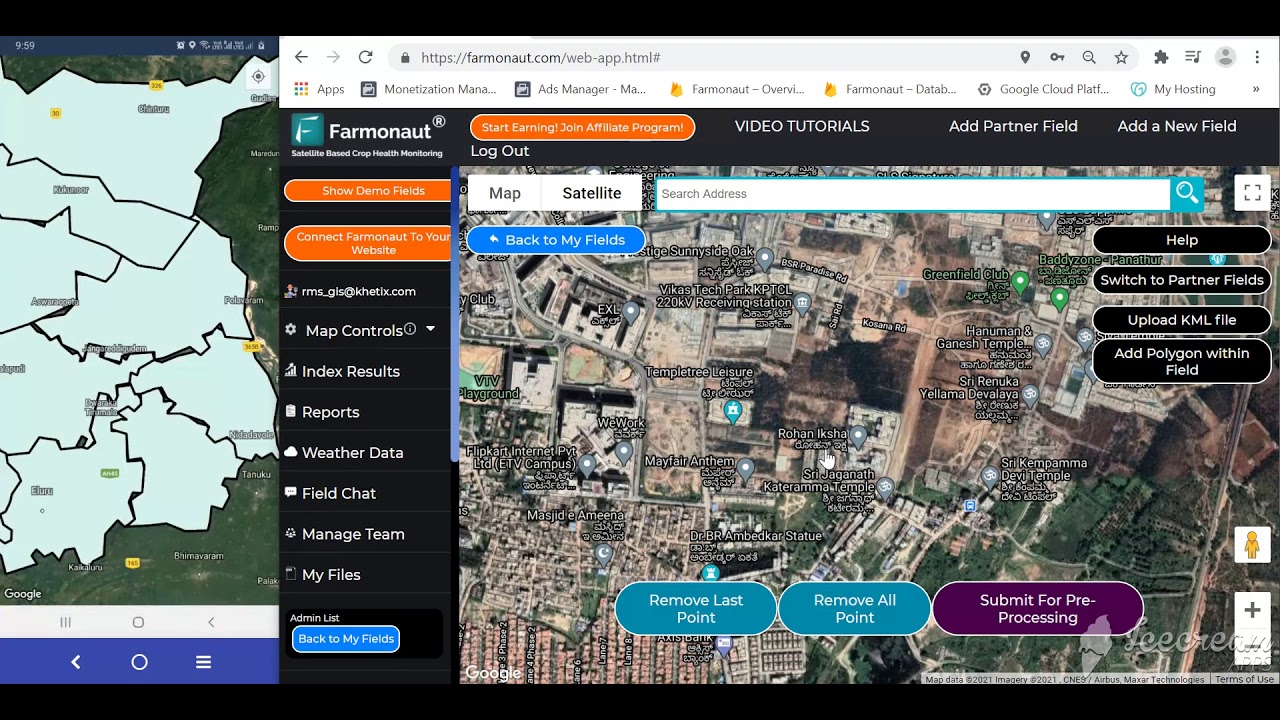
For large-scale regional monitoring, our Agro Admin App makes it simple for public authorities and enterprise managers to coordinate infrastructure assessments based on the latest soil and water status analytics.
With real-time environmental tracking and AI-enabled insights, Farmonaut actively empowers public and private sectors in ensuring the resilience and safety of their infrastructure assets—streamlining risk management and regulatory compliance.
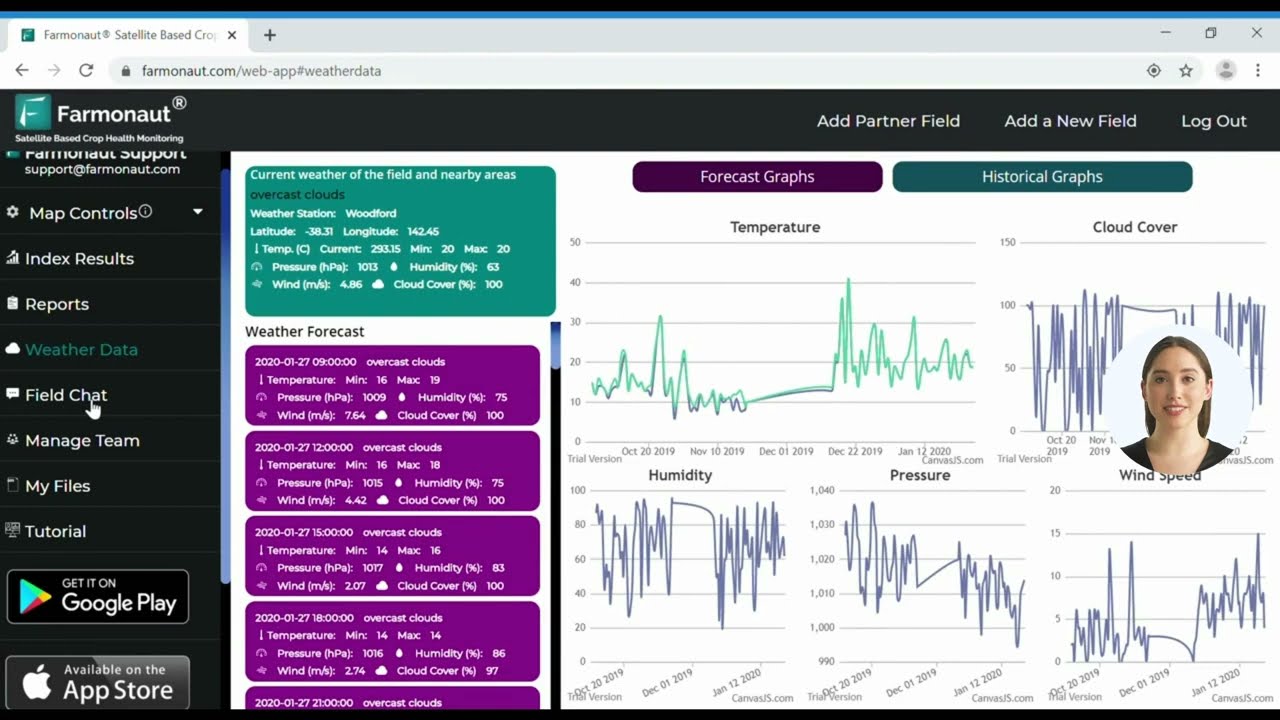



Ready to make satellite-based soil and water monitoring effortless? Download our app today!
Mitigation Strategies for 2025 and Beyond
Addressing shrink-swell soil risk in water infrastructure systems is not just possible—it’s essential for sustainable development. Here’s how stakeholders can act, based on the latest advances and best practices for 2025 and the future:
- Complete and Early Site Characterization: Integrate advanced geotechnical testing and remote sensing to accurately identify expansive soils well before construction begins. This step is crucial for effective risk design and engineering strategies.
- Flexible and Adaptive Engineering Design: Adopt multi-layered mitigation approaches: deep foundations where structural loads are high, geosynthetics and drainage where canal lining is needed, and expansion joints for pipeline and channel systems.
- Active Monitoring and Predictive Maintenance: Utilize real-time monitoring (satellite, sensor networks, and AI analytics) to detect early warning signs of movement, allowing intervention before severe damage takes place.
- Integrated Water and Land Management: Manage groundwater extraction and artificial recharge to keep soil moisture at stable levels, minimizing shrink-swell cycling in infrastructure-adjacent areas.
- Community and Stakeholder Education: Train engineers, planners, and operators to recognize soil shrink-swell risks, making it routine to include expansive soil dynamics in every infrastructure plan.
Frequently Asked Questions (FAQ): Soil Shrink-Swell & Water Infrastructure
-
What causes soil shrink-swell?
Soil shrink-swell is primarily caused by the presence of expansive clay minerals—such as montmorillonite—that absorb water and swell, then dry out and shrink. The cyclical change in moisture content is the main driver of ground movement. -
Which types of water infrastructure are most vulnerable?
Dams, reservoirs, pipelines (especially buried ones), canals, irrigation channels, and water treatment foundations are all susceptible to damage from shrink-swell soils—particularly when these soils are not identified and addressed in the design phase. -
How can shrink-swell damage be identified?
Cracks in concrete or lining materials, misaligned pipes or structures, unexplained water loss or leakage, and noticeable movement of embankments are common signs. Modern geotechnical sensors and satellite monitoring greatly improve early detection. -
What is the most cost-effective mitigation approach?
Combining site-specific soil stabilization (e.g., lime or cement treatment) with remote monitoring for early warning is generally the most cost-effective combination. Flexible joints and geosynthetics can further lower long-term repair costs. -
How does climate change increase the risk of soil shrink-swell?
Climate change drives more frequent and severe droughts, alternating with intense rainfall events, increasing the magnitude and speed of soil moisture fluctuations. This amplifies shrink-swell cycles and the corresponding risks to infrastructure. -
How can technology like Farmonaut’s platform help?
By leveraging satellite-based monitoring, AI analytics, and blockchain, Farmonaut enables real-time detection of risk, supports compliance, streamlines maintenance, and augments decision-making for large-scale water and soil-related infrastructure projects.
Conclusion: Ensuring Resilient and Sustainable Water Infrastructure
As the world faces a future defined by climate variability, growing water demand, and the necessity of sustainable development, protecting water infrastructure from soil shrink-swell threats rises to the top of our priorities. The hidden and often underestimated nature of shrink-swell soils, coupled with the magnitude of structural risk and the high costs of failure, makes proactive understanding, design, and management absolutely essential.
With 2025 heralding advances in geotechnical engineering, satellite monitoring, and AI-driven analysis, the tools to anticipate and safeguard our critical infrastructure are more accessible and actionable than ever before. Forward-thinking stakeholders—from engineers and planners to utility managers and policymakers—can now confront these challenges head-on by:
- Integrating soil shrink-swell risk analysis into every infrastructure project lifecycle.
- Embracing flexible, advanced mitigation designs tailored to site-specific geology and hydrology.
- Utilizing real-time technology—including Farmonaut’s accessible satellite and AI platforms—for affordable, scalable management and monitoring.
- Committing to ongoing education and community engagement to foster a culture of resilience and adaptability.
The lesson is clear: soil shrink-swell is not merely a technical nuisance; it is a foundational, natural force that will continue to shape the fate of water infrastructure for generations. By recognizing, preparing for, and engineering around this hidden threat, we safeguard the systems that underpin protection, prosperity, and the very sustainability of our societies.
Let us act now—leveraging the best of technology, innovation, and science to protect water infrastructure for a future resilient to the challenges of soil and climate change.
Download the Farmonaut app or web platform to get started with satellite-driven, affordable, and actionable soil moisture and infrastructure monitoring—making every project strong against the hidden threat of soil shrink-swell.

 Raintree Computing
 Agricultural Credit Policy Council
 BayWa
BayWa MCSOD
MCSOD Marei Nursery
 eKGIS
eKGIS Mostas Tech
 Native Seeds
 Andex
Andex FCF India
 Unifrutti Gulf
 Deluxe Conseil
 TVS Electronics
 WICO
WICO Chimera Innovation
 SkyHarvest
