

Climate Change Impact on Copper Mining: 2025 Trends
The Impact of Climate Change on Copper Mining: Latest Trends in 2025
Table of Contents
- Introduction: Setting the Global Context
- Copper Mining in 2025: Climate-Focused Industry Overview
- Rising Temperatures: Operational and Workforce Challenges
- Water Scarcity: The Most Pressing Resource Challenge
- Extreme Weather Events and Infrastructure Vulnerability
- Environmental Regulations and Reducing the Carbon Footprint
- Sustainability, Social License, and Community Expectations
- Technology, Innovation, and Adaptive Management
- Satellite-Driven Monitoring and Management in Mining with Farmonaut
- Climate Change Factors and Their Estimated Effects on Copper Mining (2025)
- Future Prospects: Opportunities and Outlook for a Sustainable Industry
- Frequently Asked Questions
- Conclusion
“By 2025, copper mining regions could face up to 40% higher water scarcity risk due to climate change.”
Introduction: Setting the Global Context
Copper mining remains a critical industry worldwide, underpinning various sectors including electrical infrastructure, renewable energy systems, and electronics manufacturing. As the world advances rapidly in the direction of electrification and a green energy transition, copper demand continues to soar.
However, climate change presents multifaceted challenges and opportunities for the copper sector. From rising temperatures in the desert areas of Chile to water scarcity and shifting precipitation patterns, mining operations in 2025 must adapt to a new reality. Latest trends show that adaptation and innovation are no longer optional—they are vital for survival and sustainability.
In this comprehensive blog, we examine The Impact of Climate Change on Copper Mining: Latest Trends in 2025, covering:
- Direct climatic challenges: heat stress, water shortages, and extreme weather
- Emerging environmental regulations and industry adaptations
- The role of technology and data-driven monitoring solutions, including satellite-based approaches like those offered by Farmonaut
- Sustainability expectations from regulatory bodies, investors, and local communities
- Table: Comparative data on climate factors influencing copper mining in 2025
- Future outlook for a sustainable copper supply chain
Copper Mining in 2025: Climate-Focused Industry Overview
As of 2025, copper mining is at a crossroads—balancing increased global demand with intensifying climate challenges. The sector remains the backbone for manufacturing, electronics, electric vehicles, and grid modernization projects. With the transition to green energy accelerating, major copper-producing regions such as Chile (home to the Atacama Desert), Peru, the USA (notably Arizona), and Central Africa are under pressure to deliver more output—but also to do so sustainably.
Why is copper so critical in 2025?
- Electrification drives copper demand: Electric vehicles, wind and solar installations, and energy storage systems all require extensive copper wiring and components.
- Global supply chain dependencies: The world’s largest economies—China, the USA, Germany—rely on stable copper supply for manufacturing and technological development.
- Copper as a green metal: While contributing to the green transition, the mining and processing of copper pose environmental concerns if not managed responsibly.

Rising Temperatures: Operational and Workforce Challenges
“Rising temperatures may reduce copper mining efficiency by 10% in major producing countries by 2025.”
The escalation of average temperatures has emerged as one of the most influential climate change factors affecting mining operations globally. In regions like Chile’s Atacama Desert, where many of the world’s largest copper mines operate, the impacts are especially pronounced:
- Worker safety risks increase due to heat stress, dehydration, and heat-related illness—prompting companies to introduce more frequent breaks, shift rotations, and health monitoring.
- Operational efficiency suffers as equipment struggles in hotter environments—engines, conveyor belts, and ore processing plants all are less efficient at elevated temperatures.
- Rising evaporation rates lead to higher water loss from open reservoirs and wastewater ponds, challenging resource management.
- Reduced operational windows: Extreme heat often limits safe outdoor working hours, thus disrupting production schedules and increasing costs.
Notably, multiple Chilean mining companies have documented how 2023 and 2024’s heatwaves forced them to halt operations during the hottest parts of the day. In 2025, such trends continue, further emphasized by stricter safety requirements in arid and high-altitude areas.
Expert Insight: Climate Change and Worker Health
Extreme temperature events—previously rare—have become almost seasonal in traditionally stable climates. Workers are at increased risk of heat exhaustion and incidents, compelling companies to invest in more robust health and safety measures.

Key takeaways:
- Average temperature increases of just 1-2°C can result in a 5–10% hit to mining productivity in the world’s intensive copper regions by 2025.
- Companies need to re-evaluate work schedules, onsite medical support, and capital investments in heat-resilient equipment.
Water Scarcity: The Most Pressing Resource Challenge
Water is indispensable in modern copper mining, mainly for ore processing, dust suppression, and safety. However, in 2025, water scarcity reaches unprecedented severity:
- Climate change-induced shifts in precipitation patterns—especially increasing drought frequency—directly reduce available freshwater supplies in mining regions including Chile’s Atacama Desert, Peru’s Andes, and Arizona.
- Competition over water escalates between mines, local communities, agriculture, and indigenous groups, straining social license to operate.
- Companies respond by investing in water reuse technologies—such as high-efficiency water recycling plants and sourcing from desalinated seawater instead of groundwater.
- Environmental regulations increasingly mandate reduced water withdrawals and comprehensive impact assessments for new mining projects.
By 2025, mining operations have reached a tipping point: without adapting resource management strategies, key projects risk shutdowns or legal obstacles.

How are mining companies responding?
- Desalination Plants: In Chile, many large copper mines have built desalination facilities to turn Pacific seawater into a sustainable industrial supply. This dramatically reduces pressure on critical freshwater resources but increases energy demands.
- Advanced Water Recycling: Technologies for treating and reusing wastewater onsite are now standard practice at most new or expanded mining operations in high-risk areas.
- Strategic Partnerships: Proactive engagement with local communities and agriculture is now essential, as is transparent reporting of consumption, reuse, and conservation measures.
- Discover how real-time water monitoring and environmental tracking are changing mining practices in 2025—learn more about carbon footprint monitoring solutions from Farmonaut.
Extreme Weather Events and Infrastructure Vulnerability
The frequency and severity of extreme weather events is rising fast in 2025. For copper mining, this means direct risks to operational infrastructure and the safety of personnel.
- Landslides, floods, and storms increasingly disrupt supply chain logistics—roads and railways to remote mine sites are frequently blocked or damaged.
- Equipment and processing facilities are vulnerable to flash flooding, storms, and even wildfires exacerbated by drought and rising temperatures.
- Downtime and repair costs are climbing—delays caused by weather now account for an estimated 10–15% of lost production time in the most vulnerable regions.
To mitigate these risks, many companies are:
- Redesigning facilities for higher resilience, flood-proofing, and rapid repairs
- Investing in real-time weather monitoring systems and predictive analytics
- Developing flexible supply chain and logistics strategies that can adapt to unexpected disruptions
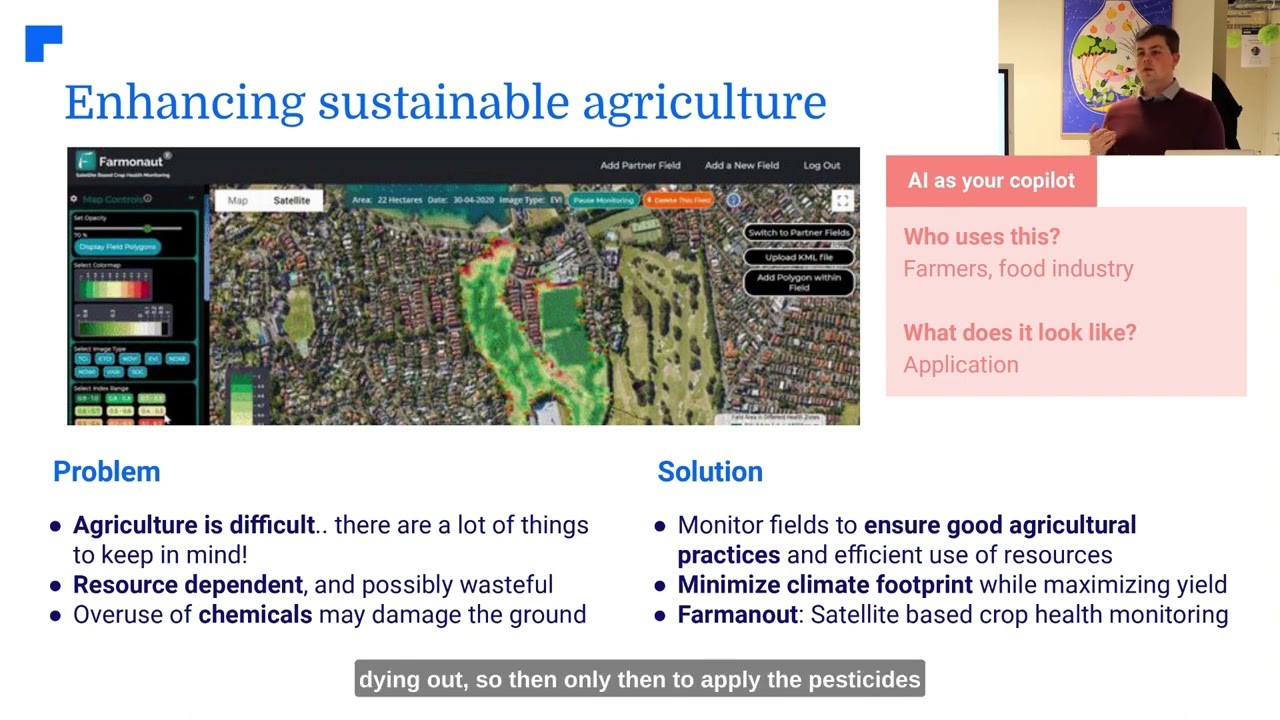
Stay ahead of operational disruptions with satellite-based fleet and resource management tools from Farmonaut that monitor asset locations and streamline emergency response.
Environmental Regulations and Reducing the Carbon Footprint
Across the globe in 2025, governments and regulatory organizations are tightening environmental regulations on the copper mining industry. Investors, international organizations, and end-users increasingly require mining to align with stringent sustainability and carbon footprint reduction targets. Some major trends include:
- Greenhouse gas emissions limits: Copper mining is energy-intensive and relies heavily on fossil fuels for ore extraction and transport. Regulations now mandate year-on-year emissions reductions.
- Renewable energy integration: Solar and wind farms are being integrated directly with mine operations, particularly in regions like northern Chile and Arizona.
- Electrification of mining equipment: Next-generation electric haul trucks, drilling equipment, and conveyors reduce both local air pollution and total carbon output.
- Innovation in ore processing: New tailings management and low-energy refining technologies are prioritized to decrease environmental impact.
-
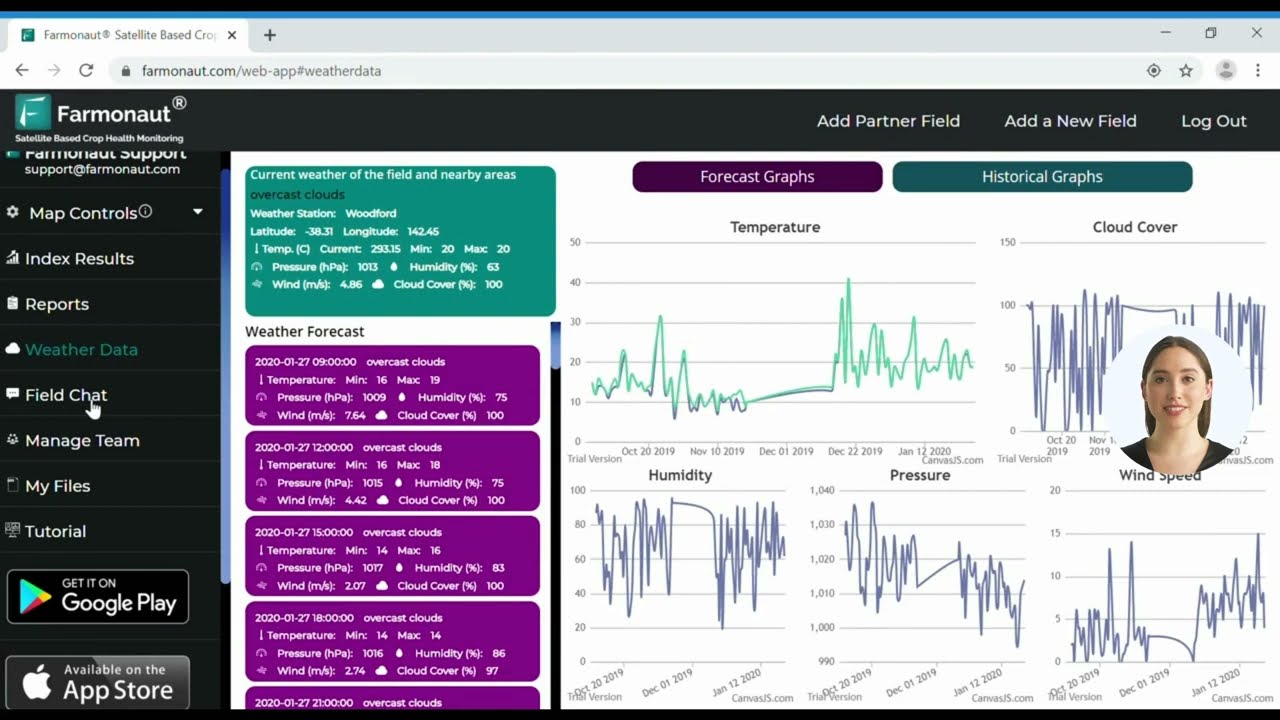
See how carbon footprint monitoring enables better compliance and supports sustainability in mining—track real-time emissions and prove your environmental responsibility.
Sustainability, Social License, and Community Expectations
Beyond physical and regulatory challenges, social dynamics in 2025 play a decisive role in copper mining’s future. Local communities, NGOs, and global consumers demand:
- Transparency in water use, tailings management, and land reclamation
- Respect for indigenous rights and proactive inclusion of community voices in project planning
- Measurable benefits to regional employment, infrastructure, and environmental restoration
- Real sustainability credentials—not just greenwashing
The social license to operate is now conditional, not guaranteed. Mining projects failing to address community expectations face delays, protests, or even shutdowns.

Take transparency further with blockchain-based traceability from Farmonaut: Record the complete journey of copper from extraction to delivery, building community and investor trust.
Technology, Innovation, and Adaptive Management
In 2025, innovation is not a luxury—it’s a necessity. The latest trends in mining technology focus on real-time monitoring, data-driven adaptation, and digitalization:
- Satellite monitoring: Enables remote, high-frequency assessment of mine infrastructure, vegetation cover, water availability, and environmental impacts.
- AI and Machine Learning: Drive predictive maintenance schedules, optimize fleet movements, and anticipate weather-related disruptions.
- Blockchain: Secures the traceability of copper and mining resources, ensuring compliance throughout the supply chain.
- Digital twins and smart mine management: Virtual representations of physical assets aid scenario planning and resource maximization.

Many mining operators now use subscription platforms and open APIs to connect their data systems directly with advanced monitoring tools.
Explore fleet management and API integrations for mining via Farmonaut’s platform, or review the API developer documentation for custom solutions.
Try Farmonaut Platform:



Satellite-Driven Monitoring and Management in Mining with Farmonaut
As we navigate 2025’s climate-driven mining landscape, advanced solutions integrating satellite technology, AI, and blockchain become invaluable.
At Farmonaut, our algorithms and satellite data provide:
- Multispectral imagery analyses to observe real-time changes at mining and infrastructure sites—track vegetation loss, water body shrinkage, and soil stability for effective risk mitigation.
- Jeevn AI advisory tools that deliver actionable weather forecasts and adaptation strategies in the face of extreme or shifting climatic conditions.
- Blockchain-backed traceability solutions for transparency in copper production and export chains, helping companies comply with regulations and community expectations.
- Fleet tracking and operational management for maximized resource usage, safety, and rapid emergency response.
- Environmental impact monitoring (including carbon footprint tracking) to ensure continuous sustainability compliance and efficiency.

By placing data-driven technologies at the heart of copper mining operations, it’s increasingly possible to respond effectively to volatility and to minimize environmental impact—while achieving long-term economic returns.
Climate Change Factors and Their Estimated Effects on Copper Mining (2025)
| Climate Change Factor | Estimated Impact on Copper Output (%) | Sustainability Response/Trend | Potential Environmental Benefit |
|---|---|---|---|
| Rising Temperatures | -5% to -10% (reduced efficiency, heat-induced downtime) | Shift to night operations, worker safety innovations, heat-resistant equipment upgrades | Improved energy efficiency and occupational health standards |
| Water Scarcity | -10% to -15% (processing interruptions, lost production) | Desalination, advanced water recycling, ecosystem restoration projects | Reduced pressure on freshwater sources, better water recycling rates (up to 85%) |
| Extreme Weather Events | -7% to -12% (downtime, infrastructure damage) | Infrastructure resilience design, predictive weather analytics, diversified logistics | Reduced environmental risk due to better preparedness |
| Carbon Regulations | Indirect (cost increases; output stable if compliance met) | Transition to renewable energy, electrification, GHG tracking platforms | Reduced greenhouse gas emissions (10–40% reduction targets) |
| Social Expectations | Direct (project delays or approvals dependent on compliance) | Community engagement, traceability solutions, open data reporting | Long-term community trust, more holistic sustainability practices |
Future Prospects: Opportunities and Outlook for a Sustainable Industry
-
Digitalization and Decarbonization:
The copper mining sector is actively prioritizing digital transformation. By leveraging real-time data, AI-driven analytics, and blockchain-based traceability, companies can swiftly adapt to changing climatic conditions and regulatory demands. Decarbonization, via energy efficiency and renewables, will be non-negotiable for mine approvals in the near future. -
Circular Economy Potential:
Increasingly, copper mining is exploring urban mining—recovering copper from e-waste and scrap as part of a circular economy. Such processes are comparatively less water- and carbon-intensive, helping relieve supply and environmental pressures. -
Regional Opportunities and Shifts:
As arid, polar, and high-altitude regions face new constraints, mining companies are reevaluating the geographic diversification of copper projects. Investment may shift toward regions less exposed to water stress and extreme weather events—though social and biodiversity risks will persist. -
Collaboration and Stakeholder Engagement:
Success in the face of climate change increasingly depends on active, transparent engagement with local communities, governments, and other industries using the same natural resources. Sustainability is not achieved in isolation.
Frequently Asked Questions (FAQ)
How does climate change directly impact copper mining in 2025?
Climate change leads to higher average temperatures, increased water scarcity, and more frequent extreme weather events, each of which can reduce operational efficiency, disrupt supply chains, and threaten the long-term sustainability of copper mining operations worldwide.
What regions are most vulnerable to climate-induced mining challenges?
Regions like the Atacama Desert in Chile, the Peruvian Andes, and Arizona in the USA are highly vulnerable due to arid climates, scarce water resources, and exposure to temperature extremes.
What sustainability trends are shaping copper mining in 2025?
Key trends include integrating renewable energy into mining operations, advanced water recycling and desalination, carbon footprint tracking, blockchain-based supply chain traceability, and proactive community engagement.
How does technology help mitigate climate risks for copper mining?
Satellite monitoring, AI-driven advisory, predictive analytics, and traceability solutions provide real-time adaptation, optimize resource use, and support compliance with environmental regulations.
How can mining companies use Farmonaut’s satellite solutions?
Farmonaut’s platform enables real-time monitoring of environmental conditions, fleet management, traceability, and carbon footprint tracking—delivering actionable data to streamline mining operations and support regulatory compliance.
Conclusion
In 2025, The Impact of Climate Change on Copper Mining: Latest Trends signals a defining shift. The industry faces significant operational risks—from heat, water shortages, and infrastructure vulnerabilities to regulatory transitions and changing social expectations. Only companies embracing sustainability, innovation, and proactive adaptation will secure long-term viability and retain a vital place in the global supply chain.
Access to real-time data, environmental impact tracking, and transparent community engagement will distinguish leaders from laggards. As next-generation technologies—from AI to blockchain—become standard, and as pressure for green copper grows, the sector’s resilience will hinge on agility and foresight.
Farmonaut remains committed to making affordable, advanced satellite insights available to all industry stakeholders, empowering businesses, users, and governments to drive efficient, sustainable, and responsible copper mining operations in the face of climate change.
Discussion
Questions, corrections or field experience? Share them below. First-time comments are reviewed before they appear, and your email is never published.
No comments yet. Be the first to add a question or your experience.

 Ramani Investments Ltd
 Congo Mining Solutions
 Mining SARL
 SenGold Invest SAS
 Sania Corporation
 Sean Mining Limited
 NTS Group (Pty) Ltd
 Mine4Africa
 Lithspo Minerals Limited
 Tintina Mining Group
 Dalgety Minerals Pty Ltd
 Vortex Minerals Pty Ltd
 Faith At Work (Pty) Ltd
 Geotech Mining Solutions plc
 Vulcan International Limited
 Kidepo Associates
 GKY Mining
 Alkimy SARL
 Double A Trading
 GemSprout Metals Limited










