

Copper and Copper Oxide: 7 Innovations for 2026 – Transforming Agriculture & Infrastructure
Table of Contents
- Summary: Copper and Copper Oxide in 2025–2026
- Trivia
- Copper and Copper Oxide: Chemical & Physical Characteristics
- Why 2026 is the Year for Copper and Copper Oxide Innovations
- 7 Leading Innovations for 2026
- Innovations Comparison Table
- Advances in Infrastructure: Protective Coatings, Conductivity, and Sustainability
- Copper and Copper Oxide in Modern Mining & Extraction
- Revolutionizing Agriculture & Precision Farming
- Forestry Applications: Wood Preservation and Beyond
- How Farmonaut Supports These Innovations
- Expert Video Insights
- FAQ: Copper, Copper Oxide, and Next-Gen Applications
- Farmonaut Subscriptions & Additional Resources
Summary: Copper and Copper Oxide – Transforming Agriculture & Infrastructure in 2025–2026
Copper is one of the world’s most versatile and essential metals. As we step into 2026, the enormous impact of both copper and copper oxide is reshaping key industries including agriculture, infrastructure, and mining. Their unique properties, ranging from electrical conductivity to antimicrobial action and corrosion resistance, are driving exciting new innovations in coatings, energy systems, environmental sustainability, and smart agriculture. Adopting sustainable copper oxide solutions not only improves efficiency and product lifespan but also supports health, resource conservation, and regulatory compliance.
This guide explores the key innovations of copper and copper oxide for 2026, with detailed insights into how they’re transforming the landscape of modern farming, forestry, ore processing, and infrastructure development. Whether you’re in agribusiness, resource management, environmental monitoring, or smart construction, understanding copper’s evolving role is crucial for future-ready operations.
Copper and Copper Oxide: Chemical & Physical Characteristics
Copper (Cu) is known for its distinctive reddish-brown color and is renowned for several key properties:
- Excellent electrical conductivity—second only to silver.
- High thermal conductivity, which allows for efficient heat transfer in critical infrastructure and electronic applications.
- Corrosion resistance, due to its ability to form protective oxide layers when exposed to oxygen and moisture.
- Antimicrobial characteristics, making copper surfaces and copper oxide coatings effective in reducing pathogen load in health and public infrastructure.
Copper oxides result from the interaction of copper with environmental factors. The two primary forms are:
-
Copper(I) oxide (Cu₂O):
- Appears as a red or reddish-brown powder.
- Has semiconducting properties and is valued in electronics, precision agriculture, and coatings.
-
Copper(II) oxide (CuO):
- Appears black, exhibits strong catalytic and antimicrobial behavior.
- Key for advanced fungicides, coatings, catalysis, and waste water treatment.
The transformation from copper (Cu) to copper oxides—the copper to copper oxide pathway—occurs naturally over time when a surface reacts with oxygen and moisture. This self-forming, protective oxide is not only crucial for corrosion resistance but directly supports many next-generation applications in 2026’s technology-driven sectors.
Why 2026 Marks a Turning Point for Copper and Copper Oxide Innovations
As the world pivots towards smart resource management, electrification, advanced coatings, and precision agriculture, copper and copper oxide innovations are stepping into the spotlight:
- Rapid adoption of smart agriculture and environmental monitoring tools that use copper oxide for both micronutrient delivery and disease control.
- Expansion of infrastructure requiring robust, antimicrobial, and corrosion-resistant coatings—a key role of copper oxides.
- The push for sustainable mining operations, where copper oxide copper catalysts significantly reduce energy needs and environmental impacts.
- Regulatory pressures in 2026 are encouraging the \use of lower-dose, targeted, and eco-friendly copper-based formulations.
- Advanced electronics and defense sectors are increasingly leveraging the unique semiconducting and antimicrobial properties of copper oxides.
All these trends signal a pivotal expansion for copper and copper oxide applications as we pass through 2025 and into 2026, making this the era where copper’s impact multiplies across industries.
Top 7 Innovations in Copper and Copper Oxide for 2026
What makes copper and copper oxide so transformative? Here’s our in-depth look at the seven most influential innovations projected for widespread adoption across agriculture, infrastructure, and mining by 2026:
-
1. Copper Oxide Nanoparticles in Precision Farming
The evolving science of copper to copper oxide produces unique nanoparticles with amplified efficacy at lower doses, due to their high surface area and reactivity. These are already used in precision agriculture for:
- Micronutrient delivery, addressing copper deficiencies in crops like wheat, rice, corn.
- Eco-friendly and efficient fungicidal formulations, reducing legacy contamination and improving soil health.
- Longer-lasting protection against fungal diseases: downy mildew, blight, rust.
Copper oxide copper nanoparticles are already gaining traction in sustainable farming models.
-
2. Advanced Copper Oxide Protective Coatings for Infrastructure
Modern bridges, pipelines, and buildings require robust protective coatings. Copper oxide-based paints and treatments:
- Add corrosion resistance and antimicrobial surface action—crucial for reducing long-term maintenance.
- Offer extended lifespan for outdoor metal components exposed to harsh environments, pollution, and biological fouling.
- Enable compliance with tight environmental regulations and reduced use of hazardous alternatives.
-
3. Copper Oxide Catalysts for Sustainable Mining and Ore Extraction
The role of copper oxide as a catalyst in bioleaching and hydrometallurgy is growing:
- Modern leaching agents use copper oxide’s catalytic behavior to recover copper from low-grade ores—reducing harsh chemical use by up to 25% in energy and reagents.
- Improved selectivity and recycling, supporting sustainable mining and efficiency goals.
-
4. Copper Oxide–Powered Environmental Sensors
The semiconducting nature of Cu₂O and CuO is integral to new sensor systems for air, water, and soil monitoring in 2026:
- Low-cost, durable sensors measure humidity, pollutants, and soil nutrient content in real-time.
- Farmonaut’s satellite analytics platform enables large-scale deployment, combining sensor data with satellite imagery for richer crop health insights.
Use Farmonaut Carbon Footprinting to track agricultural emissions and resource utilization for compliance, sustainability, and management.
-
5. Smart Antimicrobial Surfaces and Coatings
Antimicrobial coatings made with copper oxide are being deployed in hospitals, public transport, and agricultural facilities to kill bacteria and fungi on contact, reducing disease transmission and surface contamination in high-traffic areas.
-
6. Forestry Preservation with Copper Oxide Wood Treatments
Copper oxide copper is a key ingredient in wood preservatives for extending the lifespan of timber used in bridges, fence posts, railway ties, and critical infrastructure.
- Provides robust insect and fungal protection, minimizing decay and maintenance costs.
- Supports sustainable forestry practices and reduces pressure on forest resources by making wooden structures last longer.
For forestry and plantation advisory, access Farmonaut’s Advisory App for decision support based on satellite monitoring.
-
7. Copper Oxide-Based Photovoltaics and Energy Storage
Cu₂O and CuO are at the heart of next-gen thin-film solar cells—combining low toxicity with strong physical and chemical stability to create affordable, scalable solar energy and battery technologies tailored for rural agriculture, remote infrastructure, and sustainable mining camps.
Copper and Copper Oxide Innovations Comparison Table for 2026
| Innovation Name | Industry / Application | Key Properties Leveraged | Sustainable Benefits | Estimated Market Impact | Estimated Adoption Timeline |
|---|---|---|---|---|---|
| Copper Oxide Nanoparticles for Precision Ag | Agriculture | High surface area, controlled-release efficacy, fungicidal and micronutrient action | Soil health, targeted application, reduced leaching | High | 1–2 years |
| Advanced Copper Oxide Protective Coatings | Infrastructure | Corrosion resistance, antimicrobial properties, durability | Longer life, reduced maintenance waste | High | 1–3 years |
| Copper Oxide Catalysts for Mining | Mining | Catalytic activity, selective ore separation | Lower energy use, reduced chemical waste | Medium–High | 1–4 years |
| Copper Oxide Environmental Sensors | Agriculture, Infrastructure | Semiconducting, robust under harsh conditions | Real-time data, prevents overapplication | Medium | 2–4 years |
| Smart Antimicrobial Surfaces | Infrastructure, Healthcare, Agriculture | Antimicrobial, self-disinfecting | Reduces infection, cleaning costs | High | 1–3 years |
| Forestry Preservation with Copper Oxide | Forestry, Infrastructure | Fungicidal, insecticidal, long-lasting protection | Timber durability, less forest waste | Medium | 1–3 years |
| Copper Oxide-Based PV and Batteries | Renewable Energy, Rural Infrastructure | Semiconducting, stability, non-toxicity | Clean power, decentralized access | Medium–High | 2–5 years |
Advances in Infrastructure: Copper and Copper Oxide for Stronger, Safer, and Smarter Systems
Copper’s crucial role in infrastructure is evolving far beyond its foundational electrical and thermal conductivity. Modern infrastructure, from mega-bridges to city water pipes and smart buildings, now leverages both copper and copper oxide for:
- Antimicrobial coatings: Copper oxide–enriched paints and laminates are widely used to create self-disinfecting surfaces, curbing disease spread in hospitals, schools, and transit systems.
- Corrosion resistance in harsh environments: Infrastructure exposed to urban pollution, saltwater, and varying weather benefits from prolonged durability and reduced maintenance due to copper oxide’s self-regenerating barriers.
- Smart sensors: The integration of copper oxide-based environmental sensors supports real-time structural health monitoring, enabling predictive maintenance and extending service life.
- Enhanced safety: By actively inhibiting biofilm growth and microbial corrosion, these coatings preserve the integrity of pipelines, water tanks, and food storage environments.
These innovative uses of copper oxide are helping infrastructure projects align with 2026 environmental standards and “green city” initiatives globally.

For modern asset monitoring in infrastructure, use Farmonaut’s API to integrate real-time satellite insights into your own maintenance, compliance, or smart city platform. View developer documentation here.

Copper and Copper Oxide in Modern Mining and Extraction
Copper remains a pivotal metal for the mining sector due to its electrification, renewable energy, and industrial applications. The copper to copper oxide conversion is central to several modern mining and refining processes:
- Ore beneficiation increasingly uses hydrometallurgy that exploits the different chemical characteristics of copper and its oxides to maximize copper yields with lower energy and fewer toxic emissions.
- Bioleaching with copper oxide catalysts: Microbial techniques, energized by copper oxide’s catalytic behavior, are already reducing process energy consumption by up to 25%, in line with 2026 sustainable mining goals.
- Tailings treatment: Copper and copper oxide additives facilitate the recovery of valuable metals while allowing safer waste reclamation and reduced soil/water contamination near mining sites.
These advances are critical for meeting both market demand and environmental protection in regions rich with copper ores.

For large-scale farm or mining management teams, Farmonaut provides Agro Admin App to optimize extraction logistics, environmental monitoring, and fleet management—saving time and costs across your resource operations.
Revolutionizing Agriculture & Precision Farming: Copper and Copper Oxide
In modern agriculture, copper oxide copper compounds are indispensable due to their fungicidal, bactericidal, and micronutrient properties. Here are the key ways they’re shaping sustainable food systems in 2026 and beyond:
- Advanced copper oxide formulations in crop protection fungicides deliver longer-lasting and more targeted protection against pathogens like blight, downy mildew, and rust—minimizing copper accumulation and environmental footprint.
- Copper oxide nanoparticles offer high-efficiency micronutrient supplements that address deficiencies observed in staple crops (wheat, corn, rice), improve root and leaf health, and enhance resistance to environmental stressors.
- Soil health improvement: The correct use of copper & copper oxide helps balance soil enzymatic activity and microbial diversity, supporting resilient, high-yield cropping systems.
- Smart application technologies: Precision techniques powered by satellite insights and copper oxide nanotechnology reduce overuse, contamination, and cost per hectare.
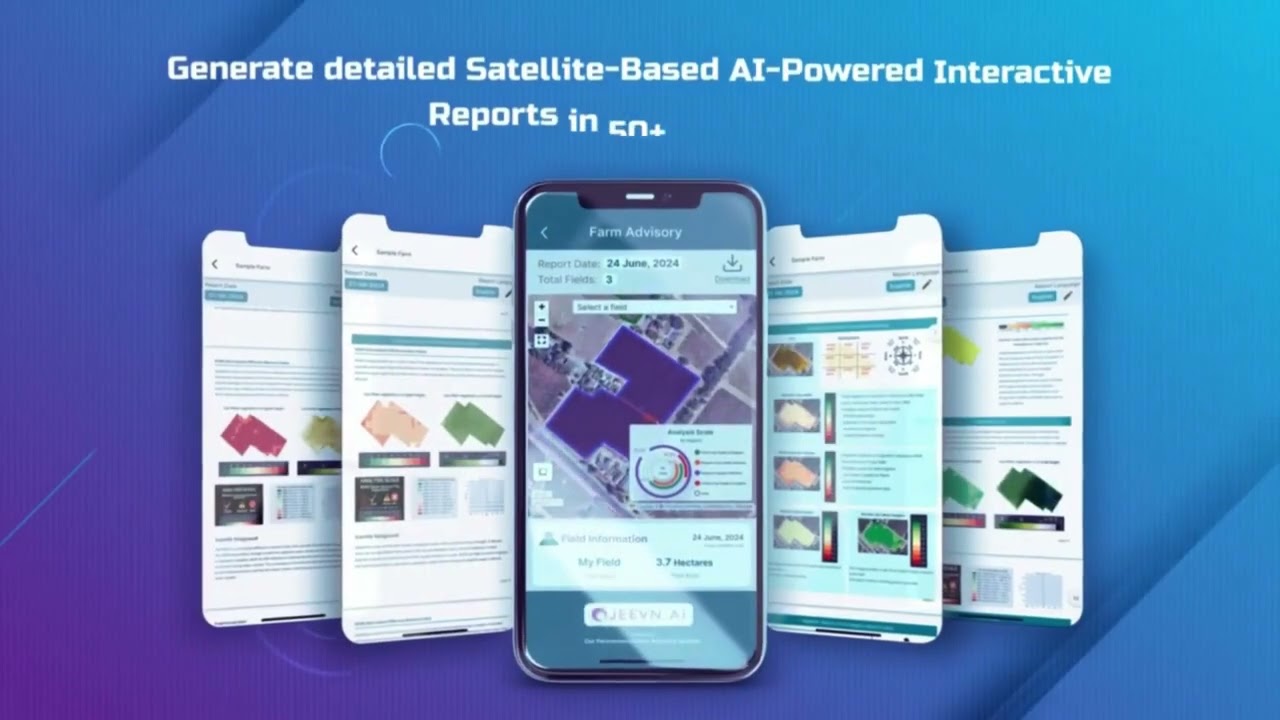
Farmonaut’s satellite-based crop health monitoring and Jeevn AI System allow precision agriculture practitioners to track plant diseases, soil micronutrient levels, and optimize fungicide application for more sustainable and profitable farming.

Want to boost crop yields and sustainability? Try Farmonaut Product Traceability to ensure the authenticity and transparent journey of your agricultural outputs from field to consumer.

Copper and Copper Oxide in Crop Loan and Insurance Verification
Sustainable farming not only means better soil and higher yields—it also means easier access to financial resources. Satellite-based crop monitoring verifies compliance with micronutrient and crop health standards required by both loans and insurance providers.
Learn more about Farmonaut Crop Loan and Insurance tools—helping agribusinesses verify their crop performance with real time, trusted data.
Copper and Copper Oxide in Forestry: Lifespan Enhancement and Resource Efficiency
-
Timber preservation:
State-of-the-art copper oxide-based wood preservatives defend timber structures from fungal, bacterial, and insect attacks—significantly prolonging the lifespan of utility poles, bridges, and farm fencing. -
Environmental stewardship:
Forestry managers are increasingly selecting targeted, low-leach copper oxide formulations to minimize resource waste and allow for safer recycling or repurposing at end-of-life. -
Compliance & marketability:
Copper oxide treatments facilitate compliance with global standards for sustainable harvesting and resource use, boosting international market access for responsibly sourced timber.
How Farmonaut Supports Copper and Copper Oxide Innovation (2026 and Beyond)
As a leader in satellite technology and AI-driven analytics, we at Farmonaut are committed to empowering all sectors—agriculture, mining, infrastructure, defense, and finance—by providing real-time, affordable, and actionable data. Here’s how our platform supports innovations in copper and copper oxide applications:
- Monitoring crop health using NDVI and multispectral imagery to spot early micronutrient deficiencies and optimize copper oxide fungicide use.
- Resource and fleet management for timely, efficient operations in mining and field infrastructure projects. Explore Farmonaut Fleet Management for seamless, cost-effective logistics and sustainability compliance.
- Blockchain-based traceability for agricultural and mining products—verifying resources protected by copper oxide are genuine, safe, and sustainably sourced.
- Real-time environmental impact monitoring—helping clients track, report, and reduce their operational footprints in line with global sustainability standards.
All of these insights are available via our Android, iOS, and web applications:



Download now for real-time, actionable intelligence—make copper and copper oxide part of your sustainability strategy!

FAQ – Copper and Copper Oxide: Innovations, Applications, and Sustainability
What are the main differences between copper metal and copper oxide?
Copper metal (Cu) is electrically and thermally conductive, corrosion-resistant, and antimicrobial. Copper oxide refers mainly to Cu₂O (red, semiconductive) and CuO (black, strong antimicrobial and catalytic properties). Copper oxides result from the copper to copper oxide conversion when copper reacts with oxygen and moisture, providing enhanced surface properties.
How are copper oxide nanoparticles changing agriculture in 2026?
By increasing the surface area and reactivity, copper oxide nanoparticles allow lower-dose, targeted formulations for fungicide and micronutrient supplementation, reducing environmental accumulation and improving crop health.
Why is copper oxide favored for protective coatings in infrastructure?
Due to its antimicrobial, corrosion-resistant, and self-healing qualities, copper oxide coatings prolong structure lifespan and safety—crucial for bridges, pipelines, and public spaces.
Can copper oxide catalysts make mining more sustainable?
Yes. New extraction techniques powered by copper oxide catalysts reduce the need for harsh chemicals and decrease energy requirements by up to 25%, helping lower the environmental impact.
How does Farmonaut enhance copper and copper oxide applications?
We provide satellite and AI-driven solutions to track soil health, crop status, mining logistics, and infrastructure wellbeing—accelerating the adoption and responsible use of copper-based technologies.
Which industries benefit most from copper and copper oxide innovation in 2026?
Agriculture, infrastructure, mining, defense, forestry, and renewable energy—all benefit significantly through higher efficiency, safety, and sustainability.
How can I access Farmonaut satellite tech for my operations?
Simply sign up via our web, Android, or iOS app, or integrate via API for automated data analytics.
Farmonaut Subscription Plans
Unlock sustainable copper and copper oxide innovation monitoring for your farm, mine, or infrastructure with affordable Farmonaut subscription plans. All subscriptions include real-time satellite data, AI-based advisory, and 24/7 support for resource optimization and sustainability reporting.
Summary:
Copper and copper oxide are at the forefront of the global innovation wave for 2026, with a direct impact on sustainable agriculture, mining efficiency, and the development of future-ready infrastructure. Their durable, antimicrobial, catalytic, and traceable properties empower industries to operate smarter, safer, and greener than ever. Whether in the form of nanoparticles for precision farming or as critical coatings protecting the world’s infrastructure and resources, these unique metals and oxides will shape how we feed, build, power, and protect our civilization going forward.
Explore, monitor, and optimize these innovations with Farmonaut’s Satellite Technology Solutions—your partner for integrated, cost-effective, and sustainable management in a copper-powered future.

 Berks Gold Limited
 Mwerezi Minerals Company Limited
 Congo Mining Solutions
 Mining SARL
 SenGold Invest SAS
 Sania Corporation
 Sean Mining Limited
 NTS Group (Pty) Ltd
 Mine4Africa
 Lithspo Minerals Limited
 Tintina Mining Group
 Dalgety Minerals Pty Ltd
 Vortex Minerals Pty Ltd
 Faith At Work (Pty) Ltd
 Geotech Mining Solutions plc
 Vulcan International Limited
 Kidepo Associates
 GKY Mining
 Alkimy SARL
 Double A Trading
 GemSprout Metals Limited
 Qader Group
 Ileys General Trading
 SG Gold Mining LLC
 VRV Global Pte Ltd
 Omsri International FZE
 G.I.T.T.
 Jaunita Erss Ltd
