

Copper Cathode Price per Ton 2025, Copper Price Average: Global Outlook, Industry Dynamics, and Sector Implications
Copper cathode price per ton 2025 is positioned to shape major trends across infrastructure, renewable energy, and global mining sectors. As we look ahead, the copper price average 2025 reflects not just raw material costs but also the wider industrial pulse underpinning construction, manufacturing, and green technology projects worldwide.
Before we delve into the detailed copper price forecast, average market trends, and influential sector drivers for 2025, below you’ll find a handy table of contents for seamless navigation.
- Overview of Copper Market Dynamics in 2025
- Copper Price Forecast & Trends Table (2021-2025)
- Key Drivers Influencing Copper Price in 2025
- Implications of Copper Price for Mining, Infrastructure & Other Sectors
- Farmonaut: Satellite Solutions for Copper Mining & Infrastructure
- Global Factors & Challenges Shaping the Copper Market in 2025
- Strategic Industry Responses to Copper Price Trends
- FAQs: Copper Cathode Price Per Ton 2025 & Average Copper Price
Overview of Copper Market Dynamics in 2025
Copper continues to be a critical industrial metal, essential for the development of infrastructure, manufacturing, construction, and renewable energy technologies worldwide. The copper cathode price per ton 2025 is anticipated to reflect the interplay of sustained demand, global economic recovery, continued electrification, and supply-side challenges. These copper price average 2025 expectations hold enormous implications for industries, governments, and strategic planners.
Forecasts from organizations like the International Copper Study Group (ICSG), combined with consensus among top commodity analysts, projects the copper cathode price per ton in 2025 to move in a range of $9,500–$11,000 per metric ton. This projected range is up from the 2023–2024 averages of $8,500–$9,300 per ton and reflects robust market dynamics shaped by several key supply and demand factors.

Key motivations for this bullish trajectory include:
- Robust infrastructure investment agendas in the U.S., European Union, China, and many developing countries, elevating global demand for copper in electrification and new construction.
- Accelerating adoption of electric vehicles (EVs) and expanding renewable energy capacity worldwide, both highly copper-intensive markets.
- Geopolitical constraints and environmental regulation affecting major producers such as Chile, Peru, and the Democratic Republic of Congo.
- Post-pandemic economic recovery and global supply chain realignment, affecting production and trade.
These dynamics ensure that copper cathode prices in 2025 remain pivotal to economic planning and industrial strategy worldwide.
Copper Price Forecast & Trends Table (2021–2025)
| Year | Estimated Average Price per Ton (USD) | Year-on-Year Change (%) | Key Influencing Factors |
|---|---|---|---|
| 2021 | $9,350 | +23% | Post-pandemic recovery, strong Chinese demand, supply constraints |
| 2022 | $8,800 | -6% | Moderating growth, inflation concerns, global logistics issues |
| 2023 | $8,500 | -3% | Recession fears, supply chain adaptation, moderate demand growth |
| 2024 | $9,300 (est.) | +9% | Infrastructure stimulus, inventory drawdown, bullish forward outlook |
| 2025 (Forecast) | $10,200 | +10% | Global energy transition, infrastructure boom, mining supply constraints |
The copper cathode price per ton 2025 thus represents a modest increase compared to recent averages, highlighting continued strength in copper’s fundamental value globally.
Key Drivers Influencing Copper Price in 2025
Understanding the dynamics influencing the copper cathode price per ton 2025 requires a closer look at a wide array of factors—from policy shifts to sector-specific growth and technological changes. Here, we outline the major drivers shaping the copper price average 2025 and long-term market trajectory:
-
Renewable Energy and Electric Vehicles (EVs)
The green energy revolution remains a major catalyst for copper demand. Components like solar panels, wind turbines, electric motors, and EV batteries rely on copper thanks to its excellent conductivity and durability.
For instance, a single EV can use up to 80 kg of copper—three to four times more than a standard gasoline vehicle. As more countries commit to ambitious carbon neutrality targets, the mounting requirements for copper in infrastructure and manufacturing will continue pushing the price upward. -
Global Infrastructure Investments
Stimulus-fuelled spending and urbanization in China, the U.S., and EU are increasing copper use in smart grids, public transport, electrification, and digital network construction.- U.S. Infrastructure Investment and Jobs Act: Massive upgrades to the nation’s electrical grids, public infrastructures, and transportation—all copper-intensive projects.
- EU Green Deal: Highlights electrification as a foundation for future infrastructure growth.
- China’s Urbanization: Ongoing urban expansion and megaprojects continue to boost copper consumption, reinforcing a robust global demand outlook.
-
Mining Supply Constraints and Geopolitical Factors
While demand accelerates, mining output faces headwinds:- Declining ore grades: Major mines are experiencing lower ore quality, making extraction more expensive and less efficient.
- Environmental restrictions: Stricter global standards are increasing compliance costs, slowing permitting and expansion.
- Political instability and local unrest: Especially in key mining territories like Chile, Peru, and DRC, which collectively provide nearly half of the world’s copper output, production disruptions can cause price volatility and tightness in supply chains.
-
Strategic Resource Planning & Technological Innovation
AI-powered mining diagnostics, satellite technology, and blockchain-based resource tracking (such as those offered via Farmonaut’s Large Scale Farm & Mining Management Tools) are enabling better forecasting and more responsive operations in the face of production challenges. -
Volatility from Global Trade and Economic Shifts
Geopolitical trade tensions, macroeconomic shifts, and fluctuating demand in downstream industries may lead to short-term volatility, but the medium-term outlook for copper demand and price growth remains strong and sustained.

Implications of Copper Price for Mining, Infrastructure & Other Sectors
The average copper price in 2025 and the wider cathode price per ton set the tone for a diverse set of downstream impacts across industrial domains.
1. Mining Industry: Opportunities and Challenges
- Increased Investment: The elevated price points in 2025 encourage mining companies to accelerate exploration for unconventional deposits and invest in new operational technologies and resource planning strategies.
- Technology as a Force Multiplier: Satellite-driven insights, like those available through Farmonaut’s Large Scale Farm & Mining Management solutions, provide real-time monitoring of mines, facilitate efficient resource extraction, and help with environmental compliance.
- Greener Operations: Higher prices provide margin for investing in Carbon Footprinting and Environmental Monitoring—addressing sustainability mandates without hampering productivity.
- Recycling Growth: As copper prices rise, recycling copper from waste electronics and infrastructure becomes more attractive and economically viable.
2. Infrastructure Development: Cost Implications & Project Planning
- Rising Input Costs: Infrastructure developers face higher costs for copper wiring, pipes, and conductors, affecting everything from power grids to smart buildings.
- Supply Chain Complexity: Fluctuating copper prices demand proactive supply chain and procurement strategies to avoid overruns.
- Forward Planning: Resource planners utilize advanced analytics and Satellite-Based Advisory Platforms for procurement and logistical decisions.
3. Manufacturing & Energy Technology Sectors
- Electrification Projects: Upward copper prices reflect strong growth in electric vehicles (EVs) and renewable energy infrastructure—solar, wind, and battery projects all rely on copper’s high conductivity and strength.
- Sustainable Sourcing: Traceability and verification tools (learn more about Farmonaut Product Traceability) are gaining traction for compliance, reporting, and consumer assurance.

4. Finance, Loans, and Insurance
- Satellite-Verified Lending & Insurance: Financial institutions and insurers leverage platforms like Farmonaut’s Crop Loan and Mining Insurance Solutions for data-driven risk assessment and fraud reduction across the mining sector.
5. Supply Chain & Logistics
- Fleet and Equipment Monitoring: Copper production and distribution businesses rely on Fleet Management Tools to streamline transport, reduce costs, and improve operational efficiency in a volatile price environment.
Farmonaut: Satellite Solutions Empowering Copper Mining, Infrastructure & Sustainability
At Farmonaut, we recognize the pivotal role of real-time, data-driven insights in adapting to the evolving copper market dynamics and cathode price per ton 2025 changes. Our advanced platform bridges the information gap for decision-makers in the mining, infrastructure, energy, and environmental sectors by integrating:
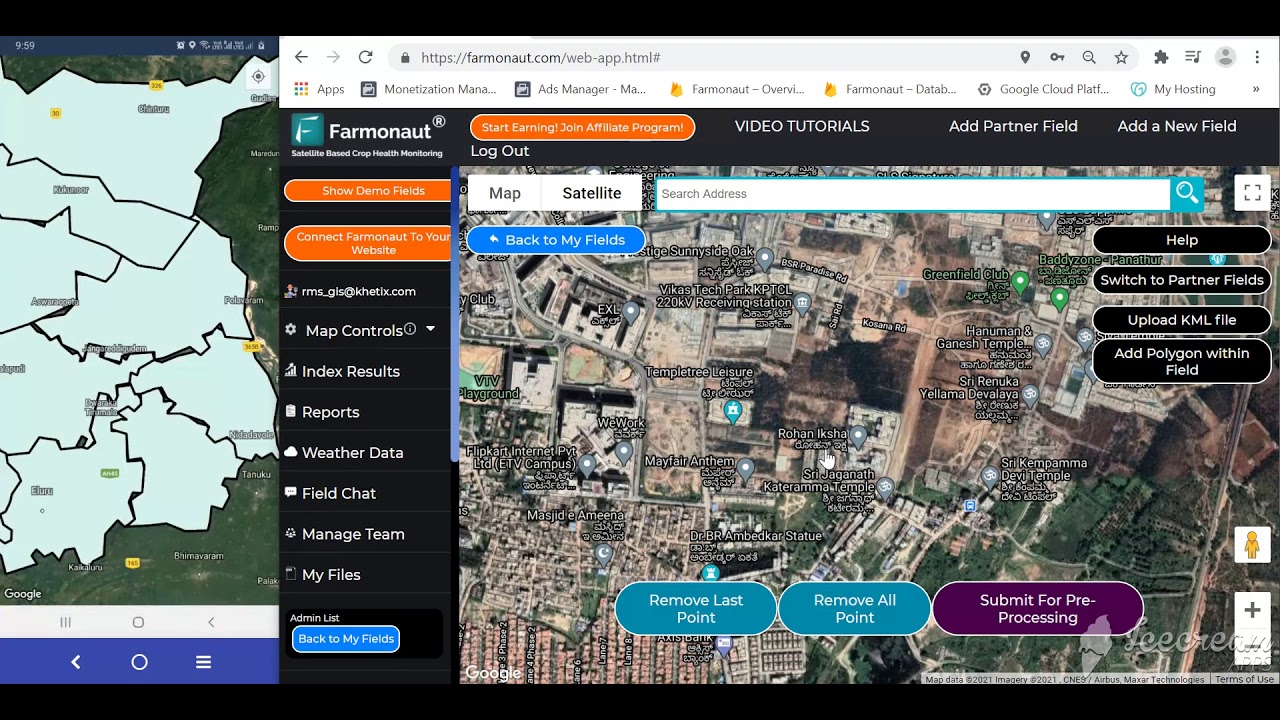
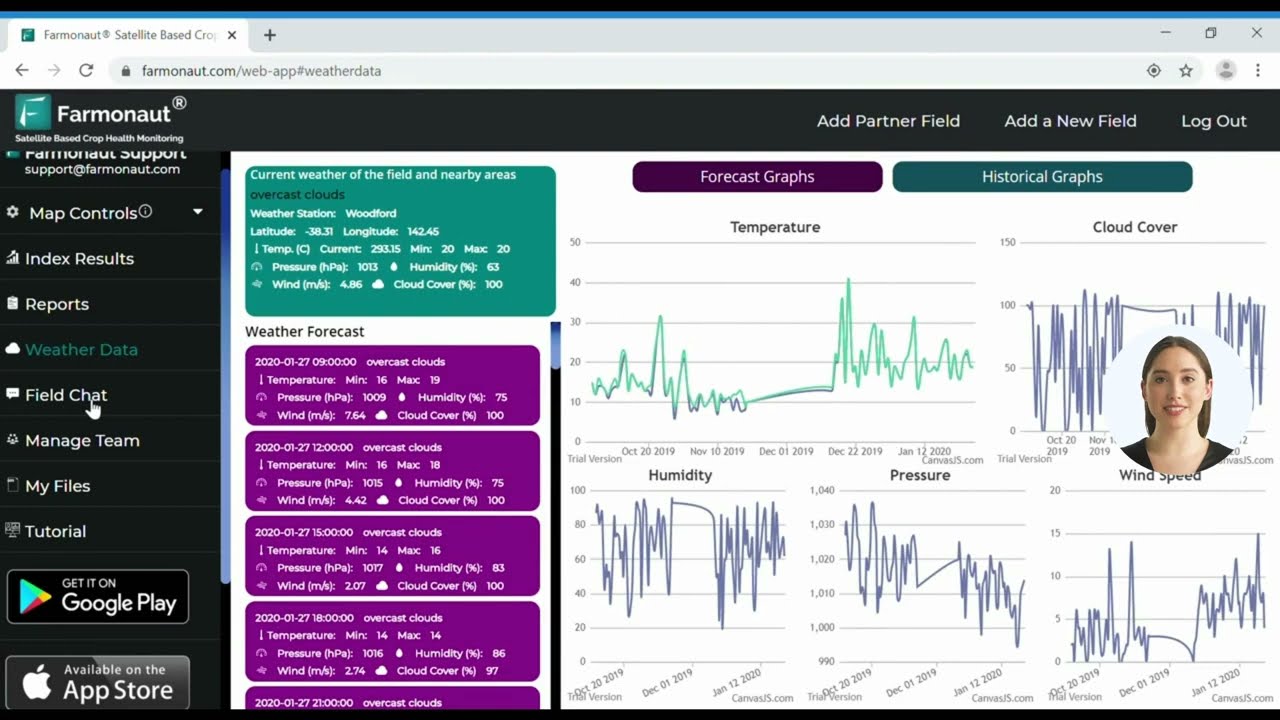
- Satellite-Based Monitoring: Our multispectral and hyperspectral satellite images provide a live overview of mining sites, infrastructure development, and project health. Users can remotely monitor crop fields, mine sites, or large-scale infrastructure projects, optimizing resource use and minimizing downtime.
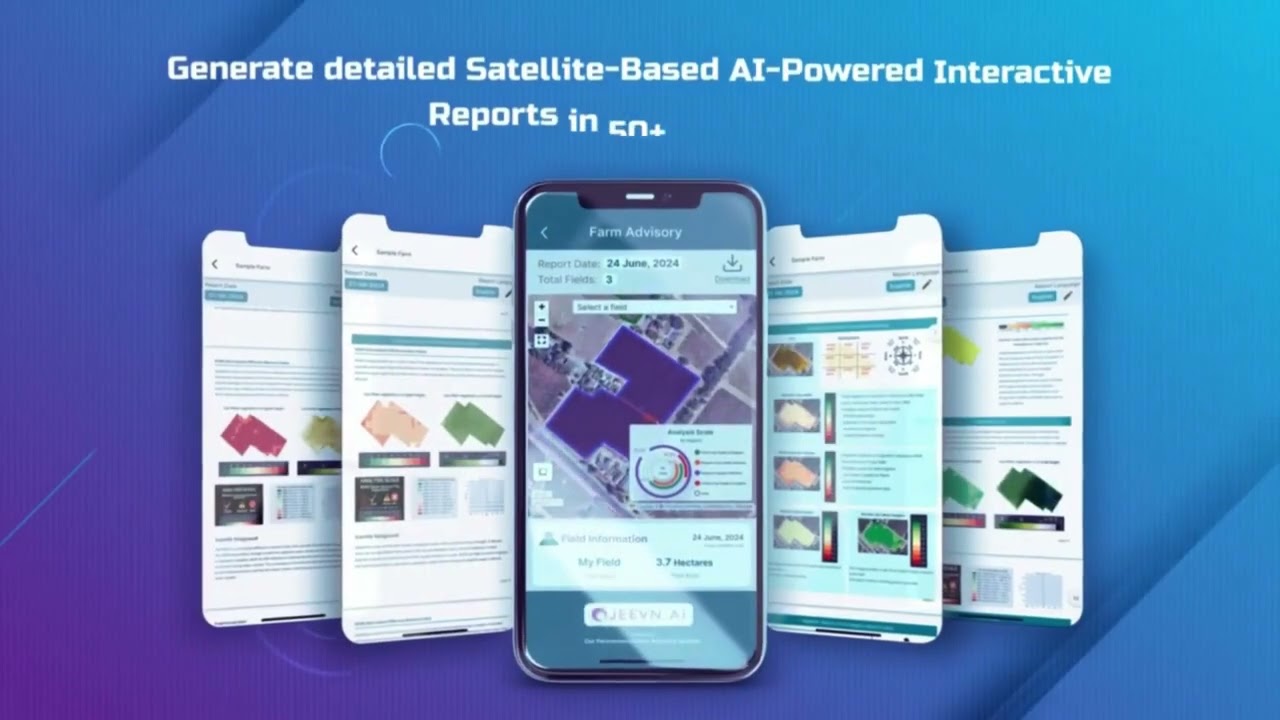
- AI-Powered Advisory (Jeevn): Jeevn’s real-time AI analyses volatility in supply, demand, weather, and logistical conditions—informing strategic procurement and operational planning.
- Blockchain Traceability: By leveraging blockchain, we ensure end-to-end traceability for copper and other minerals—helping users verify ethically sourced and sustainably produced materials.
- Environmental Compliance Tools: Our Carbon Footprinting Module supports companies in meeting regulatory emissions goals and tracking the environmental impact of mining and large-scale infrastructure projects.
- Fleet & Resource Logistics: The Farmonaut Fleet Management platform enhances operational productivity and safety, offering users data-rich insights into vehicle usage, machinery tracking, and efficiency improvement.
Our cloud-based system is accessible from web and mobile apps, including robust APIs (API Access | Developer Docs). This ensures scalable, affordable, and round-the-clock access to the satellite-driven intelligence that is crucial for strategic decision-making in 2025 and beyond.



Farmonaut Subscription Plans
Large-scale miners, infrastructure planners, agricultural producers, and institutional users can benefit from our flexible subscription options below:

Global Factors & Challenges Shaping the Copper Market in 2025
The copper cathode price per ton 2025 is the product of a complex ecosystem of challenges, opportunities, and shifting fundamentals. Below, we spotlight the biggest global forces impacting both price and supply:
- Resource Nationalism & Geopolitical Volatility: As countries seek to secure strategic resources, potential export restrictions or taxation in leading copper-producing nations may exacerbate market tightness and price volatility.
- Climate Policy & Environmental Standards: New rules and carbon-neutrality targets (especially from the EU, U.S., and China) may make mining approvals lengthier but drive cleaner, technology-led mining strategies.
- Global Economic Recovery & Trade Patterns: Recovery from pandemic shocks, changing labor markets, and reshaping of global supply chains all contribute to the sector’s unpredictability.
- Technological Innovation: From AI diagnostics to real-time satellite monitoring and blockchain-based traceability, the adoption of tech solutions (see Farmonaut Traceability Solutions) creates competitive advantages for proactive businesses.
- Urbanization & Electrification Waves: Rapid growth in developing regions, especially in Asia, Africa, and Latin America, is spurring infrastructure projects that are heavily copper-centric.
- Supply Chain Resilience: Events like global pandemics, wars, or major weather disruptions teach the need for resilient, agile supply chains for critical metals including copper.

Strategic Industry Responses to Copper Price Trends for 2025 & Beyond
High copper cathode prices per ton in 2025 present a mix of opportunities and hurdles. Forward-thinking stakeholders have several tools at their disposal to capitalize on growth, manage risks, and build sustainable competitive advantages:
- Supply Chain Diversification: Source copper from a broader supplier base—both primary miners and recyclers—to reduce risk.
- Investment in Recycling: Implement or expand electronic-waste copper recycling, a path made more viable by continued price increase.
- Technological Adoption: Use satellite imagery and AI-driven analytics (Farmonaut Advisory Systems) to monitor inventories, track shipments, forecast price swings, and anticipate supply constraints.
- Long-term Procurement Contracts: Lock in copper supplies in advance at known prices to hedge against future price increases and volatility.
- Environmental Risk Management: Use emissions reporting and carbon footprint monitoring to comply with green regulations and market demands for sustainable sourcing.
- Strategic Resource Planning: Harness data platforms—like the Farmonaut AI Advisory and Monitoring Tool—to design resilient, data-informed business models.
Frequently Asked Questions: Copper Cathode Price Per Ton 2025 & Copper Price Average
1. What is the projected copper cathode price per ton in 2025?
The copper cathode price per ton in 2025 is projected to range between $9,500 and $11,000 per metric ton, with an average around $10,200 per ton. This price is shaped by strong global demand, especially from the energy, infrastructure, and manufacturing sectors, in parallel with supply constraints and geopolitical challenges.
2. What factors drive the copper price average 2025?
The 2025 copper price average is influenced by demand from renewable energy and electric vehicles, large-scale infrastructure investments, declining ore grades in key mining regions, environmental regulations, technological innovation, and economic recovery worldwide.
3. How do higher copper prices affect infrastructure and mining sectors?
Higher copper prices in 2025 increase input costs for infrastructure projects but also incentivize mining exploration, investment in greener operations, and recycling. They present both challenges and opportunities for sustainable growth, requiring robust supply chain, risk management, and resource planning.
4. What is copper cathode, and why is it significant?
Copper cathode is the primary refined form of copper used in manufacturing, construction, and electrical applications. It is pivotal for energy transmission, electrical infrastructure, renewable energy, and electronics, making its price a central economic indicator for multiple industries globally.
5. How can satellite technology help copper mining and infrastructure sectors?
Satellite-based platforms like Farmonaut enable real-time monitoring of resource conditions, production sites, and environmental impacts. These data-driven tools provide actionable insights, AI-powered advice, blockchain-based traceability, and carbon reporting—empowering smarter operational decisions, regulatory compliance, and sustainable growth.
6. Where can I access Farmonaut’s satellite-based solutions for copper mining or infrastructure management?
Farmonaut offers accessible solutions via web and mobile apps and through API integrations. Users can also consult our Developer Docs for setup guidance.
7. Is copper supply expected to meet demand in 2025?
Most forecasts suggest demand will outpace supply due to surging infrastructure development, electrification projects, and the green energy transition. This scenario will reinforce strong price levels, making resource strategy and technological adoption essential for industry players.
8. How does copper price volatility impact project planning?
Volatility in the copper market affects budgeting, procurement, and timelines for construction, manufacturing, and resource extraction projects. Advanced analytics, forward contracts, and satellite-driven risk assessments can help manage these risks effectively.
9. What role will recycling play in copper market dynamics?
As copper prices rise, recycling becomes increasingly profitable, helping bridge supply gaps and reduce environmental footprints—key to supporting sustainable sector growth.
10. Can Farmonaut solutions be used by both individual users and large enterprises?
Absolutely. Our platform is designed with modular scalability, supporting individual farmers, mining site managers, corporate infrastructure planners, and government institutions alike.
Conclusion: Outlook for Copper Cathode Price Per Ton 2025 & Long-Term Market Evolution
The copper cathode price per ton 2025—expected between $9,500 and $11,000, with an average copper price around $10,200—underscores copper’s strategic status in economic development, resource planning, and industrial innovation. As global energy transition and infrastructure growth remain top priorities, finite copper supply and rising environmental standards will drive continued market tightness and elevated price levels.
Industry leaders can best capitalize on these trends and manage the risks of volatility by embracing:
- Data-driven supply chain management and price forecasting
- Technological adoption (AI, satellite monitoring, blockchain traceability)
- Strategic procurement, recycling programs, and sustainability investments
At Farmonaut, we strive to empower the mining, infrastructure, manufacturing, and energy sectors through affordable, scalable, and insightful satellite-driven tools. Our platform supports smarter planning for resource-intensive projects and sustainable sector growth—helping ensure businesses and governments can thrive amidst rapidly evolving copper market dynamics worldwide.
Ready to optimize your copper and industrial resource operations for 2025?
Explore Farmonaut’s Solutions Today


