

Crabtree Emerald: 7 Trends in Emerald Gem Mining & Mines
Overview: The Crabtree Emerald and Its Place in History
Emeralds have long fascinated humanity, celebrated for their lush green hue and exceptional rarity—symbolizing wealth, power, and natural beauty. Among the legendary emeralds, the Crabtree Emerald stands apart, not just for its striking size and quality but also for its rich historical and geological significance.
The Crabtree Emerald, discovered in North Carolina in the late 1920s, remains one of the most iconic treasures ever unearthed in the United States. While the famed emerald mines of Colombia, Zambia, and Brazil have long dominated the global landscape, the Crabtree mine represents a unique chapter in American gem mining narrative. Today, it stands as a powerful symbol not only of a rare gemstone but also of the vast mineral potential within domestic mines, sparking renewed interest in local emerald exploration and mining ventures.
“By 2025, over 60% of emerald mines are projected to adopt automated sorting technologies for higher gem yield.”
Emerald Gem Mining in 2025: A Glimpse into the Future
As we delve into 2025 and look toward 2026 and beyond, emerald gem mining is undergoing rapid evolution. This shift is not only redefining extraction techniques and environmental practices, but also reshaping the global industry landscape—from local mine operations in North Carolina to the legendary emerald stone mines of Colombia, Brazil, Zambia, and emerging regions.
Emerald mining involves the extraction of beryllium aluminum silicate, typically found within metamorphic rocks such as schists and pegmatites, often associated with chromium and vanadium that give emeralds their vivid green color. With the growing demand for high-quality gemstones—particularly in luxury markets and high-tech applications—mining operations are evolving to become more sustainable, efficient, and ethical.
Comparative Trends Table: Top 7 Trends in Emerald Mining for 2025
| Trend Name | Description | Technological Advancement Involved | Estimated Adoption Rate by 2025 (%) | Potential Environmental Impact |
|---|---|---|---|---|
| AI-Driven Exploration | Artificial intelligence analyzes satellite & geochemical data for precise deposit localization. | Machine learning, advanced geospatial software, satellite data | 70 | Low |
| Real-Time Drone & Satellite Monitoring | Use of drones & satellites for continuous site inspection, mapping & safety oversight. | Drones, AI-powered image processing, multispectral satellites | 65 | Medium |
| Blockchain Traceability | Gemstone supply chain tracking, ensuring ethical and conflict-free sourcing. | Blockchain ledgers, QR/IoT integration | 50 | Low |
| Water Recycling & Zero-Liquid Discharge | Advanced filtration & recycling dramatically reduce water use in extraction & processing. | Membrane filtration, IoT sensors, water quality AI | 40 | Low |
| Renewable Energy in Mining | Solar, wind, and hybrid grid solutions powering eco-conscious mining sites. | Solar arrays, energy storage systems, microgrid tech | 55 | Low |
| Automated Sorting & Yield Optimization | Automation and smart imaging boost gemstone recovery & minimize waste rock. | Automated conveyors, advanced imaging (XRT, AI sorting) | 60 | Medium |
| Rehabilitation & Biodiversity Restoration | Post-mining landscapes restored using native species, soil health algorithms, rewilding. | Phytoremediation, soil sensors, reforestation drones | 45 | Low |
Trend 1: AI-Driven Geological Exploration in Emerald Gem Mining
The digital era is revolutionizing emerald gem mining, particularly through the integration of artificial intelligence (AI) in geological exploration. AI systems in 2025 and beyond ingest satellite imagery, historical geochemical records, and advanced geo-survey data to pinpoint richer mineral deposits while minimizing unnecessary disruption. Using machine learning algorithms, these platforms analyze metamorphic rock formations and even the unique schist and pegmatite landscapes known for emerald occurrence.
- Increased Precision: AI reduces surface footprint by focusing extraction on high-potential zones.
- Faster Discovery: Data-driven modeling accelerates the identification of viable emerald stone mines, whether in North Carolina, Colombia, or Brazil.
- Cost Reduction: Scarce geological expertise is augmented by AI’s rapid data crunching, lowering exploration overheads.
These transformations align closely with emerging carbon footprinting regulations, ensuring new exploration practices reduce emissions and maintain environmental stewardship.

Trend 2: Real-Time Drone and Satellite Monitoring – Enabling Safe & Efficient Mines
Emerald mining operations are increasingly leveraging a synergy of drones and satellites—which, when paired with AI vision and analytics—deliver real-time surveillance, site mapping, and environmental monitoring.
Site managers can accurately track soil movement, vegetation health, and the spread of ecosystem disruption, empowering quick remediation. Beyond environmental vigilance, drone fleets automate inspection of hazardous or unreachable zones, protecting worker safety.
Our satellite monitoring platforms at Farmonaut utilize multispectral imaging to analyze ground cover, mine boundaries, and crop health in agricultural landscapes adjacent to mining operations—delivering insights for sustainable land management.
- Enhanced productivity: Detect inefficiencies and optimize resource deployment within active emerald mines.
- Regulatory compliance: Carbon foot-printing and environmental reports generated at scale.
- Disaster mitigation: Proactive monitoring of soil erosion and biodiversity impact reduces environmental risk.




Trend 3: Blockchain Traceability – Ethical Emerald Gem Mining
As global demand for ethical gemstones rises, blockchain-based traceability is revolutionizing the emerald supply chain.
Every gem extracted is immutably recorded from mine, through processing and trading, to retail—ensuring provenance and conflict-free status. Product traceability systems foster trust in the luxury sector where green emeralds fetched from the Crabtree mine (or famous Colombian and Brazilian mines) gain extra value from transparency.
Even small and medium-sized mining businesses are integrating these platforms to reach export markets, comply with regulations, and minimize counterfeiting—a challenge often prevalent in natural emerald markets.
- Consumer confidence: Ethical credentials enhance gem value and reputation.
- Supply chain security: Blockchain mitigates fraud, loss, and unauthorized mixing of stones.
- Regulatory readiness: Prepares mines for upcoming traceability and reporting requirements globally.

Trend 4: Water Recycling & Zero-Liquid Discharge Systems
Water resources within emerald mining regions—such as Colombia’s Muzo and Chivor—have long faced stress due to conventional wet-processing. Today, advanced membrane filtration and on-site recycling plants convert once-waste streams into reusable water—protecting fragile local ecosystems, minimizing pollution, and ensuring regulatory compliance.
Zero-liquid discharge (ZLD) technologies, now increasingly favored for stone mines within both emerging and established regions, eliminate surface water discharge entirely.
- Reduces strain on local watersheds and agricultural soil health.
- Pairs well with phytoremediation in post-mining land restoration.
- Brings emerald mining practices in line with global sustainability targets.

Trend 5: Renewable Energy in Mining Operations – The Green Future
With carbon emissions under regulatory scrutiny and planning for the future, a wave of mines—particularly in South America and North Carolina—are rapidly investing in:
- Solar photovoltaic farms and battery storage systems.
- Wind generation for off-grid operations.
- Hybrid microgrids to power sorting, washing, and security infrastructure in remote regions.
These sustainable mining practices help reduce reliance on fossil fuels, lower greenhouse emissions, and resonate with sustainability-minded markets in Europe and North America.

Trend 6: Automated Sorting and Yield Optimization in Emerald Stone Mines
Automated sorting lines equipped with high-resolution X-ray transmission (XRT), hyperspectral, and color-analysis technology are becoming mainstream.
By 2025, 60% of emerald mines are projected to feature AI-powered sorting and grading equipment—which:
- Increase recovery of valuable emeralds from raw ore within stone mines.
- Reduce the environmental and economic cost of waste (“tailings”).
- Permit more targeted extraction, conserving soil condition and limiting associated environmental erosion.

These advances tie in directly with fleet management and logistics tools—helping operators track resource flow, organize schedules, and coordinate with team members efficiently.
Trend 7: Advanced Land Rehabilitation and Biodiversity Restoration
Land restoration is a core requirement post-mining—whether in North Carolina’s forestry zones, or Colombia’s tropical valleys.
Phytoremediation and Rewilding: Deploying native tree and plant species to extract residual minerals, heal soil health, and promote return of fauna.
Reforestation drones now deliver millions of seeds annually and, combined with soil sensors and satellite data, optimize both plant growth and soil regeneration.
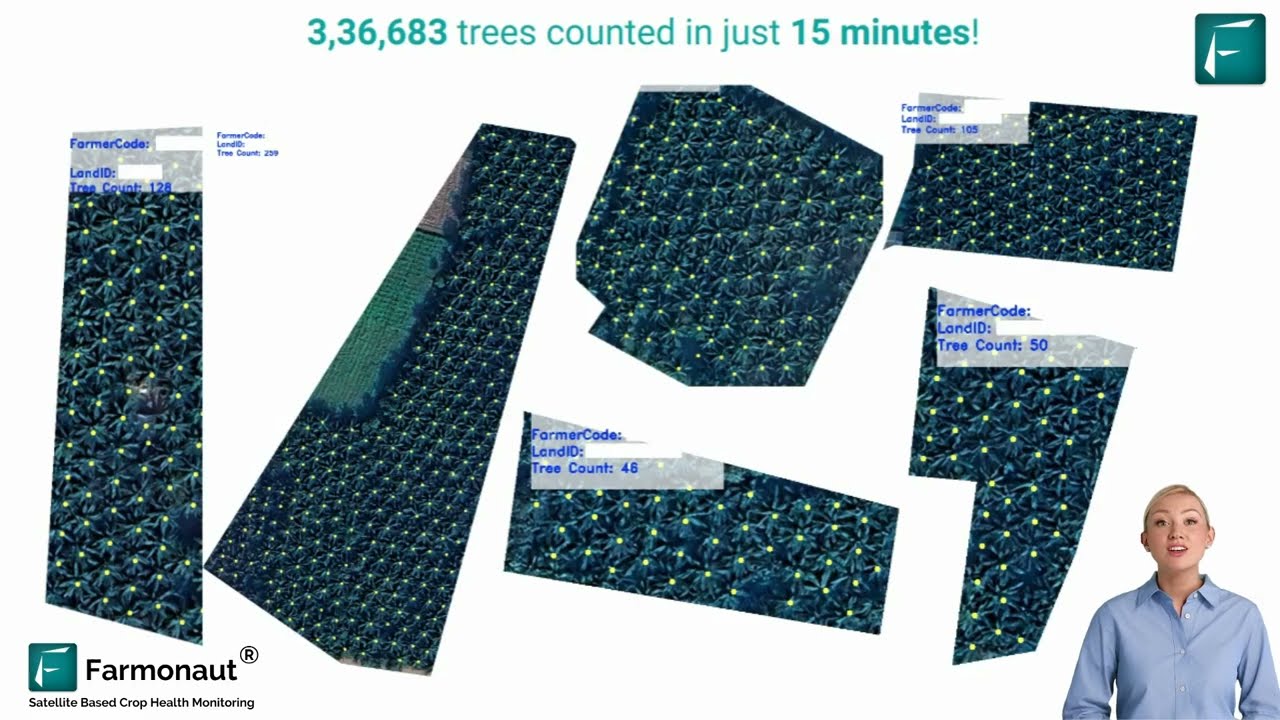
Emerald mining businesses—especially those operating in sensitive environments—are investing in such technologies for post-operational legacy and regulatory compliance. Tools like Farmonaut’s plantation forest advisory solutions assist land managers in biodiversity restoration, monitoring and improving land cover and long-term ecosystem health.
Regional Trends: Colombia, North Carolina, Brazil, Zambia & Beyond
Colombia—home to the world’s richest and most famous emerald stone mines, especially in the Muzo and Chivor regions—continues to set the bar for mining innovation and quality. These sites integrate top-of-the-line AI-driven exploration and water recycling initiatives, reinforcing their reputation for producing the most vivid green, high-clarity gemstones on the planet.
North Carolina’s Crabtree mine—once considered secondary to global competitors—is experiencing a renewed exploration wave. Here, advances in satellite mapping, geochemical sampling, and ethical sourcing are reviving interest among US-based ventures.
Brazil and Zambia: Noted for their larger, more affordable emeralds, operators are rapidly catching up by integrating blockchain-powered supply chain certification and drone-based security.
African regions, with their emerging mines, benefit from leapfrogging legacy systems—directly adopting renewable energy, ZLD water systems, and AI monitoring from day one.
Farmonaut and Satellite-Powered Mining Innovation
As global attention shifts to sustainable, efficient, and ethical emerald mining, satellite technology is at the heart of progress.
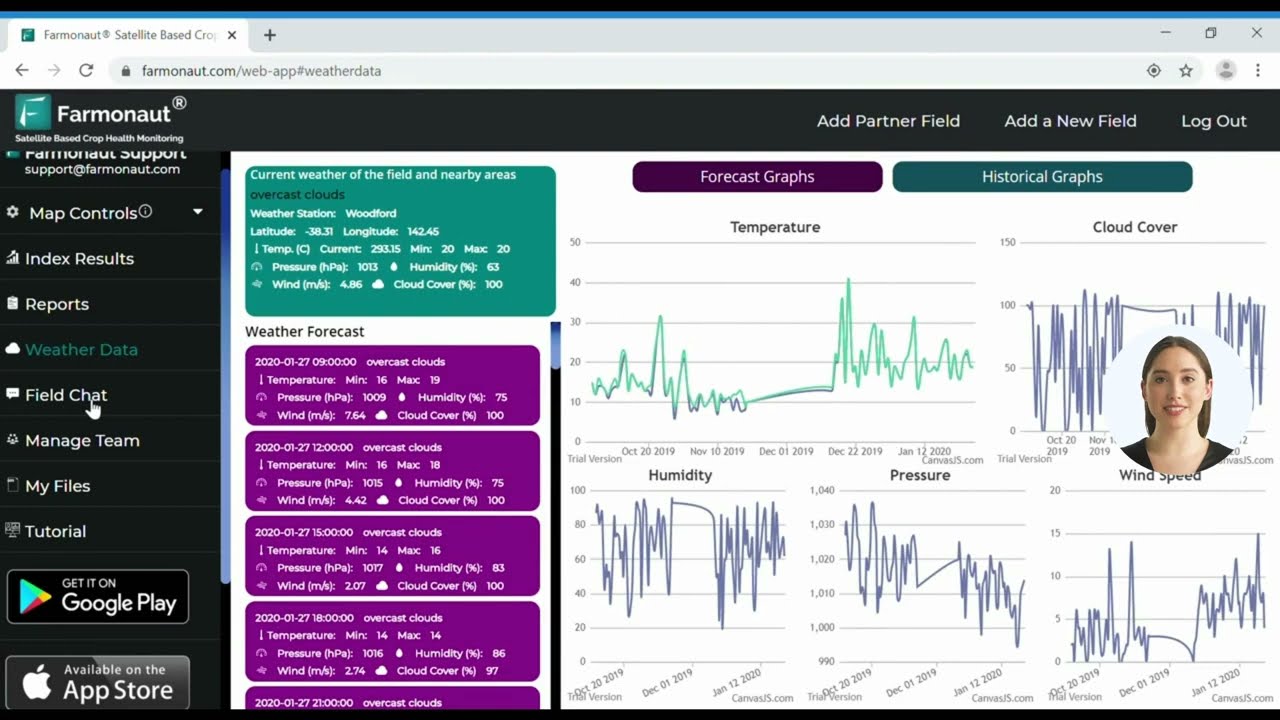
We at Farmonaut empower mining and gemstone businesses by providing real-time satellite imagery, AI-driven exploration insights, and environmental monitoring dashboards. Our modular APIs (Farmonaut API; API Developer Docs) allow businesses to seamlessly integrate our satellite insights into their resource management tools—whether for exploration, compliance, or sustainability tracking.
Our cutting-edge features include:
- Multispectral remote sensing for mineral mapping and vegetation restoration in legacy mines.
- AI-based advisory for operational efficiency and environmental best practices.
- Blockchain traceability modules for supply chain ethics and regulatory confidence.
- Real-time carbon footprinting to comply with international ESG standards.
- Advanced fleet and resource management for streamlined logistics in remote, hilly, or forested regions.
For operators, investors, and regulators—this means data-driven transparency, cost-effective compliance, and a measurable boost in environmental, social, and economic outcomes across the global emerald mining sector.
“Sustainable mining initiatives are expected to reduce emerald mining’s carbon footprint by 35% within the next two years.”
Environmental & Economic Impact in Emerald Mining Regions
Emerald mining regions, particularly in Colombia’s renowned mines, Brazil’s vast deposits, and North Carolina’s historic Crabtree zone, generate significant economic value for their host communities. These mines directly support:
- Local employment (from extraction to trade, security, and logistics)
- Small business development—in cutting, polishing, and jewelry craftsmanship
- Ancillary industries—transport, food supply, environmental monitoring, and mine fleet management
The future of emerald gem mining (2026+) will depend on further balancing economic opportunities with environmental stewardship. This will involve:
- Adopting integrated land-use planning—supporting both forestry and mineral extraction by satellites and geospatial AI.
- Expanding reclamation and rehabilitation of mined land using advanced forest advisory technology and phytoremediation.
- Deploying real-time environmental impact tracking to measure improvement in soil health, water quality, and biodiversity year-on-year.
- Supporting local cooperatives and training programs for a sustainable mining workforce.
With Farmonaut’s environmental tracking dashboards, mining companies, local businesses, and authorities have the tools to measure and report their sustainability progress with confidence.
FAQ: Crabtree Emerald & Emerald Gem Mining in 2026+
What makes the Crabtree Emerald unique among global emeralds?
The Crabtree Emerald, discovered in North Carolina in the late 1920s, is celebrated for its rare domestic origin, large size, high quality, and geological uniqueness among North American emeralds. Unlike Colombian, Brazilian, or Zambian emeralds, the Crabtree Emerald represents a landmark in American geological exploration and gemstone mining history.
How are new technologies shaping emerald gem mining in 2025 and beyond?
Emerging technologies—including satellite-based mineral mapping, AI-driven surveys, real-time drone inspections, and blockchain traceability—are increasing efficiency, improving ethical sourcing, and reducing environmental impact across the industry.
What is blockchain traceability and why is it important for emeralds?
Blockchain traceability tracks each emerald from the mine to the final retailer, ensuring the gem’s ethical, conflict-free status. This transparency supports responsible mining practices, meets regulatory and customer demands, and adds value to each gemstone in the global luxury market.
How does sustainability impact the future of emerald mining?
Sustainability ensures gem mining doesn’t destroy local ecosystems, overuse vital water resources, or degrade soil. Adopting sustainable practices, such as water recycling, renewable energy, and post-mining rewilding, not only protects landscapes but also aligns with the evolving expectations of regulators, buyers, and communities.
What role does Farmonaut play in modern mining?
We at Farmonaut deliver affordable satellite imagery, AI analytics, blockchain traceability, and real-time environmental impact dashboards to help mining companies and stakeholders make data-driven, sustainable decisions—ensuring compliance, transparency, and optimal productivity.
Conclusion: The Path Ahead for Iconic Emerald Stone Mines
As we look toward 2026 and the years beyond, the emerald mining industry is entering a new era—one defined by advanced technology, accountability, and stewardship. From the legendary Crabtree Emerald to the world’s iconic emerald stone mines, the fusion of AI, blockchain, satellite monitoring, and sustainable practices will guide the industry. The next generation of miners, suppliers, and communities have the opportunity and the responsibility to preserve the magic of emeralds—ensuring that these vibrant green gems continue to symbolize not just wealth and power, but a shared commitment to ethical progress, biodiversity, and global heritage.
Farmonaut Subscriptions: Affordable Mining & Environmental Insights
Unlock the full potential of precision mining, real-time environmental impact analytics, fleet management, and blockchain traceability for your business, agency, or cooperative by subscribing to our latest satellite-powered solutions!

 Process Metrology LLC
 Dalgety Minerals Pty Ltd
 Vortex Minerals Pty Ltd
 Faith At Work (Pty) Ltd
 Geotech Mining Solutions plc
 Vulcan International Limited
 Kidepo Associates
 GKY Mining
 Alkimy SARL
 Double A Trading
 GemSprout Metals Limited
 Qader Group
 Ileys General Trading
 SG Gold Mining LLC
 VRV Global Pte Ltd
 Omsri International FZE
 G.I.T.T.
 Jaunita Erss Ltd
 Almosi SARL
 SRK Consulting
 Berks Gold Limited
 Mwerezi Minerals Company Limited
