

Dust Control Measures in Copper Mines: Beginner’s Guide (2025 Update)
“Up to 80% of airborne dust in copper mines can be reduced with proper dust control measures by 2025.”
“Over 2 million workers in copper mining are at risk of dust-related health issues without sustainable practices.”
Introduction
Dust Control Measures in Copper Mines: Beginner’s Guide is designed for those new to mining, safety management, or environmental compliance. As copper mining’s vital role in global infrastructure, electronics, and renewable energy sectors expands into 2025, attention to sustainable operations becomes more essential than ever.
Copper mining is a major industrial activity, fueling economic growth, but it also presents substantial challenges. Among the most significant risks is dust generation. Mining activities like drilling, blasting, crushing, and ore handling release fine particles into the air, jeopardizing both miner health and the surrounding environmental quality.
In this comprehensive guide, we’ll explore the key measures required for effective dust control in mines. You’ll learn about the sources and hazards of dust, best practices for effective, sustainable dust management, and cutting-edge innovations that ensure compliance, health, and operational excellence as the copper sector evolves.

Understanding Dust Generation in Copper Mines
To understand dust control measures, it’s crucial to know how dust is generated in copper mining and what makes it so hazardous.
Sources of Dust in Copper Mines
- Drilling: The act of drilling into hard rock and ore fragments generates fine particulate matter, primarily smaller than 10 microns.
- Blasting: Explosives fracture rock, releasing clouds of dust that can linger in the air, especially in enclosed spaces.
- Crushing and Screening: Mechanical processes further fragment ore, creating more respirable dust particles.
- Conveyor Handling: Moving crushed ore and rock on long conveyor belts causes particles to release into the air at transfer points.
- Haul Road Traffic: Vehicle movement on unpaved mine roads produces dust through tire action and ore transport.
- Ore Stockpiles: Loading and dumping operations disturb settled dust, making environmental control challenging.
Dust Particle Size and Health Effects
Dust particles vary in size, but it is the fine, respirable dust—smaller than 10 microns—that poses the greatest hazard to miners’ health. These particles penetrate deep into the lungs, potentially causing diseases like silicosis, chronic bronchitis, and other respiratory illnesses.
- Respirable Dust: (≤10 microns) – Most hazardous; can reach the alveoli in the lungs
- Thoracic Dust: (≤25 microns) – Can be inhaled into thoracic region
- Settling Dust: Usually larger, settles more rapidly, less likely to cause deep lung disease but can still affect environmental quality
Fact: Prolonged exposure to fine dust generated during copper mining is a significant occupational hazard, stressing the need for effective dust control solutions.
The Importance of Dust Control in Copper Mining
Why Dust Control Measures Are Essential
Effective dust control measures are pivotal for multiple reasons. Let’s discuss their impact on health, environment, operations, and regulatory compliance in the context of copper mining:
- Occupational Health Protection: Limiting excessive dust exposure reduces the incidence of respiratory illnesses like silicosis, bronchitis, and chronic lung disease among miners.
- Environmental Safeguarding: Dust particles can settle on vegetation and soil, disrupting nearby ecosystems by blocking sunlight and altering soil chemistry.
- Regulatory Compliance: Environmental and occupational health standards in 2025 are stricter than ever, requiring mines to limit dust emissions and maintain air quality. Non-compliance can result in regulatory fines, production delays, and reputational damage for mining companies.
- Operational Efficiency: Dust accumulation can impair the functioning of mining equipment, decreasing efficiency and increasing maintenance costs.
- Community Relations: Uncontrolled dust adversely impacts surrounding communities, leading to complaints, legal battles, and diminished company reputation.
Summary: In the pursuit of sustainable copper mining, implementing robust dust control measures improves worker safety, ensures regulatory compliance, and preserves environmental quality—foundations for responsible mining operations.

Key Dust Control Measures in Copper Mines: Beginner’s Guide
Dust management combines comprehensive traditional methods with innovative solutions. In this section, we’ll detail each method, focusing on practical solutions for 2025 and beyond. This is the core of our Dust Control Measures in Copper Mines: Beginner’s Guide.
1. Water Spraying and Wet Suppression Systems
Water spraying (wet suppression) is among the oldest and most widely adopted dust control measures in copper mining. It’s based on the principle of binding dust particles through moisture before they are released into the air. Modern automated misting systems use sensors to optimize water consumption and effectiveness, helping conserve resources, particularly in arid mining environments.
- Applications: Haul roads, crushing plants, loading points, conveyor transfer areas
- Benefits: Immediate dust suppression, simple to implement, supports air quality
- Innovations for 2025: Smart sensor-driven irrigation, automated wetting cycles based on real-time dust monitoring
- Challenges: Water scarcity in certain regions, potential for runoff if not well-managed



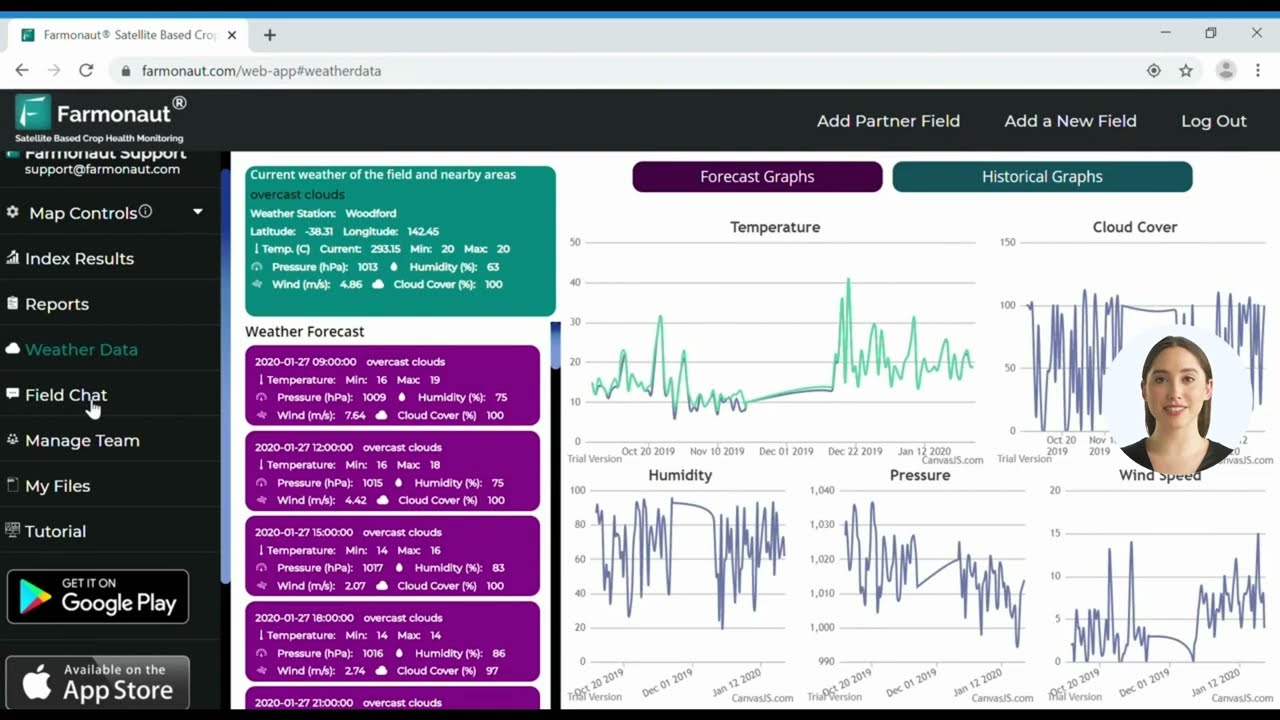
Tip: Use Farmonaut’s large-scale field monitoring tool to remotely track surface conditions, irrigation coverage, and road dust emissions, improving efficiency and sustainability.
2. Chemical Dust Suppressants in Copper Mines
Where water conservation is vital, chemical dust suppressants play a critical role in sustainable dust control in mining. These agents, such as lignosulfonates, magnesium chloride, and biodegradable polymers, bind dust particles to ore surfaces and roads, creating a thin crust that minimizes release into the air.
- Types: Organic (e.g., lignosulfonates), Inorganic (e.g., MgCl2), Synthetic polymers
- Application Areas: Unpaved haul roads, tailings dams, open storage yards, surface stockpiles
- Advantages: Longer-lasting than water, effective in dry environments, growing trend toward eco-friendly suppressants in 2025
- Considerations: Initial cost and environmental compatibility—select suppressants formulated for local ecosystem safety
- Monitoring: Use satellite-enabled carbon footprinting tools to validate environmental impact

3. Ventilation and Dust Collection Systems
Especially in underground copper mines, ventilation systems are the backbone of dust control and air quality maintenance. Large-scale, high-efficiency fans move fresh air into the mine, while powerful dust collectors (baghouses, cyclones, HEPA filtration systems) remove dust from return air before it recirculates or is exhausted outdoors.
- Dust Collection Points: Crushing, screening, ore transfer stations, underground heading faces
-
Latest 2025 Innovations:
– Real-time air quality monitoring sensors adjust ventilation rates automatically based on dust concentrations.
– Predictive analytics using AI for proactive maintenance and dust control improvement. - Health Impact: One of the most effective measures to reduce fine particle exposure
- Operational Benefits: Improved miner safety, compliance, and production efficiency
Regulatory Note: Continuous air quality monitoring and detailed reporting on dust concentrations are now expected for mine compliance worldwide.
US mines face specific exposure limits, and dust suppression and MSHA limits pairs them with the control methods that apply.
4. Enclosure and Isolation of Dust Sources
By enclosing dust-generating equipment (crushers, screens, conveyors) within physical barriers and using dust-tight seals or curtains, copper mines can greatly limit dust release into the environment. Local exhaust ventilation and extraction hoods further help capture particles at their source.
- Best Practices: Fully enclose transfer points and ore crushers; install negative pressure systems to draw dust particles into filter systems
- Benefits: Reduced worker exposure, simplified dust extraction and collection
- Consideration: Requires regular inspection and maintenance of seals, filters, and enclosures
Example: Use Fleet Management and Resource Optimization tools to schedule and monitor equipment maintenance for dust enclosures, keeping systems effective.
“Up to 80% of airborne dust in copper mines can be reduced with proper dust control measures by 2025.”
5. Road Maintenance and Traffic Management
Mine haul roads are among the largest contributors to airborne dust. Regular road grading, prompt repair of potholes, traffic control, and the application of dust suppressants on unpaved surfaces are key operational measures.
- Haul Road Design: Plan roads to minimize sharp curves, sudden stops, and high-traffic segments where dust generation peaks
- Speed Limits: Lower truck speeds (≤ 20 km/h) significantly reduce dust
- Surface Stabilization: Use soil binders, gravel capping, or chemical suppressants
- Monitoring: Deploy satellite or drone-based analysis for real-time traffic and dust plume tracking
Example: Integrate satellite-based fleet management and API weather data to schedule road maintenance under optimal conditions, maximizing dust suppression effectiveness.
6. Personal Protective Equipment (PPE)
While environmental control methods should always take priority, all copper mine workers must use proper personal protective equipment (PPE) for additional safety, especially during drilling, blasting, or crushing activities.
- Types: Respirators rated for fine dust, protective clothing, goggles
- When Critical: During work on primary dust sources, maintenance, and when air quality sensors detect elevated dust concentrations
- Limitations: PPE should be a secondary (not primary) safeguard
Note: Advanced sensors and AI-based air monitoring systems help mine managers identify when PPE use is mandatory.
7. Continuous Monitoring, Reporting, and Compliance
Modern dust control requires real-time air quality monitoring and data analytics, ensuring all measures stay effective. Deploy fixed stations at key dust sources, use wearable sensors for high-risk tasks, and leverage API-based digital integrations for detailed reporting.
- Regulatory Compliance: Data logs, automated reporting for health and environmental authorities
- Sensors & AI: Predict dust peaks and identify operational gaps in control
- Worker Health: Early alerts to mitigate exposure risk and activate emergency controls

Innovative Dust Control Technologies for 2025 and Beyond
As we look ahead, new technologies are reshaping the landscape of dust control in copper mines. Innovations allow for more effective, cost-efficient, and sustainable practices, enhancing both health and regulatory outcomes.
Emerging Innovations in Dust Control Measures
-
Drone-based Surveillance:
Drones map dust plumes and monitor effectiveness of suppression efforts in real time, enabling rapid, targeted responses. -
AI-powered Predictive Analytics:
Artificial intelligence predicts dust generation trends based on activities, weather, and equipment schedules, optimizing intervention timing. -
Electrostatic Dust Capture:
Cutting-edge filtration systems use an electric charge to actively remove fine dust particles from air emissions. -
Smart Sensors:
New miniaturized sensors (worn by miners or embedded in vehicles) provide hyper-local readings on dust concentrations. -
Automated Water Spraying & Suppression:
Robotics and IoT platforms coordinate water and chemical suppression for maximum coverage and minimal waste. -
Satellite Imagery & Geospatial Monitoring:
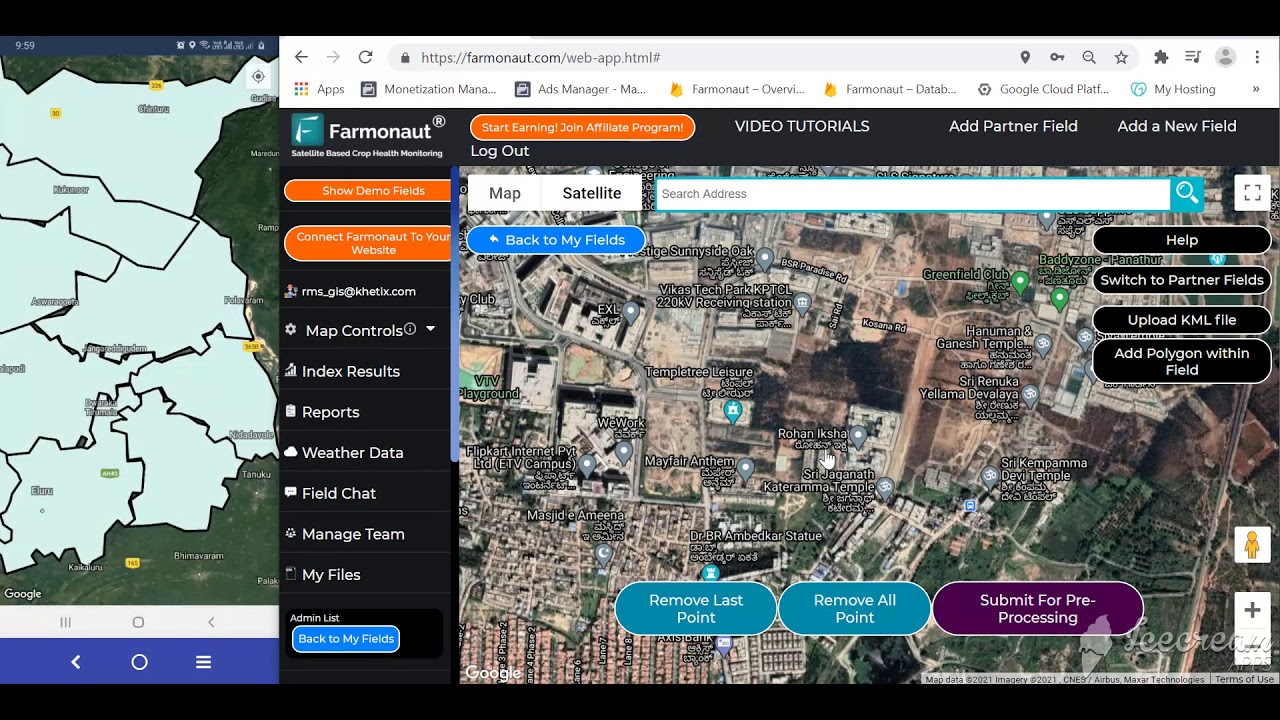
Satellite platforms (like ours at Farmonaut) can remotely monitor visible dust, water stress, and vegetation impacts over large copper mine areas for instant analysis.
Learn more about Farmonaut’s satellite-based mining solutions—from carbon emission monitoring to traceability in mining operations.
Comparison Table of Dust Control Measures in Copper Mining
| Method | Estimated Dust Reduction (%) | Estimated Cost ($/ton mined) | Health Impact Improvement | Environmental Friendliness | Yearly Maintenance Requirement |
|---|---|---|---|---|---|
| Water Spraying / Wet Suppression | 50–70% | $0.08–$0.18 | Medium | Medium (variable, depends on water management) | Medium–High (equipment checks, nozzle cleaning) |
| Chemical Dust Suppressants | 60–80% | $0.15–$0.30 | High | High (biodegradable preferred) | Low–Medium (periodic reapplication) |
| Vegetative Cover (Revegetation) | 30–60% | $0.12–$0.22 | Medium | High | Low (monitoring only) |
| Enclosure Systems (Sealed Equipment) | 70–85% | $0.30–$0.50 | High | Medium | High (seal inspection, filter changes) |
| Dust Extraction / Collection Systems | 80–90% | $0.40–$0.70 | High | Medium | High (regular filter maintenance, system checks) |

Satellite Monitoring and Digital Innovations
We at Farmonaut are proud to play an essential role in supporting sustainable mining and agricultural sectors worldwide, especially for organizations focused on improving dust control measures in copper mining. Our satellite-based technology enables:
- Real-time Environmental Monitoring: High-resolution satellite data provides absolute visibility on dust dispersion, vegetation health, water availability, and impact on surrounding ecosystems.
- AI Advisory Systems: Our Jeevn AI platform analyzes site conditions, equipment operations, and weather to recommend optimal dust control practices—proactively mitigating health and regulatory risks.
- API Integration for Fleet and Resource Management: Streamline haul road traffic management, equipment deployment, maintenance and logistics using Fleet Management API.
- Environmental Impact Tools: Leverage carbon footprinting services to monitor and report environmental performance, fostering better sustainability and compliance.
- Traceability with Blockchain: Offer end-to-end proof of sustainable dust management via product traceability solutions.
With Farmonaut’s digital platform (accessible on Android, iOS, and web), organizations can monitor mining operations, environmental impact, resource usage, and ensure comprehensive compliance from anywhere, anytime. We make satellite-driven insights affordable and actionable for copper mines large and small.

Frequently Asked Questions (FAQ) — Dust Control Measures in Copper Mines: Beginner’s Guide
- What are the main sources of dust in copper mining operations?
The chief sources include drilling, blasting, crushing, ore handling, conveyor transfer points, and vehicle movement on unpaved roads. Each stage contributes to the generation and release of fine dust particles, making control measures critical.
- How does dust affect the health of miners?
Fine dust particles (≤10 microns) can penetrate deep into miners’ lungs, causing silicosis, chronic bronchitis, and other respiratory illnesses. Long-term exposures are linked to increased occupational disease rates.
- What is the most effective dust control measure in copper mines?
A combination: dust extraction systems and ventilation have the highest reduction rates, but water spraying, chemical suppressants, and road maintenance are vital for integrated dust control strategies.
- Is water spraying alone enough for sustainable dust reduction in 2025?
Not always. Water spraying is effective but may require supplementation with chemical suppressants and enclosure systems, particularly in arid environments or in areas with frequent traffic.
- How do satellite and AI technologies help with dust control?
They provide real-time dust monitoring, environmental impact mapping, predictive analytics, and automated reporting—enabling data-driven interventions and compliance at scale. Satellite imagery, for example, identifies dust plumes and vegetative stress around mining sites.
- What is the environmental impact of chemical suppressants?
Modern suppressants are designed to be biodegradable and non-toxic, but it’s essential to select formulations validated for ecological safety and to monitor runoff for compliance.
- Are there government regulations for dust in copper mines in 2025?
Yes. All major copper producing regions now enforce strict air quality limits on respirable dust, regular monitoring, transparent reporting, and environmental remediation mandates. Fines and operational shutdowns can occur on non-compliance.
- Where can I learn more or access digital solutions for mine monitoring?
Explore Farmonaut’s web and mobile solutions for large-scale monitoring, including real-time satellite analytics, API, and traceability tools relevant to mining and resource industries.
Conclusion
Control of dust in copper mining is an ever-evolving challenge, central to both health and environmental responsibility. With increasing operational complexity and regulatory demands in 2025 and beyond, mining organizations must embrace a blend of traditional and cutting-edge dust control measures. These approaches, from wet suppression and chemical agents to advanced satellite-driven monitoring platforms, not only protect miners and nearby ecosystems but also deliver sustainable, compliant, and efficient operations.
As beginners or professionals in copper mining, focusing on integrated dust management, proactive monitoring, and continued learning will be key to sustainable success. For organizations seeking digital transformation, Farmonaut’s satellite technology services offer scalable access to data, insights, and compliance tools to meet future needs.
Farmonaut Subscription Options
Ready to leverage satellite-driven insights for sustainable mining and dust control? Explore our flexible subscription options below for businesses, governments, and individuals:
Quick Access Resources & Further Reading
-
Farmonaut Carbon Footprinting — Reduce emissions, ensure environmental compliance, and track resource use in mining
-
Fleet Management Tools — For optimized haul routes and dust prevention maintenance in mining operations
-
Blockchain-Enabled Product Traceability — Ensure authentically sustainable mining and dust control practices
-
Farmonaut Platform Access — Satellite-based monitoring through web and mobile apps for sustainable mining
-
Developer Docs for Mining APIs — Connect mine management tools for seamless satellite data integration
Discussion
Questions, corrections or field experience? Share them below. First-time comments are reviewed before they appear, and your email is never published.
No comments yet. Be the first to add a question or your experience.

 Sahara Mining
 Sean Mining Limited
 NTS Group (Pty) Ltd
 Mine4Africa
 Lithspo Minerals Limited
 Tintina Mining Group
 Dalgety Minerals Pty Ltd
 Vortex Minerals Pty Ltd
 Faith At Work (Pty) Ltd
 Geotech Mining Solutions plc
 Vulcan International Limited
 Kidepo Associates
 GKY Mining
 Alkimy SARL
 Double A Trading
 GemSprout Metals Limited
 Qader Group
 Ileys General Trading
 SG Gold Mining LLC
 VRV Global Pte Ltd
 Omsri International FZE
 G.I.T.T.
 Jaunita Erss Ltd
 SRK Consulting
 Berks Gold Limited










