

Dysprosium Mines, Mining: 7 Top Innovations for 2025
“Global dysprosium demand is projected to reach 3,000 metric tons by 2025, driven by renewable energy and electric vehicles.”
Dysprosium Mining: A Critical Resource for Advanced Technologies and Sustainable Development
Dysprosium, a rare earth element increasingly pivotal to modern technological and industrial applications, sits at the heart of our sustainable development ambitions and national security strategies. As the global rapid transition towards cleaner energy and advanced digital infrastructure intensifies, the role of dysprosium mines, dysprosium mining, and efficient extraction processes becomes ever more apparent.
This blog provides an extensive exploration of recent and upcoming innovations in dysprosium mining, assesses their environmental and technological impacts, and outlines the essential trends shaping the future of this critical resource—all with a keen focus on 2025 and beyond.
The Rare Earth Mining Landscape – Focus on Dysprosium
Dysprosium’s journey from the earth to the world’s most advanced applications highlights both opportunity and challenge. As one of the key rare earth elements (REE), dysprosium is predominantly sourced from select deposits concentrated in a handful of countries—notably China, which currently dominates the production and refining capacity, accounting for over 80% of the world’s supply.
Other emerging producers—including Australia, the United States, and Myanmar—are investing in mining infrastructure and advanced technology to reduce dependence on a single supplier and to meet escalating demand worldwide. The extraction processes involved in dysprosium mining remain complex given the element’s low concentrations within host minerals, primarily ion-adsorption clays and hard rock matrices.
The global rare earth mining sector is thus marked by strategic competition, technological innovation, geopolitical maneuvering, and rapidly evolving environmental standards.

Critical Role of Dysprosium in Advanced Technologies & Sectors
Dysprosium’s criticality stems from its vital role as an alloying agent improving the magnetic properties and temperature resistance of neodymium-iron-boron (NdFeB) magnets. These magnets are valued for their exceptional strength-to-weight ratio and remarkable efficiency, making them the backbone of:
- Electric vehicles (EVs) – powering lightweight, high-efficiency motors
- Wind turbines – driving reliable, powerful generators in renewable energy infrastructure
- Defense systems – used in precision-guided munitions, radar, and advanced navigation technologies
- Industrial robotics and manufacturing – supporting automation and smart factory solutions
With global demand surging toward decarbonization, these sectors rely on dysprosium to meet the increasing performance requirements of modern technologies, making the security of dysprosium supply paramount for the future of energy, mobility, and defense.

“Over 80% of dysprosium is used in high-performance magnets for wind turbines and advanced electric motors worldwide.”
Environmental and Sustainable Development in Dysprosium Mining
While dysprosium mines are a crucial resource for technological advancement, environmental stewardship is more critical than ever as sustainability becomes central to resource management strategies globally. Traditional extraction methods such as acid leaching and solvent separation can result in:
- Significant habitat and land degradation
- Water contamination
- Generation of toxic chemical waste
- Disruption to local agricultural and forestry systems
Thus, both industry leaders and government stakeholders are prioritizing:
- Development of sustainable mining techniques (bioleaching, wastewater recycling, closed-loop processing)
- Mitigating environmental impacts through innovative monitoring and remediation technologies
- Reducing reliance on primary mining by advancing rare earth element recycling
- Strengthening policies to ensure responsible resource extraction and community engagement
This drive for sustainable development ensures that the future of dysprosium mining aligns more closely with ecological responsibility and long-term economic growth.

7 Top Innovations Transforming Dysprosium Mines & Mining by 2025
The dysprosium mining industry is undergoing a rapid transformation as technological advancements and global incentives spur the adoption of cutting-edge approaches to resource extraction, production efficiency, and environmental protection. Below, we present the seven most impactful innovations shaping dysprosium mines, dysprosium mining, and the future of global supply in 2025:
1. AI-Powered Satellite Monitoring for Mining Sites
Harnessing AI-driven satellite imagery enables near real-time surveillance of mining operations, facilitating precise mapping, early detection of ecological impacts, and smarter planning for expansion and rehabilitation. Multispectral data analysis uncovers subtle shifts in land use, vegetation, and soil composition, streamlining environmental compliance.
- Example: AI platforms—such as those employed by advanced technology providers—can integrate remote sensing, fleet management, and analytics, vastly improving resource allocation and safety protocols.
2. In-Situ Leaching & Bioleaching Technologies
Bioleaching involves environmentally friendly processes, using natural or engineered microorganisms to extract dysprosium and other rare earth elements directly from ores. This reduces the need for aggressive chemicals, significantly lowering toxic waste, and minimizing disturbance to mining sites.
- Estimated benefits: Decreased operational costs, improved sustainability, and higher yield from otherwise low-grade ores.

3. Advanced Solvent Extraction & High-Selectivity Separations
Novel solvent extraction systems deploy advanced ligands and modular chemical plants designed to selectively isolate dysprosium and associated REEs. Innovations focus on closed-loop recycling of reagents, boosting extraction efficiency while simultaneously reducing hazardous waste.
- Key advantage: High-purity production at commercial scale with improved ecological footprint.
4. Magnetic Recycling From End-of-Life Magnets
As end-of-life EVs, wind turbines, and electronics flood the recycling stream, technological processes are emerging to recover dysprosium from discarded NdFeB magnets. Specialized hydrometallurgical and pyrometallurgical pathways are being refined to enable clean, profitable secondary supply that relieves pressure on primary mineral resources.
- Market impact: Circular economy strategies improve supply chain resilience and help meet increasingly stringent environmental standards.
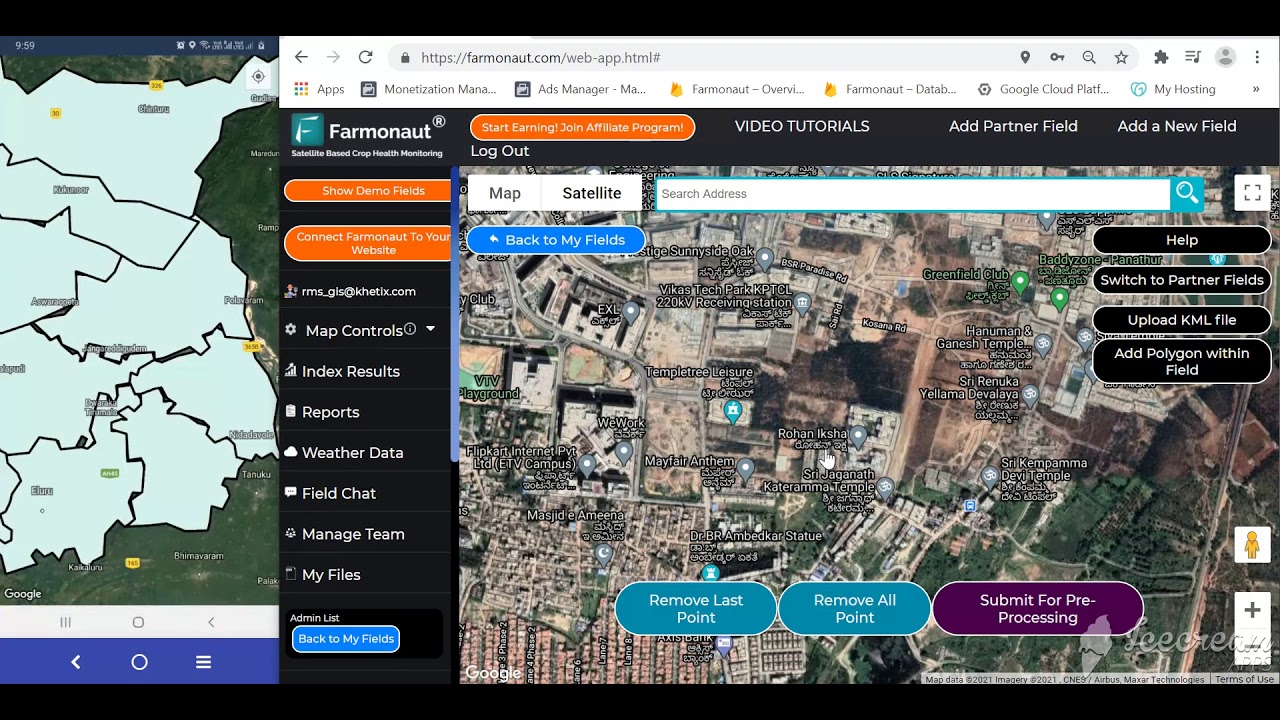
5. Blockchain-Based Traceability for Ethical Resource Management
Blockchain technologies now underpin the traceability of dysprosium and other rare earth elements through the supply chain—from extraction to end-use applications. By providing immutable records of origin, custody, and processing, blockchain reduces fraud, ensures compliance with ethical sourcing policies, and builds global trust for sustainable mining.
- Industry relevance: Next-generation traceability is especially crucial for suppliers serving defense, electric vehicle, and renewable energy technology manufacturers.
Want to ensure responsible dysprosium supply? Explore product traceability solutions here.
6. Automated Mining Fleets & Smart Resource Management
The deployment of unmanned aerial vehicles (UAVs), autonomous mining trucks, and AI-powered logistics software is reshaping resource management in dysprosium mining. Automated systems optimize haulage, minimize fuel consumption, reduce risks for workers, and enhance extraction rates—all crucial for meeting 2025’s global demand.
Efficient fleet management is key to scaling operations sustainably. Discover more about farmonaut fleet management solutions.

7. Carbon Footprint Tracking and Environmental Impact Monitoring
With mounting regulatory and stakeholder pressure to minimize environmental degradation, advanced carbon accounting and impact monitoring solutions leverage AI and satellite data to report emissions, habitat changes, and water use in real time. These systems enable companies to comply with evolving standards and publicly demonstrate sustainable stewardship.
Align mining operations with global sustainability targets by using Farmonaut’s carbon footprint tracking tools.

Comparative Overview Table: Dysprosium Mining Innovations (2025)
| Innovation | Description | Estimated Impact on Production Efficiency (%) | Sustainability Contribution | Technology Readiness Level (2025, Scale 1-5) |
|---|---|---|---|---|
| AI-Powered Satellite Monitoring | Continuous remote surveillance, operational planning, environment compliance via AI-analyzed multispectral data. | +20% | High | 5 |
| In-Situ Leaching & Bioleaching | Eco-friendly extraction using microorganisms to release dysprosium from ore with fewer chemicals/waste. | +15% | High | 4 |
| Advanced Solvent Extraction | High-selectivity separation with closed chemical loop for cleaner, more efficient dysprosium production. | +18% | Medium-High | 4 |
| Magnet Recycling | Recovery of dysprosium from end-of-life magnets via hydrometallurgical/pyrometallurgical processes; supports circular supply. | +25% | High | 4 |
| Blockchain-Based Traceability | Supply chain integrity and compliance via digital ledger tracking from mine to market. | +10% | Medium | 4 |
| Automated Mining Fleets | Self-driving trucks/ UAVs streamline logistics, lower costs, boost safety, and improve resource utilization. | +22% | Medium-High | 3 |
| Carbon Footprint Tracking | AI/satellite-based monitoring and reporting of emissions, land and water usage for environmental stewardship. | +12% | High | 5 |
Strengthening Global Supply Chains: Diversification & Security
The geopolitical and economic significance of dysprosium mining hinges on a secure, diversified supply chain. The over-concentration of production in one country—China—poses strategic vulnerabilities for national defense, emerging technology sectors, and economic stability in the United States, Australia, and Myanmar.
- Emerging producers are investing in new mining projects, building up refining capacity, and fostering regional trade partnerships to address supply chain risks and meet future demand.
- Supply chain traceability via blockchain and other digital solutions is helping governments and corporations ensure the ethical sourcing and security of their dysprosium supplies.
- Secondary supply from magnet recycling efforts is projected to constitute an increasing share of market supply by 2025, further reducing reliance on primary deposits.
The adoption of innovative supply chain and technological management strategies in dysprosium mining is core to sustaining the progress of renewable energy, defense systems, and EV manufacturing globally.

Impacts on Agriculture, Forestry & Broader Infrastructure
The intersection of dysprosium mining and agricultural/forestry sectors is complex, with both direct and indirect impacts:
Direct Impacts
- Mining activity can sometimes lead to soil degradation, erosion, and habitat loss—negatively affecting local farming and ecosystems.
- Pollution and waste management challenges may drive stricter land-use policies, influencing agricultural productivity and forest stewardship.
Indirect/Positive Impacts
- Technologies enabled by dysprosium magnets (such as electric agricultural equipment and wind-powered processing facilities) assist in reducing carbon footprints and improving energy efficiency within agriculture and forestry.
- Real-time monitoring via satellite data (such as those offered by innovative platforms) supports both agricultural resource management and ecosystem health assessments surrounding mining sites.
Stakeholders are recognizing that the path to sustainable development must balance technological progress with maintaining viable ecosystems for food production and forestry.
Want actionable advisories for sustainable plantation and forestry management? Try Farmonaut’s crop and forest advisory solution.
Outlook: Dysprosium Mining 2025 and Beyond
Looking forward, the strategic significance of dysprosium mines, dysprosium mining will only intensify. As decarbonization accelerates and electrified industries expand, the need for efficiently securing this indispensable mineral resource will become paramount. The modern era will be shaped by:
- Adoption of the 7 key technological innovations—from AI remote sensing to advanced recycling—that improve efficiency, reliability, and sustainability across the mining lifecycle.
- Circular economy principles and increased recycling of rare earth magnets; recycling will become a primary supply source by 2030, further reducing the ecological footprint of dysprosium extraction.
- Ongoing efforts to minimize environmental impacts—with smart monitoring, carbon tracking, and remediation becoming standard for responsible mining operations.
- Enhanced security, transparency, and compliance thanks to blockchain-based traceability and digitalized supply chains.
The outlook for dysprosium mining in 2025 and beyond is defined by innovation, sustainability, and an unyielding global demand for critical elements that underpin renewable energy, advanced manufacturing, and national defense priorities.
How Farmonaut Supports Sustainable Mining & Resource Management
As a leader in satellite-based monitoring and AI-powered advisory systems, Farmonaut offers advanced digital solutions to support sustainable practices across mining, agriculture, forestry, and infrastructure sectors:
- Satellite-Based Monitoring: Farmonaut’s real-time multispectral imaging delivers precise insights into mining site health, land degradation, and vegetation impact, enabling rapid intervention and compliance management.
- AI-Powered Advisory Systems: Our Jeevn AI platform analyzes satellite and sensor data to deliver actionable strategies for maximizing resource extraction while minimizing waste and environmental footprint.
- Blockchain Traceability: Secures supply chain integrity, bolsters ethical sourcing, and meets the rising demand for traceable, responsibly mined dysprosium.
- Fleet & Resource Management: Farmonaut’s software helps operators optimize vehicle use, logistics, and equipment safety, which is essential for advanced, large-scale mining and infrastructure management.
- Environmental Impact Tracking: Our platform monitors carbon footprint and provides tools to support organizations in meeting sustainability standards within mining, agriculture, and forestry.
Farmonaut’s solutions support sustainability, improve mining efficiency, and bolster supply chain transparency for the industries and stakeholders shaping the future of dysprosium mining worldwide.
Access Farmonaut’s satellite-based insights easily on web, Android, or iOS devices.



Integrate Farmonaut’s mining, carbon, or traceability data into your systems via our API. Explore developer documentation for implementation resources.
FAQ: Dysprosium Mines, Mining & Future Prospects
What makes dysprosium so critical in modern technology?
Dysprosium is essential primarily due to its use in NdFeB magnets, which power electric vehicles, wind turbines, defense systems, and industrial automation. It drastically improves the magnetic strength and resistance to high temperatures, critical for compact, high-performance devices.
Where are the main sources of dysprosium mining?
China currently dominates dysprosium mining, with major emerging producers in Australia, the United States, and Myanmar.
How are mining companies reducing the environmental impact of dysprosium extraction?
Key advances include bioleaching, closed-loop chemical processing, real-time environmental monitoring, and recycling of rare earth elements from discarded electronics. Many mines are moving towards low-impact, high-yield approaches in line with sustainable development priorities.
Why is recycling end-of-life magnets important in dysprosium supply?
Magnet recycling provides a secondary source of dysprosium, reduces the need for new mining, helps stabilize market supply, and supports the circular economy approach favored in advanced technology and energy sectors.
What role does Farmonaut play in sustaining dysprosium mining?
We, at Farmonaut, offer satellite-driven monitoring, AI-based analytics, real-time resource management, and blockchain traceability—all supporting efficient, sustainable, and compliant operations for mining stakeholders worldwide.
How can companies monitor and manage emissions from mining activities?
By integrating Farmonaut’s carbon footprint tracking tools with satellite analytics and regulatory reporting frameworks, companies can get actionable insights for minimizing carbon and environmental impact.
Is there a way to verify responsible sourcing of dysprosium for manufacturers?
Yes, blockchain-enabled traceability solutions—like those available from Farmonaut—give manufacturers, OEMs, and regulators confidence in the ethical and legal provenance of dysprosium and other rare earth materials.
Get Started with Affordable Farmonaut Subscriptions
Unlock affordable, scalable access to satellite-based mining and agriculture monitoring solutions for your enterprise, government department, or research project. With Farmonaut’s flexible subscriptions, begin leveraging real-time data, AI insights, and industry-leading environmental monitoring in minutes.
API access and tailored business packages available. Click here to view API options.
Conclusion: The Future of Dysprosium Mines, Mining, and Innovation
In 2025 and beyond, dysprosium will remain an indispensable resource for advanced manufacturing, renewable energy, and national defense. The industry’s rapid pivot towards sustainable practices and the adoption of technology-driven innovations are transforming how dysprosium is mined, managed, and supplied worldwide. From AI-powered monitoring and blockchain traceability to secondary supply recycling and ecological stewardship, these trends ensure dysprosium’s role in supporting global development—all while minimizing environmental footprints.
We, at Farmonaut, remain committed to equipping all stakeholders—mining managers, government regulators, sustainability consultants, agricultural organizations, and manufacturers—with actionable, affordable tools to navigate the challenges and opportunities of dysprosium mining in a sustainable, future-ready manner.
Experience the power of satellite, AI, and blockchain-driven insights in mining and resource management by visiting Farmonaut’s official website today.

 Berks Gold Limited
 Mwerezi Minerals Company Limited
 Congo Mining Solutions
 Mining SARL
 SenGold Invest SAS
 Sania Corporation
 Sean Mining Limited
 NTS Group (Pty) Ltd
 Mine4Africa
 Lithspo Minerals Limited
 Tintina Mining Group
 Dalgety Minerals Pty Ltd
 Vortex Minerals Pty Ltd
 Faith At Work (Pty) Ltd
 Geotech Mining Solutions plc
 Vulcan International Limited
 Kidepo Associates
 GKY Mining
 Alkimy SARL
 Double A Trading
 GemSprout Metals Limited
 Qader Group
 Ileys General Trading
 SG Gold Mining LLC
 VRV Global Pte Ltd
 Omsri International FZE
 G.I.T.T.
 Jaunita Erss Ltd
