

Economic Benefits of Mining: 7 Key Industry Trends for 2025
“By 2025, mining is projected to generate over 20 million jobs globally, driving significant economic growth.”
The economic benefits of mining in 2025 extend far beyond extraction, remaining a cornerstone for global economic advancement. This industry not only boosts revenues and resource security but also drives critical support to infrastructure, fuels job creation, and fosters technological progress. As we enter 2025, the benefits of the mining industry remain pivotal for thriving economies, particularly in resource-rich countries. In this comprehensive analysis, we’ll explore the key industry trends for 2025 that shape the face of modern mining, highlighting how mining sustains economic growth, supports communities, and aligns with pressing global sustainability goals.
Industry Overview: Economic Benefits of Mining in 2025
Mining remains an economic engine driving substantial growth across continents. Countries with abundant minerals—like copper, lithium, rare earth elements, and gold—leverage extraction as a cornerstone of national prosperity. The economic benefits of mining are profound, especially for developing economies, where mining accounts for a considerable portion of GDP, government revenues, and foreign exchange reserves.
- Revenues, Taxes, and Export Earnings: Mining-generated taxes, royalties, and export earnings are crucial for government budgets, funding public investment in infrastructure, education, and healthcare.
- Job Creation: The mining industry supports millions of jobs worldwide, providing vital opportunities in both urban and remote rural areas.
- Infrastructure Development: Mining often leads to investments in roads, energy, and water supply, catalyzing broader regional economic growth.
The global economy depends on steady mineral supplies, and the 2025 landscape reflects heightened demand due to rising infrastructure and technology needs. Understanding the full scope of the benefits of the mining industry is essential for policymakers, investors, and communities seeking sustainable development.
7 Key Industry Trends Shaping the Economic Benefits of Mining in 2025
As mining enters a new era, seven industry trends are redefining its economic and global impact. These developments contribute to both immediate and long-term prosperity.
1. Job Creation & Workforce Upskilling
Workforce development remains a central economic benefit in mining. In 2025, the industry is projected to generate over 20 million jobs worldwide, with ongoing emphasis on upskilling and training programs. New technologies, such as automation and AI-driven monitoring, require skilled operators and analysts, fostering an adaptable labor force. Importantly, many of these jobs are created in rural and remote areas where economic opportunities are scarce.



2. Infrastructure Growth and Investment
Mining activity often triggers large-scale infrastructure development—roads, railways, energy grids, and water systems. In 2025, this trend accelerates as companies and governments collaborate to ensure infrastructure directly serves communities. The result? Improved trade, access to healthcare and education, and new economic pathways for remote areas.
Learn more about how infrastructure and resource monitoring are enhanced by Farmonaut’s Fleet Management Solutions.
3. Emphasis on Sustainable Mining Practices
Sustainability is a defining theme of modern mining. The push for green standards—driven by consumers, investors, and regulators—has made sustainability crucial for long-term viability. Environmentally responsible extraction, waste management, and emissions tracking help ensure that the economic benefits of mining align with global climate targets.
Discover how carbon emissions reduction and monitoring are supported by Farmonaut’s Carbon Footprinting Platform.
4. Surge in Demand for Critical Minerals (Copper, Lithium, Rare Earth Elements, Cobalt)
Global energy transitions are intensifying demand for metals such as copper, lithium, cobalt, and rare earth elements. These minerals are foundational for renewable energy technology, electric vehicles, and advanced electronics. Countries rich in these resources increasingly capitalize on extraction to finance diversification strategies, increasing export earnings and contributing significantly to their economies.
5. Automation & Technological Innovation
Automation, AI, and advanced analytics are revolutionizing mining operations. By embracing digital platforms and satellite monitoring, companies reduce costs, improve safety, and boost productivity. These innovations also spill over into other sectors, fostering broader economic competitiveness in mining regions.
6. Globalization & Supply Chain Integration
Mining’s role in international supply chains has never been greater. In 2025, the industry supplies multiple sectors—from construction to renewable energy—facilitating cross-border collaboration and export-led growth.
Get real-time mineral traceability to ensure supply chain authenticity with Farmonaut’s Blockchain Traceability Solution.
7. Community-Centric Development & Social License to Operate
Mining increasingly operates in partnership with local communities. Investments in housing, health, and education, alongside responsible engagement, help secure the “social license to operate” critical for project success. Mining companies are shifting focus toward broader community prosperity, fostering inclusive and equitable economic growth.
“Sustainable mining practices are expected to reduce industry carbon emissions by 30% by 2025.”
Industry Trends Impact Table
Insights from the Field: Must-Watch Trends Videos
Explore the following expert videos for deeper insight into how mining, technology, and AI-driven practices are shaping the industry’s economic future in real-world locations:





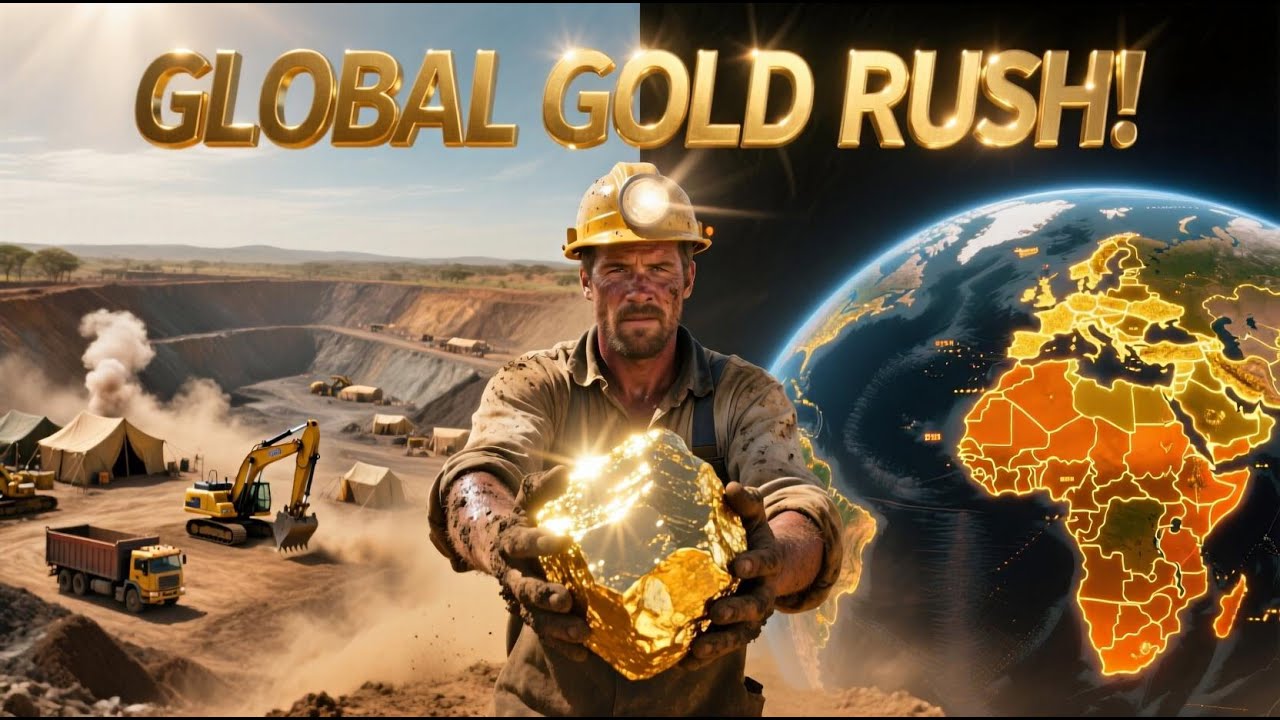
How Mining Contributes to Economic Development
The economic benefits of mining are most clearly seen in its role as a foundation for national and regional development.
Direct Financial Flows
- Taxes & Royalties: Collected by governments, these revenues finance public services, infrastructure, and social safety nets.
- Export Earnings: Minerals are among the top global exports, particularly copper, lithium, and rare earth elements. These exports boost foreign exchange reserves and stabilize economies.
- Investment: Both national and foreign companies make significant investments in extraction, processing, and logistics. This drives diversification strategies and financial growth.
Indirect and Catalytic Impacts
- Industrial Supply Chains: Mining supplies raw materials to hundreds of industries—including AI hardware, renewable energy, and advanced manufacturing.
- Community Development: From jobs and local procurement to infrastructure, mining’s presence can stimulate housing, commerce, and community health.
- Education & Health Support: In many developing regions, mining investments fund schools, vocational centers, and clinics.
Access safer crop and mining loans with satellite-verified data through Farmonaut’s Crop Loan and Insurance Platform.
Technology Advancements in Mining (2025 Perspective)
Technological progress fuels the continued growth and efficiency of mining in 2025. The adoption of satellite monitoring, AI, blockchain, and advanced analytics is becoming the industry norm.
Key Technological Trends
- Automation: AI and robots automate routine tasks, improving safety and reducing costs.
- Satellite Data: Enables real-time monitoring of extraction sites, resource tracking, and early detection of environmental impacts.
- Blockchain: Secure, transparent records for mineral origin, custody, and compliance.
- Fleet Management Solutions: Streamline logistics, vehicle use, and operational safety.
- AI-Based Advisory Systems: Deliver real-time insights for resource management and compliance.
- Environmental Monitoring: Advanced tools help mining companies track and mitigate their carbon footprint.
Satellite monitoring is a game-changer for mining companies seeking efficient, data-driven decisions— explore our large-scale mining and resource management solutions for comprehensive oversight.
Sustainable Practices in the Mining Industry
Sustainability is the defining mandate of mining in 2025 and beyond. The sector increasingly focuses on minimizing environmental costs and complying with international standards.
- Decarbonization: New practices aim to cut mining-related emissions by at least 30% by 2025, supporting global climate action goals.
- Reclamation & Biodiversity: Modern mines plan for land reclamation and foster local biodiversity, restoring environments post-extraction.
- Water Stewardship: Technological advances enable efficient water use and pollution control at every stage of the supply chain.
- Community Health: Sustainable mining prioritizes the wellbeing of local populations, funding health care facilities and education for future generations.
Effective sustainable mining practices are non-negotiable for companies seeking a social license to operate and access green financing.
Farmonaut’s Role in Modern Mining Monitoring & Intelligence
As a leader in satellite technology, Farmonaut empowers the mining industry with next-generation monitoring and data solutions in 2025.
Our mission is to make satellite-driven insights affordable and accessible for businesses, users, and governments globally—helping them maximize the economic benefits of mining while aligning with sustainability standards.
- Satellite Monitoring: Track mine sites, infrastructure, and regional development in real time. Our technology delivers NDVI (Vegetation Health) insights, soil assessments, and structural monitoring for improved operational efficiency.
- Jeevn AI Advisory System: Get AI-powered weather, risk, and productivity strategies personalized for every stage of mining operations.
- Blockchain Traceability: Ensure supply chain transparency and resource security for critical minerals and metals with end-to-end blockchain verification.
- Environmental Impact Tracking: Monitor carbon foot printing, water usage, and emissions in real time—vital for sustainable mining practices and regulatory compliance.
- Fleet & Logistics Management: Optimize vehicle use, reduce costs, and ensure on-site safety with our integrated tracking and analytics tools.
Our scalable solutions empower everyone from individual mining operators to large corporations and government bodies to transition seamlessly into the digital, sustainable era of mining. Discover all our mining solutions within the Farmonaut Platform.
Farmonaut Subscriptions Pricing
Farmonaut offers flexible and affordable subscription packages for satellite monitoring, AI advisory, blockchain traceability, and environmental management in mining. Plans are available for individual users, enterprises, and government institutions.
Customize your mining technology stack and extend your operational visibility across any region or mineral type—no expensive hardware required.
FAQ: Economic Benefits of Mining in 2025
1. What are the main economic benefits of mining?
The main economic benefits of mining include significant job creation, direct financial contributions through taxes and royalties, increased export earnings, and investment in infrastructure. Mining also stimulates local economic development, supplies critical materials to multiple industries, and supports community-focused growth.
2. Which minerals are most in demand as of 2025?
Key minerals experiencing a surge in demand in 2025 include copper, lithium, cobalt, and rare earth elements. These are essential for renewable energy, electric vehicles, and advanced technology.
3. How is the mining industry promoting sustainability?
Mining companies are adopting sustainable practices including emissions reduction, land reclamation, water stewardship, and environmental impact monitoring. Technologies like satellite observation and carbon tracking are crucial for these efforts.
4. What role does technology play in mining’s economic growth?
Advanced technologies—including automation, AI, blockchain, and satellite data—reduce operational costs, enhance safety, and improve productivity. They also enable real-time environmental impact tracking and regulatory compliance.
5. How can communities benefit directly from mining activities?
Communities benefit from employment, skill development, improved infrastructure, and direct investment in health and education. Responsible companies engage with communities to ensure that mining prosperity is inclusive and sustainable.
6. How does blockchain improve mineral supply chains?
Blockchain offers transparent and tamper-proof records of mineral origin, movement, and processing, reducing fraud and improving consumer trust in the supply chain.
7. What is the best way to monitor mining operations and environmental impact?
Satellite-based monitoring platforms (like Farmonaut) provide real-time data on mine activity, site conditions, carbon emissions, and resource utilization, supporting compliance, operational efficiency, and sustainability.
Summary: The Economic Benefits of the Mining Industry—A 2025 Perspective
The economic benefits of mining remain manifold and pivotal to the global economy’s evolution as we approach 2025.
Mining continues to generate significant revenues, secure millions of jobs, and support technology and infrastructure critical to modern societies. The surging demand for minerals like copper, lithium, cobalt, and rare earth elements is further entrenching mining’s role in building supply chains for renewable energy and digital innovation.
As environmental stewardship and social responsibility sharpen in focus, the industry’s adoption of sustainable practices is reducing environmental costs and ensuring long-term prosperity for both host countries and communities. With the integration of automation, AI, and data-driven satellite systems, the sector is modernizing rapidly and fostering industrial competitiveness on a global scale.
For policymakers, investors, and local stakeholders, understanding these trends is crucial: When responsibly managed and technologically advanced, mining remains a powerful engine for inclusive economic growth, supporting infrastructure, education, healthcare, and community development far beyond its physical footprints.
As the industry continues to evolve, solutions from satellite intelligence leaders like Farmonaut are unlocking new levels of efficiency, sustainability, and traceability—ensuring that the benefits of mining industry are widely shared while aligning with global goals for sustainable development, technological advancement, and resilient economies.

 Viahara Mining
 Mining SARL
 SenGold Invest SAS
 Sania Corporation
 Sean Mining Limited
 NTS Group (Pty) Ltd
 Mine4Africa
 Lithspo Minerals Limited
 Tintina Mining Group
 Dalgety Minerals Pty Ltd
 Vortex Minerals Pty Ltd
 Faith At Work (Pty) Ltd
 Geotech Mining Solutions plc
 Vulcan International Limited
 Kidepo Associates
 GKY Mining
 Alkimy SARL
 Double A Trading
 GemSprout Metals Limited
 Qader Group
 Ileys General Trading
 SG Gold Mining LLC
 VRV Global Pte Ltd
 Omsri International FZE
