

Agriculture Job in Australia 2025: Top Job Trends
“By 2025, Australia’s agri-sector is projected to add over 15,000 new jobs, driven by technology and sustainability trends.”
Overview of Agriculture Jobs in Australia (2025)
Agriculture job in Australia remains a cornerstone of the nation’s economy and a vital source of employment. In 2025, the sector will continue offering a diverse range of opportunities across the country, from Queensland and New South Wales to Victoria and Western Australia. Australia’s agricultural field encompasses:
- Cropping: Includes wheat, barley, canola, and pulses, as well as specialized horticulture and fruits.
- Livestock Farming: Sheep, cattle, poultry, and dairy farms are major sources of production and export products.
- Horticulture: Fruits, vegetables, nuts, and nursery plants for both local and international markets.
- Aquaculture: Prawns, oysters, finfish, and pearls increasingly contribute to the national economy.
- Viticulture: Australia is a global leader in wine production and export.

The variety of agriculture job in Australia options means that roles vary from manual labor, like fruit picking and livestock handling, to specialized professions, such as agronomy, agricultural science, farm management, and agribusiness. Beyond the farm, opportunities extend into agritech development, research, supply chain management, machinery maintenance, and logistics and distribution of agricultural products.
2025 brings a continued demand for both local workers and international migrants, driven by ongoing modernization and expanding markets. The government remains an active player, supporting employment through worker programs and skilled migration pathways.
Key Drivers of Agriculture Employment Trends in 2025
- Technological Advancement
- The Australia agriculture sector is experiencing rapid digital transformation. New precision agriculture technologies, such as drones, satellite imagery, GPS-guided machinery, AI-based platforms, and data analytics are now integral to farm operations.
- This creates a robust demand for technologically skilled workers who can manage, maintain, and analyze data to improve yields and sustainability.
- Roles supporting development and operation of agritech products are especially in growth.
- Sustainability and Climate Adaptation
- Australia’s agriculture sector is making major investments in sustainable practices due to growing climate impacts on productivity.
- Jobs in conservation agriculture, soil health management, water-efficient irrigation systems, and renewable energy integration on farms are expanding.
- Environmental science and sustainable experts are in especially high demand.
- International Market Growth
- Australia’s reputation as a strong global exporter—wool, wheat, beef, wine, and horticultural products—ensures robust employment in production, supply chain, and logistics.
- Roles in export compliance, biosecurity, and quality assurance continue to grow in importance.

Types of Agriculture Jobs in Australia: 2025 Landscape
From manual labor and trade positions to technical and management, the range of agriculture job in Australia roles has never been broader:
- Farm Workers & Laborers: Planting, harvesting, livestock handling, machinery operation, maintenance—most active in seasonal peak times, especially fruit and vegetable picking.
- Farm Managers and Supervisors: Management of day-to-day operations, workforce co-ordination, budgeting, and compliance with regulations.
- Agricultural Scientists & Agronomists: Working with research organizations, government agencies, and private companies to improve yields, pest/disease management, and soil nutrition.
- Technical & Trade Roles: Machinery technicians, irrigation specialists, drone operators, software engineers for agritech.
- Supply Chain & Logistics Specialists: Overseeing the efficient storage, transportation, and distribution of agricultural products.
- Environmental & Carbon Management: Monitoring sustainability, carbon footprinting (find out how carbon footprinting transforms agriculture sustainability), and conservation initiatives.
- Agribusiness & Finance: Business management, supply, and trade—including crop loan and insurance verification (streamline farm finance and insurance with satellite-based solutions).
- Product Traceability: Maintaining blockchain-based authenticity in supply chains (boost export trust with advanced traceability solutions).
Note: Nearly all these sectors increasingly seek technologically skilled workers who can adapt to changing methods, sustainability standards, and data-driven operations.

“Nearly 60% of new Australian agriculture roles in 2025 will require digital or tech-based skills.”
Top Agriculture Job Trends: Comparative Table (2025)
| Job Title | Estimated Demand (%) for 2025 | Average Salary (AUD) | Required Qualification | Key Technology/ Sustainability Skills | Career Advancement Prospects |
|---|---|---|---|---|---|
| Farm Manager/Supervisor | 18% | $85,000 – $120,000 | Diploma/Degree in Agriculture/Business | Farm management software, data analytics, sustainability practices | Senior management roles, business ownership, consultancy |
| Agronomist/Ag Scientist | 14% | $70,000 – $110,000 | Bachelor’s/Master’s in Agricultural Science | GIS, remote sensing, crop modeling, soil & pest diagnostics | Research leadership, sector policy, agri-consulting |
| Precision Ag Technician | 12% | $65,000 – $100,000 | Certificate IV/Vocational in Agricultural Technology | IoT, drones, software, system maintenance, GIS | System integration, technical specialist, product manager |
| Supply Chain & Logistics Manager | 11% | $70,000 – $115,000 | Diploma/Degree in Logistics/Supply Chain Mgmt | Blockchain traceability, cold chain systems, export compliance | Head of operations, logistics director, intersector transfer |
| Sustainability/Carbon Advisor | 9% | $80,000 – $125,000 | Env. Science Degree/Relevant Certificate | GHG monitoring, carbon footprinting, regulatory compliance | Sustainability director, govt. advisory, consulting |
| Dairy & Livestock Worker | 14% | $55,000 – $75,000 | On-job training/Vet. certificate | Machinery operation, animal tech, robotics | Farm management, animal husbandry, training roles |
| Agritech/Software Developer | 6% | $90,000 – $150,000 | Bachelor’s in IT/Computer Science | IoT, farm apps, AI, data integration | Product management, CTO, entrepreneurship |
| Fruit/Vegetable Picker | 16% | $47,000 – $60,000 | No formal, on-job training | Harvesting equipment, GPS systems, produce handling | Supervisory/seasonal management |
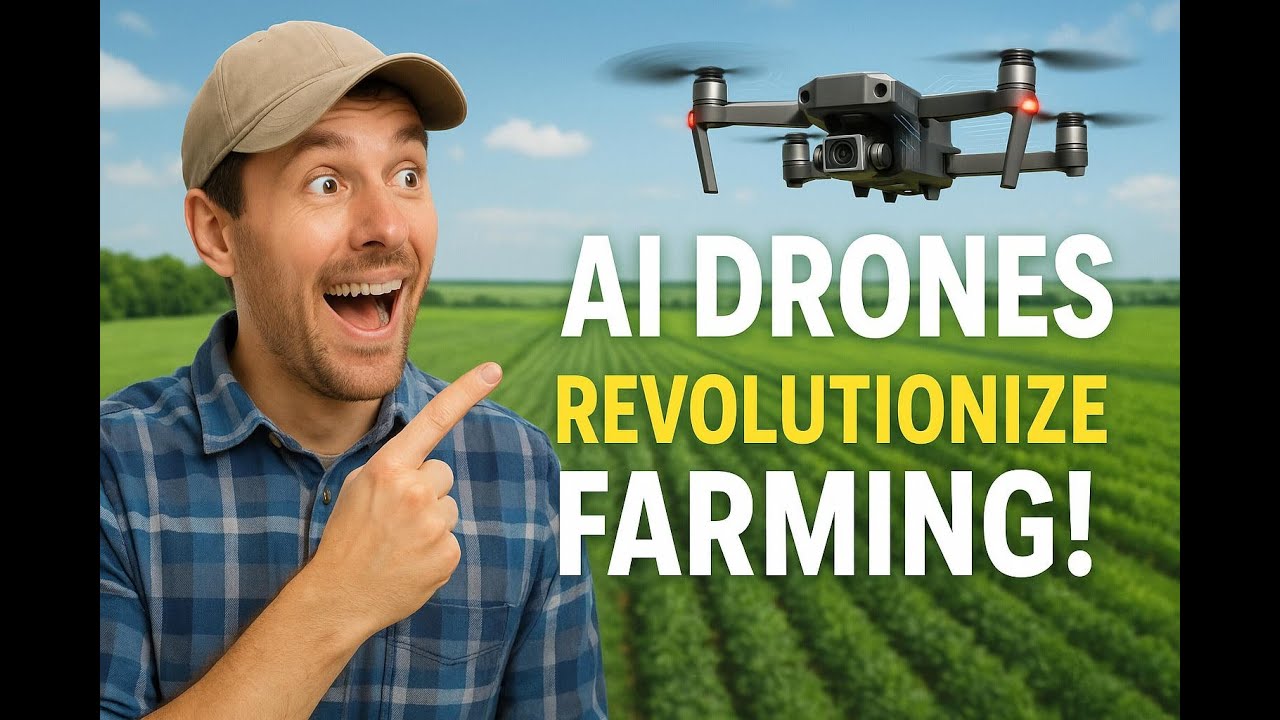
Agriculture Job Outlook and Career Prospects for 2025
- Stable Employment with High Regional Demand
- The outlook for agriculture job Australia remains resilient. With population growth and global export demand, employment in the sector is predicted to grow moderately through 2025 and beyond.
- High regional demand in Queensland, New South Wales, Victoria, and Western Australia—these states account for the majority of agriculture jobs, especially during harvest and production peaks.
- Tech-Focused & Sustainability Roles Outpace Manual Labor Growth
- While automation and digital transformation may slightly reduce manual labor positions, new roles in data analysis, technology management, environmental technology, and agritech development are emerging.
- Government and Migration Programs Support Workforce Needs
- Australia continues to support seasonal workers and skilled migration to meet workforce gaps.
- Lucrative Career Paths & Industry Support
- Candidates with qualifications in agronomy, data science, engineering, or environmental science may quickly advance to management or advisory roles.
Skills, Qualifications & Pathways in Agriculture Job Australia
Several pathways exist for entering and advancing within an agriculture job in Australia:
Key Skills for 2025 and Beyond
- Technology Savvy: Knowledge of farming machinery, IoT, precision farming tools.
- Data Analytics: Ability to analyze satellite and soil data to improve yields and optimize operations.
- Environmental Knowledge: Understanding of sustainable methods and climate adaptation.
- Management & Communication: Coordination of teams, resource distribution, and compliance with government regulations.
- Adaptability: Willingness to learn new practices, operate machinery, or transition into digital roles.
Education & Training
- Many jobs require no formal qualifications—but increased automation and complexity favor those with vocational certificates, degrees in agriculture, environmental science, engineering, or technology.
- On-the-job training is especially common for manual labor and seasonal positions.
- Apprenticeships and internships are a pathway into trades, machinery, and maintenance careers.
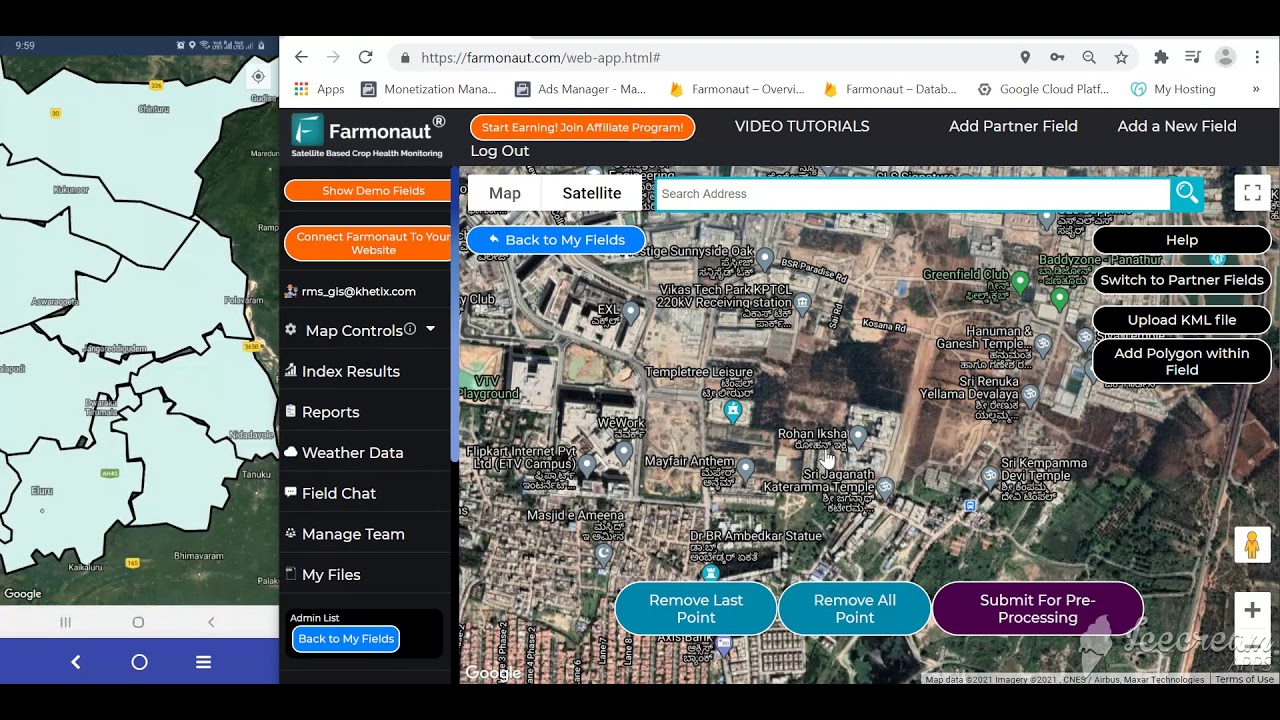
For those eager to integrate digital monitoring and data-driven practices into their farms or agribusiness, explore dedicated large scale farm management platforms, such as Farmonaut’s agro-admin system. These enhance efficiency and transparency in field operations and workforce management.

How Technology Is Shaping Australia Agriculture Job Opportunities
The agriculture job in Australia market is at the forefront of the agritech revolution, characterized by:
- Satellite Imagery & Remote Sensing: Real-time field and soil monitoring, yield prediction, drought/flood risk analysis.
- AI & Big Data: AI-driven advisors (see crop, plantation, and forest advisories), decision support systems, early warning alerts.
- Drones & Automation: Automated crop scanning, spraying, machinery operation—enabling fewer workers to cover greater acreage.
- IoT & Smart Sensors: Soil moisture, weather monitoring, irrigation optimization, and livestock tracking.
- Blockchain for Traceability: Securing product supply chains. Learn more about blockchain-based traceability here.
- API Integration: Developers and companies can directly integrate agricultural data and insights using Farmonaut’s API (see API developer docs).
As digital adoption grows, entire farms and supply chains will operate more like data-driven enterprises—expanding the range of agricultural jobs available to those with tech and data skills.




Sustainability Initiatives & Climate Adaptation in Australian Agriculture Careers
Modern agriculture in Australia is advancing rapidly toward sustainability and climate adaptation:
- Carbon Footprinting: Monitoring and reducing on-farm emissions increases market access and meets global standards. Our carbon footprinting tools provide actionable insights.
- Soil Health Management: Conservation tillage, cover cropping, organic matter improvements.
- Water-Efficient Irrigation: Sustainable water use through precision irrigation, IoT sensors, and satellite alerts.
- Renewable Energy Integration: Increasing adoption of solar/wind on farms and electrification of machinery.
- Resources for Environmental Compliance: Real-time environmental impact monitoring to comply with government and market regulations (explore real-time compliance solutions).
These advances will continue to create jobs for environmental scientists, sustainability advisors, and technically skilled farm workers across Australia.
Future Trends & New Roles Emerging in Agriculture Job Australia
Looking ahead, Australia’s agriculture job market will continue to evolve, offering:
- Agri-Data Analysts: Specialists in big data, integrating ag, weather, market, and supply chain data to drive smarter decisions.
- AgriTech Solution Designers: Developers and engineers creating mobile/web platforms, satellite-based monitoring, and AI decision tools.
- IoT & Robotics Specialists: Maintenance and operations of autonomous machinery, drones, and precision farming devices.
- Blockchain Supply Chain Officers: Overseeing product provenance, traceability, and anti-counterfeit logistics.
- Climate Adaptation Officers: Helping farms and agribusinesses strategize for droughts, water scarcity, and emission reduction.
These new roles increasingly require strong digital and interpersonal skills—aligning with ongoing modernization initiatives and expanding international markets.
How Farmonaut Supports Technological & Sustainable Agriculture in Australia
As a satellite-driven technology company, we at Farmonaut enable the Australian agriculture sector to:
- Access affordable satellite monitoring for crop health, soil conditions, and resource management.
- Leverage our Jeevn AI Advisory System to receive weather forecasts, pest alerts, and site-specific recommendations — boosting productivity and supporting sustainable practices.
Try Jeevn AI on web & mobile - Integrate blockchain-based traceability for authenticating produce and supporting export compliance. Learn more about securing your supply chain.
- Optimize logistics & equipment/fleet through real-time monitoring (explore fleet management products here).
- Monitor carbon footprinting & sustainability for better environmental and regulatory outcomes (see carbon monitoring benefits).
- Developers and enterprises can integrate advanced data into their systems using our Agriculture Satellite Data API (see API Docs here).
Our platform brings the power of real-time data, AI-driven decision-making, and scalable resource management to any Australian farm—empowering rural and regional operators, businesses, and government agencies alike. The flexibility and mobile responsiveness of our system (via App, Android, iOS, and Web) are designed to support operators of every scale and expertise level.
FAQs: Agriculture Job in Australia 2025
-
Q1: What are the most in-demand agriculture jobs in Australia for 2025?
Top roles include farm managers, agricultural scientists, precision ag technicians, supply chain/logistics managers, and sustainability advisors. -
Q2: Will technology reduce or increase job opportunities?
Technology will change job types—there will be less repetitive manual labor but higher demand for tech-skilled workers in digital operations, analytics, and agri-engineering. -
Q3: Can international migrants still find work in Australian agriculture?
Yes. Programs like the Seasonal Worker Programme and skilled migration pathways continue to fill labor gaps, especially in regional communities. -
Q4: What qualifications do I need for a career in agriculture in 2025?
Manual roles often require no formal education, but advanced positions (agronomy, management, technology) benefit from TAFE, university degrees, or vocational certificates. -
Q5: Where can I get real-time agricultural insights and data to support my farm?
Farmonaut offers affordable, satellite-based solutions for remote monitoring, AI-driven advice, blockchain traceability, and more. Try our web & mobile apps or explore the Agro Admin platform for large scale management.
Conclusion
Australia’s agriculture job market in 2025 is vibrant, driven by an ongoing transformation fueled by digital technologies, sustainability initiatives, and the requirements of expanding international markets. As a cornerstone of the nation’s economy, agriculture provides not just traditional farm jobs but also opens doors to high-tech, managerial, scientific, and environmentally focused careers.
The future will reward those who embrace innovation, adapt to new technologies, and practice sustainability—ensuring a vital, resilient workforce and continued growth across Australian farms and agribusinesses. Whether you wish to work hands-on in the field, pursue a scientific or technological path, or contribute to the new wave of sustainable farming, career prospects in agriculture remain strong and rewarding for 2025 and beyond.
Stay at the forefront of industry trends by adopting data-driven decision platforms, real-time monitoring, and sustainable solutions like those offered by Farmonaut.
Explore leading-edge agri-solutions and support your agriculture career journey with us!

 NWNS
NWNS Hydenmet
 Dirks Bros Farms
 Red August Group
 Farm Inc
 WeMe Global
 Agrotoken
 Blue BearX
 Insignito
 Croptimum
 DnCubed
 Field Capacity
 Indosistim Teknologi
 Liquify Digital
 CU Foods
 BeyondTech Global
 Rouge VC
