

Gold, Lithium, Uranium Deposits in the United States: Strategic Catalysts for Energy, Mining, and Technological Advancement in 2025
“The U.S. produced about 170 metric tons of gold and 3,600 metric tons of lithium in 2023. ”
The Strategic Context of Gold, Lithium, Uranium Deposits in the United States in 2025
The United States remains endowed with significant mineral resources that play a crucial role in its economy, national security, and technological advancement. Among these, gold deposits in the United States, lithium deposits in the United States, and uranium deposits in the United States stand out for their strategic importance in 2025 and beyond, influencing sectors such as mining, infrastructure, defense, clean energy development, and advanced technology ecosystems.
As we look toward 2026 and beyond, understanding the supply chains, domestic production, and innovations in extraction and processing for these critical minerals is vital for maintaining global economic leadership and ensuring resilience against evolving geopolitical tensions.
In this comprehensive guide, we examine the history, current landscape, and future prospects of U.S. gold, lithium, and uranium deposits through the lens of technology and innovation—exploring their economic value, technological applications, and role in national strategy.
Explore how sustainable practices, advanced satellite monitoring, and data-driven solutions are transforming mineral resource management—and how Farmonaut’s technology supports smarter, more efficient, and environmentally responsible mineral utilization.
Comparative Overview Table: Gold, Lithium & Uranium in the United States
To set the stage, here is a concise table comparing each mineral’s key aspects—reserves, geographic spread, extraction technologies, strategic applications, and estimated economic value—showcasing their unique significance to the United States now and into the future.
| Deposit Type | Estimated Reserves (2025) | Major States/Regions | Leading Extraction Technologies (2025) | Strategic Applications | Estimated Economic Value (USD, 2025) |
|---|---|---|---|---|---|
| Gold | 3,000+ metric tons | Nevada (Carlin Trend), Alaska, California | Heap Leaching, Ore Sorting, Advanced Geochemical & Geophysical Satellite Exploration | Investment, Jewelry, Electronics, Aerospace | >$170 billion |
| Lithium | 12 million metric tons (LCE equivalent) | Nevada (Clayton Valley), North Carolina, Arkansas | Direct Lithium Extraction (DLE), Brine & Hard Rock Mining, AI-Guided Prospecting, Sustainable Brine Management | EV Batteries, Grid Storage, Electronics, Clean Energy Infrastructure | >$100 billion |
| Uranium | 500+ million pounds of U3O8 | Wyoming, New Mexico, Colorado | In-Situ Recovery (ISR), Conventional Mining, Satellite Monitoring for Radiation Safety | Nuclear Energy, Defense, National Security, Medical Isotopes | >$80 billion |
“U.S. uranium mines supplied roughly 5% of the nation’s nuclear fuel needs in 2023, boosting strategic energy security.”
Gold Deposits in the United States: Historical & Modern Significance
A Glance at Gold Mining History and U.S. Leadership
Gold has deep roots in the United States’ economic and mining history. From the iconic California Gold Rush in the mid-19th century to the vast, modern operations today, the nation continues to rank among the top gold producers worldwide. In 2025, gold deposits in the United States are primarily concentrated in Nevada—specifically, the renowned Carlin Trend—as well as in Alaska and California, each representing key regions for mineral extraction and production.
The Carlin Trend remains one of the world’s largest gold-producing areas, responsible for producing millions of ounces annually. Its mineral-rich formations serve as a global benchmark for modern gold mining, influencing exploration and extraction strategies both domestically and internationally.

Essential Roles of U.S. Gold: From Assets to Advanced Technologies
While gold has long been considered a commodity for investment and jewelry, its significance now extends far beyond. In 2025, gold is essential in a variety of technological applications:
- Electronics: As a superior conductor, gold ensures reliability in circuit boards, connectors, and critical electronic devices.
- Aerospace: Its properties contribute to the durability and efficiency of satellite components and space exploration technologies.
- Medical and Clean Energy: Gold-based nanostructures play roles in medical diagnostics and are being explored for use in new clean energy catalysts.
Its combination of rarity, conductivity, and malleability secures gold’s position as a cornerstone of technological innovation and economic stability.
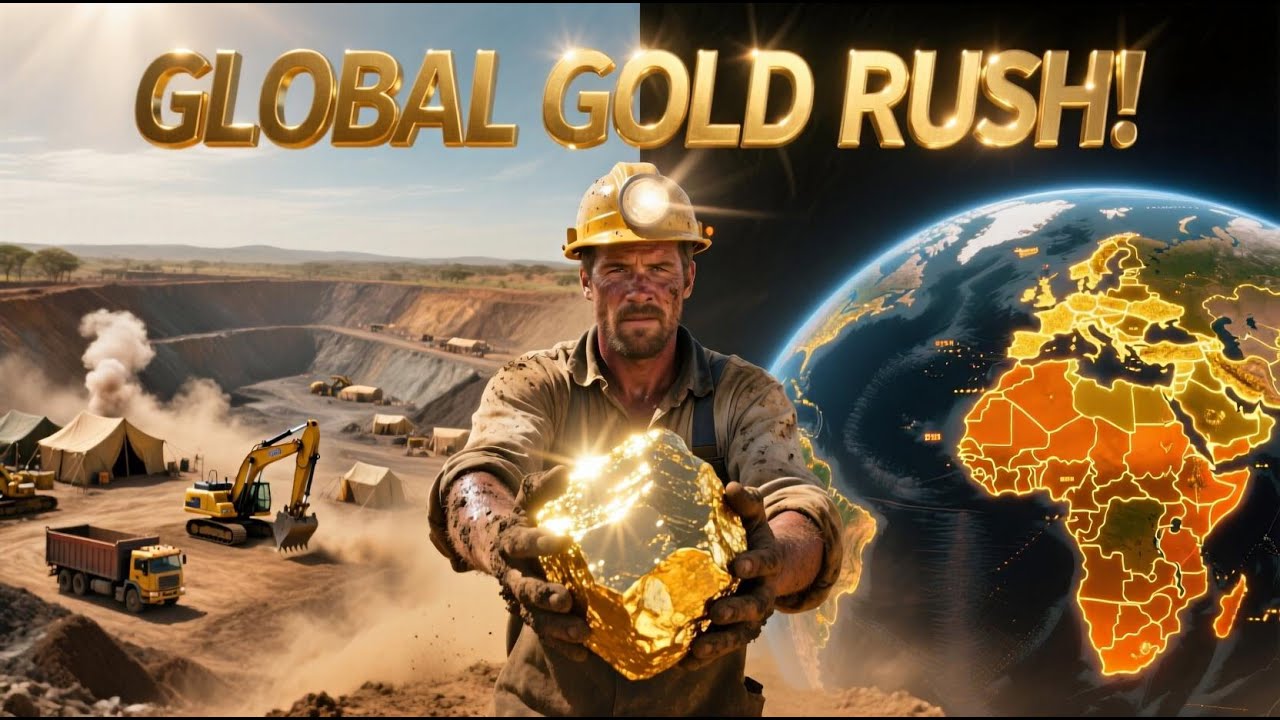
Key U.S. Gold Deposits and Mining Regions
- Nevada: The Carlin Trend is among the globe’s most productive gold belts—representing a model for modern heap leaching and low-grade ore processing.
- Alaska: Home to the Fort Knox and Pogo mines, Alaska contributes to both placer and hard rock gold mining.
- California: The state’s extensive old mine sites continue to yield new discoveries with the help of advanced satellite-guided exploration.
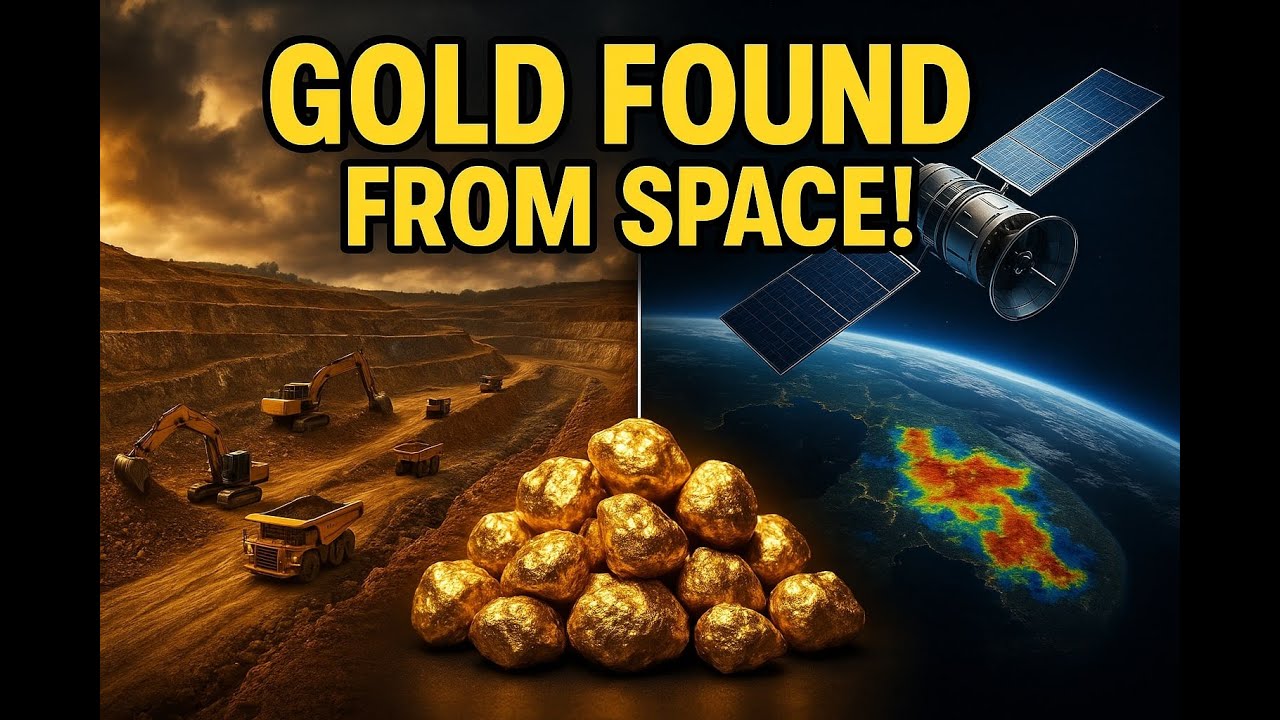
Sustainable Practices & Technological Advances in Gold Mining
The gold mining industry is rapidly evolving with an emphasis on sustainable practices and efficiency. In 2025, we see widespread adoption of:
- Water Usage Reduction: Closed-loop water systems and improved management are minimizing environmental impacts of extraction.
- Land Reclamation: Advanced restoration techniques are revitalizing former mine sites and supporting biodiversity.
- Ore Processing Innovations: Real-time satellite and AI-driven ore sorting technologies boost yield per ton, reduce waste, and lower energy intensity.
- For advanced traceability from prospecting to product, explore Farmonaut’s blockchain traceability solutions.
- Exploration Technology: Deploying multispectral satellite imaging and geochemical data integration to uncover hidden reserves and revitalize “spent” mines.

Modern technology—from drones and satellite mapping to integrated AI analysis—is transforming gold discovery, extraction, and supply chain management throughout the country, ensuring continued global leadership in gold production.

Our advanced satellite, AI, and blockchain technologies help stakeholders track gold site activity, environmental impacts, and operational logistics remotely—see Fleet Management for Mining.
You can also trace gold sources using Farmonaut’s blockchain technology for verifiable, transparent supply chains.
Lithium Deposits in the United States: Driving the Green Revolution
The Surging Significance of Lithium
The global demand for lithium is accelerating rapidly, fueled by explosive growth in electric vehicles (EVs) and scalable grid energy storage. As we transition to clean energy, lithium deposits in the United States are becoming increasingly pivotal. Domestic lithium supplies ensure the United States can reduce dependence on foreign chains and mitigate the impact of global geopolitical tensions on mineral markets.

Where are the Main U.S. Lithium Deposits?
- Nevada (Clayton Valley): Home to the largest and most established lithium brine operation, pivotal for the U.S. supply chain and battery manufacturing.
- North Carolina: Contains valuable hard rock lithium resources, revitalizing domestic mining activity.
- Arkansas: Emergent lithium brine projects are leveraging innovative direct extraction technologies.
Together, these regions form part of the new Lithium Triangle—a U.S. counterpart to South America’s famed brine-rich triangle.

Advanced Technologies in Lithium Extraction & Processing
Lithium mining is transforming with major advancements:
- Direct Lithium Extraction (DLE): New methods extract lithium from brine with far lower water usage and minimal environmental impact, making domestic brine resources much more viable.
- AI & Satellite Exploration: Data-driven approaches, including Farmonaut’s real-time monitoring tools, allow for rapid identification of promising lithium deposits and ongoing environmental compliance.
- For those looking to measure carbon footprinting in lithium mining and processing, Farmonaut offers tailored environmental impact solutions.
- Closed-Loop Brine Operations: Reduce resource depletion and ecological impacts by recycling water and by-products.
- Blockchain Traceability: Ensures ethical sourcing and transparent reporting for green tech supply chains.



Strategic Importance of Lithium: 2025 and Beyond
The U.S. is making significant investments in lithium extraction and processing infrastructure as part of a broader push for energy independence and resilience. Key drivers include:
- Electric Vehicle (EV) Surge: Lithium-ion batteries are integral to EVs, supporting governmental policies that target electrification of fleets and emissions reduction.
- Grid Storage: Large-scale battery installations support renewable energy integration and stabilize electric grids.
- Consumer Electronics & Defense: Lithium is a critical component in many defense technologies and a range of high-value electronics.
By developing a strong domestic supply chain and accelerating technological innovation, the U.S. lithium sector stands to play a critical role in shaping the global clean energy transition landscape into 2026 and beyond.
Uranium Deposits in the United States: Energy and National Defense
Understanding Uranium’s Strategic Role in the U.S. Energy Sector
Uranium remains central to the United States’ energy security and defense sectors. In the context of 2025, domestic uranium mining is gaining renewed relevance as the country pursues emissions reduction and stable energy supply chains.
The top uranium deposits in the United States are found in:
- Wyoming: The nation’s leading uranium-producing state, primarily utilizes advanced in-situ recovery (ISR) techniques, minimizing surface disruption.
- New Mexico: A historically significant region, contributing vast conventional uranium reserves.
- Colorado: Includes legacy mines and new prospects leveraging satellite-based radiation and land safety monitoring.

Nuclear Power & Defense: Strategic Applications for Uranium
Uranium’s importance to the U.S. nuclear energy sector is twofold:
- Electric Power Generation: Nuclear power provides over 16% of the U.S. grid’s electricity, serving as a foundation for low-carbon, reliable energy alongside expanding renewables.
- National Defense: Enriched uranium is needed for naval propulsion, nuclear deterrence, and other security applications—demanding unmatched reliability and rigorous supply chain security.
Domestic uranium production reduces vulnerabilities to foreign market volatility and reaffirms energy and strategic independence amid shifting international relations.
Modern Uranium Extraction: Innovations for Safety & Sustainability
- In-Situ Recovery (ISR): Uses targeted fluid injection to dissolve uranium underground, then pumps it to the surface—minimizing land disruption.
- Satellite & AI Monitoring: Real-time oversight of environmental parameters, radiation safety, and land disturbance is possible, optimizing compliance efforts.
- Advanced Mine Site Reclamation: Technologies restore mined lands more efficiently, supporting natural habitat recovery.
Farmonaut’s carbon footprint analysis features support mining companies and regulators as they work toward more sustainable, lower-impact uranium extraction methods.
For seamless, auditable compliance and site safety, Farmonaut’s resource management platform leverages satellite-driven data for real-time reporting in the uranium sector—supporting infrastructure, defense, and clean energy development.
Innovation and Sustainable Mining Practices for Strategic U.S. Minerals
The Imperative for Sustainable Mining in 2026 and Beyond
With a growing global focus on environmental stewardship, the U.S. mining industry is at the forefront of adopting sustainable extraction and processing techniques for all major mineral sectors. Gold, lithium, and uranium producers are investing in environmentally friendly approaches, aligning with governmental incentives and consumer expectations for responsible resource development.
- Water and Land Use: Reduced water footprint, closed-loop systems, and advanced site reclamation.
- Regulatory Compliance: New monitoring platforms integrate real-time satellite analytics with automated reporting, ensuring regulatory adherence.
- Sustainable Supply Chains: Direct traceability and blockchain integration combat illegal or unethical sourcing, providing transparency for consumers and governments.
- Workforce Advancement: Greater automation, remote site management, and predictive maintenance systems heighten worker safety and operational efficiency.
Farmonaut’s fleet management technology allows mining operations to optimize vehicle usage, reduce emissions, and improve site logistics through satellite and AI-powered oversight.
For those seeking to integrate advanced monitoring functions into proprietary platforms, Farmonaut’s powerful API and developer documentation bring gold/lithium/uranium site monitoring, weather alerts, and resource tracking directly to your software stack.
How Farmonaut Empowers Mineral Resource Management
As a satellite technology innovator, we at Farmonaut deliver affordable, data-driven insights for the modern mining sector, supporting:
- Real-Time Monitoring: From gold and lithium mine monitoring to uranium site oversight, our platform aggregates multispectral satellite imagery and AI analysis for actionable intelligence.
- Environmental Impact Analysis: Businesses, government, and regulatory bodies can leverage our services for carbon footprinting and environmental compliance, balancing resource development with sustainability.
- Traceability & Security: Our blockchain features ensure transparency, authenticity, and trust across the critical minerals supply chain.
- Resource & Fleet Management: Optimize extraction, transportation, and on-site logistics using satellite-driven fleet management tools tailored for mining and infrastructure.
Our suite of solutions is cloud-based and accessible via Android, iOS, web/app, and API, empowering a wide range of stakeholders—from miners and energy providers to government and financial institutions—to make strategic, informed decisions in a rapidly changing mineral economy.
For large-scale farm, plantation, or forest management that interacts with mining zones, explore our Large Scale Farm Management App for comprehensive landscape insights.
Frequently Asked Questions (FAQ)
1. Why are gold, lithium, and uranium deposits so important to the U.S. in 2025 and beyond?
Gold, lithium, and uranium deposits in the United States are crucial for economic growth, technological innovation, and national security. Gold underpins financial stability and advanced electronics; lithium drives the EV revolution and grid storage; uranium ensures energy independence via nuclear power and enables critical defense capabilities.
2. What regions of the U.S. are most significant for these minerals?
- Gold: Nevada (Carlin Trend), Alaska, California
- Lithium: Nevada (Clayton Valley), North Carolina, Arkansas
- Uranium: Wyoming, New Mexico, Colorado
3. How does technology improve the sustainability of mining?
Advances like AI-driven exploration, satellite monitoring, direct lithium extraction, and blockchain traceability significantly reduce environmental impacts, optimize resource use, and boost transparency throughout supply chains.
4. What role does uranium play in U.S. energy and defense?
Uranium fuels nuclear power—providing clean, stable electricity—and is essential for national defense, powering naval vessels and supporting strategic security systems.
5. How does Farmonaut support the gold, lithium, and uranium sectors?
Our satellite, AI, and blockchain solutions enable real-time operational oversight, environmental monitoring, carbon footprinting, resource and fleet management, and end-to-end supply chain traceability—empowering smarter, sustainable, and secure mineral development.
Conclusion: The Way Forward for U.S. Strategic Minerals
Looking to 2026 and beyond, gold, lithium, and uranium deposits in the United States will remain foundational to the country’s energy, technological, and defense sectors. The ability to leverage domestic mineral resources—using innovative, sustainable, and secure approaches—will drive resilience and ensure U.S. leadership in an ever-evolving global landscape.
- Gold sustains economic and technological frameworks from financial systems to aerospace innovation.
- Lithium is at the heart of the clean energy transition, supporting rapid electrification in vehicles and large-scale storage.
- Uranium is the linchpin for low-carbon nuclear power and national defense readiness.
By adopting advanced satellite and AI-based monitoring, real-time data solutions, and blockchain for traceability, the industry can achieve growth, sustainability, and security hand in hand—strengthening critical infrastructure and the broader economy.
For stakeholders in mining, energy, infrastructure, or government, adopting these new technologies isn’t just a strategic imperative—it’s a competitive advantage.
Get Started: Farmonaut Subscription
Unlock the power of satellite, AI, and blockchain-driven insights for mining, energy, and critical mineral management.
Integrate satellite-driven mineral & resource analytics with our API | Explore developer documentation at Farmonaut Satellite Weather API Developer Docs.
Stay ahead in the evolving world of gold, lithium, and uranium mining—harness technology, ensure compliance, optimize logistics, and achieve the sustainability edge with Farmonaut.

 Berks Gold Limited
 Mwerezi Minerals Company Limited
 Congo Mining Solutions
 Mining SARL
 SenGold Invest SAS
 Sania Corporation
 Sean Mining Limited
 NTS Group (Pty) Ltd
 Mine4Africa
 Lithspo Minerals Limited
 Tintina Mining Group
 Dalgety Minerals Pty Ltd
 Vortex Minerals Pty Ltd
 Faith At Work (Pty) Ltd
 Geotech Mining Solutions plc
 Vulcan International Limited
 Kidepo Associates
 GKY Mining
 Alkimy SARL
 Double A Trading
 GemSprout Metals Limited
 Qader Group
 Ileys General Trading
 SG Gold Mining LLC
 VRV Global Pte Ltd
 Omsri International FZE
 G.I.T.T.
 Jaunita Erss Ltd
