

Gold wash plants · Buyer guide
Gold Wash Plant for Sale: Buyer Guide With Prices
Small wash plants have published prices, from US$974.95 for a mini drywasher to US$3,150 for a power sluice (Keene, May 2025). Plants that wash 30 yards an hour are sold by quote. This guide compares types, capacity, water use and permits, with a payback calculator.
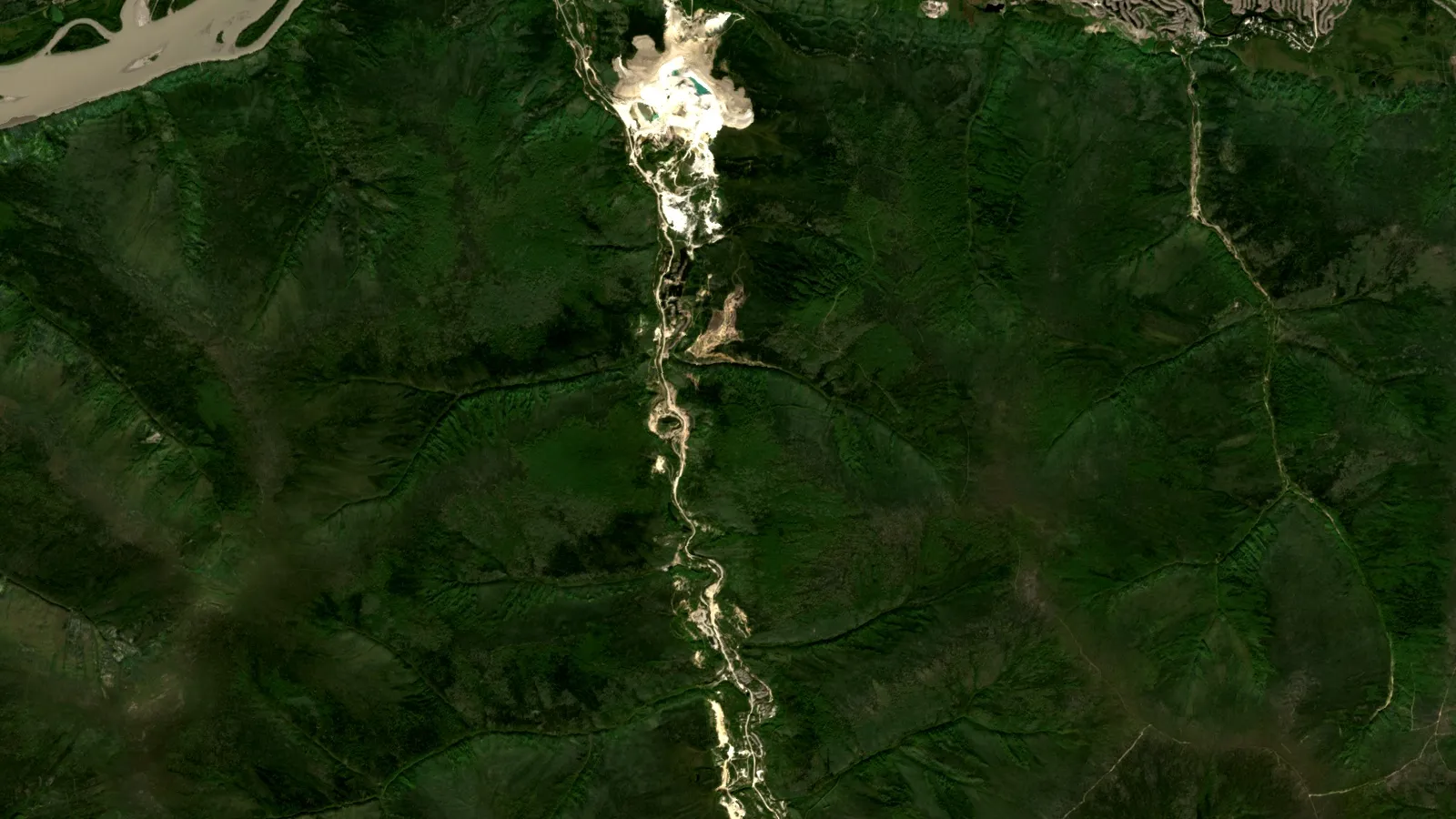
Key takeaways
- Keene Engineering’s price list of 2 May 2025 shows a mini drywasher at US$974.95, a KT10DC trommel at US$2,395, a complete A52S highbanker at US$2,499 and a shaker table at US$5,995.
- A Savona ST30 scrubber-trommel is listed at 30 yards an hour and 200 gallons of water a minute, with price on request (Surplus Record listing).
- The real capacity is the smallest stage: the 911Metallurgist IGR 3000 is rated at 30 tons per hour but limited to 20 tons per hour of sand by its concentrators.
- On US public land, BLM casual use excludes mechanized earth-moving equipment, and Washington’s May 2021 pamphlet does not cover motorized highbankers or power sluices.
- Gold was at a Kitco spot bid of US$4,157.70 per ounce on 15 October 2026; grade and recovery, not price, decide whether a plant pays.
In this article
- Gold wash plant types and what each one is for
- What a wash plant costs: published prices
- How much material each machine can wash
- Water, power and the settling pond
- Sluice, table or centrifuge: choosing the gold trap
- Common buying mistakes
- How to buy a wash plant in 7 steps
- What to ask the seller before you pay
- New or used wash plant
- Will the ground pay? Grade, recovery and payback
- Permits and rules before you start washing gravel
- Recovering gold without mercury
- Check the ground before you buy the plant
- Frequently asked questions
A small wash plant costs from about US$1,000 for a mini drywasher to a few thousand dollars for a highbanker or power sluice, based on Keene Engineering’s published price list of 2 May 2025. A plant that washes 30 cubic yards an hour is sold by quote, because the price depends on drum size, screens, pumps and freight. The right size depends on three things: how many yards of gravel you will feed per hour, how much clay is in it, and how much water you can pump and settle.
This guide is for buyers who want to match a machine to a claim. It compares the main plant types, shows the prices that are published, charts how much material each machine can handle, lists the questions to ask a seller, and ends with a payback calculator, the permit rules and the no-mercury safety line. For trommel-only machines, see our separate guide to gold trommels for sale.
Gold wash plant types and what each one is for
A wash plant breaks up gravel and clay with water, screens out the oversize rock, and sends the fine part over a gold trap. The trap is usually a sluice box (a sloped channel with riffles and matting that hold heavy gold) and sometimes a centrifugal concentrator (a spinning bowl that holds heavy particles). The table sorts the machines by size, with figures taken from maker pages and price lists.
| Machine | Published rating or example | Published price | Best for |
|---|---|---|---|
| Mini drywasher (Keene 140S) | Vibrating dry-washing unit for dry ground | US$974.95 (Keene, May 2025) | Arid claims with no water |
| Highbanker or power sluice (Keene A52S, Keene 175) | Pumped water over a sluice; hopper and classifier screen on top | US$2,499 complete highbanker; US$3,150 3-inch power sluice only (Keene, May 2025) | One or two people working stream gravel |
| Small trommel set (Keene KT10DC) | Up to about 1 yard per hour (Keene) | US$2,395 (Keene, May 2025) | Clay-rich or rooted ground on a small scale |
| Scrubber-trommel plant (Savona ST30) | 30 yards per hour, about 45 tons per hour at most; 200 gallons per minute (listing) | Price on request | Small commercial placer work with a loader |
| Plant with two centrifugal concentrators (911Metallurgist IGR 3000) | 30 tons per hour of solids, 20 tons per hour of sand under 2 mm | Quote only | Alluvial gravel with moderate clay |
The Keene entries come from the maker’s master price list dated 2 May 2025, which says prices can change without notice. Keene describes its KT10 as ideal for harsh conditions such as high clay content, heavily rooted material and compacted gravels, moving up to about one yard per hour. The ST30 figures come from a Savona Equipment listing on Surplus Record, which gives a 7.5 hp electric drive, a footprint of 20 by 5 by 7 feet and a weight of about 6,000 pounds, and asks buyers to request a quote.
Two design points matter when you compare quotes. First, a mini wash plant and an alluvial wash plant differ mainly in feed rate and in how much gravel the screen must scrub, not in the principle. Second, a scrubber and a trommel are not the same drum. 911Metallurgist, which sells a scrubber-based plant, argues that a scrubber turns faster than a trommel and needs more power for the same size, because it uses the large rocks to break up clay. Ask any seller which one the machine really has. Our guides to small wash plants and gravity separation explain the trap options in more detail.
▶ Follows a small clay nugget from rock to ring: finding, drilling, crushing, recovering and refining gold. · 5:27
What a wash plant costs: published prices
Only small machines have list prices. For the bigger plants, makers sell by quote because the price depends on drum size, screens, pumps, concentrators and freight. The chart below plots the Keene list prices for the machines that have one, from the mini drywasher to the shaker table used to clean up concentrate. These are US retail prices for the machine only. They leave out an engine, pump, hoses and a loader or excavator where those are not in the part description.
Chart
Published Keene list prices, small gold-recovery machines
US$, machine as described in the list, May 2025
Keene lists the A52S highbanker as a complete assembly at US$2,499 and its ST1 shaker table, a tilted vibrating deck that cleans a concentrate, at US$5,995. A table is a later purchase for most buyers.
How much material each machine can wash
Capacity is the number that separates a hobby unit from a business. Plant makers quote it in tons per hour (tph) or loose cubic yards per hour. A yard is a volume and a ton is a weight, so the two units are not interchangeable. Always ask whether a rating is for wet gravel or for dry sand, and what the maximum rock size is. The chart compares four ratings given in cubic yards per hour. The two dredge figures are from a 1979 Washington State report, so they show scale and are not current product specifications.
Chart
Selected rated feed rates, cubic yards per hour
Mixed machine types: a small trommel, two suction dredges (1979 report) and a scrubber plant
The older Washington geology report says a small suction dredge with a 2-inch hose can handle up to 3 cubic yards of loose-pack sand and gravel an hour, and a 5-inch machine up to 18. A scrubber plant rated at 30 yards an hour does the work of a lot of small machines, but it needs far more water, a feed loader and a place to put the tailings.
Check each stage of a plant against the one before it. In the IGR 3000, material passes a grizzly (a bar screen) with 75 mm spacing, a double-deck screen sends the +10 mm rock to a chute, the 2 to 10 mm part goes to a sluice, and the minus 2 mm slurry is pumped to two concentrators. The maker says the true limit is 20 tph of minus 2 mm sand, set by the concentrators, even though the plant is rated at 30 tph in total. The smallest stage sets the plant’s real capacity.
Water, power and the settling pond
Water is the cost people forget. The Savona listing gives 200 gallons per minute for a plant that washes 30 yards an hour, which is 12,000 gallons an hour. A hobby highbanker uses far less, but any plant that pumps water needs a source and a place for the muddy discharge to settle. Plan the settling ponds before you buy the plant, and size them for the clay in your gravel.
Concentrators are fussy about feed. The IGR 3000 page says its centrifugal concentrator takes 10 tph of solids at a gravity feed and 15 tph if pumped, and that a clean water supply or an external filter is needed so that sand does not wear the bowl. Power runs from a small electric drive on the ST30 (7.5 hp) to engines on highbankers. Keene prices a 4 hp Honda-powered 2.5-inch power sluice at US$3,395.
Wash plants change the ground. For an overview of the seven main impacts of mining, including water and land, see the video below, and read how alluvial gold mining methods are changing.
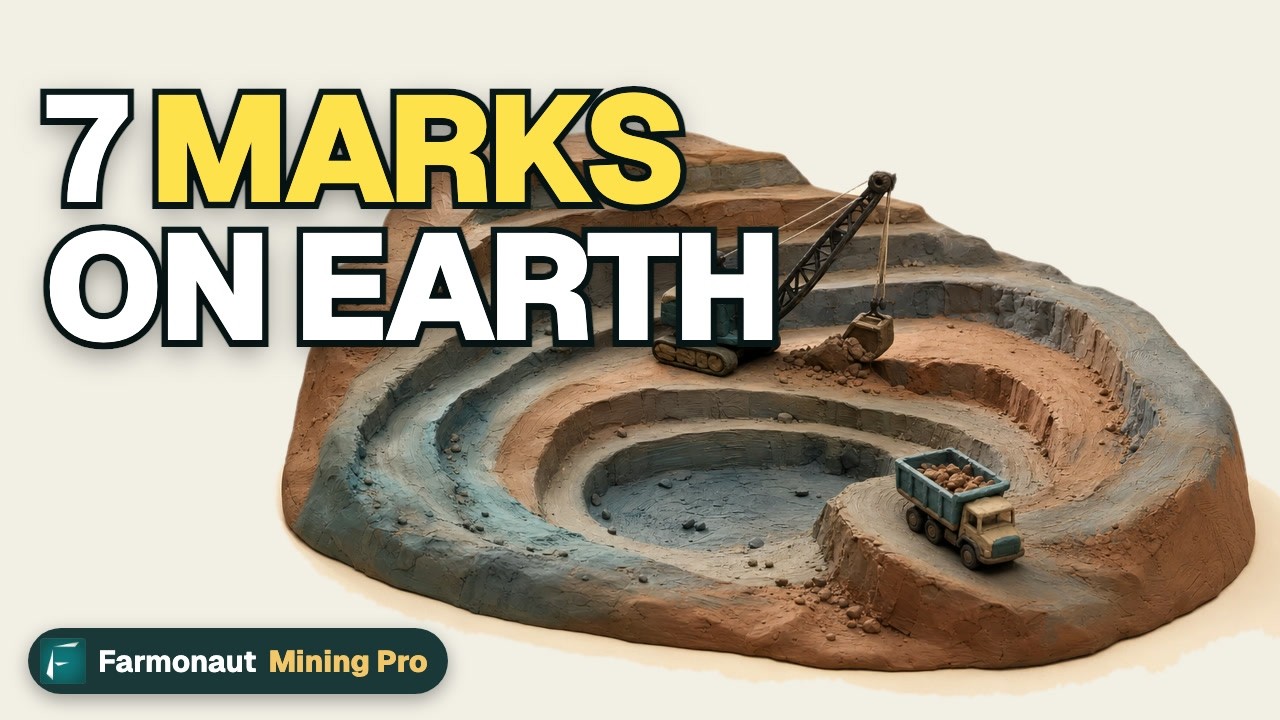
▶ Explains the seven environmental impacts of mining in plain words, as a claymation. · 2:31
Sluice, table or centrifuge: choosing the gold trap
The trap decides how much of the gold the plant keeps. The US EPA explains that sluices are usually inclined at 5 to 15 degrees, that most gold is caught near the start of the box, and that slowing the water with riffles or a stepped design improves recovery. Sluices handle large volumes quickly but often give a concentrate with little gold in it, which then needs panning or a table.
The same EPA page says shaking tables give high-grade concentrate but are relatively expensive and need some experience, and that centrifuges can concentrate gold better than other gravity methods but cost more and must be tuned for feed size, feed rate and cycle time. This matches the price list: Keene sells a shaker table for US$5,995, more than twice the price of its KT10DC trommel. A sensible first plant is a sluice that suits your gold size, with a table or concentrator added once you know what the sluice loses.
Gold size is the question to settle early. Coarse gold drops in the first riffles. Fine gold floats and needs slower water, matting or a centrifugal bowl. Ask the seller what gold size the trap was tested on, and test with your own sample.
Common buying mistakes
- Buying on the headline rating. A plant rated at 30 tons an hour may have a trap that limits it to 20 tons of sand an hour, as the IGR 3000 page shows.
- Ignoring the supply of gravel. A plant is only busy if a loader or excavator keeps the hopper full.
- Forgetting the water. A 200 gallons-per-minute demand needs a source, a pump and a pond.
- Assuming a high gold price makes any gravel pay. The price sets the value of each gram. Grade and recovery set how many grams you get.
- Skipping the permit check. A motorized highbanker is not allowed under the Washington pamphlet without a separate approval.
How to buy a wash plant in 7 steps
- Test the ground first. Pan or sample at several spots and measure grade in grams per cubic yard or per cubic meter. A plant cannot create gold that is not in the gravel.
- Set your feed rate. Decide how many yards an hour you can dig and haul. A plant sized above your loader’s output sits idle.
- Check clay and rock size. Sticky clay needs a scrubber or a trommel with spray bars. Boulders need a grizzly.
- Count water and power. Write down gallons per minute, horsepower and fuel per hour for each quote, and compare them.
- Get three quotes in writing. Ask for tons or yards per hour at your gravel type, screen sizes, what is included (pumps, sluice, concentrators, engine, freight) and delivery time.
- Confirm the permits. Land access, water discharge and any claim paperwork come before delivery. See the permits section below.
- Run a test batch. Wash a known weight of gravel, clean up the concentrate and weigh the gold. Compare it with your sample grade to see what the plant recovers.
What to ask the seller before you pay
- What feed rate is the rating based on, in tons or yards, wet or dry, and with what clay content?
- What is the largest rock the plant accepts, and what is the screen opening at each deck?
- How many gallons per minute does it use, and can the water be recycled?
- Which parts wear first (liners, screens, bearings, pump impellers), and what do they cost?
- Is the sluice, concentrator or table included, or priced as an extra?
- What is the weight and size for shipping? The ST30 listing says the unit fits in a 20-foot shipping container.
- Can the seller show a test result on gravel like yours, and who will help on site?
New or used wash plant
Surplus and dealer listings show many trommel and scrubber units, and most do not print a price. When the price is not shown, treat the listing as a lead, not a quote. Inspect the drum for thin steel, cracked welds and worn liners, turn the drive by hand, check the screen condition, and ask for the original maker’s name and year. Request the serial number so that you can ask the maker about parts. A used plant with no parts support can sit idle for weeks.
New plants from small makers come with parts lists, like the Keene list above, where a replacement hopper or classifier is priced separately. That matters, because screens and impellers wear out first. Ask what spares ship with the unit.
Will the ground pay? Grade, recovery and payback
Gold is priced in US dollars per troy ounce (31.1035 grams). Kitco showed a spot bid of US$4,157.70 per ounce (about US$133.67 per gram) on 15 October 2026 at 2:50 p.m. EDT. The USGS gives a yearly price that rose from US$1,801 in 2021 to an estimated US$3,300 in 2025, according to its Mineral Commodity Summaries 2026. A higher price lifts what each yard is worth, but it does not change how much gold the gravel holds or how much your plant catches.
Chart
Gold price per troy ounce
US$; USGS yearly price, 2025 an estimate
The USGS also notes that US gold comes from lode mines, several large placer mines in Alaska and numerous smaller placer mines, mostly in Alaska and the Western States. Those smaller placers are the market for the plants in this guide.
Use the calculator below with your own numbers. It multiplies yards washed per day by grade and by the share of gold your plant catches, values it at the price you type, subtracts your daily cost, and shows how many days it takes to repay the plant. It leaves out royalties, taxes, claim fees and reclamation.
Calculator
How many days to repay a wash plant?
Enter your own grade, feed rate and costs. Results update as you type.
- Gold recovered per day (grams): 25.2
- Gold recovered per day (troy ounces): 0.81
- Gold value per day: $3,241
- Days to repay the plant: 81
Example values only, not benchmarks. The gold price is an input: use today’s price. Grade is grams of gold per loose cubic yard of feed, and recovery is the share your plant catches. Costs are your own daily running cost. Royalties, taxes, claim fees and reclamation are not included. If the daily margin is zero or below, the payback figure is not meaningful. One troy ounce is 31.1035 grams.
Permits and rules before you start washing gravel
Permission comes first. Panning and hand tools are one thing, and a motorized plant with a loader is another. The Bureau of Land Management (BLM) defines casual use as activity that causes little or no disturbance, such as hand panning, non-motorized sluicing and hand and battery-operated drywashers. It states that casual use does not include mechanized earth-moving equipment. Exploration that disturbs 5 acres or less of public land needs a notice filed 15 calendar days before you start. BLM’s definition of exploration excludes work that extracts material for commercial use or sale, so ask the BLM field office which filing applies to a plant that sells what it washes.
States add water rules. Washington’s Gold and Fish pamphlet (May 2021) does not authorize motorized highbankers, power sluices or suction dredges. They need a separate written hydraulic project approval, and landowner permission is still required. Oregon’s 700-PM general permit covers in-water placer mining and suction dredges, and other mining discharges to surface water are not covered by it, though some can be authorized by an individual permit. Hand panning is exempt. Rules differ by state and country, and they change, so confirm with the regulator before you buy.
A claim also does not give you the land. For the background, see the video below and our guide to gold recovery methods.
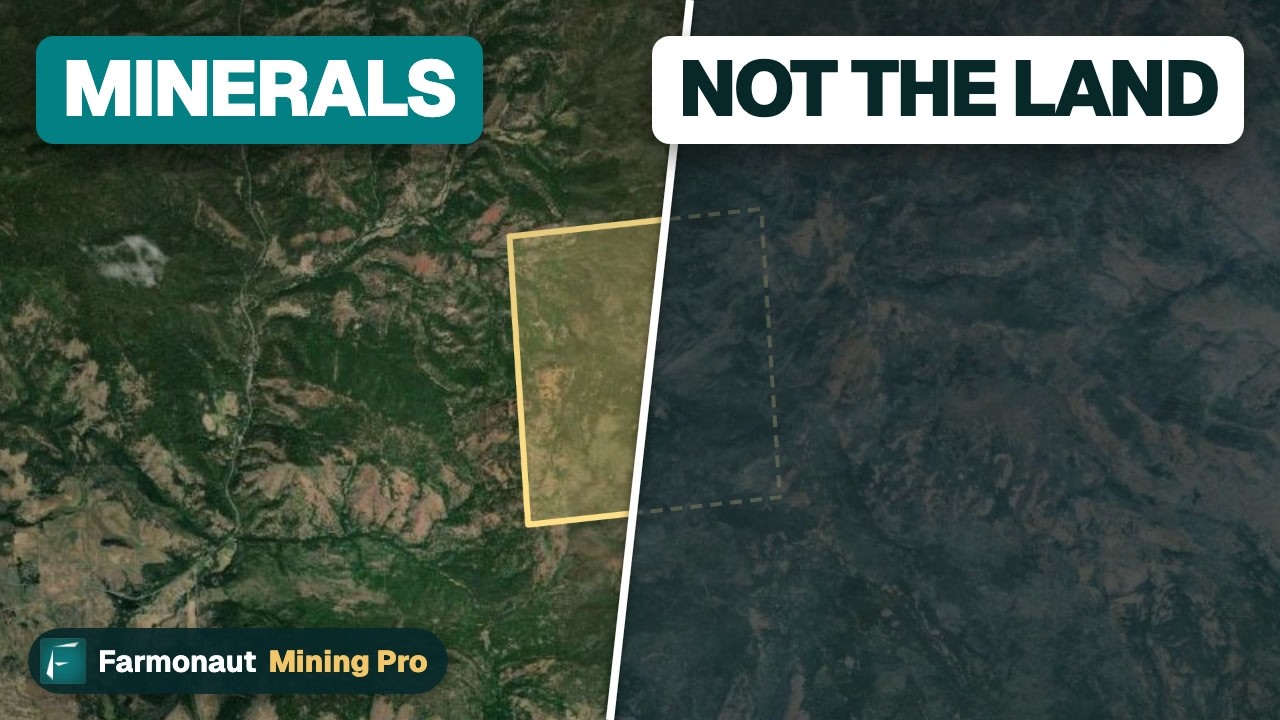
▶ Explains why owning a gold claim is not the same as owning the land. · 3:19
Recovering gold without mercury
Do not use mercury to catch gold from a wash plant concentrate. The US EPA says that gold can be recovered safely and economically without mercury, using panning, sluices and other concentration methods, followed by direct smelting. The World Health Organization calls mercury use in artisanal and small-scale gold mining particularly hazardous.
Prospecting safety also means getting permission from the landowner, holding the license or claim the law requires, wearing hearing and eye protection around screens and drives, keeping people clear of drums and belts, and never working under an undercut bank.
Check the ground before you buy the plant
The costliest mistake is buying a plant for ground that holds little gold. Send Farmonaut a KML, KMZ or polygon and it screens the area from satellite images in 5 to 20 business days, so you know which parts to sample first. It does not measure grade, and only samples do. For more on placer areas, see the guide to Yukon placer claims and records.
Frequently asked questions
How much does a gold wash plant cost?
Small units have list prices: Keene’s May 2025 list shows US$974.95 for a mini drywasher, US$2,395 for the KT10DC trommel and US$2,499 for a complete highbanker. Plants rated at 30 yards or tons an hour are sold by quote. Add freight, an engine or motor, pumps and a loader.
What is the difference between a wash plant and a trommel?
A wash plant is the whole line: feed, wash, screen and gold trap. A trommel is a rotating screen drum that can be one part of it. See our guide to trommels for sale.
How many tons per hour does a small wash plant handle?
It varies by maker and gravel. Keene rates its KT10 trommel at up to about one yard an hour, while a listed Savona ST30 is rated at 30 yards an hour. Always ask how a figure was measured.
How much water does a wash plant need?
The ST30 listing gives 200 gallons per minute for 30 yards an hour. Smaller units need less. Plan a settling pond and a supply before you buy.
Is a mini wash plant enough for a small claim?
It can be for sampling and for one or two workers, if the ground carries enough gold. Test the grade first, then work out payback with the calculator above.
Can I buy a used wash plant?
Yes, but inspect the drum, liners, screens and drive, and ask who supplies parts. Many surplus listings do not show a price, so you must request one.
Do I need a permit to run a wash plant?
Usually yes. On US public land, casual use excludes mechanized earth-moving equipment, and exploration over casual use needs a notice or plan. States add water-quality and fish-habitat rules. Check with the BLM office and the state agency before you start.
Can I use mercury to recover fine gold?
No. The EPA describes ways to recover gold without mercury, and the WHO calls mercury use in small-scale gold mining particularly hazardous.
What recovery rate can I expect?
It depends on the gold size, the clay and the gold trap. Recovery is not a fixed figure for a plant. Weigh the gold from a test batch of known weight and compare it with your sample grade.
How do I find gold-bearing gravel to feed a plant?
Look at old stream channels, bars and benches, sample them in several places and pan the heavy fraction. Satellite screening can narrow where to look, but samples decide.
Where can I read the rules for placer mining in my state?
Start with the state mining or geology office and the water-quality agency. Washington’s Gold and Fish pamphlet and Oregon’s 700-PM permit are two examples of state rules.
This page is for information only. It is not investment advice or legal advice. Prices and rules change, so confirm them with the seller and the regulator. Get permission from the landowner and any license or permit the law requires before you prospect, and do not use mercury.
Farmonaut mining
Map your site before you buy a plant
Send a KML, KMZ or polygon and Farmonaut screens the area from satellite images before you spend on equipment.
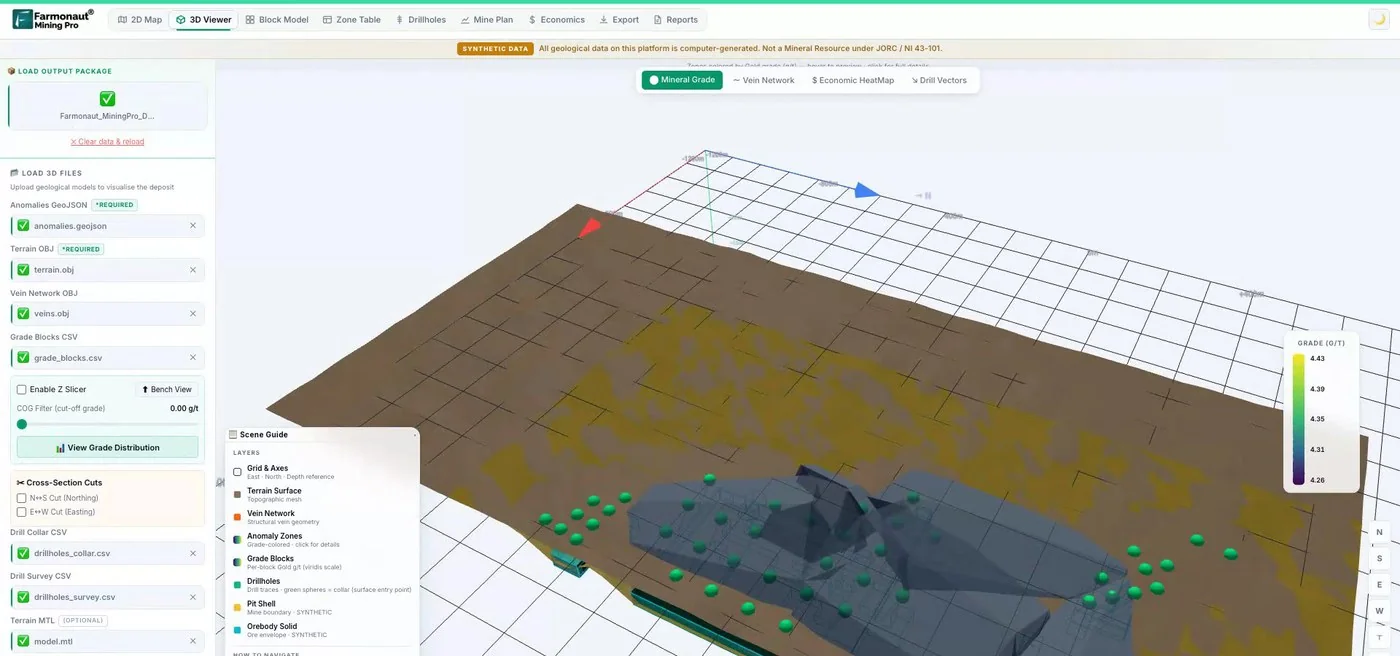
Mining Pro sample view, synthetic data
Keep reading
Sources
- Keene Engineering, Master Price List (2 May 2025): keeneeng.com
- Keene Engineering, KT10 Trommel: keeneeng.com
- 911Metallurgist, 30 TPH Gold Wash Plant (IGR 3000): 911metallurgist.com
- Surplus Record, Savona Equipment ST30 scrubber trommel wash plant listing: surplusrecord.com
- Moen, W. S., Placer Gold Mining in Washington, Washington DNR Division of Geology and Earth Resources (August 1979): dnr.wa.gov
- Washington Dept of Fish and Wildlife, Gold and Fish (May 2021): wdfw.wa.gov
- eCFR via Cornell LII, 43 CFR 3809.21, When do I have to submit a notice?: law.cornell.edu
- eCFR via Cornell LII, 43 CFR 3809.5, Definitions (casual use, exploration): law.cornell.edu
- Oregon DEQ, 700-PM general permit fact sheet: oregon.gov
- Oregon DEQ, Metal mining activities, water quality permits: oregon.gov
- US EPA, Artisanal and small-scale gold mining without mercury: epa.gov
- World Health Organization, Mercury and health: who.int
- USGS, Mineral Commodity Summaries 2026: Gold: pubs.usgs.gov
- Kitco, Gold spot price (15 October 2026): kitco.com
Discussion
Questions, corrections or field experience? Share them below. First-time comments are reviewed before they appear, and your email is never published.
No comments yet. Be the first to add a question or your experience.

 Enterprise Takreem
 Sean Mining Limited
 NTS Group (Pty) Ltd
 Mine4Africa
 Lithspo Minerals Limited
 Tintina Mining Group
 Dalgety Minerals Pty Ltd
 Vortex Minerals Pty Ltd
 Faith At Work (Pty) Ltd
 Geotech Mining Solutions plc
 Vulcan International Limited
 Kidepo Associates
 GKY Mining
 Alkimy SARL
 Double A Trading
 GemSprout Metals Limited
 Qader Group
 Ileys General Trading
 SG Gold Mining LLC
 VRV Global Pte Ltd
 Omsri International FZE
 G.I.T.T.
 Jaunita Erss Ltd
 SRK Consulting
 Berks Gold Limited










