

How Did the Gold Rush Affect the Environment? Lessons from History for Sustainable Mining in 2025 & Beyond
“During the California Gold Rush, mining debris increased mercury levels in rivers by up to 10 times above normal.”
- Introduction: Understanding the Gold Rush & Environmental Impacts
- Landscape Alteration and Habitat Destruction
- Water Pollution, Mercury & Hydrological Disruption
- Soil Degradation and Agricultural Consequences
- Socio-Environmental Impact: Indigenous Displacement
- Comparative Impact Table: Gold Rush vs. Modern Mining
- Lessons for Sustainability in Mining (2025 and Beyond)
- Modern Environmental Practices & Farmonaut Technologies
- Frequently Asked Questions (FAQ)
- Conclusion: Lessons, Insights & Sustainable Pathways
Introduction: Understanding the Gold Rush & Environmental Impacts
How did the gold rush affect the environment? This question is as relevant today as it was during the feverish gold rushes of the 19th century. Particularly prominent were the California Gold Rush (1848-1855) and the Klondike Gold Rush (1896-1899). These vast, rapid influxes of miners and their techniques forever altered natural landscapes, water systems, and the very soil upon which communities depended.
Mining gold may seem appealing and economically rewarding, but without strong environmental practices, the consequences of such extraction ripple across landscapes, ecosystems, and human society. While more than a century has passed since those historic rushes, the legacy of landscape alteration, mercury contamination, and seminal biodiversity loss continues to influence mining approaches in 2025 and beyond.
This blog explores how gold rushes impacted the environment, highlighting both visible and invisible changes wrought by mining practices. We’ll connect these historical lessons to modern sustainable practices and innovative satellite technologies available through platforms like Farmonaut—helping ensure a more responsible relationship between mineral extraction and planet Earth.
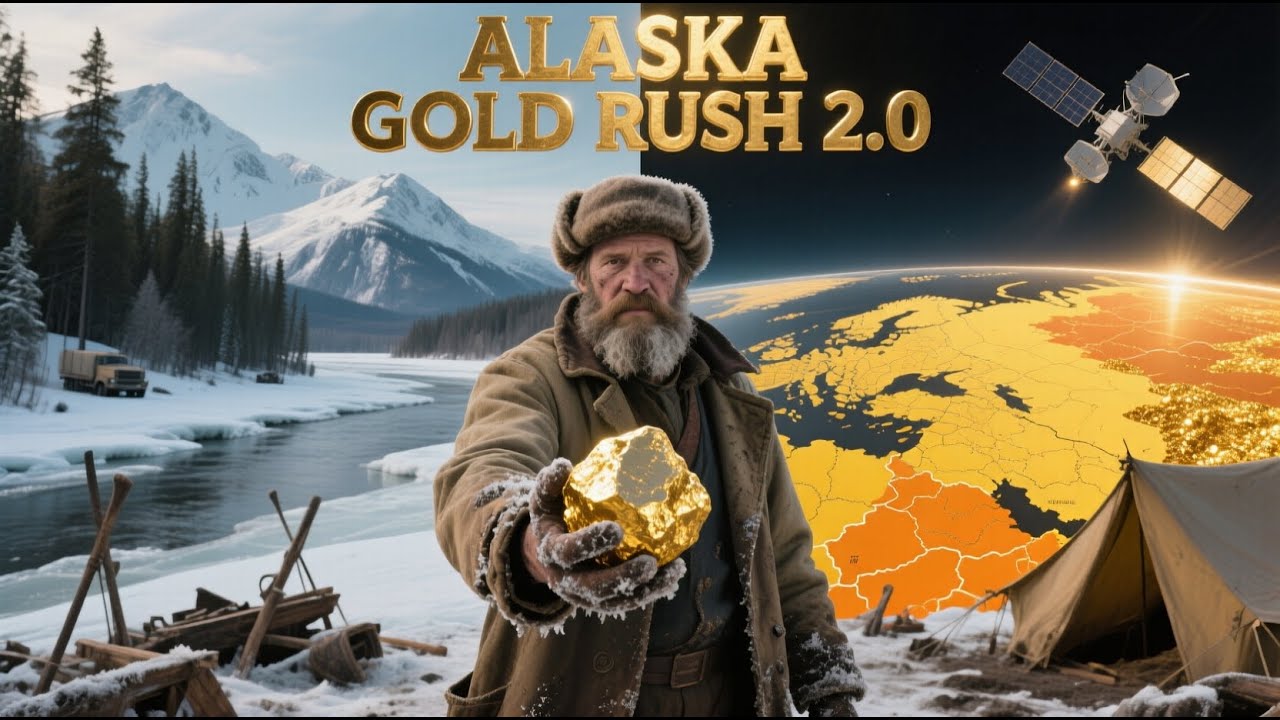
Landscape Alteration and Habitat Destruction: How Did the Gold Rush Affect the Environment?
The rush to claim gold across wild lands, especially in California and the Klondike, led to some of the most dramatic landscape alteration ever witnessed in North America.
Destructive Techniques and Immediate Impacts
- Placer Mining: Involved washing gravel and sediment with water to extract gold particles from riverbeds and floodplains.
- Hydraulic Mining: Used high-pressure water cannons (monitors) to dislodge entire hillsides, freeing gold but causing massive erosion and sedimentation downstream.
- Deforestation: Native plant species were cleared for building materials and fuel, destabilizing soil, and increasing landslide risk.
These techniques destroyed habitats, wiped away native vegetation, and, in many areas, displaced or killed wildlife. Entire hillsides were literally washed away and massive sedimentation choked rivers downstream.
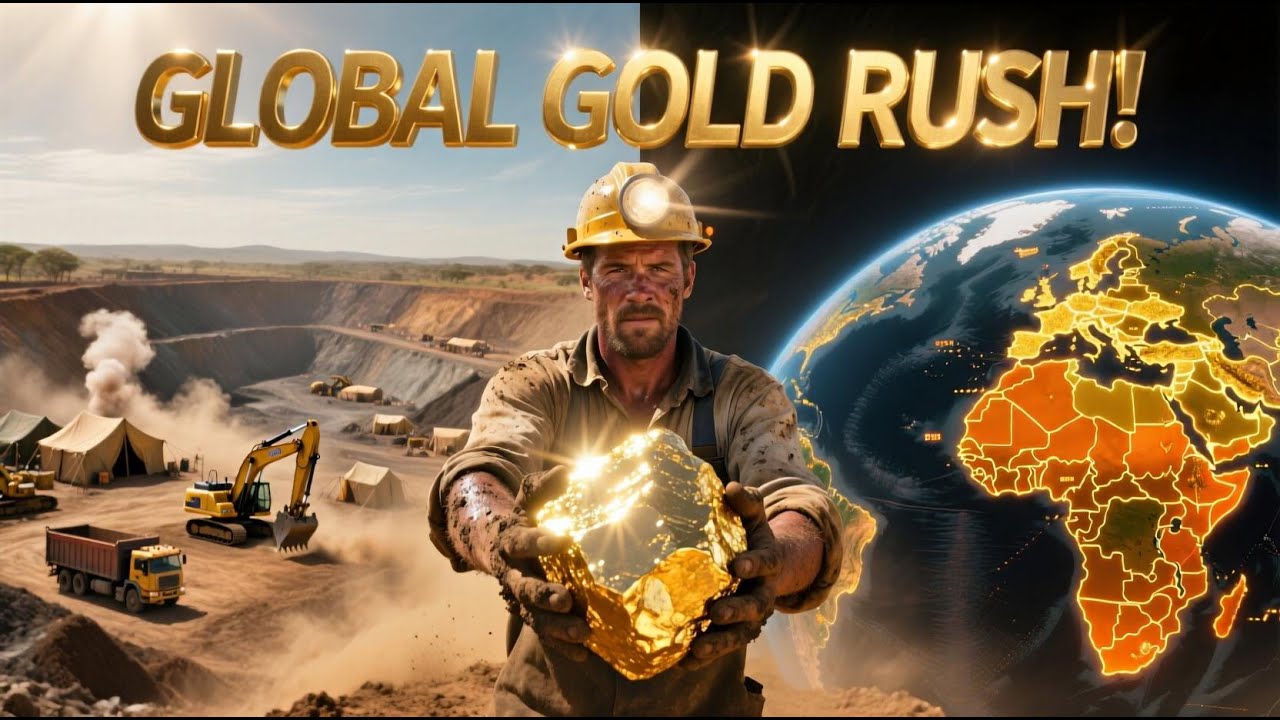
Immediate and Visible Environmental Consequences:
- Massive Erosion: Soil on hillsides was washed away, never to return, impacting fertility for decades or more.
- Sedimentation: Silt and debris altered river beds, reduced channel depth, and altered water flow significantly.
- Habitat Destruction: Native habitats were destroyed, leading to a reduction in biodiversity.
Ecological Domino Effect
In riparian zones (ecosystems along rivers), the brunt of sediment pollution was felt most keenly. These ecosystems—crucial to fish spawning grounds and the prosperity of multiple species—were severely disrupted. Once-plentiful salmon runs in California’s rivers suffered dramatic declines.
Modern Relevance (2025 & Beyond)
- Historical Landscape Degradation Remains: Satellite studies today reveal patterns of erosion, sedimentation, and land instability that persist from gold rush days.
- Modern Mining Must Account For: Restoration and rehabilitation of historical mining areas—an ongoing challenge for sustainable communities.




Water Pollution, Mercury & Hydrological Disruption
The gold rush era introduced some of the most severe water pollution in recorded North American history.
Mercury Contamination: A Toxic Legacy
- Mercury was widely used in amalgamation to bind fine gold particles and separate them from sediments.
- Poor handling and widespread spillage led to significant contamination of rivers, wetlands, and downstream ecosystems.
- Mercury is a bioaccumulative toxin—over decades and centuries, it poisoned fish, birds, mammals, and even human communities who depended on rivers for water and food resources.
How did the gold rush affect the environment in this way? Even today, scientists measure elevated mercury levels in California‘s river sediments, a direct legacy of 19th-century mining.
Hydrological Disruption: Water Flow and Pollution
- Sediment Pollution: Hydraulic mining and placer techniques produced vast sediment plumes, clogging rivers, degrading water quality, and altering flood regimes.
- Altered Water Cycles: Irrigation for agriculture and community use was threatened as water regimes changed and flooding became more common.
- Long-term Ecological Consequences: Erosive runoff reduced water clarity and choked vital aquatic habitats. Fish such as salmon and trout, dependent on clean gravel beds for spawning, suffered reduced populations in affected rivers.

Examples and Data
- In some California goldfields, mercury contamination remains so severe that advisories on fishing and water use persist 150 years after peak activity.
- Hydraulic mining debris increased size and elevation of river beds, reducing carrying capacity and exacerbating flood risks to communities.
- Tailing piles (leftover sediments) are still major sites of ground and water pollution today, complicating rehabilitation efforts.
Modern Solutions & 2025 Recommendations
- Mercury and Cyanide Handling: Modern mining strictly regulates and tracks use of toxic substances to reduce contamination.
- Water Management Protocols: Technologies including sediment traps, water purification, and calculated site rehabilitation minimize pollution and disruption of water cycles.
- Environmental Monitoring: Satellite and AI-driven solutions (like those from Farmonaut) provide real-time tracking of water quality and support sustainability goals.
Soil Degradation and Agricultural Consequences
The gold rush significantly degraded the soil in mining regions, leaving a legacy of reduced fertility and long-term challenges for local agriculture.
Historical Soil Degradation: Main Drivers
- Topsoil Stripping: Mining exposed and removed rich topsoil layers, essential for healthy plant species and crops.
- Burial Under Tailings: Nutrient-rich soil was frequently buried beneath heaps of moved earth and toxic substances. This impacted natural revegetation and long-term productivity.
- Contamination with Heavy Metals: Mercury, lead, zinc, and other toxic substances contaminated soil and water tables, further harming agricultural productivity.
In many areas, the challenge of restoring land for agriculture remains significant today. Soil degradation isn’t just an environmental problem—it’s a social and economic crisis that threatens food security and community resilience.

The Challenge of Rehabilitation
- Deep Soil Contamination: Even after more than a century, concentrations of mercury and other heavy metals can inhibit healthy plant growth and limit suitability for farming.
- Need for Modern Tracking: Solutions like Farmonaut’s Carbon Footprint Monitoring help by providing environmental tracking, aiding in sustainable rehabilitation and agricultural planning.
- Sustainable Agricultural Revitalization: Modern techniques, such as soil remediation using plants (phytoremediation), and the adoption of satellite-based monitoring—like those available in the Farmonaut platform—are crucial. They support restoration and improved soil management in post-mining landscapes.
Soil health is central to sustainable land use, both for agriculture and for the resilience of ecosystems.
Socio-Environmental Impact: Indigenous Displacement and Community Consequences
The question how did the gold rush affect the environment is inseparable from its impacts on people, especially indigenous communities.
- Displacement: Mining led to forced removal of indigenous peoples from ancestral lands, breaking ties with natural resources and traditional stewardship.
- Reduced Ecosystem Services: Deforestation, water pollution, and soil degradation destroyed or contaminated hunting, fishing, and gathering grounds essential to indigenous life.
- Social Disruption: Loss of traditional livelihoods exacerbated social and economic marginalization, while mining camps and transient communities often brought further conflict and instability.
The environmental consequences of gold rush mining continue to shape land use, legal disputes, and indigenous rights in the 21st century.
Comparative Impact Table: Gold Rush-Era Mining vs. Modern Sustainable Mining Practices (2025)
| Environmental Factor | Gold Rush Era Mining (Estimated Impact) |
Modern Sustainable Mining (Estimated Impact) |
2025 Best Practice Recommendations |
|---|---|---|---|
| Landscape Alteration | Tens of thousands of acres impacted, hillsides washed away, massive sedimentation; minimal land restoration | ~60-90% reduction in disturbed land area; reclamation plans mandatory; disturbed sites gradually rehabilitated | Mandatory site rehabilitation, continuous monitoring, and use of satellite remote sensing tools for tracking landscape changes |
| Water Contamination (Mercury, Sediment) | Estimated >25% of regional water bodies polluted; mercury concentrations up to 10x background; severe aquatic ecosystem disruption | Managed, regulated discharge; <3% water bodies impacted; mercury/cyanide strictly regulated, <1% above limits | Eliminate mercury use; employ closed-loop water systems; utilize real-time water quality monitoring |
| Soil Degradation | Topsoil loss over 15,000+ acres in California alone; high contamination with heavy metals and tailings burial | Reduced soil impact (<20% of previous levels); use of remediation, soil conservation, & phased extraction | Support soil health through phytoremediation, satellite-enabled soil monitoring (NDVI, soil moisture) |
| Biodiversity Loss | Widespread extinction of native species from critical habitats; massive declines of fisheries | Biodiversity preserved via environmental impact assessments and mitigation; habitats restored post-mining | Conduct biodiversity mapping, protect critical habitats, implement offsets and rehabilitation actively |
| Carbon Footprint | High emissions from wood burning, lack of controls; estimation: 2–3 million tons CO₂/decade | ~70% less CO₂ emissions; regulated fuel, efficiency standards, use of renewables growing | Apply carbon footprint tracking (Farmonaut Carbon Footprinting), set emissions targets, prioritize low-carbon operations |

Key Lessons for Sustainable Mining in 2025 and Beyond
The historical gold rushes offer critical insights into the environmental impacts of rapid mineral extraction. Understanding how the gold rush affected the environment illuminates both mistakes to avoid and modern practices to adopt for sustainability.
What Are the Most Important Environmental Lessons?
- Regulate and Reduce Toxic Substance Use: Mercury was a key pollutant. Modern mining in 2025 must prohibit or tightly control use of mercury and cyanide, with strict handling and monitoring (Farmonaut API allows customized environmental monitoring tools).
- Prioritize Ecosystem Restoration: Rehabilitate landscapes after mining activity. This includes soil remediation, replanting native species, and careful land management—enabled by new technologies like satellite mapping, NDVI, and analytics.
See Farmonaut Large Scale Land Management for scanning and managing vast disturbed areas efficiently. - Monitor Water Quality & Use Closed Systems: Limit water discharge, recycle water on-site, and use remote sensing to detect contamination early. Farmonaut’s traceability solutions offer robust documentation for resource origin and environmental compliance.
- Support Agricultural & Community Recovery: Mine rehabilitation must include restoring soil for local agriculture and safe, sustainable land use for communities.
Farmonaut supports agricultural revitalization efforts through satellite-verified crop loan, insurance, and mapping services. - Respect Indigenous Lands and Rights: Environmental practices in mining must account for indigenous stewardship and minimize community displacement.
- Continuous Environmental Monitoring: Leverage real-time, AI-driven monitoring platforms (like those provided by Farmonaut) for transparency, compliance, and adaptive management.

Modern Environmental Practices & the Farmonaut Role in Mining’s Future
Today, platforms like Farmonaut are at the frontier of integrating technology, data, and sustainability into gold mining and beyond. Our solutions are designed to address the very challenges the gold rush created—supporting environmental stewardship, regulatory compliance, and community well-being.
- Satellite-Based Monitoring: We use multispectral imaging for real-time analysis of landscape alteration, soil quality, water health, and restoration progress.
- AI & Advisory Systems: Our Jeevn AI offers tailored insights and alerts for mining operators and land managers, supporting decision-making that aligns with modern sustainability standards.
- Blockchain Traceability: We facilitate secure, transparent documentation throughout the gold supply chain, from mining sites to finished products.
- Environmental Impact Tracking: Our carbon footprint module allows users to quantify and manage the emissions associated with gold extraction and land rehabilitation, ensuring accountability and transparency.
- Fleet Resource Management: We help optimize vehicle and machinery usage, reducing fuel consumption, and minimizing environmental disruption during mining and reclamation through Farmonaut Fleet Management Tools.
Our subscription approach is flexible, accessible, and affordable. Satellite-based and API-driven insights for environmental monitoring are just a click away on Android, iOS, web, or API. Explore more by visiting our app platform or integrating developer APIs for custom environmental and resource analytics.

Frequently Asked Questions (FAQ)
Q1: How did the gold rush affect the environment in California and the Klondike?
The gold rush led to widespread landscape alteration, waterway pollution (especially with mercury), severe erosion, loss of biodiversity, and displacement of indigenous communities. Its effects are still visible today in soil and water contamination, degraded habitats, and altered river flows.
Q2: What were the primary techniques used for gold extraction during the gold rush?
Key techniques included placer mining (washing riverbed gravels), hydraulic mining (using water cannons), and later, more intensive methods involving chemical amalgamation with mercury. All these practices caused significant environmental harm.
Q3: How does modern sustainable mining reduce environmental impacts compared to the gold rush era?
Modern mining utilizes strict regulation, environmental impact assessments, advanced monitoring, closed-loop water systems, land rehabilitation, and technology platforms like Farmonaut’s. The result is less landscape disruption, reduced pollution, and better safeguarding of community and ecosystem health.
Q4: What best practices should be followed in gold mining to ensure sustainability in 2025 and beyond?
Eliminate hazardous chemicals such as mercury, implement full land rehabilitation plans, continuously monitor environmental impacts (using satellite-driven apps), maintain transparency in supply chain (via blockchain traceability), and engage with local and indigenous communities.
Q5: How can technology platforms like Farmonaut contribute to sustainable mining?
We provide real-time satellite environmental monitoring, AI-powered management tools, blockchain-based traceability, and remote soil and water quality analytics, making it easier for mining operators, businesses, and governments to operate responsibly and efficiently.
Conclusion: Lessons, Insights & Sustainable Pathways
How did the gold rush affect the environment? The answer is visible in scarred landscapes, polluted rivers, degraded soils, and the stories of displaced communities. Yet, these historical impacts also offer a roadmap for sustainable mining practices in 2025 and beyond.
- Past mistakes—unregulated extraction, toxic substance use, and disregard for habitats—should never be repeated.
- Present solutions—from regulatory frameworks to real-time environmental tracking—help us strike a balance between economic opportunity and environmental stewardship.
- Future responsibilities—involve using new technologies, engaging stakeholders, and prioritizing ecosystem health in every phase of mining and rehabilitation.
With the integration of solutions like those from Farmonaut, the mining sector globally can learn from the gold rush legacy—turning hard lessons into critical insights for building a more sustainable future.
Explore our full suite of satellite, AI, and blockchain-based environmental solutions—from farm and mining management to traceability, carbon footprinting, and fleet & resource management—and take an active role in responsible resource use.
For custom integrations and developer documentation, visit our API Developer Docs and API Portal.
Together, let’s ensure that the scars of yesterday become the seeds of tomorrow’s sustainability.
Discussion
Questions, corrections or field experience? Share them below. First-time comments are reviewed before they appear, and your email is never published.
No comments yet. Be the first to add a question or your experience.

 Klusetic Mining Investments
 Mine4Africa
 Lithspo Minerals Limited
 Tintina Mining Group
 Dalgety Minerals Pty Ltd
 Vortex Minerals Pty Ltd
 Faith At Work (Pty) Ltd
 Geotech Mining Solutions plc
 Vulcan International Limited
 Kidepo Associates
 GKY Mining
 Alkimy SARL
 Double A Trading
 GemSprout Metals Limited
 Qader Group
 Ileys General Trading
 SG Gold Mining LLC
 VRV Global Pte Ltd
 Omsri International FZE
 G.I.T.T.
 Jaunita Erss Ltd
 Almosi SARL
 SRK Consulting
 Berks Gold Limited
 Mwerezi Minerals Company Limited
