

How Much Does It Cost to Mine 1 Ounce of Gold? – Costs, Refinement, Lithium, and Land-Use Implications for Agriculture & Forestry
Introduction: Why Understanding Mining Costs Matters For Land-Use, Agriculture, and Forestry
When discussing how much does it cost to mine 1 ounce of gold or how much does it cost to refine gold, or even how much does it cost to mine lithium, the conversation often centers on more than industry economics. It reaches out to stakeholders in agriculture and forestry, whose livelihoods and land-use plans depend on a deep understanding of the true cost of extracting these precious and strategic materials. Mining affects not only direct costs, such as labor or equipment, but also the shared land and water resources vital to rural economies and environmental stewardship.
This blog will explore in-depth the costs, methodologies, environmental consequences, and land-use decisions surrounding gold and lithium mining. We’ll provide practical data, highlight the technologies modernizing extraction, and explain how sustainable exploration—such as Farmonaut’s satellite data analytics—can help preserve agricultural and forestry value.

Core Factors That Influence Mining and Refining Costs
Mining costs per ounce—whether for gold or lithium—are dictated by a constellation of physical, economic, and regulatory variables, each of which can tilt the cost envelope markedly higher or lower. Here are the essentials:
- Deposit Type & Geology: The depth, geology, and structure of ore bodies (e.g., near-surface placer gold, deep underground veins, hard rock lithium deposits, or brine fields) fundamentally impact operating expenses and capital outlay.
- Scale & Workflows: Larger, more mechanized operations can often distribute fixed costs over greater output, but site complexity or remoteness may offset these savings.
- Location & Logistics: Proximity to infrastructure, water, energy sources, and labor pools, plus geopolitical or regulatory stability, strongly influence cost and sustainability.
- Ore Grade & Metallurgical Recovery: Higher grade means more material per ton, but recovery rates and the complexity of processing also have a significant say in economic outcomes.
- Energy, Water, and Environmental Expenses: Modern mines contend with fluctuating energy prices and increasingly stringent environmental compliance, especially for water use and land rehabilitation.
For those in agriculture and forestry, understanding these elements helps gauge land-use trade-offs and the cumulative impact mining could have on their local economies, water resources, and stewardship practices.
Estimating the Cost to Mine 1 Ounce of Gold: From Deposit to Doré
How much does it cost to mine 1 ounce of gold? The honest answer: it depends—a lot. But let’s break down the moving parts.
Cost Calculation Frameworks: All-in Sustaining Cost (AISC)
Today, most gold operators use the All-in Sustaining Cost (AISC) framework, which broadly captures all ongoing expenditures associated with mining, processing, energy use, site management, environmental compliance, and rehabilitation. This replaces mere “cash costs,” offering a more accurate reflection for investors, communities, and land-use stakeholders.
- Direct mining costs (labor, explosives, haulage, energy, maintenance)
- Processing and refining costs (crushing, grinding, leaching, milling, flotation)
- Sustaining capital (equipment, infrastructure, rehabilitation activities)
- Administrative, compliance, and overhead expenditures
AISC for most global gold mines: $1,100–$1,400 USD/oz (2023–24, tightly clustered for top quartile producers)
However, specific projects may see this envelope range from $800/oz in favorable open-pit settings, up to $1,700 or more in complex, deep, or remote bodies.

Major Cost Components in Mining 1 Ounce of Gold
- Capital Expenditure (CapEx): Sinking new shafts, plant construction, initial exploration (often amortized over a mine’s operating life).
- Operating Expenses (OpEx): Ongoing costs per ounce—mostly labor, energy, processing, maintenance, consumables, and regulatory compliance.
- Material Handling & Mining Methods: Efficient workflows lower marginal cost, but complex ore bodies (deep vein, refractory ores) push expenses higher.
- Geological Grade: Lower ore grade means more rock per ounce, raising costs exponentially as grades fall.
- Geopolitical/Environmental Factors: Taxes, royalties, permitting, and local opposition can add risk premiums or direct cost, especially in rural or agricultural regions.

Key Variables That Make Gold Mining Costs Highly Variable:
- Grade declines over time, pushing operating cost per ounce higher in mature projects
- Remote locations incur higher transport, energy, and regulatory costs
- Energy and fuel price volatility can cause significant outliers in operating costs
- Water scarcity or agricultural water demand can limit or increase operational expenses
For stakeholders in agriculture or forestry, these factors inform discussions about environmental stewardship, economic partnerships, and land management.
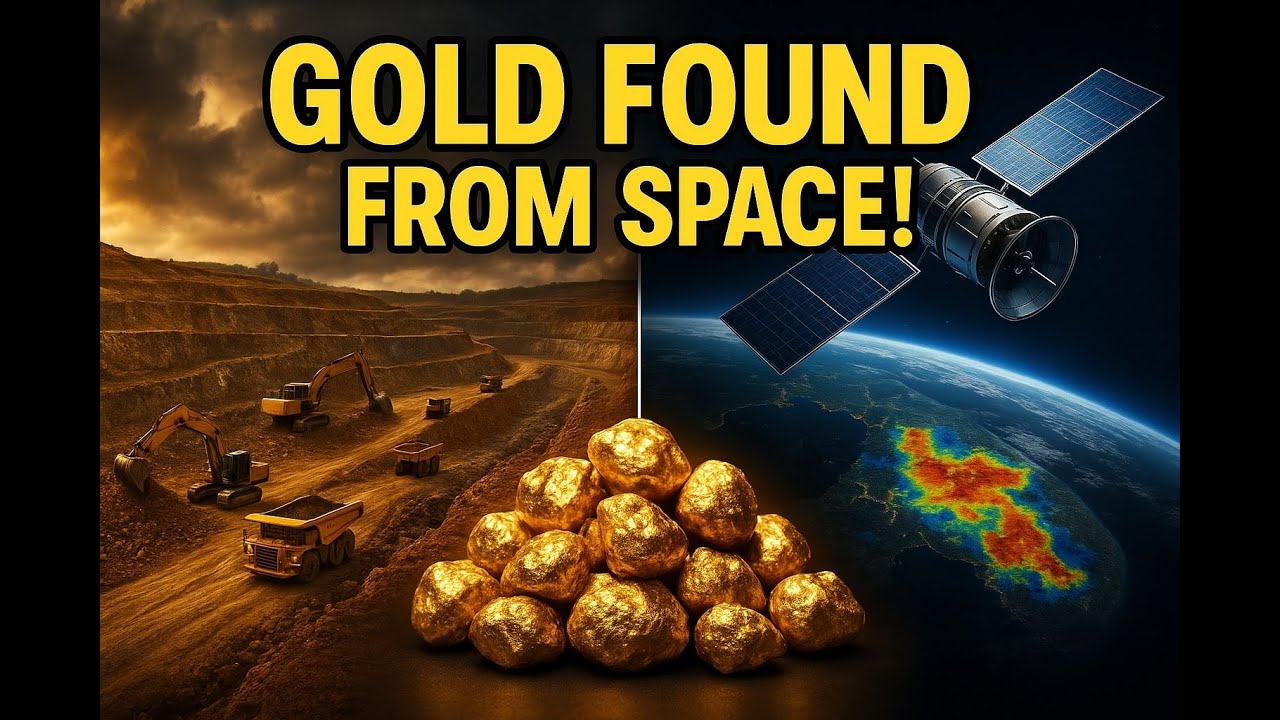
Practical Example: Gold Mining Costs per Ounce in Key Locations
- Africa (Open Pit): AISC $950–$1,250/oz (favorable geology, scalable operations, moderate environmental controls)
- North America & Australia (Underground/Complex): $1,200–$1,700/oz (higher regulatory standards, deep deposits, energy cost sensitivity)
- South America (Mixed): $1,050–$1,500/oz (logistical and permitting variability)
Farmonaut’s satellite based mineral detection can help operators optimize site selection and reduce unnecessary expenditures and disturbance, especially crucial in rural or agricultural regions.
How Much Does It Cost to Refine Gold? Process, Stages, & Realities
After mining, gold is typically converted into semi-pure doré bars onsite, which are then shipped to regional refining facilities. But how much does it cost to refine gold, and what are the cost drivers?
- Refining Stage: Smelting, chemical leaching, electrodeposition, and assaying are standard.
- Security & Regulatory: Secure facilities, environmental compliance, quality control, and waste management add consistent expenditures.
- Cost Envelope: $15–$40 USD per ounce (standalone cost), though in efficient supply chains this drops toward the lower end.
While refining makes up a modest share of the total gold extraction cost, it is essential for compliance, downstream product liquidity, and reliability for end users—including farmers, foresters, and local economies considering gold as collateral or investment.
Key Steps in Gold Refining:
- Smelting to remove base metals and impurities
- Chemical leaching (cyanidation or alternative) for residual gold extraction
- Electrorefining to produce high-purity gold bars
- Assaying and lab analysis to ensure commercial-grade output
- Disposal or treatment of chemical and solid waste
Takeaway: Refining costs are comparatively stable but can escalate in regions with tighter regulatory controls or high energy/water prices, adding to rural and agricultural opportunity costs as local stakeholders assess the trade-offs.

How Much Does It Cost to Mine Lithium? Costs, Processing, and Water Challenges
Rising demand for batteries and clean energy storage has thrust lithium into the spotlight. But how much does it cost to mine lithium, and what does that mean for agriculture or forestry?
- Deposit Type: Brine (salt flats/arid basins) vs. hard rock (spodumene/lithium ores)—costs and water/land use differ dramatically.
- Brine Lithium Production: Typically found in dry regions (e.g., South American “Lithium Triangle”). Brine operations can be less capital intensive per ounce but are heavily dependent on water, evaporation efficiency, and favorable climate. Major environmental concern: massive water consumption (up to 500,000 gallons/ton).
- Hard-Rock Lithium Mining: Generally higher CapEx due to crushing, grinding, flotation, and roasting; more energy and chemical use, but less dependent on water for evaporation. Processing to battery-grade lithium carbonate/hydroxide adds cost and complexity.
Cost Envelope for Hard-Rock: $5,000–$7,000 per ton (battery-grade; roughly $15–$22/oz equiv.)
Cost Envelope for Brine: $4,000–$6,000 per ton ($13–$19/oz equiv.), but heavy environmental scrutiny and potential for local agricultural impact via water depletion.

Key Operating Expenses in Lithium Mining:
- Energy for grinding, roasting, and solvent extraction
- Water use for brine concentration or chemical leaching
- Chemical reagents for purification/precipitation
- Treatment of tailings, brine, and solid waste
- Environmental management of land, especially regions overlapping with agriculture or grazing
Lithium’s joint pressures on local land, water, and economies make it a flashpoint for sustainable management, stakeholder inclusion, and regulatory intervention—key themes for agriculture, forestry, and rural communities.
Environmental Impact & Land-Use Trade-Offs: Mining vs Agriculture and Forestry
Understanding how much does it cost to mine 1 ounce of gold or lithium is incomplete without evaluating the full environmental and land-use footprint. The extraction of gold and lithium often creates tension between economic growth, local employment, and the stewardship responsibilities essential for sustainable agriculture and forestry.
- Land Use: Long-term occupation for roads, waste dumps, tailings, and open pits directly alters available agricultural or grazing space.
- Water Use & Pollution: Both gold and lithium extraction may divert or contaminate water critical for rural communities, crop irrigation, and local forestry.
- CO₂ & Energy Consumption: Modern mines are energy intensive. Higher emissions impact global climate goals and rural air quality.
- Rehabilitation & Closure: True mining cost includes environmental restoration—returning land for agricultural or forestry productivity afterward.
Our collective interest is to reconcile strategic material supply, agricultural need, and rural economic stability—a goal shared broadly across the satellite-based mineral detection and sustainability community.
Key Takeaway for Rural Land Stakeholders:
- High mining costs often translate into higher land rents or royalties, shifting regional economic balances.
- Efficient, transparent operations can bring jobs, infrastructure, and investment but may require oversight to safeguard agriculture and forestry values.
- Water management and regulatory controls are vital for long-term viability of both mining and rural land-use sectors.

Comparative Cost & Environmental Impact Table: Gold vs. Lithium
| Resource | Estimated Cost to Mine 1 Ounce (USD) | Refining Cost (USD/oz) | Average Land Used per Ounce (hectares) | Water Usage per Ounce (liters) | CO₂ Emissions per Ounce (kg) | Notes on Agriculture/Forestry Impact |
|---|---|---|---|---|---|---|
| Gold (Open Pit) | $950–$1,250 | $15–$40 | 0.01–0.03 | 100–250 | 15–23 | Direct land conversion; potential loss of productive agricultural/forestry land and water. |
| Gold (Underground/Deep) | $1,200–$1,700 | $15–$40 | 0.005–0.012 | 75–180 | 18–28 | Lower surface use, but still impacts water and subsurface hydrogeology. |
| Lithium (Brine) | $13–$19 | $3–$4 | 0.035–0.045 | 2,000–5,000* | 5–9 | Extremely high water draw affects irrigation; reduced surface habitat. |
| Lithium (Hard Rock) | $15–$22 | $4–$5 | 0.015–0.03 | 580–1,700 | 10–20 | Direct surface disruption but less water-intensive than brine; still affects forestry/agriculture if local overlap. |
*Water usage values for lithium are exceptionally high and can spike further in arid climates or inefficient brine management scenarios.

Sustainable Mining: Farmonaut’s Satellite-Based Mineral Detection & Mapping
Mining exploration traditionally relied on extensive, often disruptive ground operations—trenching, drilling, and sampling over broad landscapes, often agricultural or near rural communities.
At Farmonaut, we harness satellite-based mineral detection and artificial intelligence to modernize mining exploration, aiming to dramatically reduce the environmental, operational, and economic costs of discovering new deposits.
- Our remote sensing technology screens massive land parcels from space, identifying promising gold, lithium, or other mineralized zones before any fieldwork begins.
- This approach reduces direct spending by up to 80–85% at the exploration stage, saves years of time, and critically, prevents on-ground disturbance in agricultural or forestry lands until truly necessary.
- Our global mineral intelligence system covers diverse geology—spanning Africa, Australia, the Americas, and Asia—helping miners, agriculture-linked firms, and investors make data-driven land use, stewardship, and ROI decisions.
- Structured, PDF mineral reports with high-potential zone maps, depth estimates, and actionable recommendations are delivered within 5–20 business days after initial scoping.
- Advanced 3D mineral prospectivity mapping (see service details here) is available for clients seeking even deeper commercial insight.
Sustainability, efficiency, and land-use harmony are at the core of every Farmonaut deployment—helping stakeholders in mining, agriculture, and forestry plan for a balanced future.
If you’re seeking a rapid, cost-effective, and environmentally non-invasive way to evaluate a mining site, connect with us for a custom quote or to contact us for more information.
Key Callout Highlights
Most of the true cost of gold or lithium mining is hidden in energy, water, and environmental expenditures—costs stakeholders must weigh alongside direct financial returns.
Using Farmonaut’s satellite-based mineral detection can slash early exploration costs by up to 85%—delivering faster, more sustainable decisions for rural and agricultural regions.
Underestimating rehabilitation and water management costs can lead to overruns and environmental conflicts—always include these in your cost calculations!
High operating costs or regulatory risk premiums dramatically affect the profit margin “per ounce”—invest in projects with robust supply chain transparency!
Regions with strong environmental regulations often drive up headline mining costs but produce more sustainable, community-friendly legacies.
Key Visual Benefits & Data Points
- ✔ Gold mining costs per ounce are highly variable: $800 to $1,700 depending on deposit type, grade, and location.
- 📊 Lithium mining may require over 500,000 gallons of water per ton, affecting local rural agriculture and water security.
- ⚠ High operating expenses (energy, rehab, compliance) can surpass initial capital in long-life mines.
- 💡 Satellite-based exploration reduces environmental impact, preserves agricultural land, and aligns with ESG standards.
- 🌱 Proper waste and water management is essential for mining near sensitive forestry or farm regions.
Major Factors Driving Gold Mining Costs
- ⛏️ Ore Grade – Declining grades raise cost per ounce dramatically
- 🌎 Location & Logistics – Remote mines pay higher operating and transport costs
- 🔋 Energy Prices – Volatile fuel and utility rates impact ongoing expenditures
- 🛠️ Mining Method Complexity – Deep, underground or refractory ores increase marginal cost
- 📋 Regulatory Environment – Environmental controls and royalties shift local economic outcomes
Satellite Mineral Detection: Key Benefits
- 🛰️ No ground disturbance during early exploration—protecting farmlands and habitats
- 📆 Decision timelines reduced by years for both commercial and rural stakeholders
- 🗺️ Comprehensive coverage—screen thousands of hectares at once
- 💸 Cost savings of 80–85% compared to legacy field campaigns
- 🤝 Enables transparent, data-driven land-use discussions among mining, agriculture, and forestry sectors
Frequently Asked Questions (FAQ)
How much does it cost to mine 1 ounce of gold?
The estimated cost per ounce (all-in sustaining cost, or AISC) ranges from $950 to $1,700 depending on the deposit, location, ore grade, mining method, and local environmental regulations. Most efficient open-pit mines average $950–$1,250/oz, while deep or complex operations can reach $1,700/oz.
What are the main factors causing gold mining costs to vary?
Ore grade, geology, logistics, energy prices, regulatory environment, site remoteness, and efficiency of extraction or processing methods all contribute to highly variable costs per ounce. Declining grades and energy spikes increase costs over the mine’s life.
How much does it cost to refine gold?
Refining usually adds $15–$40 per ounce, depending on technology, energy prices, process chemistry, and compliance with environmental and security standards. This is a modest share compared to mining expenses but still important for downstream product quality and margins.
How much does it cost to mine lithium?
Hard-rock lithium mining typically costs $5,000–$7,000 per ton ($15–$22 per ounce equivalent), while brine operations can range from $4,000–$6,000 per ton ($13–$19 per ounce), not including refining. Brine-based lithium has high environmental and water-use footprints.
What’s the impact of mining on agriculture and forestry?
Mining impacts include land conversion, water consumption/diversion, CO₂ emissions, loss of arable soil, and long-term changes in land value or use. Proper site selection, environmental management, and post-mine rehabilitation are critical for sustainable rural economies.
How do satellite-based mineral detection platforms help reduce costs and impacts?
Platforms like Farmonaut’s minimize field disturbance, cut costs by rapidly identifying high-potential mineral zones, and inform responsible land-use decisions by integrating with regional agriculture and forestry planning—all before major capital is committed.
Where can I map my mining site using satellite intelligence?
You can map and analyze your mining site via Farmonaut’s platform directly at mining.farmonaut.com—ideal for pre-exploration or ongoing due diligence.
Conclusion & Next Steps
The real cost of mining gold or lithium extends far beyond the price tag per ounce. Direct and indirect expenditures span energy, water, environmental, and community trade-offs—especially acute in rural, agricultural, or forestry-centric economies. As global demand for precious and strategic minerals intensifies, cost transparency and sustainable decision-making become essential for every stakeholder in the supply chain.
Farmonaut’s satellite-based mineral detection, mapping, and intelligence services put the power of responsible mineral discovery in your hands. We enable rapid, non-invasive, and cost-efficient exploration decisions—reducing unnecessary ground impact and supporting your stewardship of agricultural or forestry land.
- For a custom exploration quote, visit farmonaut.com/mining/mining-query-form
- To contact us for technical details, collaboration, or learning resources, use farmonaut.com/contact-us
- Map Your Mining Site with Satellite Intelligence: mining.farmonaut.com →
- Read more about satellite based mineral detection and advanced prospectivity mapping to understand how technology empowers your next minerals decision: Learn more here.
Balance your need for resources, environmental stewardship, and the well-being of rural communities—with advanced tools and data from Farmonaut.
Discussion
Questions, corrections or field experience? Share them below. First-time comments are reviewed before they appear, and your email is never published.
No comments yet. Be the first to add a question or your experience.

 Timestream Mining
 Lithspo Minerals Limited
 Tintina Mining Group
 Dalgety Minerals Pty Ltd
 Vortex Minerals Pty Ltd
 Faith At Work (Pty) Ltd
 Geotech Mining Solutions plc
 Vulcan International Limited
 Kidepo Associates
 GKY Mining
 Alkimy SARL
 Double A Trading
 GemSprout Metals Limited
 Qader Group
 Ileys General Trading
 SG Gold Mining LLC
 VRV Global Pte Ltd
 Omsri International FZE
 G.I.T.T.
 Jaunita Erss Ltd
 Almosi SARL
 SRK Consulting
 Berks Gold Limited
 Mwerezi Minerals Company Limited
 Exploration consultancy · South Africa · Gold










